
Original iPhone Loses Its Last Cellular Network as T-Mobile Kills 2G
The End of an Era: T-Mobile Retires Its 2G Network, Marking the Close of a Wireless Chapter
On Monday, August 3, T-Mobile officially retired its 2G GSM network. This pivotal moment means that all three major carriers in the United States — AT&T, Verizon, and now T-Mobile — have completely ended their 2G cellular services. For many, this marks the quiet conclusion of an era, a technology that once revolutionized mobile communication but has since been far outpaced by modern advancements.
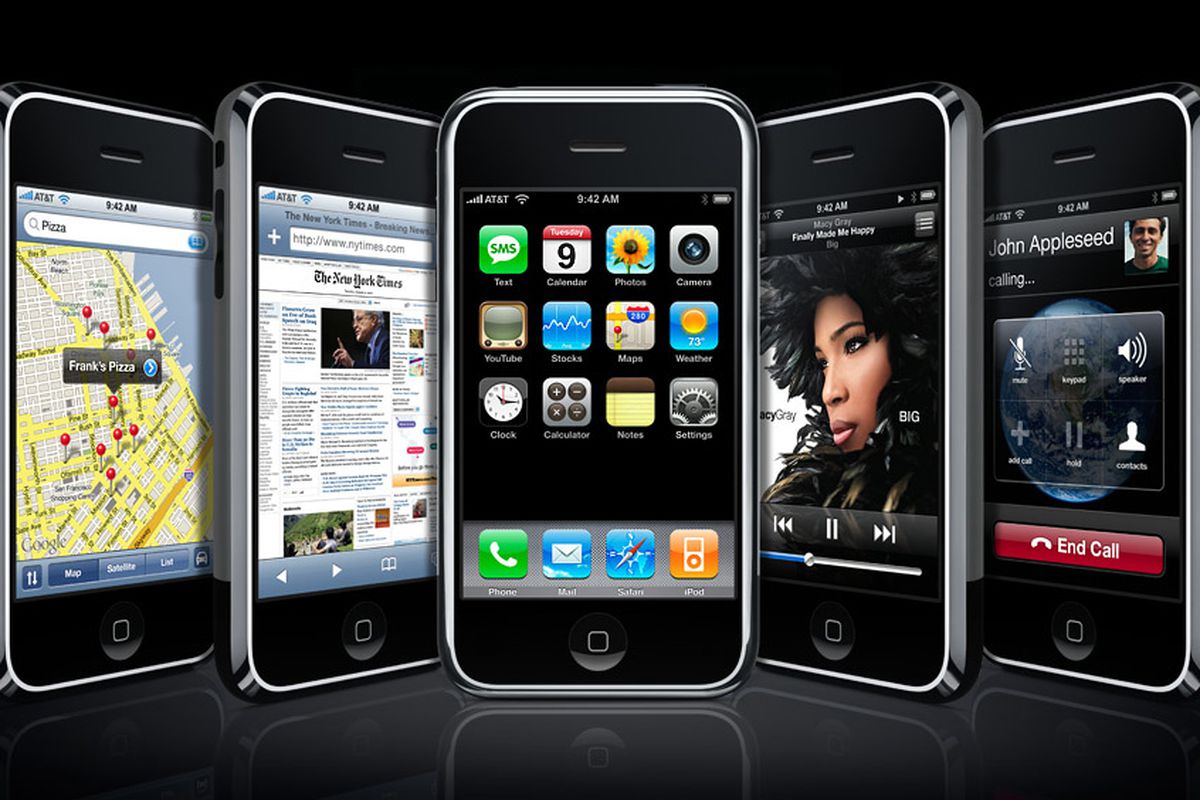
The shutdown of T-Mobile’s 2G network isn't just a technical upgrade; it symbolizes the relentless march of progress in the telecommunications industry. While AT&T and Verizon made their transitions years ago, T-Mobile held onto its 2G infrastructure longer than its competitors. This decision was primarily to support specific customer groups and unique use cases that still relied on the older technology, demonstrating a commitment to their diverse subscriber base, even as the world shifted to faster, more robust networks.
The Final Sunset: T-Mobile's 2G Network Takes Its Bow
For years, T-Mobile distinguished itself by maintaining its 2G network, a testament to the longevity and widespread adoption of this foundational technology. While its rivals had already dismantled their 2G systems, T-Mobile recognized that a segment of its users, as well as a variety of essential devices, still depended on this legacy service. The decision to finally sunset the network on August 3 was not made lightly but came after extensive preparation and communication.
The 2G (second-generation) Global System for Mobile Communications (GSM) network was a groundbreaking innovation when it first launched in the early 1990s. It introduced digital voice communication, which significantly improved call quality and security over the analog 1G networks. Beyond voice, 2G also brought data services like SMS (Short Message Service) text messaging and MMS (Multimedia Messaging Service), fundamentally changing how people communicated. It laid the groundwork for the mobile internet revolution, albeit with very slow data speeds compared to today's standards.
As technology evolved, 2G became increasingly inefficient. Its limited bandwidth and slower speeds were no match for the demands of smartphones, video streaming, and data-intensive applications. Modern networks like 4G LTE and 5G offer exponentially faster speeds, lower latency, and greater capacity, making 2G an outdated and costly system to maintain. Carriers are constantly seeking to "refarm" their valuable radio spectrum – the airwaves over which cellular signals travel – to more advanced technologies. Shutting down older networks like 2G frees up this spectrum for 5G, allowing for faster, more reliable, and more efficient services for the vast majority of current users.
A Nationwide Shift: Following AT&T and Verizon's Path
T-Mobile's shutdown completes a nationwide transition away from 2G. AT&T was the first major U.S. carrier to end support for its 2G network, doing so almost a decade ago in 2017. This move affected a large number of older devices, including the original iPhone, which relied exclusively on AT&T's 2G GSM network for cellular connectivity. Verizon, which historically used a different 2G technology (CDMA), followed suit and stopped supporting its 2G network in 2020. These shutdowns were strategic, allowing both carriers to reallocate precious spectrum and resources to their rapidly expanding 4G LTE and later 5G networks.
The staggered nature of these shutdowns meant that for a time, some devices that lost 2G service on one network might still find connectivity on another, particularly for international visitors using roaming agreements. However, with T-Mobile's final shutdown, there is now no major cellular carrier in the U.S. that supports 2G. This marks a definitive end to a significant chapter in wireless history, ensuring that devices designed solely for 2G will no longer be able to connect to any cellular network within the United States.
Why T-Mobile Stood Apart: The Reasons for Keeping 2G Alive
Unlike its competitors, T-Mobile had compelling reasons to prolong the life of its 2G network. This decision wasn't just about nostalgia; it was about practical considerations for specific user groups and widespread machine-to-machine communications.
Supporting Legacy Customers and Devices
One primary reason was the existence of a segment of legacy customers who were still actively using the 2G network. These individuals often owned older, simpler feature phones or early smartphones that were not compatible with newer 3G, 4G, or 5G technologies. For some, these devices were perfectly adequate for their basic communication needs – making calls and sending texts. T-Mobile, known for its customer-centric approach, aimed to provide these users with ample time and support to transition to newer technologies without being abruptly cut off.
While the number of such customers dwindled over the years, ensuring a smooth transition for even a small group required careful planning and execution. It involved offering upgrade incentives, providing clear communication about the upcoming shutdown, and educating users on how to move to a compatible device and plan. This commitment underscored T-Mobile's dedication to avoiding service disruptions for any of its subscribers, regardless of their technology adoption pace.
International Roaming Agreements
Another crucial factor was T-Mobile's extensive network of international roaming carrier agreements. Many customers visiting the United States from other countries, particularly those from regions where 2G networks might still be operational or where their home carrier's roaming agreements primarily relied on 2G, needed this service for voice calling and basic data. These agreements ensured that international travelers could seamlessly use their phones while in the U.S., leveraging T-Mobile's infrastructure.
Ending 2G service would directly impact these international visitors, potentially leaving them without essential communication services. To mitigate this, T-Mobile worked with carriers globally to prepare for the end of its 2G network. This involved complex negotiations and technical adjustments to ensure that international roaming partners could reroute their traffic to T-Mobile's 4G LTE network (which includes VoLTE for voice) or other compatible services. Such international coordination is a significant undertaking, highlighting the intricate web of global telecommunications.
The Hidden World of IoT and M2M Devices
Perhaps the most challenging aspect of the 2G shutdown was its impact on a vast array of Internet of Things (IoT) and machine-to-machine (M2M) devices. These devices, often deployed years ago with the expectation of long operational lifespans, were built specifically for 2G's low power consumption, wide coverage, and sufficient bandwidth for their minimal data needs. Examples include:
- Alarm panels: Many home and business security systems, including medical alert devices, were designed to communicate over 2G to dispatch emergency services or send alerts.
- Payment terminals: Credit card readers in taxis, vending machines, and mobile point-of-sale (POS) systems often used 2G for secure transaction processing.
- Vehicle tracking systems: Fleet management, logistics, and stolen vehicle recovery services frequently relied on 2G for GPS data transmission and basic telematics.
- Smart meters: Utility companies deployed 2G-enabled meters to remotely monitor electricity, gas, and water usage.
- Environmental sensors: Devices monitoring remote conditions, from agricultural sensors to weather stations, often used 2G for sporadic data uploads.
These devices were chosen for 2G due to its low cost of deployment, reliable coverage (especially in rural areas), and minimal power requirements, allowing for long battery life. The challenge for T-Mobile, and indeed for the businesses and organizations that deployed these devices, was the need for a comprehensive upgrade or replacement strategy. Many of these devices are deeply embedded, making replacement a costly and complex logistical exercise.
Preparing for the Sunset: The Transition Process
The process of shutting down a network as foundational as 2G is not an overnight task. It requires meticulous planning, extensive communication, and significant operational changes. T-Mobile, learning from the experiences of AT&T and Verizon, implemented a multi-faceted approach to ensure a smooth transition for its customers and partners.
Early Warnings and Communication
Customers who were still on T-Mobile's 2G network were warned well ahead of time about the shutdown. This proactive communication was crucial in giving individuals and businesses sufficient time to prepare. T-Mobile used various channels to inform affected users, including direct mail, email, text messages, in-app notifications, and notices on their website. These warnings detailed the upcoming change, explained its implications, and provided guidance on how to transition to newer services.
The goal was to prevent any sudden loss of service, especially for those who might not be technologically savvy or might not frequently check for network updates. This foresight allowed for a grace period, during which customers could explore their options, upgrade their devices, and ensure continuity of service.
Supporting the Transition: Upgrades and Assistance
Beyond mere warnings, T-Mobile actively assisted customers in moving off the 2G network. This support often included:
- Device upgrades: Offering incentives, discounts, or even free compatible devices to customers using older 2G-only phones.
- Plan adjustments: Helping customers migrate to plans that supported 4G LTE or 5G, often without a significant increase in cost.
- Customer service: Providing dedicated support channels to answer questions, troubleshoot issues, and guide users through the upgrade process.
For businesses and organizations relying on 2G for their IoT deployments, T-Mobile likely provided more tailored support, working with them to understand their specific needs and offer solutions for upgrading their alarm panels, payment terminals, or fleet tracking devices. The complexity of these deployments meant that a one-size-fits-all approach would not suffice, necessitating customized strategies for different sectors.
Global Coordination for Roaming Partners
The challenge of international roaming required a high level of diplomatic and technical coordination. T-Mobile worked closely with its global carrier partners to ensure that visitors to the U.S. would not lose service. This involved:
- Technical rerouting: Helping international carriers configure their systems to direct roaming traffic to T-Mobile's 4G LTE network, leveraging VoLTE (Voice over LTE) for voice calls.
- Information sharing: Providing detailed information to partner carriers about the shutdown timeline and the new connectivity options available.
- Testing and validation: Collaborating on testing new roaming configurations to ensure seamless service for inbound international travelers.
This behind-the-scenes work was essential to prevent a major disruption for international visitors and to uphold T-Mobile's reputation as a reliable network provider for global travelers.
The Impact: What Happens When 2G Dies?
The final shutdown of 2G services by all major U.S. carriers has profound implications, particularly for older devices and the vast ecosystem of IoT accessories that had been quietly humming along on this foundational network.
The Original iPhone and Other Vintage Smartphones
The most iconic casualty of the 2G shutdown is arguably the original iPhone. Launched in 2007, this revolutionary device was a 2G-only phone, exclusively relying on AT&T's GSM network for cellular connectivity. When AT&T sunset its 2G network in 2017, the iPhone technically lost its primary cellular support. Users could still connect via Wi-Fi for internet access, but its core function as a mobile phone was severely hampered.
With T-Mobile's 2G network now disabled, the last workaround for these vintage devices is gone. While few people still use an original iPhone as their primary device today, its loss of cellular capability marks a significant historical milestone. It underscores how rapidly mobile technology evolves, leaving even groundbreaking devices behind. Beyond the original iPhone, numerous other feature phones and early smartphones from various manufacturers that were built solely for 2G will now become essentially Wi-Fi-only devices, if they have Wi-Fi at all. Their ability to make calls or send texts over a cellular network in the U.S. has ceased to exist.
The Silent Disruption: IoT Devices and Essential Services
While the impact on old smartphones is sentimental, the effect on IoT accessories and M2M devices is far more critical. These are devices that might seem inconsequential to the average consumer but are vital for various business operations and personal safety. Smartphones, alarm panels, payment terminals, and other IoT accessories that used 2G will no longer function in their intended capacity without an upgrade or replacement.
- Security Systems and Alarm Panels: Many older home and business security systems, including those used for medical alerts, relied on 2G to communicate with monitoring centers. If these systems haven't been upgraded, they may no longer be able to send emergency signals, potentially leaving homes and individuals vulnerable.
- Payment Terminals: Mobile credit card readers, vending machines, parking meters, and other remote payment systems often incorporated 2G modules. Businesses using these un-upgraded terminals will find them unable to process transactions, leading to operational disruptions and potential revenue loss.
- Vehicle Telematics and Tracking: Fleet management solutions, asset trackers, and even some older in-car emergency call systems (like OnStar or similar services) used 2G to transmit location data and facilitate communication. Vehicles relying on these systems may lose tracking capabilities or their ability to call for assistance.
- Smart Utilities and Industrial IoT: Some older deployments of smart meters for electricity, gas, and water, as well as various industrial sensors, leveraged 2G for data collection. Companies managing these assets faced the daunting task of upgrading or replacing thousands of remote devices.
The core reason these devices utilized 2G was its suitability for low-bandwidth, intermittent communication, often in remote locations, with excellent battery life and broad coverage. Replacing these embedded modules is a significant undertaking, requiring substantial investment in hardware, installation, and software integration. For many businesses, this presented a considerable operational and financial challenge.
The Road Ahead: Beyond 2G and 3G to LTE and 5G
The 2G shutdown is not an isolated event but part of a broader, ongoing network evolution. Carriers are continuously retiring older technologies to free up valuable spectrum and resources for the next generation of wireless services.
The Farewell to 3G
All three major carriers also ended support for 3G back in 2022. The 3G network, which succeeded 2G, offered significantly faster data speeds, enabling the first true mobile internet experiences, web browsing on smartphones, and early video streaming. Its retirement paved the way for the widespread adoption of 4G LTE. The shutdown of 3G similarly impacted slightly newer legacy devices and some IoT applications that had migrated from 2G to 3G, requiring further upgrades.
The Dominance of 4G LTE and the Rise of VoLTE
Today, 4G LTE (Long-Term Evolution) is the backbone of mobile connectivity for the vast majority of smartphone users. It provides the high speeds and low latency necessary for modern applications, streaming, and rich media. A critical development with 4G LTE was VoLTE (Voice over LTE), which enables voice calls to be carried over the LTE data network rather than separate 2G or 3G voice networks. This significantly improves call quality, allows for simultaneous voice and data usage, and makes better use of network resources.
The reliance on VoLTE means that any device that cannot support it – including early LTE iPhones without VoLTE support – will eventually lose its ability to make and receive calls on carrier networks that have shut down 2G and 3G. Carriers have encouraged and, in some cases, mandated that customers upgrade to VoLTE-compatible devices to ensure continuous service.
The Future is 5G
The ongoing rollout of 5G represents the current frontier of wireless technology. 5G promises even faster speeds, ultra-low latency, and massive capacity, enabling new applications like advanced IoT, autonomous vehicles, enhanced augmented and virtual reality, and more reliable critical communications. The spectrum freed up by the 2G and 3G shutdowns is being repurposed for these advanced 5G networks, allowing carriers to build a more robust, efficient, and future-proof infrastructure.
What This Means for Consumers and Businesses
The complete shutdown of 2G services across the U.S. sends a clear message: staying current with technology is essential in the mobile world. For consumers, it means ensuring their smartphones and other cellular-enabled devices are compatible with at least 4G LTE, preferably with VoLTE support. For businesses, it necessitates a proactive approach to managing their IoT deployments, regularly assessing the cellular requirements of their devices, and planning for timely upgrades.
While the end of 2G might feel like the loss of a familiar friend to some, it ultimately paves the way for a more advanced, secure, and capable wireless future. It frees up critical spectrum, reduces maintenance costs for carriers, and allows for the development of innovative services that leverage the full potential of 4G LTE and 5G networks. This network evolution translates into better experiences for everyone, with faster downloads, clearer calls, and more reliable connectivity.
Conclusion: A New Chapter in Wireless Connectivity
The retirement of T-Mobile's 2G network on August 3, officially concluding 2G service across all major U.S. carriers, marks a significant milestone in the history of telecommunications. It’s a moment that highlights how far we’ve come from the rudimentary digital voice and text messages of the early 90s to the high-speed, data-rich environment of 4G LTE and 5G today. The 2G network, once a marvel of its time, has served its purpose, enabling mobile communication for decades and setting the stage for subsequent generations of wireless technology.
While the shutdown impacts legacy devices like the original iPhone and numerous vital IoT accessories, the meticulous planning by T-Mobile and its predecessors ensured that transitions were as smooth as possible. This strategic move allows carriers to refarm valuable spectrum, invest in the latest technologies, and deliver faster, more efficient, and more reliable services to the vast majority of their customers. As we look ahead, the continuous evolution of our wireless networks promises even greater connectivity, innovation, and possibilities, ensuring that the digital age continues to advance at an unprecedented pace.
This article, "Original iPhone Loses Its Last Cellular Network as T-Mobile Kills 2G" first appeared on MacRumors.com
Discuss this article in our forums
from MacRumors
-via DynaSage
