
iPhone Air 2 Expected to Launch Early Next Year With Five New Features
Get Ready for the Future: Unpacking the iPhone Air 2 Rumors for Early 2027
The world of technology is constantly evolving, and nowhere is this more evident than in the rapid advancements we see from companies like Apple. Even as we marvel at the latest iPhone models, industry whispers and analyst predictions give us a tantalizing glimpse into what’s next. For Apple enthusiasts, the future is looking exceptionally bright, with exciting new devices always on the horizon. One such device that has recently captured significant attention is the rumored second-generation iPhone Air.
According to Jeff Pu, a respected investment analyst with a keen eye on Apple’s strategies, we could be seeing the launch of the iPhone Air 2 in the first quarter of 2027. This isn't just another incremental update; Pu's insights suggest a device packed with significant upgrades designed to push the boundaries of smartphone technology even further. His recent research note, shared with GF Securities, outlines five key new features that will set the iPhone Air 2 apart from its predecessor, promising a more powerful, versatile, and intuitive user experience.
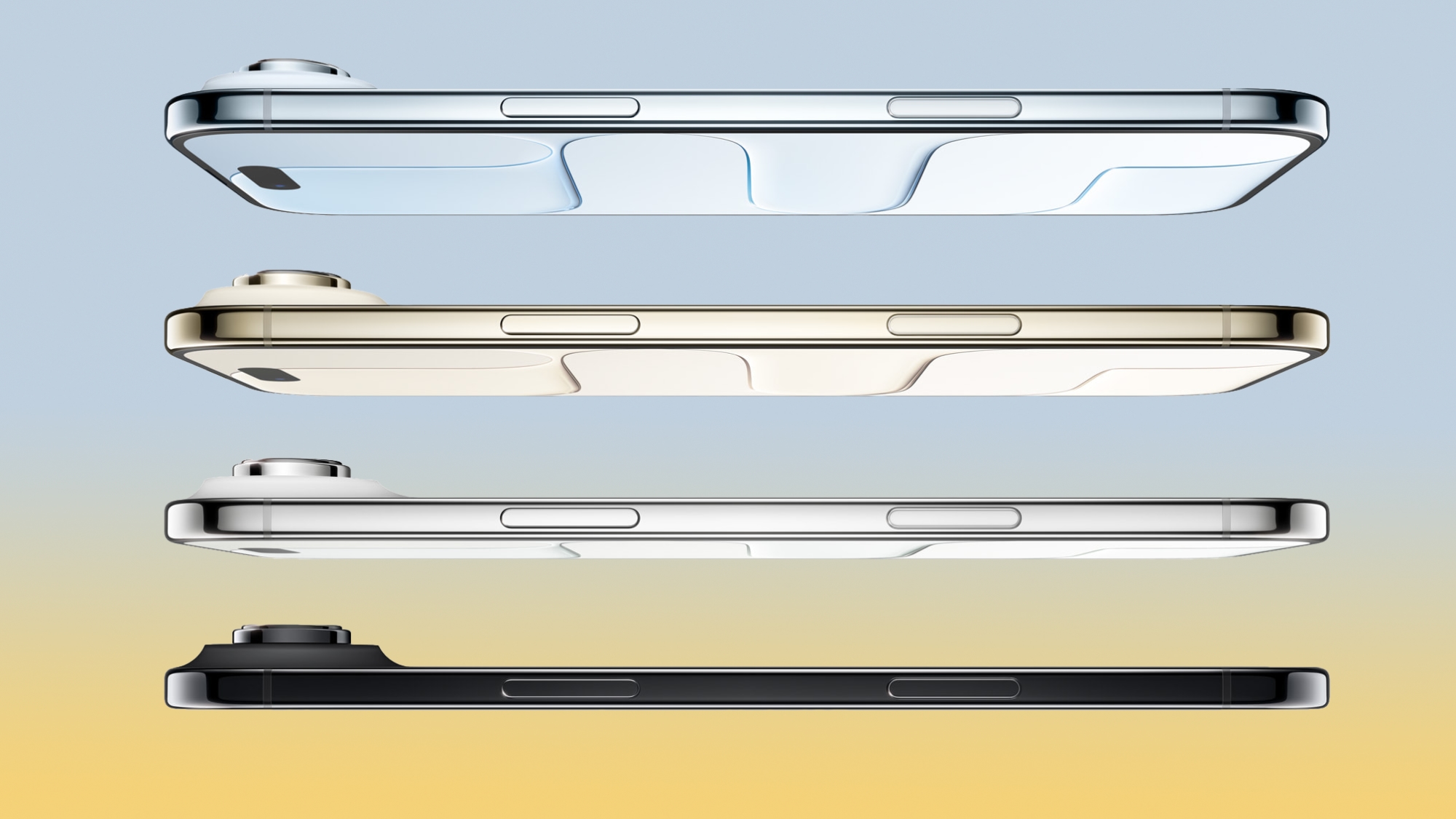
These predictions, while still rumors, paint a vivid picture of Apple's ongoing commitment to innovation. From advanced camera systems to groundbreaking chip technology, the iPhone Air 2 appears poised to redefine what users can expect from their premium smartphone. Let's delve into these rumored features and explore what they could mean for the everyday user and the wider tech landscape.
Understanding the iPhone Air: A New Tier of Apple Innovation
Before we dive into the specifics of the iPhone Air 2, it's worth considering what the "iPhone Air" line itself represents. While Apple traditionally offers standard, Plus/Max, and Pro models, the introduction of an "Air" variant suggests a potential new direction for the company. Historically, Apple's "Air" products, like the MacBook Air or iPad Air, have been characterized by their lightweight design, powerful performance, and often a focus on portability without compromising too much on capability. For an iPhone, an "Air" model could signify a device that balances an incredibly sleek and light form factor with high-end features, potentially sitting as a distinct offering within Apple's ever-expanding lineup.
The "current" iPhone Air, as mentioned in Pu's note, already sets a high bar, presumably being a premium device with cutting-edge technology such as the 3nm A19 Pro chip and advanced wireless capabilities. The second generation, the iPhone Air 2, would then build upon this foundation, refining and enhancing every aspect to deliver an even more superior experience. This strategy allows Apple to cater to a diverse range of users, from those seeking the absolute peak of professional performance in Pro models, to those who prioritize a blend of advanced features and exceptional design in an "Air" package, and the standard models for a broader audience.
The iPhone Air, therefore, isn't just another phone; it's a statement about where Apple sees the future of premium, sleek, and high-performance mobile computing. It suggests a focus on creating a device that feels almost invisible in its lightweight form factor, yet capable of handling the most demanding tasks with ease. This vision is further solidified by the exciting list of rumored upgrades coming to the iPhone Air 2.
The Vision for the iPhone Air 2: A Deep Dive into Key Features
Jeff Pu’s research note highlights five major improvements expected for the iPhone Air 2. These aren't minor tweaks but substantial advancements that could significantly impact how users interact with their devices, capture memories, and connect with the world.
1. Dual 48-Megapixel Rear Camera System: Capturing Every Detail
One of the most anticipated upgrades for the iPhone Air 2 is the addition of a second 48-megapixel rear camera. The current iPhone Air is presumed to already feature a high-resolution main camera, likely a 48-megapixel Fusion lens. The iPhone Air 2 is set to complement this with an Ultra Wide lens, also boasting 48 megapixels. This isn't just about bigger numbers; it's about unlocking incredible new photographic possibilities.
What does this mean for you? Currently, iPhones with advanced camera systems often have a main wide-angle lens, an Ultra Wide lens, and sometimes a telephoto lens. The quality of each lens, especially the Ultra Wide, can vary. By equipping both the main and Ultra Wide cameras with 48-megapixel sensors, Apple is promising unparalleled detail and clarity across a wider range of photographic scenarios. Imagine capturing breathtaking landscapes with every blade of grass sharply defined, or fitting an entire group of friends into a selfie without sacrificing resolution. The Ultra Wide lens is perfect for expansive scenes, architectural shots, or when you need to get more context into your photo without stepping back. With a 48-megapixel Ultra Wide, images taken with this lens would no longer be a step down in quality from the main camera, offering professional-grade results from every angle.
The "Fusion lens" likely refers to Apple's advanced computational photography techniques, where multiple images are combined to create one incredibly detailed and dynamic photo. With two 48-megapixel sensors working in tandem, the iPhone Air 2 could achieve even more sophisticated image processing. This might lead to superior low-light performance, more accurate colors, and exceptional dynamic range, meaning your photos would look stunning even in challenging lighting conditions. For video, this could translate into higher resolution recordings with better stabilization and more creative options, truly blurring the lines between smartphone photography and professional equipment.
2. A More Integrated Experience: The Smaller Dynamic Island
The Dynamic Island, introduced in recent iPhone Pro models, revolutionized how users interact with alerts, notifications, and background activities. It elegantly transformed the once-static notch into a dynamic, interactive space that adapts to show crucial information like Face ID animations, incoming calls, music playback, and timers. It was a significant step in making the front of the iPhone feel more integrated and alive.
For the iPhone Air 2, Jeff Pu predicts a "slightly smaller Dynamic Island." While seemingly a minor tweak, this change holds significant implications for the user experience. A smaller Dynamic Island means more precious screen real estate. This translates directly into a more immersive viewing experience, whether you're watching videos, browsing photos, or playing games. The display would stretch closer to the edges, reducing distractions and pulling you further into your content. This evolution suggests Apple is continually working to minimize the physical footprint of its front-facing sensors and camera, potentially through advancements in under-display technology or further miniaturization of components. The goal is clear: to get closer to a truly all-screen design, where the interface feels boundless and uninterrupted. This enhancement not only improves aesthetics but also enhances usability, making the iPhone Air 2 feel even more futuristic and polished.
3. Unprecedented Power: The A20 Pro Chip on 2nm
At the heart of any iPhone is its custom-designed Apple silicon, and for the iPhone Air 2, we’re looking at a monumental leap forward: the A20 Pro chip, manufactured using TSMC’s advanced 2nm process. To put this into perspective, the "current" iPhone Air is expected to feature a 3nm A19 Pro chip. The jump from 3nm to 2nm might sound like a small number, but in the world of chip manufacturing, it's a huge step.
Nano-meter (nm) refers to the size of the transistors on the chip. Smaller transistors mean more transistors can be packed into the same space, leading to greater processing power, improved energy efficiency, and faster performance. A 2nm chip would represent the cutting edge of semiconductor technology, providing incredible advancements over its 3nm predecessor. The "Pro" designation also indicates that this chip is designed for the most demanding tasks, similar to how Apple's Pro chips in current iPhones offer superior graphics and neural engine capabilities.
What does this mean for you, the user? A faster and more power-efficient A20 Pro chip would translate into lightning-fast app launches, buttery-smooth multitasking, and incredibly realistic gaming graphics. Intensive tasks like 4K video editing on the go, complex augmented reality (AR) applications, or advanced on-device artificial intelligence (AI) processing would be handled with unprecedented ease and speed. Furthermore, the enhanced power efficiency of the 2nm process would significantly extend battery life, allowing you to do more for longer without needing to recharge. This chip isn't just about speed; it's about enabling entirely new capabilities and ensuring the iPhone Air 2 remains at the forefront of mobile computing for years to come.
4. Next-Gen Connectivity: Apple's N2 Wireless Networking Chip
In our increasingly connected world, reliable and fast wireless networking is paramount. The iPhone Air 2 is rumored to feature Apple's second-generation N2 chip for wireless networking, building upon the capabilities of the N1 chip found in the existing iPhone Air. The N1 chip is an Apple-designed wireless networking chip that already supports cutting-edge standards like Wi-Fi 7, Bluetooth 6, and Thread, while also boosting the performance of features like AirDrop and Personal Hotspot.
Let's break down what these technologies mean. Wi-Fi 7 (also known as 802.11be or Extremely High Throughput) is the latest Wi-Fi standard, promising significantly faster speeds, lower latency, and greater capacity than Wi-Fi 6E. This means quicker downloads, smoother streaming of 8K content, and a more responsive experience, especially in crowded network environments. Bluetooth 6 would offer improvements in range, speed, and energy efficiency for connecting wireless accessories like headphones, smartwatches, and car systems, ensuring more stable and seamless connections. Thread is a low-power, mesh networking protocol designed for smart home devices, allowing them to communicate more reliably and efficiently without needing a central hub. It's a key component for Apple's HomeKit ecosystem and the broader Matter smart home standard.
The N2 chip would take these capabilities a step further. While specific enhancements are not detailed, a second-generation chip typically implies even greater speeds, lower power consumption, enhanced reliability, and potentially support for new, emerging wireless technologies. For users, this means a device that is always connected with the strongest, fastest, and most efficient wireless performance possible. Whether you're streaming a movie, transferring large files via AirDrop, or using your iPhone as a Personal Hotspot for other devices, the N2 chip would ensure a superior and lag-free experience, making connectivity truly seamless.
5. Staying Connected, Efficiently: The C2 5G Modem
Another critical component for modern smartphones is the 5G modem, responsible for cellular connectivity. The iPhone Air 2 is expected to incorporate Apple’s second-generation C2 chip for 5G, improving upon the C1X chip that is already celebrated as the "most power-efficient modem in an iPhone ever." This continuous development underscores Apple's drive to not only deliver blazing-fast cellular speeds but to do so with exceptional efficiency, which directly impacts battery life.
Apple's move to design its own 5G modems marks a significant strategic shift, giving the company greater control over performance, integration, and power consumption compared to relying solely on third-party suppliers. The C1X chip’s focus on power efficiency is crucial, as 5G connectivity, while fast, can be demanding on a phone's battery. An even more efficient C2 chip would further enhance this, allowing users to enjoy the full benefits of 5G – incredibly fast downloads, uploads, and ultra-low latency for cloud gaming or real-time applications – without constantly worrying about their battery level.
Beyond power efficiency, the C2 chip could also bring improvements in 5G speed, reliability, and coverage. This means a more consistent and robust cellular connection, even in areas with challenging signal conditions. For those who rely heavily on mobile data for work, entertainment, or staying connected, the C2 chip would ensure a premium and uninterrupted 5G experience, solidifying the iPhone Air 2 as a device built for the demands of the modern mobile world.
Other Key Specifications: Consistency and Enhancement
Beyond these five major new features, Jeff Pu's notes also touch upon other critical specifications that maintain the iPhone Air 2's premium standing:
- 6.5-inch Display: The next iPhone Air is expected to retain a 6.5-inch display. This size strikes a popular balance, offering ample screen real estate for immersive content consumption, comfortable browsing, and productive multitasking, while still being manageable for everyday use. It suggests Apple has found a sweet spot for the "Air" line that caters to users who appreciate a larger screen without necessarily wanting the absolute largest "Max" variants.
- 12GB of RAM: With 12GB of RAM, the iPhone Air 2 would be equipped to handle an extraordinary level of multitasking and demanding applications. More RAM means the phone can keep more apps open in the background without needing to reload them, leading to a smoother and more fluid user experience. This also future-proofs the device for increasingly complex operating system updates and resource-intensive applications like advanced AR experiences or professional-grade video editing software that will emerge in the coming years.
- 18-megapixel Center Stage Front Camera: The inclusion of an 18-megapixel Center Stage front camera is a significant upgrade for selfies, video calls, and potentially augmented reality applications. "Center Stage," a feature already seen on iPads, automatically pans and zooms the camera to keep you in the frame as you move around during video calls. Bringing this high-resolution, intelligent capability to the iPhone Air 2's front camera would dramatically enhance video conferencing, making calls more engaging and natural. For content creators, the higher resolution also means clearer, more detailed selfies and front-facing video, offering greater flexibility and quality.
The Broader iPhone 18 Family and Apple's Evolving Strategy
The launch of the iPhone Air 2 isn't happening in a vacuum. Apple reportedly plans to release it alongside the regular iPhone 18 and a lower-end iPhone 18e around March 2027. This suggests a significant spring launch event, complementing their traditional fall releases.
Adding to this complex picture, the higher-end iPhone 18 Pro, iPhone 18 Pro Max, and a rumored foldable "iPhone Ultra" are expected to launch in September 2026. This staggered release of devices in the lineup, as part of a new strategy, indicates a diversification of Apple's iPhone offerings. It allows them to target different market segments with distinct models at different times of the year. The "iPhone Ultra," a foldable device, would represent a completely new form factor, appealing to early adopters and those seeking the cutting edge of mobile innovation. Meanwhile, the iPhone 18 and 18e would cater to the mainstream and budget-conscious segments, respectively. The iPhone Air 2 would then carve out its niche as a premium, sleek, and high-performance option, likely bridging the gap between the standard models and the ultra-premium Pro/Ultra devices. This strategic shift could allow Apple to maintain consumer interest throughout the year and capture a broader share of the smartphone market.
Conclusion: An Exciting Future for iPhone Users
The rumors surrounding the iPhone Air 2, as presented by analyst Jeff Pu, paint a compelling picture of Apple's future ambitions. With a powerful new A20 Pro chip, a dual 48-megapixel camera system including an Ultra Wide lens, a more refined Dynamic Island, and next-generation N2 and C2 wireless chips, the iPhone Air 2 is shaping up to be a truly transformative device. These enhancements collectively promise not just faster performance, but a more intuitive, immersive, and capable smartphone experience across the board.
The potential launch in early 2027, alongside a broader and more diverse iPhone 18 lineup, highlights Apple's evolving product strategy to cater to a wider range of user needs and preferences. While these are still predictions, they offer an exciting glimpse into the innovations Apple is meticulously crafting. For those who appreciate the blend of cutting-edge technology, elegant design, and seamless user experience, the iPhone Air 2 could very well be the next must-have device. As we approach 2027, the anticipation for what Apple will truly unveil will only continue to grow.
This article, "iPhone Air 2 Expected to Launch Early Next Year With Five New Features" first appeared on MacRumors.com
Discuss this article in our forums
from MacRumors
-via DynaSage
