
iPhone 18 Pro Costing Apple 38% More to Make, TrendForce Estimates
The Costly Future: Why the iPhone 18 Pro Could Be Significantly More Expensive
The world of smartphone manufacturing is a complex dance of supply chains, technological innovation, and market demand. For years, consumers have grown accustomed to incremental price increases with each new flagship device. However, a recent analysis suggests that Apple’s upcoming iPhone 18 Pro could break new ground, facing an unprecedented surge in its manufacturing costs. According to fresh data meticulously examined by the market research firm TrendForce, the cost to build the iPhone 18 Pro is projected to be nearly 40 percent higher than its predecessor, the iPhone 17 Pro. This significant jump is primarily attributed to a dramatic increase in memory prices, signaling a potential shift in how premium smartphones are priced globally.
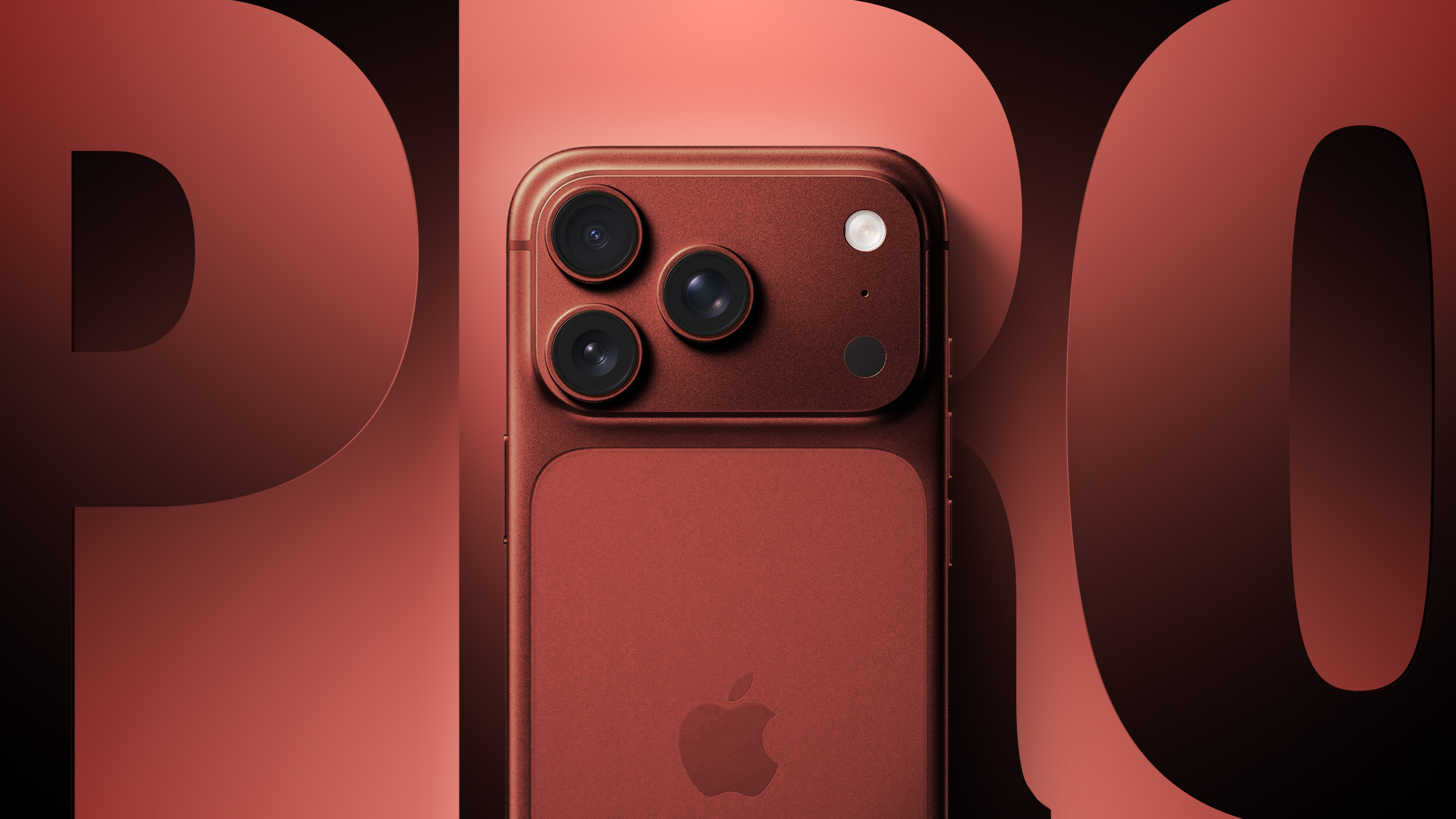
This revelation from TrendForce's latest smartphone analysis paints a clear picture: the "bill of materials" (BOM) for the 256GB iPhone 18 Pro is estimated to be roughly 38 percent above that of the equivalent iPhone 17 Pro model. For consumers, this translates to an almost inevitable rise in retail prices. While Apple has historically tried to absorb some costs to keep devices competitive, the sheer scale of this increase suggests that a higher price tag for the iPhone 18 Pro will be unavoidable. This situation sets the stage for a critical decision point for Apple: how much of this increased cost will they pass on to the consumer, and how will they manage potential pushback from their loyal customer base?
The Skyrocketing Cost of Memory: A Deep Dive
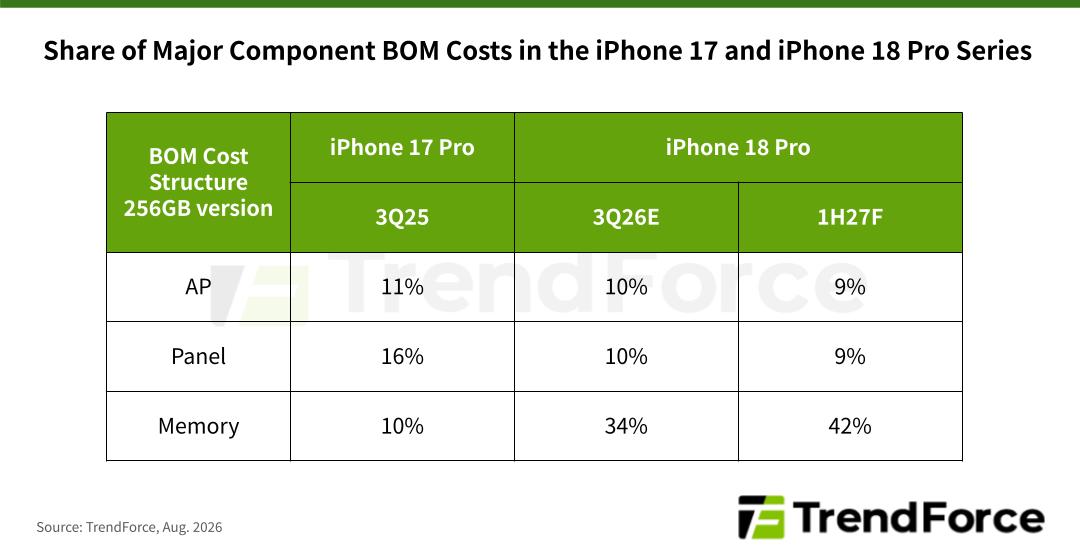
At the heart of this projected cost surge lies the volatile and rapidly escalating price of memory components. Memory, which includes both RAM (Random Access Memory) and NAND flash storage, is crucial for every modern smartphone. It dictates how many applications can run smoothly, how fast the phone operates, and how much data it can store. A year ago, memory components constituted approximately 10 percent of the total component cost for a 256GB iPhone Pro. This was a substantial, but manageable, portion of the overall production expense.
However, the landscape has drastically changed. TrendForce's estimates for the third quarter of 2026 show this figure soaring to roughly 34 percent. Looking ahead to the first half of 2027, the firm anticipates memory costs to climb past an astonishing 40 percent of the total component cost. This phenomenal increase fundamentally alters the cost structure of high-end smartphones. To put this into perspective, imagine a car where the cost of its fuel tank and associated components suddenly jumped from 10% to over 40% of the vehicle's total manufacturing cost. Such a shift would inevitably lead to a higher retail price, and the smartphone market is no different.
Why Are Memory Prices Soaring?
Several factors contribute to this dramatic rise in memory prices, creating a perfect storm for manufacturers like Apple. Firstly, there's a significant imbalance between supply and demand. The global demand for advanced memory chips, especially high-bandwidth memory (HBM) and next-generation NAND flash, has exploded. This demand is fueled not just by smartphones but also by the booming artificial intelligence (AI) sector, data centers requiring more robust storage and processing capabilities, and the proliferation of IoT (Internet of Things) devices.
Secondly, manufacturing cutting-edge memory is incredibly complex and capital-intensive. It requires advanced fabrication plants (fabs), expensive equipment, and highly specialized processes. Any disruption in the supply chain, whether due to geopolitical tensions, natural disasters, or even unexpected factory issues, can have a ripple effect on global prices. The industry has also seen consolidation among memory manufacturers, which can sometimes lead to less competition and higher prices.
TrendForce's report specifically highlights the magnitude of this increase, noting that memory prices have climbed five- to sevenfold since the beginning of 2025. This isn't a marginal adjustment; it's a monumental shift that fundamentally alters the economics of device production. For a company like Apple, which relies on high-quality, high-performance memory for its premium devices, this jump directly impacts their bottom line.
The Shifting Balance of Component Costs
The dramatic increase in memory costs has had a cascading effect on other components within the smartphone's bill of materials. Historically, the display panel and the application processor (the phone's "brain") were often the two most expensive components. These cutting-edge parts, developed through years of research and massive investments, commanded a significant portion of the overall cost.
However, with memory now eating up such a large share, the relative percentages for panels and application processors are expected to drop to single-digit figures. While their absolute costs might not have decreased significantly, their share of the *overall* cost shrinks because memory has taken up so much of the pie. This doesn't mean these components are getting cheaper or less important; rather, it underscores just how expensive memory has become in comparison.
This shift in component cost allocation means that even if Apple finds efficiencies or negotiates better deals on screens or processors, the overwhelming impact of memory price hikes will still dominate the final manufacturing cost. It forces Apple, and indeed all smartphone makers, to re-evaluate their pricing strategies and potentially even their product configurations.
Apple's Strategy: Balancing Profit and Customer Loyalty
Faced with such significant increases in production costs, Apple finds itself at a critical juncture. The company has a long-standing reputation for premium pricing, but also for maintaining healthy profit margins. TrendForce suggests that Apple might adopt a two-pronged approach, similar to strategies seen with recent MacBook launches, to manage this challenge.
Sacrificing Gross Margin
One potential strategy is for Apple to absorb a portion of the increased costs by giving up part of its gross margin. Gross margin represents the profit a company makes after deducting the direct costs of producing its goods. While Apple is known for its impressive margins, lowering them even slightly could help keep the retail price increase more "palatable" for customers. This approach helps protect shipment volumes, ensuring that the new iPhone 18 Pro remains competitive and desirable in the market, preventing potential customers from being priced out.
Apple understands that continuous, steep price hikes can deter consumers, especially in an increasingly competitive market where users often upgrade less frequently. By taking a hit on its own profitability, Apple can demonstrate a commitment to its customer base and try to maintain its market share. This is a delicate balancing act, as too much margin erosion could impact investor confidence, while too little could alienate buyers.
Raising Prices on Older iPhone Models
Another strategic move suggested by TrendForce is for Apple to raise prices on older iPhone models concurrently with the launch of the new iPhone 18 lineup. This approach offers several benefits. Firstly, it allows Apple to spread the cost recovery across its entire product range, rather than burdening only the latest and greatest devices. For example, if the iPhone 17 or iPhone 16 models see a slight price bump, it helps offset the higher manufacturing costs across the board. This can make the new iPhone 18 Pro's price increase seem less drastic in comparison, as the gap between new and old models might not widen as much.
Secondly, raising prices on older models could subtly encourage customers who were considering an older, cheaper iPhone to perhaps stretch for the newer model, especially if the price difference narrows. It's a way of recalibrating the entire iPhone pricing spectrum to account for the new reality of component costs without putting all the pressure solely on the flagship device.
This comprehensive approach demonstrates Apple's sophisticated understanding of market dynamics and consumer psychology. They aim to recover costs while minimizing friction with their vast user base, a testament to their long-term market strategy.
The Wider Industry Impact: Android Vendors and Market Segmentation
While Apple has robust margins and significant brand loyalty, the memory price crunch is a global phenomenon affecting the entire smartphone industry. TrendForce's analysis points out that Android vendors, particularly those operating in the entry-level and mid-range segments, are likely to face even greater challenges. These manufacturers typically operate on much thinner profit margins compared to Apple and cater to a more price-sensitive customer base.
Steeper Price Hikes or Product Line Reductions
For many Android phone makers, the options are stark: either raise prices more steeply than Apple or consider dropping entire product lines. A five- to sevenfold increase in memory costs would be devastating for a phone priced at, say, $300-$500, where every dollar of component cost is critical. Passing on a significant portion of this increase could make their devices uncompetitive in their respective segments.
The possibility of "dropping product lines outright" highlights the severity of the situation. Some manufacturers might find that certain models or entire series of phones become unprofitable to produce at competitive price points. This could lead to a consolidation in the market, fewer choices for consumers in certain price brackets, and potentially a shift towards manufacturers focusing only on segments where they can still achieve viable margins.
This situation also exacerbates the existing gap between premium and budget smartphones. While high-end devices can absorb some cost increases due to their higher initial price, a percentage-based increase hits budget phones much harder relative to their overall cost. This could mean a less diverse and potentially more expensive entry-level market for consumers, limiting access to smartphone technology for some.
A Pattern of Price Adjustments: The Memory Crunch's Global Reach
The current concerns about iPhone 18 Pro pricing are not isolated. Apple has already demonstrated its awareness and responsiveness to the memory crunch earlier this year. In June, the company raised prices across a range of its product categories, including Mac computers, iPads, Apple TV devices, HomePods, and even the Vision Pro. These adjustments were a direct response to the same rising memory costs that are now impacting the iPhone.
At that time, the iPhone lineup was notably spared from these price increases. This could have been a strategic decision to delay the impact on their most popular product, perhaps hoping for a market correction or to phase in increases more gradually. However, the latest analysis from TrendForce makes it increasingly clear that the iPhone lineup will be unable to escape the next round of price adjustments. The market conditions have only intensified, making it unsustainable for Apple to absorb all the rising costs for its most critical product line.
This context is important because it shows a consistent pattern of Apple reacting to the broader market for essential components. It's not an isolated incident for the iPhone 18 Pro but rather a continuation of a trend driven by fundamental changes in the global supply chain for memory.
Anticipating the iPhone 18 Series Launch
Against this backdrop of rising costs, the technology world eagerly awaits Apple's traditional September event. It is during this highly anticipated keynote that Apple is expected to officially announce its next generation of smartphones. The rumors and leaks suggest an exciting lineup, including the standard iPhone 18 Pro, a larger iPhone 18 Pro Max, and for the first time, a groundbreaking foldable iPhone "Ultra."
The introduction of a foldable iPhone "Ultra" would represent a significant leap for Apple, pushing the boundaries of design and technology. However, a foldable device naturally comes with its own set of advanced, expensive components and complex manufacturing processes. If even the traditional Pro models are facing such steep cost increases due to memory, the "Ultra" model, with its added complexities, could command an even more premium price tag, potentially setting a new ceiling for smartphone costs.
What This Means for Consumers
For potential buyers, the news of the iPhone 18 Pro's increased build cost is a clear signal: prepare for higher retail prices. This might prompt consumers to reconsider their upgrade cycles or explore different purchasing strategies. Here are a few considerations:
- Budgeting: Those planning to purchase a new iPhone might need to adjust their budgets upwards.
- Financing Options: Apple typically offers various financing plans and trade-in programs. These might become even more attractive ways to manage the increased upfront cost.
- Considering Older Models: If older iPhone models also see price increases, the value proposition of choosing a slightly older device might shift. However, they could still represent a more affordable entry point to the Apple ecosystem.
- Waiting for Deals: While flagship launches rarely see immediate discounts, some consumers might opt to wait a few months post-launch for potential promotions from carriers or retailers.
- Storage Tiers: With memory being a primary cost driver, the price difference between different storage configurations (e.g., 256GB vs. 512GB vs. 1TB) might become even more pronounced. Consumers will need to carefully consider their actual storage needs.
Ultimately, consumers will have to weigh the desire for the latest technology against the increased financial outlay. Apple's brand loyalty is strong, but there is always a threshold beyond which even the most dedicated customers might hesitate.
The Future of Smartphone Pricing: A New Normal?
The situation with the iPhone 18 Pro and the broader memory market raises a critical question: is this a temporary blip, or does it represent a "new normal" for smartphone pricing? The escalating demand for high-performance memory from AI and data centers suggests that this trend might have long-term implications. As AI capabilities become more integrated into edge devices like smartphones, the need for powerful and abundant memory will only grow.
Manufacturers will continue to innovate in chip design and manufacturing processes, but these advancements often come with their own set of costs. The pressure to deliver more powerful, more capable devices while navigating volatile component markets will be an ongoing challenge. This could lead to a bifurcation of the smartphone market, with ultra-premium devices pushing price boundaries and mid-range devices having to make more compromises on components or features to stay affordable.
For Apple, this situation could further solidify its position in the ultra-premium segment, catering to users who prioritize top-tier performance and are willing to pay for it. However, it also means that the entry point to the "Pro" iPhone experience might become less accessible for some.
Conclusion: A Challenging Road Ahead
The projected 38 percent increase in the iPhone 18 Pro's build cost, primarily driven by soaring memory prices, marks a significant moment for Apple and the entire smartphone industry. TrendForce's detailed analysis highlights the unavoidable reality that higher retail prices for Apple's next flagship are on the horizon. While Apple has strategies to mitigate the impact, such as adjusting gross margins and recalibrating prices across its older models, the core challenge remains.
This isn't just an "Apple problem"; it's a reflection of broader market dynamics, global supply chain pressures, and the insatiable demand for advanced memory, particularly from the booming AI sector. Android manufacturers, especially those in the more competitive mid-range and entry-level markets, face even tougher decisions regarding pricing and product viability.
As we approach the official announcement of the iPhone 18 series, including the highly anticipated foldable "Ultra," all eyes will be on Apple to see how they navigate this challenging economic landscape. The outcome will not only determine the pricing of the next generation of iPhones but could also set a precedent for smartphone pricing trends for years to come.
This article, "iPhone 18 Pro Costing Apple 38% More to Make, TrendForce Estimates" first appeared on MacRumors.com
Discuss this article in our forums
from MacRumors
-via DynaSage
