
How Apple Changed Under Tim Cook: 15 Years in Numbers
Apple CEO Tim Cook recently participated in his final Apple earnings call. This marked a significant moment for the tech giant as incoming CEO John Ternus is scheduled to take over the top leadership position on September 1. With Cook's remarkable tenure at the helm drawing to a close, it's a fitting time to reflect on the immense transformations and growth Apple has experienced over the past 15 years under his guidance. His era has been one of unprecedented scale, diversification, and financial success, cementing Apple's position as one of the world's most influential companies.
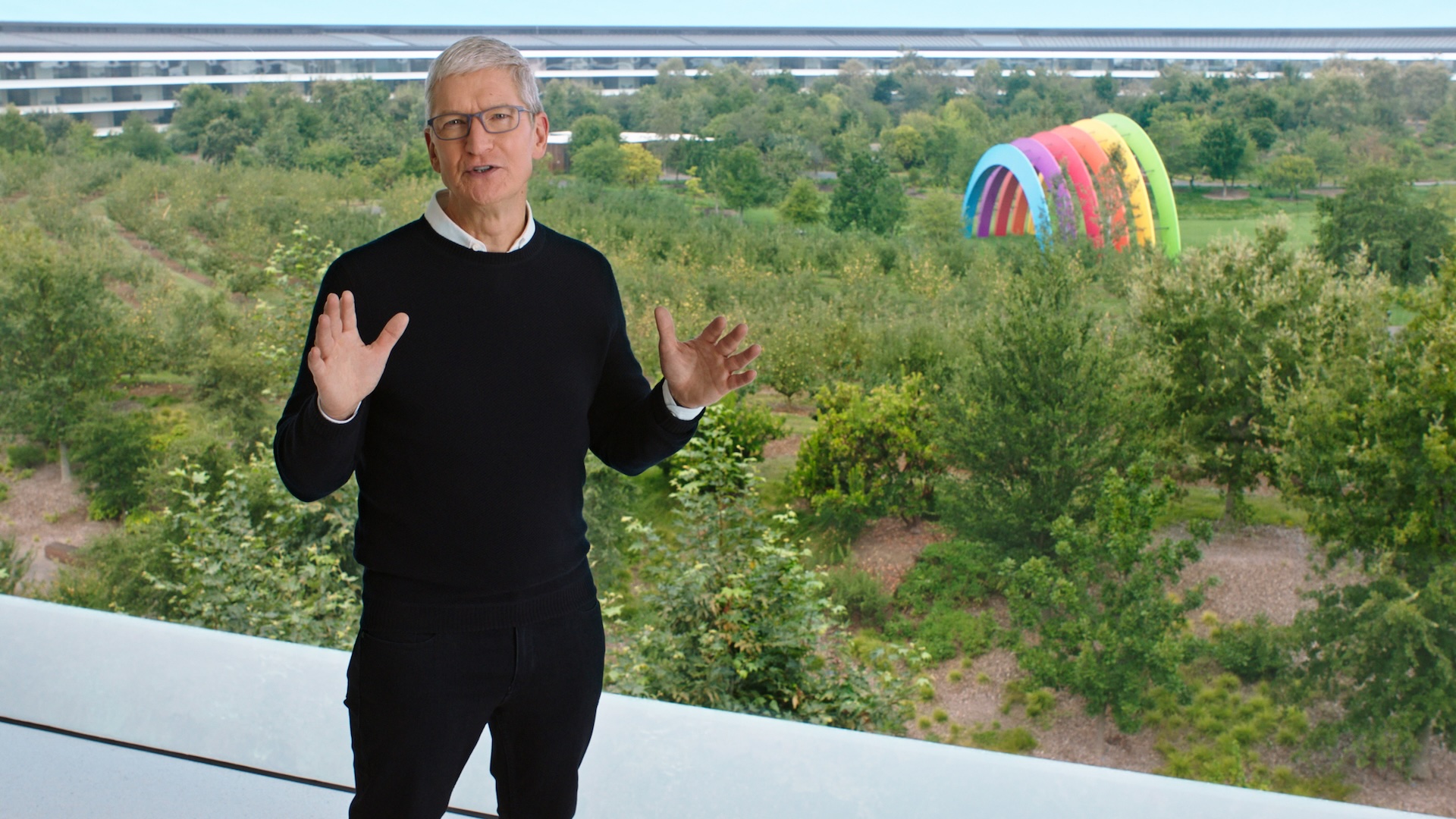
Tim Cook officially took over as Chief Executive Officer on August 24, 2011. This transition followed the resignation of Apple's legendary co-founder, Steve Jobs, marking a pivotal moment in the company's history. Cook, who had previously served as Chief Operating Officer, stepped into enormous shoes, inheriting a company renowned for its innovative products and strong brand identity, but also facing the challenge of continuing that momentum without its iconic visionary leader.
Apple's Staggering Revenue Growth
During the most recent earnings call, a compelling observation was made by Bank of America analyst Wamsi Mohan, highlighting the extraordinary financial trajectory Apple has charted under Cook. When Tim Cook first became CEO, Apple's total revenue for the entire fiscal year of 2011 stood at $108 billion. This was, at the time, an impressive figure for any company.
Fast forward to the present: Apple reported a staggering $109.4 billion in revenue for just the third quarter of fiscal year 2026. This means that, in a single three-month period, Apple generated more revenue than it did in all twelve months of the year Cook took over. This incredible feat underscores the exponential growth the company has experienced under his leadership. While the complete financial figures for fiscal year 2026 are not yet available, the previous fiscal year, 2025, saw Apple achieve a colossal annual revenue of $416 billion. This consistent, massive growth has allowed Apple to invest heavily in research and development, expand its global reach, and continue pushing the boundaries of technology.
The iPhone, Apple's flagship product, also showcases this phenomenal growth. In 2011, iPhone revenue for the entire year was $47 billion. For the third quarter of 2026 alone, iPhone sales brought in an astounding $54.3 billion. This demonstrates not only the enduring popularity and market dominance of the iPhone but also the significant role it plays in Apple's overall financial success. The ability to consistently innovate and attract new customers, year after year, with its smartphone lineup has been a cornerstone of Cook's strategy, ensuring the iPhone remains a central pillar of Apple's ecosystem and revenue stream.
Beyond the raw numbers, this revenue growth signifies a global expansion and a deepening presence in the lives of billions. It reflects successful product launches, effective marketing, and a loyal customer base that has continued to grow and engage with Apple's expanding range of products and services. Cook's operational expertise and supply chain mastery were crucial in scaling production and distribution to meet this immense demand, transforming Apple into a logistical marvel as much as an innovation powerhouse.
Unprecedented Valuation Milestones
While Apple's stock experienced a slight dip recently after Tim Cook shared expectations of potential supply constraints and memory shortages affecting current quarter revenue, the company recently achieved another monumental milestone. Just last week, Apple briefly hit a market capitalization above $5 trillion. Market capitalization, often referred to as "market cap," represents the total value of a company's outstanding shares. It's calculated by multiplying the current stock price by the number of shares in circulation, serving as a primary indicator of a company's size and perceived value by investors.
Although Apple's market cap has since adjusted to around the $4.5 trillion mark, currently placing it just behind Nvidia as the world's most valuable publicly traded company, this achievement is nothing short of historic. Under Tim Cook's stewardship, Apple has consistently shattered valuation records, becoming the first company to reach several unprecedented financial thresholds. It was the first company to achieve a $1 trillion valuation in August 2018, a significant psychological and financial barrier that few even dreamed possible for a publicly traded company. Just two years later, in August 2020, Apple once again made history by becoming the first to reach $2 trillion.
The growth continued unabated, with Apple hitting the $3 trillion mark in January 2022. The company's relentless innovation, robust financial performance, and growing services segment continued to impress investors, pushing its valuation higher and higher. In October 2025, Apple became the third company to reach a $4 trillion valuation, and then, most recently, the second company to break through the $5 trillion barrier. These milestones are not just numbers; they reflect immense investor confidence in Apple's business model, its leadership, its ability to innovate, and its future prospects. They represent the collective belief that Apple will continue to generate substantial profits and deliver cutting-edge products and services for years to come.
When Tim Cook first took the reins, on the day after his appointment in August 2011, Apple's stock price, adjusted for subsequent splits, was $13.35. Today, the stock opened at $304.81. This represents an astounding increase of approximately 23 times the original value. Such a dramatic rise has enriched countless shareholders, from institutional investors to individual retail investors, making Apple one of the most successful investments of the past decade and a half.
To make its stock more accessible and affordable for a wider range of investors, Apple executed two significant stock splits during Cook's tenure. There was a 7-for–1 split in 2014, meaning that for every one share an investor owned, they received six additional shares, and the price per share was adjusted accordingly. Later, in 2020, the company performed a 4-for–1 split. These splits, while not changing the total value of an investor's holdings, made individual shares more liquid and appealing to a broader investor base, contributing to the stock's overall growth and popularity.
Expanding the Installed Base: A Foundation for Growth
Another crucial metric that highlights Apple's incredible reach under Tim Cook is its installed base of active devices. Apple recently announced that it now has over 2.5 billion active devices globally. This includes iPhones, iPads, Macs, Apple Watches, AirPods, and various other hardware products that connect users to the Apple ecosystem. This massive number isn't just about sales; it represents a vast, interconnected network of users actively engaging with Apple's hardware and, increasingly, its software and services.
The company only began sharing specific installed base numbers in 2016, at which point it had reached a significant milestone of one billion active devices. To grow from one billion to 2.5 billion active devices in just a decade is a testament to Apple's sustained product appeal, its ability to attract new customers, and its success in retaining existing ones within its tightly integrated ecosystem. Each active device represents a potential gateway for Apple's growing suite of services, from music and video streaming to cloud storage and payment solutions.
This enormous installed base provides Apple with several key advantages. Firstly, it offers a consistent revenue stream through potential upgrades and accessory purchases. Secondly, and perhaps more importantly in the Cook era, it serves as a fertile ground for the expansion of Apple's high-margin services business. A user with an iPhone is more likely to subscribe to Apple Music, use iCloud+, or engage with the App Store. The sheer scale of this active user base provides a powerful network effect, making the Apple ecosystem more valuable with each new device sold and activated. It also represents a significant barrier to entry for competitors, as users are deeply integrated into the Apple experience, making it harder for them to switch to alternative platforms.
The Services Revolution
While Apple has always been known for its groundbreaking hardware, the "services" category has undoubtedly seen the most explosive growth and strategic focus under Tim Cook. This shift represents a deliberate and highly successful pivot from a predominantly product-centric company to one that increasingly generates significant, recurring revenue from software and digital offerings. In all of 2011, Apple's services revenue amounted to $9.4 billion. This figure was already substantial but paled in comparison to hardware sales.
Fast forward to the third quarter of 2026, and services revenue alone soared to $30.7 billion – dwarfing the annual total from when Cook took over. For the full fiscal year 2025, services brought in a colossal $109 billion. This transformation has been a cornerstone of Cook's strategy, providing Apple with a more predictable, high-margin revenue stream that diversifies its business beyond the cyclical nature of hardware sales. This stability is highly attractive to investors and provides a robust foundation for future growth.
During the recent earnings call, Apple proudly announced that it now boasts an incredible 1.5 billion subscriptions across its various service offerings. This includes subscriptions to Apple's own services, as well as third-party subscriptions made through the App Store, for which Apple takes a commission. This massive number of subscriptions is a direct result of the multitude of new services launched under Tim Cook's leadership, profoundly expanding what it means to be an "Apple user." Here are some of the key services introduced during his tenure:
- Apple Pay: Launched in 2014, this secure mobile payment and digital wallet service transformed how Apple users conduct transactions, allowing them to pay with their iPhone, Apple Watch, iPad, or Mac at millions of locations and online retailers.
- Apple Pay Cash: Later rebranded as Apple Cash, this feature allows users to send and receive money directly within the Messages app, making person-to-person payments seamless and integrated into the Apple ecosystem.
- Apple Card: Introduced in 2019, this credit card, developed in partnership with Goldman Sachs, is designed for iPhone users, offering daily cash back, no fees, and advanced financial management tools within the Wallet app.
- Apple Music: Launched in 2015, this subscription-based music streaming service quickly became a major competitor to Spotify, offering a vast library of songs, curated playlists, and exclusive content.
- Apple News: Released in 2015, this personalized news aggregator delivers a customized stream of articles from various publishers, with a premium subscription tier (Apple News+) offering access to hundreds of magazines and newspapers.
- Apple TV+: Apple's foray into original video content, launched in 2019, offers a growing library of exclusive films and television series, competing directly with established streaming giants.
- Apple Arcade: A game subscription service launched in 2019, offering a curated collection of exclusive, ad-free games playable across iPhone, iPad, Mac, and Apple TV.
- Apple Fitness+: Introduced in 2020, this subscription service offers studio-style workouts and meditations led by expert trainers, deeply integrated with the Apple Watch for real-time metrics and motivation.
- iCloud+: An enhanced version of iCloud, offering more storage, Private Relay for enhanced privacy, Hide My Email, and HomeKit Secure Video support. This service provides essential cloud infrastructure for Apple users.
- App Store Search Ads: A revenue-generating advertising platform within the App Store, allowing developers to promote their apps more effectively.
- Ads in Maps: Apple's continued exploration of advertising within its own applications, providing new revenue streams and opportunities for businesses to connect with users.
Back in 2011, Apple's service offerings were comparatively limited, primarily consisting of AppleCare (for product support and extended warranties), iTunes (for music, movies, and TV show purchases), and the App Store (for downloading applications). The dramatic expansion of the services portfolio under Cook represents a fundamental strategic shift, creating a robust ecosystem that not only complements Apple's hardware but also provides recurring revenue and enhances user loyalty. This strategy has been crucial in maintaining Apple's growth trajectory and securing its financial future.
Revolutionary Product Launches
Beyond the impressive financial figures and the explosion of services, Tim Cook's era has also been defined by a continuous stream of innovative product launches, expanding Apple's reach into entirely new categories and solidifying its position in existing ones. While Steve Jobs laid the foundation for many of Apple's core products, Cook oversaw the introduction of several groundbreaking devices and technologies that have significantly shaped the tech landscape. These launches demonstrate Apple's enduring commitment to innovation and its ability to refine and redefine categories.
- Apple Watch: Unveiled in 2014 and launched in 2015, the Apple Watch marked Apple's entry into the wearables market. Initially positioned as a fashion accessory and communication device, it quickly evolved into a powerful health and fitness tracker, becoming the best-selling smartwatch globally. Its integration with the iPhone and its suite of health sensors has made it an indispensable device for millions, pushing the boundaries of personal technology and well-being.
- AirPods: Introduced in 2016, AirPods weren't just wireless earbuds; they redefined an entire product category. Their seamless pairing, iconic design, and intuitive user experience quickly made them a cultural phenomenon and a massive commercial success. AirPods, and their subsequent iterations like AirPods Pro and AirPods Max, cemented Apple's dominance in personal audio and became one of the fastest-growing product lines in the company's history.
- Apple Silicon Chips (M-series and A-series): While the A-series chips for iPhones and iPads predated Cook's CEO tenure, the monumental transition of the Mac lineup to Apple silicon (starting with the M1 chip in 2020) was a strategic masterstroke under his leadership. This move allowed Apple to design its own powerful, energy-efficient processors tailored specifically for its hardware and software, leading to significant performance gains, improved battery life, and a more integrated experience across the ecosystem. This decision has been praised as one of the most impactful in recent computing history.
- Vision Pro: Announced in 2023 and launched in 2024, the Vision Pro represents Apple's ambitious leap into spatial computing. Positioned as a revolutionary device that seamlessly blends digital content with the physical world, it marks Apple's entry into a completely new product category. While still in its early stages, the Vision Pro signals Apple's vision for the next generation of personal computing, demonstrating a willingness to invest heavily in future technologies.
- iPhone Air: While not explicitly launched, the "Air" branding often signifies a focus on thinness and lightness, reflecting a trend in iterative iPhone improvements under Cook to make devices more sleek and portable. The constant evolution of the iPhone line, including new form factors and design refinements, has kept it at the forefront of the smartphone market.
- iPhone X: Released in 2017, the iPhone X was a radical redesign for the iPhone, introducing the all-screen display with the notch, Face ID, and gesture-based navigation. It set the design language for subsequent iPhones and demonstrated Apple's courage to fundamentally change its most important product.
- HomePod and HomePod mini: Apple's entry into the smart speaker market, with the original HomePod in 2018 and the more affordable HomePod mini in 2020, aimed to deliver high-quality audio and integrate Siri more deeply into the home environment. These devices reflect Apple's ambition to extend its ecosystem further into users' living spaces.
- MacBook Neo: While the "Neo" branding isn't a standard Apple product name, it likely refers to significant redesigns and advancements within the MacBook lineup, such as the thinner, fanless MacBook introduced in 2015, or the dramatic redesigns seen in later MacBook Pro models with the introduction of Apple silicon. Cook's era has seen a consistent effort to refine and improve the Mac, culminating in the performance revolution brought by Apple Silicon.
These products, along with numerous updates and refinements to existing lines like the iPad and various Mac models, showcase a period of sustained innovation and strategic category expansion. Cook's leadership ensured that Apple not only maintained its reputation for premium design and user experience but also ventured boldly into new technological frontiers, laying the groundwork for future growth and competitive advantage.
Unprecedented Capital Returns to Shareholders
Beyond its product innovations and financial growth, Tim Cook's tenure also marked a significant shift in Apple's approach to capital management, particularly regarding how it rewards its shareholders. Prior to Cook becoming CEO, Apple was known for holding vast amounts of cash on its balance sheet, often a point of contention for some investors who advocated for its distribution.
Cook initiated a new era of shareholder returns, starting with the reinstatement of quarterly dividends in 2012. A dividend is a payment made by a corporation to its shareholders, usually as a distribution of profits. This move signaled a maturity in Apple's financial strategy, indicating that the company was not only growing but also generating consistent profits that it could confidently share with its owners.
In addition to dividends, Cook also oversaw the execution of an ongoing, massive share repurchase program. Share repurchases, or buybacks, involve a company buying its own outstanding shares from the open market. This reduces the number of shares in circulation, which can increase earnings per share and, in turn, often boosts the stock price. It's a way for companies to return capital to shareholders indirectly, by increasing the value of their remaining shares.
The scale of these capital return initiatives has been truly staggering. Since these programs began under Cook, Apple has returned more than $1 trillion to shareholders. This figure is almost unfathomable, representing the largest capital return program by any company in history. It underscores Apple's immense profitability and its commitment to delivering value to its investors. This strategic financial management, balancing aggressive investment in future products and services with significant shareholder returns, has been a hallmark of Cook's leadership, cementing investor confidence and contributing to Apple's record-breaking valuation.
The Seamless Transition to John Ternus
As Tim Cook's extraordinary journey as CEO concludes, the focus now shifts to the future leadership of Apple. Cook himself confirmed yesterday that the transition to his successor, John Ternus, is "going seamlessly." Ternus is set to officially become CEO on September 1, a date that coincidentally precedes Apple's highly anticipated annual event where new iPhone models are typically announced. This timing suggests a carefully planned and executed succession strategy, ensuring continuity at a critical juncture for the company.
While John Ternus takes on the top executive role, Tim Cook will not be departing Apple entirely. He will remain with the company in a newly established position as Executive Chairman. In this capacity, Cook will leverage his vast experience and global relationships to engage with policymakers around the world and help Apple navigate the increasingly complex landscape of regulatory pressure. As Apple has grown into a multi-trillion-dollar company, it faces intense scrutiny regarding antitrust, privacy, app store policies, and labor practices. Cook's new role is strategically vital, allowing him to use his influence and expertise to protect Apple's interests and shape its interactions with governments and regulatory bodies globally, ensuring the company can continue to innovate and operate effectively.
This succession plan aligns with previous statements made by Cook. In April, he had indicated his intention to remain at Apple for years to come, albeit potentially in a different capacity. "I am healthy. My energy is high, and I plan to be in this role for a long time," Cook had stated, referring to his continued commitment to the company. He also expressed his strong desire to support John Ternus in any way necessary when Ternus assumes the CEO position, planning to continue offering his extensive knowledge and experience whenever needed. Cook emphasized his deep dedication to Apple, stating, "Apple will be my top priority. It's who I am at my core, and I can't imagine it any other way." This commitment ensures that Ternus will have the invaluable mentorship and strategic guidance of his predecessor, fostering a stable and strong leadership transfer.
Tim Cook's Endorsement of John Ternus
In his recent remarks, Tim Cook left no doubt about his profound confidence in John Ternus, unequivocally stating that Ternus is the absolute best choice to lead Apple into its next chapter. His words convey not only respect but genuine excitement for the company's future under Ternus's direction.
The transition is going seamlessly, and I am beyond excited for John to step into his new role and lead Apple into its next era. He is truly one of a kind and there is no better person to take the helm of the company. As I've said, I couldn't be more confident in his leadership, in our executive team, and in the extraordinary people at Apple who are determined to enrich the lives of our users all over the world. We have a bright future ahead, and I truly have never been more optimistic.
This powerful endorsement from Cook speaks volumes. It highlights the meticulous planning behind the succession and the deep trust placed in Ternus's capabilities. Cook's optimism for Apple's future, even as he steps down from the CEO position, reinforces the idea that the company is in excellent hands and poised for continued innovation and success. His confidence extends not just to Ternus but also to the broader executive team and the entire workforce, recognizing the collective talent that drives Apple's global impact. It suggests a shared vision and a cohesive leadership structure that will allow Apple to navigate future challenges and seize new opportunities.
John Ternus brings a wealth of experience and a deep understanding of Apple's product DNA to the CEO role. He has been an integral part of Apple since 2001, when he first joined the company's product design team. His career at Apple has been characterized by a steady ascent through critical hardware engineering roles, giving him an intimate knowledge of the devices that form the core of Apple's business.
In 2013, Ternus was promoted to vice president of hardware engineering, a role in which he oversaw the development of key product lines, including the groundbreaking AirPods, the entire Mac lineup, and the immensely popular iPad. His leadership was crucial in bringing these innovative products to market, ensuring they met Apple's stringent standards for design, performance, and user experience. His expertise in these areas indicates a strong grounding in the engineering and industrial design that define Apple.
In 2020, Ternus's responsibilities expanded significantly when he also took on oversight of the iPhone, arguably Apple's most important product. This addition solidified his influence across virtually all of Apple's major hardware categories. His continued success led to another promotion in 2021, when he became senior vice president of hardware engineering. In this top hardware role, he was responsible for the entire hardware engineering division, overseeing the teams that design and develop every piece of Apple's world-renowned hardware. This extensive background makes him exceptionally well-suited to lead Apple, combining a deep understanding of its core products with a proven track record of successful innovation and execution.
Discuss this article in our forums
from MacRumors
-via DynaSage
