
Foldable 'iPhone Ultra 3' Rumored to Feature Larger Displays
Apple's Foldable Future: A Deep Dive into the iPhone Ultra's Roadmap to 2028
The world of smartphones is constantly evolving, with new innovations pushing the boundaries of what's possible. For years, the concept of a foldable iPhone has been a whisper among tech enthusiasts and a subject of intense speculation. Now, that whisper is turning into a concrete plan, with Apple reportedly laying out a roadmap for its foldable device that extends well into the future. According to the highly respected Bloomberg reporter Mark Gurman, Apple is not just planning one foldable iPhone, but an entire lineage, with the third generation expected to launch as early as 2028.
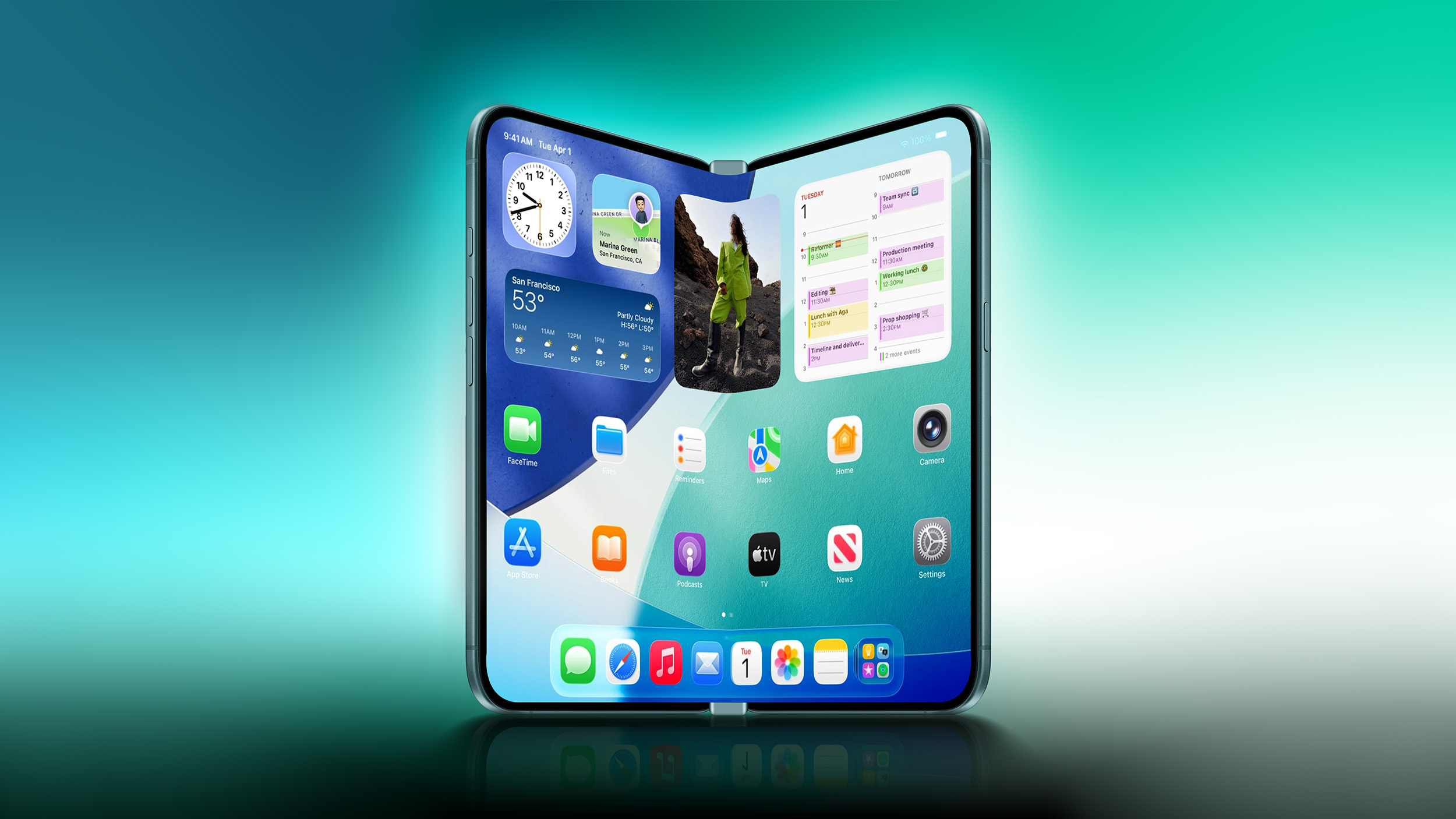
Gurman, known for his accurate insights into Apple's internal workings, shared these revelations in his latest "Power On" newsletter. His report paints a vivid picture of Apple's long-term vision for the foldable category, signaling a strategic commitment to this groundbreaking form factor. This isn't just a one-off experiment; it's a carefully considered progression that aims to redefine the smartphone experience. The initial foldable iPhone, anticipated to make its debut this year, is described as featuring the device's first "truly revolutionary design change," setting the stage for subsequent generations to build upon this innovative foundation.
The excitement isn't just about the first model. Gurman's intelligence confirms that Apple already has a clear trajectory spanning two generations beyond the initial release. A second-generation foldable model is reportedly slated for 2027, followed by the ambitious third version emerging as early as 2028. This multi-year plan underscores Apple's meticulous approach, often opting to perfect technology before widespread adoption, rather than rushing to market. It suggests that Apple views foldables not as a niche product, but as a significant pillar of its future mobile strategy, potentially sitting alongside or even eventually replacing the traditional iPhone form factor.
The Vision for the Third Generation: Bigger and Better Displays
As we look further down Apple's projected roadmap to 2028, the third-generation foldable iPhone promises an even more refined and expansive user experience. While specific dimensions are yet to be disclosed, Gurman's report indicates that this iteration will boast "slightly larger displays on both the inside and the outside" compared to its predecessors. This detail is crucial because it speaks to Apple's likely strategy of progressively enhancing the utility and immersion of its foldable devices.
Consider the starting point: the first foldable iPhone is expected to launch with a 7.8-inch inner display and a 5.5-inch cover display. These dimensions already offer a significant screen real estate. The 7.8-inch internal display, when unfolded, would provide a canvas akin to a small tablet, ideal for multitasking, consuming media, or detailed productivity tasks. The 5.5-inch cover display, on the other hand, ensures that the device remains perfectly usable as a traditional smartphone when folded, allowing for quick checks of notifications, answering calls, or sending brief messages without needing to open the device.
What "Slightly Larger Displays" Could Mean for Users
An increase in these dimensions for the third generation would build upon an already impressive foundation. A slightly larger internal display could push the boundaries closer to an 8-inch tablet experience, making it even more compelling for activities like reading e-books, viewing complex spreadsheets, or immersive gaming. Imagine the difference an extra half-inch or even an inch could make in split-screen applications, allowing more content to be visible simultaneously without feeling cramped.
Similarly, a larger cover display could transform the external experience. If the current 5.5-inch is comfortable, an increase might allow for more functional widgets, a better keyboard experience for quick typing, or even full app experiences without needing to unfold the device at all. This evolution suggests Apple is not only focused on the "wow" factor of folding but also on optimizing the practical utility of both folded and unfolded states, learning from user feedback and technological advancements between each generation. This report marks the first time that plans for a third-generation foldable model have been laid out, extending Apple's projected roadmap a full year beyond previous speculations, solidifying their commitment to the foldable frontier.
The Groundwork: Apple's First Foldable iPhone (Expected This Year)
Before we arrive at the expansive displays of 2028, it’s essential to understand the groundbreaking device that will set the stage: the first foldable iPhone, expected to debut this year. This initial model is poised to introduce a "iPhone Ultra" moniker, signaling its premium positioning and potentially a new category within Apple's vast product line-up. With a price point expected to be around or above $2,000, it will undoubtedly target early adopters and those seeking the pinnacle of mobile technology.
Key Features and Specifications of the First Generation
Gurman's report outlines several intriguing specifications for this inaugural foldable:
- Ultra-Thin Design: Apple is renowned for its industrial design, and an "ultra-thin" foldable would be a testament to its engineering prowess. Achieving thinness in a foldable device presents significant challenges, particularly concerning hinge mechanisms, battery placement, and display durability. An ultra-thin design would likely leverage advanced materials and sophisticated hinge technology to minimize the device's thickness when folded, making it more pocketable and aesthetically pleasing than some bulkier competitors. This focus on thinness aligns with Apple's consistent design philosophy, which prioritizes elegance and portability.
- Touch ID Instead of Face ID: This is a notable departure from recent flagship iPhones. The integration of Touch ID, likely embedded in the power button or under the display, could be a strategic choice driven by the complexities of integrating Face ID into a flexible display or the upper bezel of a foldable device. Flexible display technologies, especially in their early stages, can present challenges for the depth-sensing cameras required for Face ID. Touch ID, a mature and reliable technology, offers a robust alternative, ensuring secure authentication without compromising the innovative design. This decision could also contribute to an "all-screen" aesthetic, maximizing display real estate.
- The A20 Chip: Powering this revolutionary device will be the A20 chip, Apple's latest-generation silicon. This custom-designed processor is expected to deliver unparalleled performance, efficiency, and advanced AI capabilities. For a foldable phone, such raw power is essential not just for smooth operation and demanding apps, but also for optimizing the complex software interactions required for a dynamic, folding display. The A20 chip would enable seamless transitions between folded and unfolded modes, robust multitasking, and potentially new generative AI features that leverage the device's unique form factor.
- C2 Modem: Connectivity is paramount for modern smartphones, and the inclusion of the C2 modem suggests top-tier network performance. This modem would ensure blazing-fast 5G speeds, improved reliability, and potentially support for future wireless standards. For a device positioned at the cutting edge, superior connectivity is non-negotiable, supporting cloud-based services, high-definition streaming, and responsive online gaming.
- Display Dimensions: As mentioned, the first foldable iPhone is expected to feature a 7.8-inch inner display and a 5.5-inch cover display. These dimensions strike a balance, offering a substantial tablet-like experience when open, while maintaining a manageable, traditional smartphone size when closed. This dual-screen approach maximizes versatility, allowing users to choose the optimal display size for any given task. The larger inner screen will be a haven for productivity and content consumption, while the outer display offers quick accessibility.
The Evolution: The Second-Generation Foldable (2027)
Following the much-anticipated debut of the first foldable iPhone, Apple's roadmap continues its progression with a second-generation model planned for 2027. This iteration, reportedly named the "iPhone Ultra 2," has already received formal approval for development, a significant milestone confirmed by the Weibo leaker known as "Digital Chat Station." This early approval underscores Apple's strategic planning and confidence in the foldable category's potential.
Key Characteristics of the iPhone Ultra 2
One of the most interesting details about the iPhone Ultra 2 is the expectation that it will "likely reuse the first-generation model's display." At first glance, this might seem counter-intuitive for an Apple product, which often pushes for radical upgrades with each new generation. However, this approach can be interpreted in several strategic ways:
- Focus on Refinement: Reusing the display technology allows Apple's engineers to concentrate on other critical areas for improvement. This could include enhancing the hinge durability, refining the overall industrial design, optimizing battery life for the unique power demands of a foldable, or significantly upgrading the camera system. Rather than reinventing the wheel with display tech, Apple might aim to perfect the user experience around the existing screen.
- Cost Management: Developing and manufacturing flexible displays is incredibly expensive. By reusing the first-generation display, Apple could potentially reduce production costs, making the second-generation device either more profitable or allowing for a slightly more accessible price point compared to its predecessor (though still likely premium).
- Maturity of Display Technology: The first-generation display, likely a cutting-edge panel, might still represent the peak of what's feasible or economically viable just a year later. Apple tends to adopt technologies once they reach a certain level of maturity and reliability, and their initial foldable display could be designed with longevity in mind.
- Software Optimization: With a consistent display architecture, Apple can dedicate more resources to perfecting iOS's interaction with the foldable form factor. This includes refining multitasking features, ensuring app compatibility, and introducing new software functionalities that leverage the unique capabilities of the folding screen, creating a more seamless and intuitive user experience.
A Special Launch Alongside the 20th-Anniversary iPhone
The iPhone Ultra 2 is expected to launch in Fall 2027, a particularly significant timing as it coincides with the release of the 20th-anniversary iPhone. Apple has a history of marking major anniversaries with special, innovative products, as seen with the iPhone X. This dual launch could signal a strategic move:
- Showcasing Innovation: Launching a foldable alongside a commemorative traditional iPhone would allow Apple to showcase its innovation on two fronts. The anniversary iPhone might represent the pinnacle of conventional smartphone design, while the iPhone Ultra 2 would represent the future, offering a glimpse into what's next.
- Catering to Different Markets: This strategy would cater to different consumer segments. Those who prefer the established and highly refined traditional iPhone experience would have a top-tier option, while those eager for bleeding-edge technology and a new form factor would be drawn to the foldable.
- Elevating Both Products: The combined launch could generate immense buzz, cross-promoting both devices and reinforcing Apple's image as a leader in both traditional and emerging mobile technologies. It could position the foldable as a natural extension of the iPhone legacy, rather than a completely separate entity.
The Broader Foldable Landscape and Apple's Strategic Entry
Apple's measured approach to the foldable market stands in stark contrast to some of its competitors, who have been releasing foldable devices for several years. Companies like Samsung, Huawei, Google, Xiaomi, and Motorola have already established a presence, offering a variety of foldable form factors, from book-style foldables like the Samsung Galaxy Z Fold to flip-style compact devices like the Galaxy Z Flip and Motorola Razr. This existing market provides Apple with invaluable insights into consumer preferences, durability challenges, and software requirements.
Learning from the Competition
Apple has a historical pattern of not being the first to market with a new technology, but rather waiting until the technology matures and they can deliver a polished, superior user experience. This "fast follower" strategy has served them well with MP3 players, smartphones, and smartwatches. By entering the foldable market later, Apple can:
- Avoid Early Pitfalls: Early foldable phones faced significant durability issues, including screen creasing, hinge failures, and dust ingress. Apple can learn from these mistakes and design a more robust and reliable device from day one, leveraging advanced materials and engineering techniques.
- Refine Software Experience: Optimizing an operating system for a folding screen is complex. Apple has the advantage of observing how Android has adapted to foldables, allowing them to craft a seamless and intuitive iOS experience that leverages their deep integration of hardware and software. Multitasking, app continuity, and unique UI elements can be perfected.
- Leverage Supply Chain: As foldable display technology becomes more mature, the supply chain for components like flexible OLED panels and advanced hinge mechanisms becomes more robust and potentially more cost-effective. Apple's immense buying power can then secure the best components at scale.
Apple's Differentiation Strategy
When Apple does enter a market, it typically aims to redefine it. How might the iPhone Ultra differentiate itself in an already crowded foldable space?
- Uncompromising Quality and Durability: Apple's reputation for premium build quality and rigorous testing will likely translate to a foldable device that sets new standards for durability and longevity, addressing a key concern for potential foldable buyers.
- Seamless Software Integration: The tightly integrated iOS ecosystem, combined with Apple's powerful custom silicon, will enable a fluid and optimized software experience specifically tailored for the foldable form factor. This includes how apps adapt between folded and unfolded states, enhanced multitasking gestures, and potentially new interaction modes.
- Privacy and Security: Apple's unwavering commitment to user privacy and security will extend to its foldable devices, providing users with peace of mind in an increasingly data-conscious world.
- Ecosystem Advantage: The foldable iPhone will seamlessly integrate with Apple's vast ecosystem of devices and services—Apple Watch, AirPods, Macs, Apple TV, iCloud, and more—offering a cohesive user experience that competitors often struggle to match.
- Long-Term Support: Apple's devices are known for receiving many years of software updates, a promise that would extend to its foldable phones, ensuring a prolonged lifespan and sustained value for a premium-priced device.
Challenges and Future Possibilities
Despite the immense potential, Apple's journey into the foldable market is not without its challenges. The very nature of flexible displays and complex hinge mechanisms introduces engineering hurdles that Apple will need to consistently overcome through each generation.
Overcoming Engineering Hurdles
- Display Durability: While flexible OLED technology has improved, ensuring the longevity and scratch resistance of a display that is constantly folding and unfolding remains a primary concern. Apple will need to develop or source advanced ultra-thin glass (UTG) solutions or alternative protective layers that can withstand millions of folds without visible degradation. The crease at the fold point is also an area where Apple will likely strive for near-invisibility.
- Hinge Longevity: The hinge is the heart of any foldable device. Apple's hinge design will need to be incredibly robust, precise, and capable of enduring years of daily use without loosening or failing. Furthermore, it must contribute to the "ultra-thin" design while effectively supporting the display.
- Battery Life: Foldable phones often feature larger overall screen areas and potentially two separate displays (inner and outer), which can be power-intensive. Balancing a sleek, thin design with sufficient battery capacity to power these elements for a full day of use will be a significant engineering feat. The A20 chip's efficiency will play a crucial role here.
- Thermal Management: Packing powerful chips and multiple displays into a thin, folding chassis can lead to thermal challenges. Effective heat dissipation is vital to maintain performance and prevent discomfort for the user.
Software Innovation for the Evolving Form Factor
Beyond hardware, the true magic of an Apple foldable will lie in its software. iOS will need to evolve profoundly to fully leverage the unique capabilities of a folding screen.
- Adaptive UI: Seamless transitions between folded and unfolded states are paramount. Apps need to gracefully resize, reorient, and adapt their layouts without jarring jumps or glitches. This requires deep integration at the operating system level.
- Enhanced Multitasking: The larger inner display is ripe for advanced multitasking. Apple could introduce new split-screen modes, floating windows, or unique app pairs that are intuitive and powerful, perhaps even leveraging Apple Pencil support for enhanced productivity.
- Continuity Features: Imagine starting a task on the smaller cover screen and having it instantly and seamlessly expand to the larger inner display upon unfolding, picking up exactly where you left off. This "app continuity" is a cornerstone of the foldable experience.
- New Interaction Modes: Foldables enable unique postures (e.g., tent mode, laptop mode). iOS could introduce specific features or interfaces optimized for these modes, such as a dedicated media player in tent mode or a virtual keyboard split across two halves of the screen in laptop mode.
Future Foldable Forms
Looking beyond 2028, the "iPhone Ultra" series could branch out into even more innovative designs. We might see:
- Tri-fold Devices: A device that folds twice, offering an even larger tablet-like canvas when fully unfolded, while still maintaining a compact form factor when completely closed.
- Rollable Displays: While speculative, Apple has patented rollable screen technology. A device where the screen extends or retracts from a compact housing could offer dynamic resizing without a visible crease.
- Alternative Hinge Mechanisms: Exploration of different hinge designs, perhaps even more seamlessly integrated or allowing for a completely gap-less fold.
Conclusion: A New Era for Apple and Mobile Technology
The detailed roadmap for Apple's foldable iPhone, extending all the way to a third-generation model in 2028, marks a significant moment in the evolution of mobile technology. Gurman's reports from Bloomberg confirm that Apple is not just dipping its toes into the foldable market; it's diving in with a clear, multi-year strategy aimed at perfecting this innovative form factor. From the anticipated "truly revolutionary design change" of the first Foldable iPhone expected this year, through the refined second generation in 2027, to the expansive displays of the "iPhone Ultra 3" in 2028, Apple is poised to reshape our expectations for smartphones.
This calculated progression reflects Apple's characteristic patience and commitment to delivering highly polished products. By observing the early struggles and successes of competitors, Apple aims to enter the market with devices that offer unparalleled quality, seamless software integration, and a user experience that only its tightly controlled ecosystem can provide. The focus on larger displays for the third generation highlights a consistent ambition to maximize utility and immersion, offering users a device that effortlessly transitions between a pocketable smartphone and a mini-tablet.
As we anticipate the arrival of the first "iPhone Ultra" and watch its subsequent evolution, it's clear that Apple's entry will not only legitimize the foldable category further but also push the boundaries of design, engineering, and software innovation across the entire industry. The future of the iPhone is folding, and Apple's long-term vision promises an exciting new era for mobile technology. Keep an eye on this space; the coming years will undoubtedly unveil some of the most exciting advancements we've seen in mobile computing in decades.
Discuss this article in our forums
from MacRumors
-via DynaSage
