
BMW Owners Angry Over Spider-Man Ads Appearing on Dashboard Screens
BMW Drivers Furious Over Unexpected Spider-Man Ads on Their Dashboard Screens
Imagine settling into your luxurious BMW, ready to embark on a journey, only to be greeted by an unsolicited advertisement for a superhero movie flashing across your car's infotainment system. This exact scenario has become a frustrating reality for many BMW owners worldwide, sparking outrage and a heated debate about the future of in-car user experience. Drivers are understandably upset that their premium vehicles, which represent a significant investment, are now being used as platforms for commercial promotions without their explicit consent.
The controversy centers around an advertisement for Spider-Man: Brand New Day. This isn't just a subtle banner or a small icon; it's a full-fledged, in-your-face notification that appears when you start your car. And if you dare to tap it, you're treated to a 19-second animated spectacle, complete with accompanying music and a synchronized light show orchestrated by the ambient lighting system within your vehicle. For many, this intrusive display crosses a line, transforming a personal driving space into a commercial billboard.
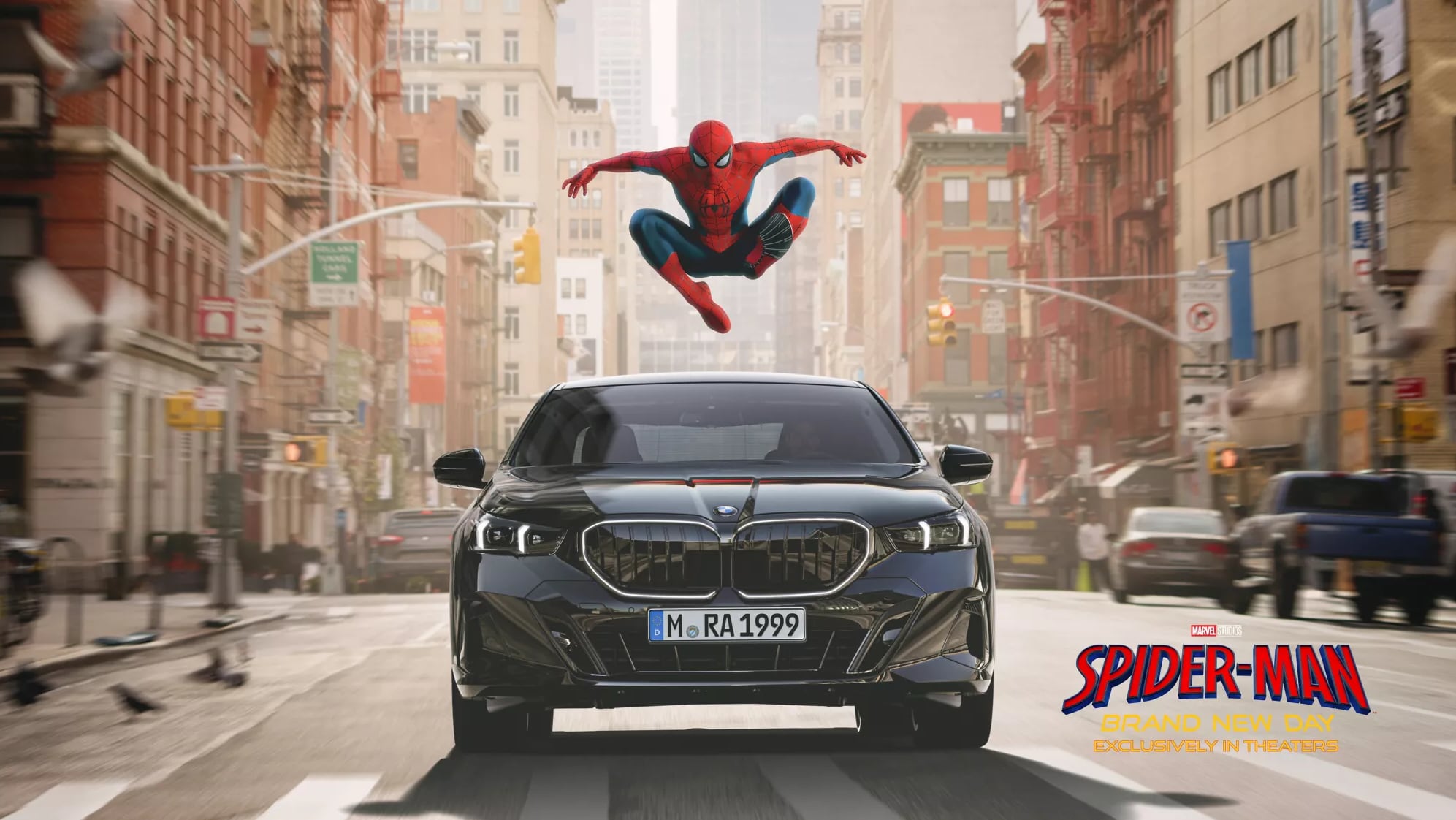
The Unwelcome Promotion: What Drivers Are Experiencing
This particular Spider-Man promotion began rolling out on July 27th and is scheduled to continue its run through August 10th. The campaign isn't limited to a small test group; it's being pushed to compatible vehicles in over 70 markets globally. Specifically, cars built after July 2020 and equipped with BMW Operating System 7 or newer are displaying this unsolicited Spider-Man content. This wide reach means a substantial portion of BMW's recent customer base is being directly affected, leading to a widespread feeling of betrayal among owners who expect a certain level of privacy and control over their high-end vehicles.
The ad's appearance as a notification upon startup is particularly jarring. For many drivers, the first moments in their car are about preparation, focus, and setting the tone for their drive. Instead, they are met with a digital pop-up that, if interacted with, takes over the entire display. The 19-second animation, while perhaps visually engaging for some, disrupts the intended use of the infotainment system, which is typically for navigation, media control, or vehicle settings. The inclusion of music and a light show further blurs the line between a subtle partnership announcement and an undeniable commercial, making it feel less like a "special surprise" and more like an unwelcome intrusion.
A Chorus of Disapproval: Voices from the Road
The reaction from BMW owners has been swift and overwhelmingly negative. Social media platforms, particularly communities like BMW owners on Reddit, have become a hub for shared frustration and outrage. Drivers are expressing a range of emotions, from sheer annoyance to outright anger, regarding the unsolicited ad appearing in their personal vehicles.
One Reddit user eloquently captured the sentiment, calling the move "classless and tacky" for a car that can easily cost over $100,000. This comment highlights a crucial aspect of the luxury car market: customers pay a premium not just for performance and aesthetics, but also for a refined, exclusive, and unblemished user experience. The introduction of ads, especially in such an overt manner, is seen as a devaluation of that premium experience and a betrayal of the trust placed in the brand.
Another user simply described the situation as "disgusting," a powerful word that conveys the deep sense of displeasure. This isn't merely an inconvenience; for many, it's an affront to their ownership rights and the expectation that their expensive vehicle is free from commercial exploitation. The idea of a luxury car acting as a moving billboard, even if it's for a high-profile movie, feels profoundly out of place and disrespectful to the brand's image and its loyal customer base.
Beyond expressing frustration, many owners are also demanding practical solutions. A common request across various discussions is the urgent need for an opt-out button. The absence of a simple way to decline such content, or to prevent it from appearing in the first place, exacerbates the feeling of a forced experience. This lack of control further fuels the anger, as customers feel powerless to prevent commercial content from intruding on their personal space. Furthermore, a significant number of users have expressed concerns that this Spider-Man promotion could be just the beginning, predicting that more ads will be shown in the future. This fear of a "slippery slope" into a future filled with constant in-car advertising is a major point of anxiety for many.
Echoes of the Past: The Apple U2 Parallel
The current BMW situation has drawn striking comparisons to another infamous incident of unsolicited digital content: Apple's push of the U2 album "Songs of Innocence" to all iTunes users back in 2014. For those who remember, Apple automatically downloaded the album to users' iTunes libraries, making it appear as if they had acquired it willingly. While the intention might have been a generous gift, the execution was widely perceived as an invasion of privacy and a lack of respect for user choice.
The U2 album incident led to widespread backlash, primarily because Apple did not provide an immediate option for users to decline or delete the album. Millions woke up to an album they hadn't chosen, cluttering their digital collections. The frustration was palpable, as users felt their personal digital space had been unilaterally altered. Apple ultimately did add a tool specifically for deleting the album, but the damage to user trust had already been done.
The parallels with BMW's situation are evident. In both cases, a major brand unilaterally delivered content to its users' personal devices (or vehicles), bypassing direct consent. While BMW's ad requires a tap to play the full animation, the initial notification is still intrusive and unwanted by many. The core issue remains the same: a feeling of a brand overstepping its bounds and dictating what content users should receive, rather than offering choices. This historical precedent from Apple serves as a stark reminder of how quickly user goodwill can erode when companies fail to respect the autonomy and preferences of their customer base.
BMW's Stance: "Special Surprise" or Shrewd Marketing?
In the midst of the escalating customer complaints, BMW issued a press release in late July, aiming to frame the campaign in a positive light. The company highlighted its partnership with Spider-ManTM: Brand New Day and claimed the animation was an "exclusive Spider-Man animation" intended as a "special surprise" for BMW owners.
The press release offered specific details on how the content is presented:
To celebrate the partnership with Spider-ManTM: Brand New Day, BMW has a special surprise for its drivers. [...] Starting the car brings up a special banner in the Control Display. Clicking on it then activates the Spider-ManTM animation, comprising a full-screen festive animation in the Control Display with aptly chosen backing music and an accompanying light show courtesy of the ambient lighting system.
This framing, however, starkly contrasts with the customer experience. What BMW describes as a "special surprise" is widely perceived by drivers as an uninvited commercial. The language used in the press release—"festive animation" and "aptly chosen backing music"—attempts to portray the content as a value-add, an enjoyable bonus for loyal customers. Yet, the reality for many is that it feels like an advertisement, plain and simple, pushing a commercial product in a space that should be free of such distractions.
The notification for the Spider-Man ad is indeed going out to compatible vehicles automatically. However, BMW notes that owners can avoid the full 19-second ad experience by simply not tapping the notification when it appears. Additionally, the animation has also been integrated into the "Festive app" within the in-car system, suggesting it might be presented as optional seasonal content rather than a direct ad.
In response to direct complaints, BMW reiterated its position to The Autopian, asserting that the Spider-Man animation is "not an ad" but rather "part of a broader brand partnership with the film." This explanation points to the fact that BMW vehicles also appear prominently in the Spider-Man movie, indicating a reciprocal marketing arrangement. While this clarifies the nature of the partnership from BMW's perspective, it does little to alleviate customer frustration, who still perceive the content on their dashboard as an advertisement for a third-party product.
BMW has, in the past, pushed similar animated videos for holidays, often framed as seasonal greetings or festive enhancements to the driving experience. However, car owners appear to find the Spider-Man video distinctly different and too close to a commercial. The key distinction, in the eyes of the consumer, is likely the promotion of a specific movie, a commercial product, rather than a generic seasonal message from BMW itself. This difference is critical in how the content is received and whether it's perceived as a "gift" or a "sale pitch."
The Slippery Slope: In-Car Advertising and Trust
One of the most concerning aspects for BMW owners, and indeed for anyone interested in the future of connected cars, is the precedent this Spider-Man campaign might set. As Daring Fireball aptly points out, BMW specifically stated in late 2023 that it would not sell advertising on its in-car displays. This earlier commitment, made by a BMW executive, now appears to be in direct conflict with the current campaign, even if BMW insists it's a "partnership" and not a "sale of advertising space."
This inconsistency raises serious questions about transparency and long-term intentions. If BMW, a premium brand, starts pushing "brand partnerships" that look and feel like ads, what prevents other manufacturers from doing the same, or even moving to outright selling ad space? The car, once a personal sanctuary, could quickly transform into another screen-filled environment constantly vying for our attention with commercial messages.
The fear among customers is that this is just the thin end of the wedge. If a movie advertisement is acceptable, what's next? Location-based ads for restaurants or shops as you drive by? Promotions for car washes, insurance, or even unrelated consumer products? The potential for monetization of the in-car experience is vast, and with it comes the risk of eroding the user's control and polluting the driving environment with unwanted commercial noise.
For luxury brands like BMW, maintaining an image of exclusivity and respect for the customer is paramount. Introducing commercial content, especially content that feels forced, directly undermines that image. Customers paying upwards of $50,000, $100,000, or even more for a vehicle expect a premium experience free from the irritations commonly associated with free or budget services. They are buying an experience of ownership, not a platform for third-party marketing.
The technical implementation also matters. The BMW notification is part of the default in-car operating system. This is crucial because it means the content is deeply integrated into the car's core functions and is not appearing as part of Apple's CarPlay system. BMW was one of the first companies to adopt CarPlay and has historically been an Apple partner. The fact that this ad comes from BMW's own system, rather than a third-party app, reinforces the perception that BMW itself is directly responsible for this intrusive content, rather than it being a byproduct of an external service. This deep integration makes it even more difficult for users to avoid or block the content, further exacerbating the feeling of being held captive by the car's software.
The Future of Connected Cars: Balancing Innovation with User Trust
The BMW Spider-Man ad controversy highlights a growing tension in the automotive industry: the balance between leveraging connectivity and digital capabilities, and respecting the privacy and preferences of vehicle owners. Modern cars are increasingly becoming connected devices, equipped with powerful infotainment systems, internet access, and sophisticated software. This opens up a world of possibilities for over-the-air updates, new features, and integrated services.
However, it also presents new challenges for car manufacturers. How do they monetize these capabilities without alienating their customer base? The temptation to generate additional revenue streams through advertising, subscriptions for features, or data collection is strong. Yet, the backlash against BMW's Spider-Man ad serves as a powerful reminder that customers expect their relationship with their car to remain distinct from their relationship with a social media platform or a free app.
For a car, which often represents a significant emotional and financial investment, owners expect a level of control and a freedom from unsolicited commercial messaging that they might tolerate elsewhere. The interior of a car is often seen as a private space, an extension of one's home or office. Introducing pervasive advertising undermines this perception and can lead to a feeling of surveillance or commercial exploitation.
Moving forward, car manufacturers must prioritize transparency and user consent. If "brand partnerships" or "special surprises" are to be part of the in-car experience, they need to be opt-in, easily dismissible, and clearly differentiated from essential vehicle functions. Providing robust opt-out mechanisms, or even an option to decline all non-essential third-party content, would go a long way in rebuilding trust.
Furthermore, the language used by manufacturers needs to align with the customer experience. Calling something that looks and feels like an advertisement a "surprise" or a "festive animation" can come across as disingenuous, further fueling frustration. Honesty and clarity about the commercial nature of such content, coupled with clear options for users, will be crucial in navigating the evolving landscape of connected car services.
Conclusion: A Wake-Up Call for the Automotive Industry
The angry reaction from BMW owners regarding the Spider-Man ads is more than just a momentary blip; it's a significant wake-up call for the entire automotive industry. It underscores the deep value customers place on their ownership experience, particularly when it comes to luxury vehicles. For many, a premium car signifies an escape from the constant barrage of advertising that permeates other aspects of modern life. To have that sanctuary breached by an unsolicited commercial, even one tied to a popular superhero, is seen as a violation of that implicit understanding.
While BMW may genuinely view its Spider-Man content as a benign "brand partnership" or a "special surprise," the customer perception is overwhelmingly that of an ad. This disconnect highlights a critical failure in understanding the customer's perspective and the emotional investment in their vehicle. The precedent set by this campaign, coupled with BMW's previous assurances about not selling in-car ads, creates a sense of distrust and concern about what the future holds for in-car content.
As cars become increasingly connected and digitally integrated, the line between product and platform will continue to blur. It is imperative that car manufacturers prioritize user experience, privacy, and control above all else. Offering clear opt-out mechanisms, respecting stated preferences, and being transparent about the nature of in-car content are not just good practices; they are essential for maintaining brand loyalty and trust in an era where digital intrusion is a growing concern. The message from BMW owners is clear: their cars are for driving, not for advertising.
This article, "BMW Owners Angry Over Spider-Man Ads Appearing on Dashboard Screens" first appeared on MacRumors.com
Discuss this article in our forums
from MacRumors
-via DynaSage
