
Apple Watch Rethink Could See Debut of Round Model, Screenless Fitness Tracker, and More
Apple Watch Evolution: A Deep Dive into Radical New Designs and an AI-Powered Future
The Apple Watch, a cornerstone of Apple's innovative wearables ecosystem, might be on the cusp of its most significant transformation yet. According to insights from Bloomberg's renowned Apple expert, Mark Gurman, the tech giant is currently undertaking a comprehensive re-evaluation of its entire Apple Watch lineup. This isn't just about minor tweaks or incremental upgrades; we're talking about a potential overhaul that could redefine what a smartwatch from Apple truly looks like and how it functions.
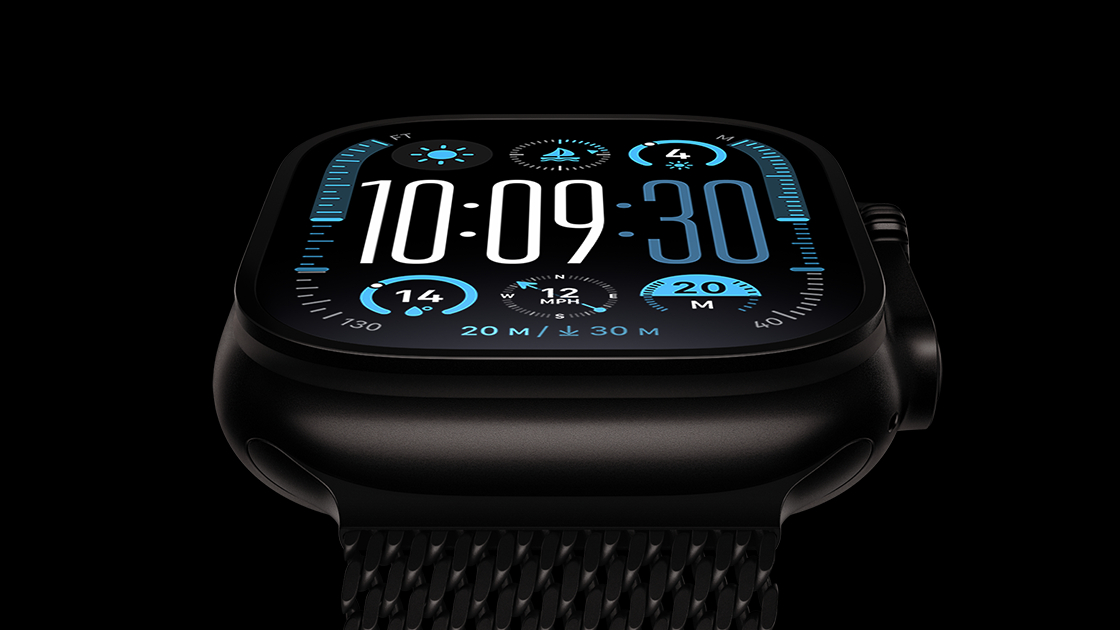
In a recent edition of his "Power On" newsletter, Gurman drew a striking parallel between these prospective changes for the Apple Watch and the "revolutionary design change" that a hypothetical foldable iPhone would represent. He described the ambition as creating "something that transforms the product for a new era." This statement alone speaks volumes, suggesting that Apple isn't merely looking to stay competitive but aims to set a completely new standard for smart wearables. The company's industrial design team has reportedly been "exploring a broader rethink of its smartwatches" for quite some time, evaluating numerous innovative directions.
This deep dive into the Apple Watch's future comes at a time when the wearables market is becoming increasingly diverse and competitive. The resurgence of fitness bands without screens and the rise of smart rings, which prioritize unobtrusive data collection and long battery life, appear to be significantly influencing Apple's strategic thinking. As a direct response to these market shifts and evolving consumer preferences, Apple is considering a range of new possibilities:
- New Apple Watch-style devices that feature no display at all.
- New Apple Watches that incorporate different types of screens.
- New Apple Watches in various new sizes to cater to a broader audience.
The company has also reportedly toyed with the idea of giving the Apple Watch a round display, a departure from its iconic rectangular aesthetic. However, Gurman noted that while considered, such a device is currently seen as unlikely to be released. Furthermore, Apple is exploring the possibility of introducing new premium variants designed to sit above the existing high-end Ultra and Hermès models, alongside even more affordable options that would slot in below the current Apple Watch SE.
While a definitive direction for the product line has not yet been solidified, there's a clear mandate within Apple: the company is "determined to reinvent the lineup in response to growing competition." A critical aspect of this reinvention is a planned shift towards making its wearables more AI-focused, coupled with ambitious long-term plans to completely revamp the Health app. This comprehensive strategy points to an exciting, potentially game-changing future for the Apple Watch, promising a device that is not only smarter but also more adaptable and personalized than ever before.
The Urgency for a "Revolutionary Design Change"
For years, the Apple Watch has enjoyed a dominant position in the smartwatch market, continually refining its design, enhancing its health tracking capabilities, and improving its performance. Yet, even industry leaders face plateaus. Mark Gurman's assertion that the Apple Watch revamp "could be as significant as the iPhone's transformation from a slab design into a foldable device" highlights the profound nature of the changes being considered. This comparison isn't made lightly; it suggests a fundamental shift in user interaction, form factor, and perhaps even the very purpose of the device.
Apple purportedly hopes to reinvigorate its Wearables, Home and Accessories segment, which has struggled to generate robust growth over recent years. While still a significant revenue driver, the segment's performance underscores the need for fresh innovation. The initial "wow" factor of a wrist-worn computer has matured, and consumers are now looking for more specialized, integrated, and seamless experiences. Competitors, ranging from niche fitness trackers to sophisticated smart rings, are chipping away at different aspects of the market, forcing Apple to reconsider its all-encompassing approach.
A "new era" for the Apple Watch likely signifies a move beyond simply being a notification hub and a fitness tracker. It points towards a future where the device becomes an even more integral and intelligent part of our daily lives, perhaps even anticipating our needs through advanced AI and existing in forms that are less obtrusive and more tailored to individual lifestyles. This proactive stance is typical of Apple, which often prefers to define new categories rather than merely react to existing trends.
Exploring Radical Form Factors: Beyond the Screen
One of the most intriguing possibilities discussed by Gurman is the consideration of new Apple Watch-style devices with "no display." This concept marks a significant departure from the conventional smartwatch and clearly indicates Apple's serious response to the success of minimalist fitness bands and smart rings. Devices like the Oura Ring, Whoop, and various Fitbit models have demonstrated a strong market appetite for wearables that prioritize subtle, continuous health monitoring and extended battery life over a vibrant, interactive screen.
The Rise of Screenless Wearables
Why would Apple, a company synonymous with beautiful displays, explore a screenless device? The answer lies in several key advantages:
- Unobtrusive Monitoring: A screenless device can be designed to be much smaller, lighter, and more comfortable. It can blend seamlessly into daily life, providing continuous health data (heart rate, sleep patterns, activity levels) without requiring constant visual interaction. This is particularly appealing for sleep tracking, where a bright screen can be disruptive, or for users who simply prefer not to have another screen demanding their attention.
- Extended Battery Life: The display is often the biggest power consumer in a smartwatch. Eliminating it could dramatically extend battery life, moving from multi-day to potentially multi-week or even multi-month durations. This would significantly reduce "charge anxiety" and make the device truly a "wear-and-forget" accessory for many users.
- Affordability: Removing the display, a costly component, could allow Apple to introduce a genuinely affordable entry point into its wearables ecosystem. This could attract new users who are price-sensitive or who only need basic health and activity tracking without the full suite of smartwatch features.
- Focus on Data and AI: Without a screen, the device's primary function would be data collection and discreet feedback. This pushes the intelligence to the accompanying iPhone app, where AI could analyze the data to provide deep, personalized insights and proactive health advice. Notifications could be delivered through haptic feedback, subtle vibrations that convey information without a visual cue.
Imagine an Apple Ring or a minimalist Apple Band that monitors your sleep quality, tracks your steps, measures your blood oxygen, and alerts you to important health trends, all while remaining almost imperceptible. This could be a game-changer for people seeking passive health management or specific niche activities where a full smartwatch might be cumbersome.
New Screen Types and Sizes: Expanding the Visual Horizon
Conversely, Apple is also looking at "new Apple Watches with different types of screen and various new sizes." This indicates a desire to cater to a broader spectrum of user preferences and use cases, moving beyond the current standard offerings.
- Diverse Screen Technologies: While OLED is excellent, future Apple Watches might explore other display technologies. Perhaps a secondary, low-power e-ink display for always-on information without significant battery drain, or even more flexible and durable screen materials. The exploration might also extend to micro-LED, offering even greater brightness, efficiency, and color accuracy in the long term.
- Ergonomics and Aesthetics: Different screen types could enable new form factors. Imagine a display that wraps further around the wrist, offering more screen real estate in a compact package, or a more subtly curved display that sits more flush with the wrist for enhanced comfort and aesthetics.
- Varied Sizes for All Wrists: The current Apple Watch comes in a few sizes, but there's still a gap. Some users find even the smallest models too large for their petite wrists, while others desire an even larger display for more information at a glance, better battery life, or easier interaction during activities. Expanding the range of sizes could make the Apple Watch truly inclusive, ensuring a perfect fit and ideal user experience for everyone, regardless of wrist circumference. This could also include larger, more rugged "Ultra" type watches for specific outdoor activities or professional use cases where durability and data visibility are paramount.
This dual approach – exploring both screenless devices and devices with more varied and advanced screens – showcases Apple's commitment to diversifying its wearable offerings to capture a wider range of consumer needs and preferences. It's a recognition that "one size fits all" is no longer sustainable in a rapidly evolving market.
The Allure and Unlikelihood of a Round Apple Watch
The notion of Apple considering a "round display" for the Apple Watch has periodically surfaced, and Gurman's report confirms that it has indeed been contemplated. For many, a round watch face represents the quintessential timepiece, embodying traditional aesthetics and a sense of timeless elegance. Adopting a circular design could certainly broaden the Apple Watch's appeal, particularly among consumers who prefer the classic look of a conventional watch over the modern, rectangular smartwatch.
Why a Round Design Appeals:
- Traditional Aesthetics: Many users find round watches more aesthetically pleasing and versatile for various fashion styles. It’s a classic silhouette that instantly evokes a sense of familiar elegance.
- Broader Market Appeal: Entering the round watch market could attract a segment of users who have resisted the Apple Watch primarily due to its rectangular shape, preferring competitors that offer circular displays (like many Samsung Galaxy Watch models or Google's Pixel Watch).
- Brand Differentiation: While Apple has cultivated a distinctive design language, a round option could offer a fresh visual identity for a premium tier or specific collection.
The Challenges and Why it's Unlikely:
However, Gurman's caution that such a device is "unlikely to be released" is well-founded, pointing to several significant hurdles:
- Software and UI/UX Adaptation: Apple's entire watchOS ecosystem, from app layouts to complications and notification displays, has been meticulously designed for a rectangular screen. Adapting this sophisticated software to a circular display would require a monumental redesign. Apps would need to be rethought, and UI elements like text and images would have to be optimized to avoid awkward cropping or wasted space on the curved edges.
- Existing Ecosystem and Developer Support: The vast library of existing Apple Watch apps and watch faces would need to be re-engineered. This would place a significant burden on developers and could fragment the user experience, potentially leading to a less cohesive ecosystem.
- Apple's Design Philosophy: Apple has consistently favored minimalist, functional, and often rectangular designs across its product lines (iPhone, iPad, Mac). A radical shift to a round display for a core product like the Apple Watch would represent a significant departure from this established design language and brand identity. It would require a deep philosophical change within the company's industrial design team.
- Technical Hurdles: While circular displays are common, integrating all of Apple's advanced sensors, haptic engine, and battery efficiently into a perfectly round case while maintaining its slim profile presents unique engineering challenges.
Given these complexities, it's understandable why Apple might explore the idea but ultimately decide against it. The investment required for a round Apple Watch might not justify the potential market gain, especially if it compromises the established user experience and developer ecosystem. Apple typically introduces changes that enhance, rather than complicate, its product lines.
Expanding the Apple Watch Product Tier Strategy
Beyond changes to form factors, Apple is also considering an expansion of its product tiers, aiming to capture both the ultra-premium and the entry-level segments of the market. This strategy is a testament to the diverse needs and budgets of potential customers, mirroring its approach with the iPhone lineup (SE, standard, Pro, Pro Max).
New Premium Variants: Above Ultra and Hermès
The idea of "new premium variants designed to sit above the Ultra and Hermès models" suggests Apple sees untapped potential in the luxury and specialized high-end markets. The Apple Watch Ultra has proven there's demand for a more rugged, feature-rich, and premium-priced Apple Watch. An even more exclusive tier could take this concept further:
- Exotic Materials: This could involve using even more luxurious and durable materials than titanium, such as advanced ceramic compounds, specialized alloys, or perhaps even limited-edition precious metals. Imagine an Apple Watch crafted from liquid metal or with components traditionally found in haute horlogerie.
- Exclusive Features and Sensors: These ultra-premium models might integrate cutting-edge, experimental health sensors not yet ready for mass production, or offer exclusive software features catering to highly specific professional or lifestyle needs (e.g., advanced diving computer functionalities, professional medical monitoring, bespoke artistic complications).
- Limited Editions and Collaborations: Similar to its Hermès partnership, Apple could explore collaborations with other luxury brands, designers, or even institutions to create highly exclusive, limited-run models that command a significant premium.
- Target Audience: These devices would likely target discerning customers for whom price is less of a concern than exclusivity, ultimate durability, cutting-edge technology, or high fashion. It's about offering a status symbol that also delivers unparalleled functionality.
This move would allow Apple to increase its average selling price for watches and further solidify its position in the luxury tech segment, drawing parallels to its strategy with the iPhone Pro Max and Mac Studio lines.
Even More Affordable Options: Below Apple Watch SE
On the other end of the spectrum, Apple is contemplating "even more affordable options in addition to the Apple Watch SE." The Apple Watch SE currently serves as the entry-level model, offering core smartwatch features at a more accessible price point. A device positioned below the SE would aim to capture an even wider audience, particularly those in emerging markets, younger users, or individuals with stricter budgets.
- Streamlined Feature Set: To achieve a lower price, this device would likely strip down some advanced features found in the SE and higher-end models. This could mean fewer sensors (e.g., no ECG, no blood oxygen), a less powerful processor, or simpler materials.
- Focus on Essentials: The primary focus would be on essential functionalities: basic activity tracking (steps, calories, workout tracking), heart rate monitoring, notifications, and perhaps limited cellular connectivity options. It would serve as an excellent gateway into the Apple ecosystem for health and basic communication.
- Direct Competition: This move would allow Apple to directly compete with lower-cost fitness trackers and smartwatches from brands like Fitbit, Xiaomi, and Huawei, which often offer basic functionality at very attractive prices.
- Target Audience: Ideal for first-time smartwatch buyers, students, or users who primarily want a reliable activity tracker with basic smart features and seamless integration with their iPhone, without the need for advanced health diagnostics or always-on displays.
By expanding both ends of the product spectrum, Apple aims to ensure that there's an Apple Watch for nearly every consumer, solidifying its market dominance through comprehensive coverage across all price points and user needs. This strategy is crucial for sustaining growth in the wearables market, especially as competition intensifies from diverse product categories.
The AI-Focused Future and a Revamped Health App
A core component of Apple's long-term vision for its wearables is a strong emphasis on artificial intelligence, coupled with ambitious plans to revamp the Health app. This isn't merely about adding new features; it's about fundamentally transforming how the Apple Watch interacts with users and how it contributes to their well-being.
AI at the Core of Wearables
The move towards "more AI-focused wearables" suggests a shift from passive data collection to proactive, personalized insights. AI will be crucial for making sense of the vast amounts of biometric data collected by the Apple Watch, regardless of its form factor (screened or screenless). Specific applications of AI could include:
- Proactive Health Insights: Instead of simply showing data, AI could analyze trends over time, identify subtle changes that might indicate health issues, and offer actionable advice. For example, it could detect early signs of illness, flag unusual heart patterns, or predict periods of low energy based on sleep and activity.
- Personalized Coaching: AI could act as a personal health and fitness coach, tailoring workout recommendations, suggesting dietary adjustments, and providing personalized motivational nudges based on individual goals, progress, and even mood detected through various metrics.
- Predictive Health: Building on insights from anonymized population data, AI could help predict individual health risks and recommend preventive measures, empowering users to take control of their health before problems arise.
- Enhanced Anomaly Detection: Advanced AI algorithms could become even more sophisticated at detecting life-threatening conditions like atrial fibrillation or falls, and rapidly alert emergency services or designated contacts.
- Smarter Siri and Interactions: AI will likely power a more intelligent and context-aware Siri on the watch, enabling more natural language interactions for setting goals, querying health data, or controlling smart home devices directly from the wrist, even on screenless models via voice commands.
This AI integration would make the Apple Watch not just a data logger but a truly intelligent companion, capable of understanding and responding to the nuances of individual health and lifestyle.
The Ambitious Health App Revamp
The "ambitious long-term plans to revamp the Health app" are inextricably linked to the AI-focused wearable strategy. The Health app is the central hub for all health data collected by the Apple Watch and other integrated devices. A revamp could involve:
- Personalized Dashboards: Moving beyond generic summaries to highly customizable dashboards that prioritize the most relevant health metrics and insights for each user.
- AI-Driven Recommendations: The app would leverage AI to provide personalized recommendations for improving sleep, increasing activity, managing stress, and maintaining overall well-being, presented in an easy-to-understand and actionable format.
- Improved Data Visualization: More intuitive and engaging ways to visualize complex health data, making it easier for users to track their progress, identify patterns, and understand the implications of their metrics.
- Seamless Integration with Medical Professionals: Enhanced features for securely sharing relevant health data with doctors or caregivers, facilitating better remote monitoring and more informed medical consultations. This could involve secure APIs and standardized data formats to ensure privacy and interoperability.
- Holistic Wellness Focus: Expanding beyond purely physical metrics to incorporate mental well-being, mindfulness, and environmental factors, offering a more complete picture of a user's health.
The ultimate goal appears to be a seamless, invisible health monitoring system where the Apple Watch (in any form factor) continuously collects data, AI interprets it, and the Health app provides intelligent, actionable feedback, transforming preventative care and personal wellness management.
Market Dynamics and the Road Ahead
The context for these radical explorations is the reported struggle for growth in Apple's Wearables, Home and Accessories segment. While still a powerhouse, the initial surge of adoption for wearables has matured, and sustaining high growth rates requires continuous innovation. The market is also more crowded than ever, with specialized competitors offering unique value propositions.
Companies like Samsung, with its diverse Galaxy Watch lineup, and Google, through Fitbit and the Pixel Watch, offer strong alternatives. Niche players such as Oura (smart rings), Garmin (sports watches), and Whoop (fitness trackers) excel in specific areas like passive monitoring or advanced athletic performance. Apple's "determination to reinvent the lineup in response to growing competition" is a clear indication that it understands the need to adapt and evolve its strategy to maintain its leadership position.
This competitive landscape, combined with the maturation of wearable technology and the growing potential of AI, creates a fertile ground for the kinds of radical changes Gurman describes. Apple is not just playing catch-up; it's looking to redefine the game. The long-term nature of these plans suggests that while some concepts might appear in the near future, others, like the truly transformative AI capabilities, could take years to fully materialize.
Conclusion: An Exciting, Evolving Future for the Apple Watch
The insights shared by Mark Gurman paint a vivid picture of a future where the Apple Watch is more diverse, intelligent, and integrated into our lives than ever before. From radical screenless designs that prioritize discreet monitoring and battery life, to expanded screen options and sizes that cater to every wrist and preference, Apple is rethinking the very essence of its leading wearable. The exploration of ultra-premium and ultra-affordable tiers underscores a strategy to broaden its market appeal, ensuring an Apple Watch experience is available for every budget and lifestyle.
Crucially, the ambition to make these wearables "more AI-focused" and to revamp the Health app signals a profound shift. The Apple Watch is evolving from a device that merely collects data to an intelligent companion that analyzes, anticipates, and guides users towards better health and well-being. While a round Apple Watch might remain a tantalizing but unlikely prospect, the sheer breadth of innovation being considered promises an incredibly exciting new chapter for Apple's most personal device.
As Apple strives to "reinvent the lineup" and reinvigorate its wearables segment, the coming years are set to bring about transformative changes. This strategic rethink is not just about incremental improvements; it's about pushing the boundaries of what a wearable can be, setting the stage for a new era of personal technology that is more intuitive, more personalized, and profoundly more capable of enhancing our lives.
This article, "Apple Watch Rethink Could See Debut of Round Model, Screenless Fitness Tracker, and More" first appeared on MacRumors.com
Discuss this article in our forums
from MacRumors
-via DynaSage
