
Will Elder Scrolls 6 And Fallout 5 Go Exclusive? Todd Howard Says It’s Too Early To Comment
Xbox's Shifting Sands: What the New Strategy Means for Your Favorite Single-Player Games
For years, the world of video games has been defined by console wars, where exclusive games were the ultimate weapons. If you wanted to play a certain game, you had to buy a specific console. But times are changing rapidly, and Xbox, a major player in this arena, appears to be rethinking its entire approach. Recent whispers and confirmed announcements suggest a significant shift in how Xbox plans to release its biggest games, especially those beloved single-player adventures that have captured our imaginations for countless hours.
This evolving strategy raises a crucial question for gamers everywhere: What will this new Xbox direction mean for its most anticipated single-player releases, like the next *Fallout* or *The Elder Scrolls*? Will they remain exclusive to Xbox consoles and PC, or will they venture onto PlayStation and Nintendo platforms? This isn't just a business decision; it’s a potential game-changer that could redefine how we experience our favorite stories and worlds.
Xbox's Journey: From Console Battles to Service Dominance
To truly understand the implications of Xbox's new path, it's helpful to look back at its history. When Microsoft first entered the console market with the original Xbox, it was a bold move into a space dominated by Sony's PlayStation and Nintendo. The early years were all about competing head-to-head, securing exclusive titles, and building a distinct identity.
Over time, Xbox carved out its niche, known for powerful hardware and iconic franchises like *Halo* and *Gears of War*. However, the landscape began to shift dramatically. Digital distribution became prevalent, and the internet transformed gaming into a connected experience. Xbox recognized these changes and started to innovate beyond just hardware.
The introduction of services like Xbox Live laid the groundwork for a future where online multiplayer and digital purchases were central. But the most significant transformation came with Xbox Game Pass. Launched in 2017, Game Pass wasn't just another subscription service; it was a bold statement. For a monthly fee, players gained access to a vast library of games, including new first-party titles on day one. This move positioned Xbox not just as a console maker, but as a premier gaming service provider, aiming to be the "Netflix of gaming."
This strategy was wildly successful, attracting millions of subscribers and becoming a cornerstone of Xbox's ecosystem. It allowed players to discover new games without additional cost, reducing the risk of trying out single-player experiences they might not have otherwise purchased. The promise of playing major new titles like *Starfield* or *Forza Motorsport* on release day as part of a subscription was a powerful incentive for many to invest in an Xbox console or a PC setup with Game Pass.
The "New" Xbox Strategy: Opening the Gates?
Fast forward to today, and the gaming world is abuzz with discussions about Xbox's next evolution. Reports and official statements from key figures like Xbox CEO Phil Spencer suggest a move towards making some of their previously exclusive games available on rival platforms. While not every Xbox title will go multiplatform, the focus seems to be on a select number of games, particularly those that have already had their moment on Xbox and PC, or those with significant single-player appeal.
This strategic pivot isn't a sudden decision; it's likely the result of various factors. One major consideration is the sheer cost of developing modern AAA games. Budgets for titles like *Starfield* or the upcoming *Fable* can easily exceed hundreds of millions of dollars. To recoup these investments and ensure profitability, reaching the widest possible audience becomes paramount. Limiting a game to a single console ecosystem, even with Game Pass, might not be enough to sustain the ever-growing development costs.
Another factor is market saturation. While Game Pass continues to grow, there might be a plateau in terms of readily accessible console subscribers. To continue expanding its reach and influence, Xbox might be looking to new revenue streams by selling its games to the millions of PlayStation and Nintendo Switch owners worldwide. This move effectively transforms Xbox into a more comprehensive publisher, similar to companies like Electronic Arts or Take-Two Interactive, that release games across all major platforms while still maintaining their own console and service offerings.
Furthermore, this strategy aligns with Microsoft's broader vision of reaching "billions of players." By removing console barriers for certain titles, they can bring their beloved franchises to a much larger global audience, fostering brand loyalty and potentially leading players to engage with their services like Game Pass or Xbox Cloud Gaming on other devices.
Potential Impacts on Single-Player Releases: A Double-Edged Sword
The implications of this multiplatform strategy for single-player games are complex, presenting both exciting opportunities and potential drawbacks.
The Upside: More Games, Wider Reach, Healthier Studios
- Wider Audience for Beloved Franchises: Imagine if the next *Fallout* game, or the highly anticipated *The Elder Scrolls VI*, were available not only on Xbox and PC but also on PlayStation 5. Millions more players would get to experience these incredible worlds, leading to larger communities, more discussions, and greater cultural impact. Games like *Hi-Fi Rush* and *Sea of Thieves* are already showing the benefits of this expansion, finding new fans on different consoles.
- Increased Revenue for Ambitious Projects: By tapping into the sales from other platforms, Xbox studios could see a significant boost in revenue. This increased funding could then be reinvested into future single-player games, allowing for even grander scales, more detailed worlds, and longer, richer experiences. It could mean fewer compromises during development and more resources for innovation.
- Better Support and Stability for Studios: The pressure on studios to deliver massive, console-selling exclusives might lessen. Instead, the focus could shift to simply making the best possible game, knowing it has a broader market to succeed in. This could lead to healthier work environments, more creative freedom, and greater stability for development teams, ultimately benefiting the quality of the games they produce.
- Breaking Down Console Barriers: For years, gamers have been divided by their console choice. A multiplatform approach for single-player games helps to bridge these divides, allowing friends who own different systems to discuss the same experiences and share their excitement. It fosters a more inclusive gaming community where the game itself is the focus, rather than the box it runs on. This is particularly true for story-driven, immersive single-player titles where the narrative and world-building are paramount.
- Extended Longevity and Cultural Relevance: When a single-player game is available on more platforms, it naturally reaches more people over a longer period. This extended reach can contribute to a game's cultural relevance, ensuring it's discussed, played, and celebrated by a wider audience for years to come, potentially even becoming a timeless classic across generations of consoles.
The Downside: Identity Crisis, Less Incentive for Xbox Hardware
- Dilution of Xbox's Console Identity: If Xbox's major single-player exclusives are no longer exclusive, what makes an Xbox console special? For many players, the primary reason to buy a specific console is the promise of unique games you can't play anywhere else. If that unique selling point diminishes, Xbox might struggle to convince new buyers to choose their hardware over competitors.
- Reduced Incentive for Game Pass on Xbox: Game Pass on Xbox has been incredibly attractive partly because it offered day-one access to new Xbox exclusives. If these games are also available for purchase on other platforms, the unique value proposition of Game Pass for *Xbox console owners* might decrease. While Game Pass still offers a huge library, the "day-one exclusive" factor has been a significant driver.
- Risk of Alienating Loyal Xbox Fans: Many loyal Xbox fans have invested in the ecosystem precisely because of the promise of exclusives. Seeing those games appear elsewhere could feel like a betrayal, or at least a devaluation of their initial investment and loyalty. Managing community expectations and communicating the long-term benefits of this strategy will be crucial for Xbox.
- Uncertainty for Future Acquisitions: Microsoft has invested billions in acquiring major publishers like Activision Blizzard and ZeniMax Media (Bethesda). A key part of the justification was to bolster Game Pass with their strong IP. If even these acquired IPs eventually go multiplatform, it might raise questions about the long-term strategy behind such massive investments and how they specifically benefit the Xbox platform.
- Marketing Challenges: The messaging around what *is* exclusive versus what *isn't* could become confusing for consumers. Clear communication will be vital to avoid frustration and ensure players understand where and how they can access their desired games.
Specific Examples: What About Starfield, The Elder Scrolls, and Fable?
Let's consider some of Xbox's most prominent single-player franchises and how this new strategy might affect them:
- Starfield: As a brand-new, massive RPG from Bethesda Game Studios, *Starfield* launched as an Xbox and PC exclusive and was a flagship Game Pass title. While it has had its run on these platforms, could a future port to PlayStation be on the horizon to capture additional sales? It's certainly a strong candidate if Xbox focuses on maximizing returns from its major, released single-player titles.
- The Elder Scrolls VI: This is arguably one of the most anticipated single-player games of all time. Given its incredibly long development cycle and the immense fanbase across all platforms, making *The Elder Scrolls VI* available on PlayStation alongside Xbox and PC could be an incredibly lucrative move. It would ensure the widest possible audience for a game that will likely define a generation. However, the timing of such a decision would be critical – would it launch day-and-date everywhere, or would it have a timed exclusivity period on Xbox/PC first?
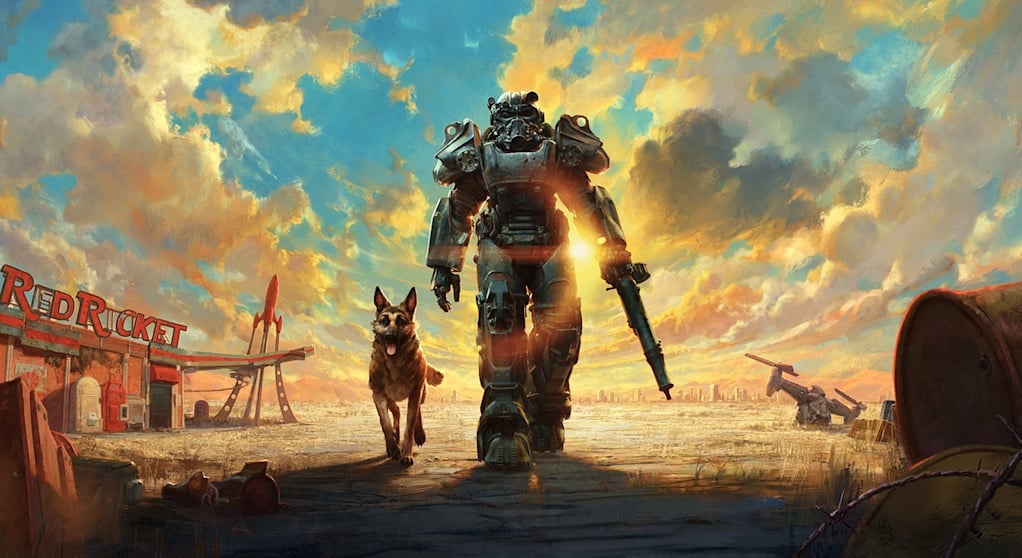
- Fallout 5: Following the massive success of the *Fallout* TV show, interest in the *Fallout* universe has skyrocketed. A future *Fallout 5* would be an instant blockbuster. Like *The Elder Scrolls VI*, its broad appeal makes it a prime candidate for a multiplatform release to capitalize on its newfound mainstream popularity. The image above, showing a lone wanderer and their dog in the wasteland, perfectly encapsulates the single-player experience many cherish in the *Fallout* series, and bringing that to more players feels like a natural progression.
- Fable: The upcoming reboot of the beloved *Fable* series is another highly anticipated single-player RPG. Historically, *Fable* has been an Xbox staple. A multiplatform release could introduce the quirky, charming world of Albion to a whole new generation of players on different consoles, potentially reinvigorating the franchise.
- Avowed and Indiana Jones and the Great Circle: These upcoming titles from Xbox's internal studios (Obsidian Entertainment and MachineGames, respectively) are also highly anticipated single-player adventures. Their initial launch is almost certainly going to be Xbox and PC, with Game Pass day one. Whether they follow a similar path to other platforms later remains to be seen, but the precedent is being set.
- Hellblade II: Senua's Saga: This highly artistic and deeply personal single-player experience is also coming soon. Its unique narrative and visual style would likely resonate with a broader audience, making it another potential candidate for a future multiplatform release, especially given its focus on storytelling and atmosphere over competitive multiplayer.
The key for Xbox will be careful selection. They likely won't put *Halo* or *Gears of War* on PlayStation, as those are core to their console identity. But for narrative-driven RPGs and adventure games that benefit immensely from a vast player base, the multiplatform approach seems increasingly logical.
The Role of Game Pass in a Multiplatform Future
In a world where some Xbox exclusives go multiplatform, what happens to Game Pass? Its value proposition will need to evolve. Instead of being solely the home of day-one exclusives, it might become:
- The Ultimate Xbox Library: A comprehensive collection of all Xbox first-party titles, even those available elsewhere, providing the most convenient and cost-effective way to play them on Xbox and PC.
- Early Access or Exclusive Content Hub: Game Pass subscribers might get early access periods or exclusive in-game content even for titles available on other platforms.
- Cloud Gaming Gateway: Xbox Cloud Gaming (xCloud) becomes even more critical. Game Pass Ultimate subscribers can play many of these games on phones, tablets, smart TVs, and other devices without owning an Xbox console, effectively making Xbox a platform-agnostic service layer. This is a powerful differentiator that no other console manufacturer currently offers at the same scale.
- A Curated PC Game Pass Offering: For PC gamers, PC Game Pass continues to offer a massive library, often at a great value, regardless of what's happening on consoles.
Game Pass will likely remain central to Xbox's strategy, but its role might shift from being *the* place for exclusives to being *the best way* to experience Xbox's vast catalog, offering flexibility and value across multiple devices.
Microsoft's Long-Term Vision: A Software and Services Powerhouse
Ultimately, this new strategy paints a clearer picture of Microsoft's long-term vision for Xbox. It's less about winning traditional console wars and more about becoming a dominant force in the entire gaming ecosystem. This means providing games and services to as many players as possible, regardless of their preferred hardware.
Microsoft already excels as a software and services company, with products like Windows, Office, and Azure touching billions of lives. Gaming is an extension of this philosophy. By making their games available on more platforms, they increase their total addressable market, diversify revenue streams, and strengthen their position as a major content provider.
This doesn't mean the end of Xbox consoles. The Xbox hardware will likely continue to exist as a premium way to experience Xbox games, optimized for performance and deeply integrated with Game Pass. It could become more akin to a high-end PC gaming rig, offering the definitive way to play, but not the *only* way. The Series X and S consoles will still provide a streamlined, affordable, and powerful entry point into the Xbox ecosystem.
Challenges and Opportunities Ahead
This pivot isn't without its challenges. Xbox will need to:
- Manage expectations carefully: Clearly communicate which games are going multiplatform and why, to avoid confusing or frustrating their core audience.
- Maintain quality control: Porting games to multiple platforms can be complex and expensive. Ensuring each version meets high standards will be crucial for brand reputation.
- Adapt marketing strategies: Messaging will need to shift from "Play it only on Xbox" to "Play it your way, with Xbox."
- Re-evaluate hardware incentives: If exclusives diminish, what new reasons will Microsoft give for purchasing an Xbox console in the future? Innovation in hardware, unique features, or perhaps even greater integration with cloud gaming could be key.
However, the opportunities are immense. Xbox can:
- Expand intellectual property (IP) recognition: Introduce franchises like *Gears of War*, *Fable*, and *Elder Scrolls* to a global audience previously locked out, fostering a new generation of fans.
- Create a more unified gaming community: Break down some of the historical barriers between console owners, promoting shared experiences.
- Future-proof its gaming division: By diversifying revenue and reaching players wherever they are, Xbox becomes less reliant on console sales cycles and more resilient to market shifts.
- Drive innovation in services: The focus could shift even more towards services like Game Pass, cloud gaming, and other cross-platform initiatives, pushing the boundaries of what gaming subscriptions can offer.
The Future is Multiplatform for Single-Player Masterpieces
The gaming industry is constantly evolving, and Xbox's new strategy marks a significant turning point. For fans of single-player games, this shift could be overwhelmingly positive. While the idea of "exclusives" might become less rigid, the potential for wider reach means that more people will get to experience the rich narratives, expansive worlds, and memorable characters that define these games. Imagine a world where a critically acclaimed single-player RPG isn't limited by console ownership, but is celebrated by a global community of players.
The journey of Xbox, from its origins as a console competitor to its current embrace of a broader, more inclusive gaming ecosystem, reflects the changing tides of the industry. While some uncertainty remains, especially concerning specific release timings and platform availability, one thing is clear: Xbox is taking a bold step towards a future where its biggest single-player masterpieces might transcend traditional console boundaries, inviting everyone to embark on their epic adventures.
This strategy could ultimately lead to a more vibrant, interconnected gaming world, where the focus is less on which box you own and more on the incredible stories you get to play. And for single-player gaming, that's a future worth looking forward to.
from Kotaku
-via DynaSage
