
What to Expect From Apple Watch Series 12 and Apple Watch Ultra 4
Apple Watch Series 12 and Apple Watch Ultra 4: What to Expect This Year and Beyond
The highly anticipated release of new Apple Watch models always sparks a flurry of excitement, speculation, and, of course, rumors. As a cornerstone of Apple's wearable ecosystem, the Apple Watch continuously evolves, pushing the boundaries of personal health, fitness, and connectivity. This year, attention is turning to the prospective Apple Watch Series 12 and Apple Watch Ultra 4. While many hope for groundbreaking innovations, a recent report from acclaimed Bloomberg's Mark Gurman today outlined a more conservative outlook for the immediate future. For those expecting a radical overhaul, Gurman's insights suggest we might be in for a year of refinement rather than revolution.
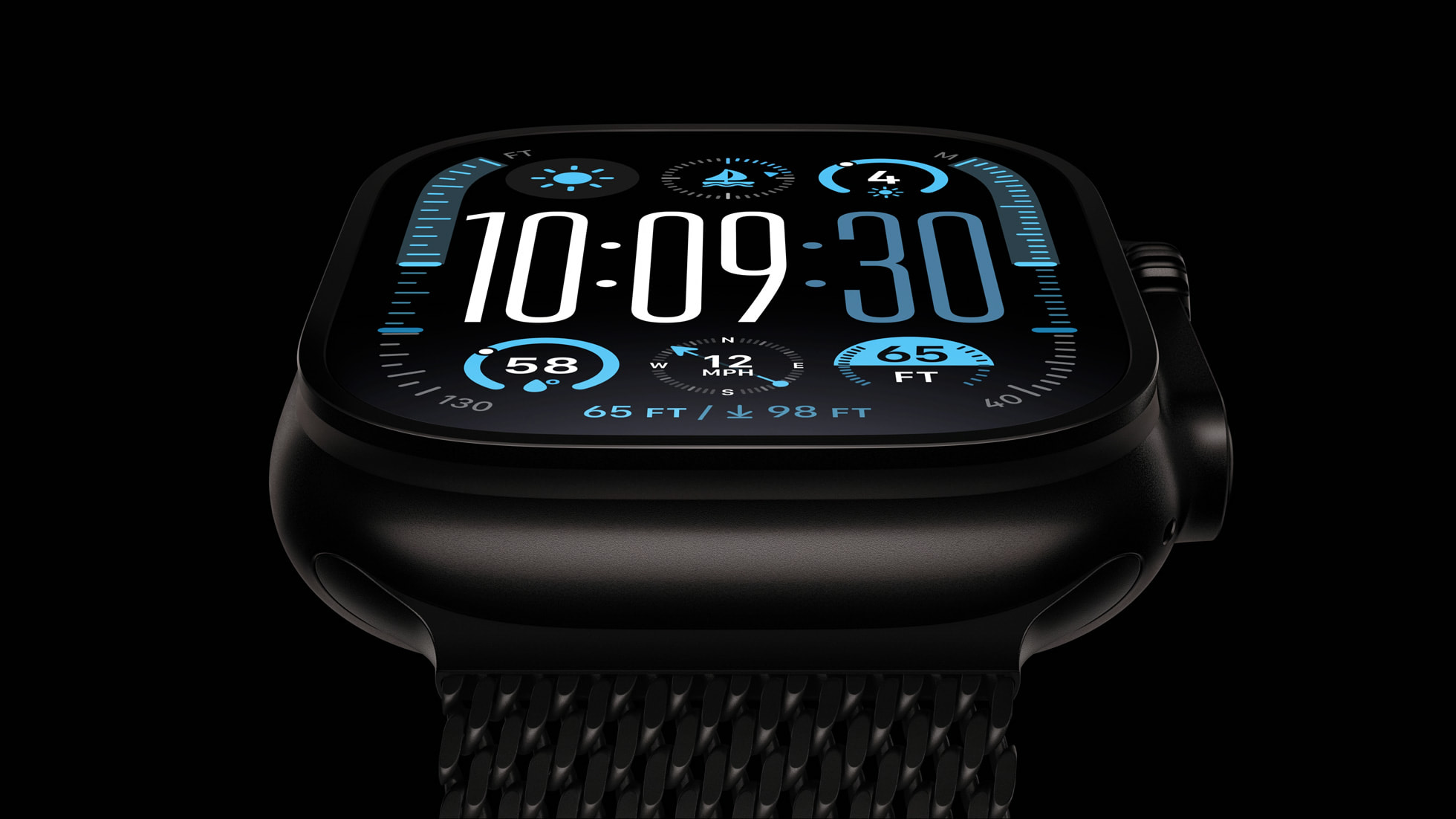
Understanding the Current Apple Watch Landscape: Series 11 and Ultra 3
Before diving into what's coming, it's helpful to consider the foundation laid by the current generation: the Apple Watch Series 11 and the Apple Watch Ultra 3. These devices represent the pinnacle of Apple's smartwatch technology, offering a comprehensive suite of features that cater to a wide range of users. The Series 11, with its sleeker design and array of finishes, continues to be the mainstream choice, beloved for its robust health tracking capabilities, seamless integration with the iPhone, and convenient communication tools. Features like advanced heart rate monitoring, ECG capabilities, blood oxygen sensing, and temperature tracking have become indispensable for many users managing their daily well-being.
The Apple Watch Ultra 3, on the other hand, pushed the boundaries further, targeting endurance athletes, outdoor adventurers, and anyone needing a more rugged and feature-rich device. With its larger, brighter display, significantly longer battery life, custom action button, and enhanced GPS, the Ultra 3 is built for extreme conditions and demanding activities. Its titanium casing provides superior durability, while specialized features for diving and advanced metrics for running and cycling appeal to a niche yet growing market. Both models rely on the S10 chip, introduced with the Series 10 and Ultra 2, which has provided solid performance but is now reaching the end of its typical two-year cycle for major upgrades.
Given the strong capabilities of these existing models, the question for many potential buyers and enthusiasts is: what compelling reasons will there be to upgrade to the Series 12 or Ultra 4? Gurman's report sheds light on this, suggesting that while improvements are on the horizon, they might not be as dramatic as some have hoped, at least in terms of visual design or groundbreaking new sensors. This approach isn't uncommon for Apple, which often alternates between significant redesigns and more iterative updates focused on internal enhancements and software refinements.
Gurman's Insights: A Year of Refinement, Not Radical Redesign
No Major Design Changes for Series 12 or Ultra 4
One of the most significant takeaways from Mark Gurman's report is the expectation that neither the Apple Watch Series 12 nor the Apple Watch Ultra 4 will feature major design changes. This news might temper the excitement for those anticipating a fresh new look for their wrist. Typically, a "major design change" for the Apple Watch could involve a new case shape, a departure from the iconic rounded rectangular form, significantly thinner bezels, a different display technology, or even new materials. Apple's design cycles often see a substantial external refresh every few generations, with more subtle updates in between.
For example, past major redesigns have included the Series 4, which introduced a larger display with thinner bezels, and the Series 7, which brought an even larger screen and a more refined curvature. The Ultra line, by its very nature, already represents a significant design departure from the standard Series models. Sticking with the existing chassis for the Series 12 and Ultra 4 suggests that Apple's design focus this year might be on internal component optimization or perhaps refining existing finishes and straps. While a lack of a design overhaul might seem disappointing to some, it often means that Apple is focusing its resources on perfecting the user experience within the established form factor, potentially leading to better performance, improved efficiency, or enhanced durability.
This conservative design approach could also be strategic. Apple might be saving a more dramatic visual refresh for future models, perhaps when a truly innovative technology or a substantial shift in user interaction is ready for prime time. Or, it could indicate that the current designs of the Series 11 and Ultra 3 are still considered optimal for their respective target audiences, striking a balance between aesthetics, functionality, and manufacturability. Regardless, buyers should expect a familiar aesthetic when these new watches debut.
Dismissal of the Touch ID Rumor
Before Gurman's report, there was a persistent rumor suggesting that Touch ID might be coming to the Apple Watch Series 12. This particular speculation generated considerable buzz, as adding a fingerprint sensor to the watch would represent a significant leap in convenience and security. Imagine being able to unlock your watch, authorize payments, or access secure applications with a simple touch, much like on an iPhone or iPad. The benefits would be clear: quicker authentication, enhanced privacy, and a more streamlined user experience, especially in situations where entering a passcode might be cumbersome.
However, Gurman's report effectively puts this rumor to rest, stating that he does not expect Touch ID on either the Series 12 or Ultra 4. This makes logical sense when considered alongside the report's main point about the lack of major design changes. Implementing Touch ID on a device as compact as the Apple Watch would almost certainly require a significant redesign. Where would it be placed? Would it be integrated into the Digital Crown, a side button, or perhaps even embedded beneath the display? Each option would necessitate engineering complexities and a noticeable alteration to the device's external appearance and internal structure.
Currently, Apple Watch security primarily relies on a passcode and wrist detection. The watch locks automatically when removed from the wrist and requires a passcode or authentication via a paired iPhone. While effective, Touch ID would offer a layer of biometric security that users have become accustomed to on other Apple devices. The fact that it's not expected this year indicates that either the technology isn't mature enough for the watch's form factor, or Apple has decided to prioritize other features. It's a feature many would welcome, so its absence will be noted, further solidifying the narrative of an iterative update cycle for these models.
No Mention of a Band with Embedded Health Sensors
Another intriguing but "sketchy" rumor circulating before Gurman's report involved the Series 12 potentially featuring a band with an embedded health sensor. This concept is particularly fascinating because it opens up new avenues for health monitoring beyond the main watch body. The space available on the watch itself for sensors is limited, and certain biometric measurements might be more accurately or conveniently taken from other parts of the wrist or arm, which a smart band could facilitate.
Imagine a watch band that could house sensors for continuous blood pressure monitoring, advanced hydration tracking, or even more precise body temperature measurements directly from the skin it's in contact with. Such a band could also potentially extend the battery life of the main watch by offloading some sensor tasks or even incorporate a small battery itself. This kind of innovation could transform the Apple Watch into an even more powerful health companion, providing a wider array of data points for users and their healthcare providers. It aligns perfectly with Apple's long-term vision of making the Watch a comprehensive health device.
However, Gurman did not mention this rumor in his report, which usually implies that he has not heard reliable information supporting it, or that his sources indicate it's not happening this year. Developing such a band would present significant engineering challenges, including power management, data transmission, durability, and most crucially, regulatory approval for medical-grade sensors. While the idea remains compelling for future generations of the Apple Watch, its absence from Gurman's immediate expectations suggests that it's either still far off in development or merely a concept that won't see the light of day in the near term. This reinforces the focus on more traditional, internal upgrades for the Series 12 and Ultra 4.
The "Ordinary" Yet Meaningful Changes: Performance and Health
While revolutionary changes might be on hold, Gurman points to more "ordinary" but nonetheless meaningful improvements. These iterative enhancements are often crucial for maintaining user satisfaction and keeping the Apple Watch competitive in a fast-evolving market. For the Series 12 and Ultra 4, these improvements are expected to center around performance and refinements in health and fitness tracking.
Faster Performance with the S11 Chip
Perhaps the most concrete internal upgrade Gurman expects is a significant boost in performance. The Series 11 and Ultra 3 currently run on the S10 chip, which first debuted with the Series 10 and Ultra 2. This means that for two generations, Apple Watch users haven't seen a major leap in raw processing power. A new chip, presumably the S11 or a newer iteration, is poised to change that.
A faster chip translates directly into a smoother, more responsive user experience. Apps will launch quicker, animations will be more fluid, and navigating watchOS will feel snappier. This is particularly important as watchOS continues to gain more sophisticated features and third-party apps become more complex. For instance, running intensive applications like advanced workout trackers, rich mapping software, or even handling complex Siri requests will benefit immensely from increased processing power. Furthermore, a more efficient chip can also contribute to improved battery life, as tasks can be completed faster, allowing the chip to return to a low-power state sooner. This is especially vital for the Apple Watch, where battery life is a constant consideration for users, particularly those who rely on overnight sleep tracking or extended GPS use.
This performance upgrade is long overdue and will likely be one of the most noticeable improvements for users upgrading from older models. It ensures that the Apple Watch remains capable of handling the demands of future watchOS updates and new applications, extending its lifespan and enhancing its overall utility as a daily companion. It’s a foundational improvement that, while not glamorous, provides a better experience across the board.
Unspecified Improvements to Health and Fitness Tracking
Beyond raw performance, Gurman also anticipates unspecified improvements to health and fitness tracking. This is a broad category, but it's where the Apple Watch truly shines, and continuous refinement here is always welcome. Apple has consistently pushed the envelope in making the Watch a proactive health monitoring device, and these "unspecified improvements" could manifest in several ways.
One possibility is enhanced accuracy and reliability of existing sensors. This could mean more precise heart rate readings during intense workouts, improved ECG signal quality, or more accurate blood oxygen measurements. Better algorithms could lead to more insightful sleep tracking data, identifying patterns or potential issues with greater precision. Temperature sensing, introduced in recent models, could also become more refined, offering better insights into cycle tracking or general body wellness.
Another area of improvement could be in software and data analysis. Apple might introduce new metrics, refine existing ones, or provide more personalized feedback based on a user's health data. This could include smarter coaching for fitness goals, more detailed recovery insights, or predictive warnings based on changes in biometric data. Integration with the Apple Health app could also be further streamlined, making it easier for users to understand and share their health information. For instance, new workout types might be added, or existing workout tracking capabilities might be refined with more specific metrics for niche sports or activities.
Improvements could also extend to the realm of mental well-being, with enhanced stress monitoring or mindfulness features. The Watch has proven its value in reminding users to take a moment to breathe or reflecting on their state of mind. Any advancements in these areas, even if subtle, contribute significantly to the overall value proposition of the Apple Watch as a holistic health and wellness device. While we don't know the specifics yet, these ongoing refinements are critical for maintaining Apple's leadership in the wearable health tech space and keeping users engaged with their personal health journeys.
No Apple Watch SE 4 This Year
Another piece of information from Gurman's report is that there will not be an Apple Watch SE 4 this year. The Apple Watch SE line serves a crucial role in Apple's strategy: it offers an affordable entry point into the Apple Watch ecosystem, providing essential features at a more accessible price point. The SE models typically include core health and safety features, robust fitness tracking, and cellular connectivity options, while omitting some of the more advanced or premium features found in the main Series lineup, such as the always-on display, ECG, or blood oxygen monitoring.
Skipping an SE refresh this year suggests a few possibilities. Firstly, the current Apple Watch SE (3rd generation) might still be performing well in the market and meeting consumer needs. Apple might feel that its feature set and price point remain competitive enough, negating the immediate need for an update. Secondly, it could be a strategic move to create clearer differentiation between the SE line and the main Series line. If the Series 12 is receiving internal performance upgrades but no major design changes, Apple might want to maintain a clearer hierarchy of features and pricing without introducing another mid-range model that could confuse buyers or cannibalize sales.
Historically, Apple has updated the SE models less frequently than the main Series, often on a two-year cycle. If the current SE 3 was released a couple of years prior, then skipping a year for the SE 4 would align with previous patterns. This approach allows Apple to focus its resources on the flagship models while ensuring that the entry-level option remains compelling for value-conscious consumers. For those looking for an affordable Apple Watch, the current SE 3 will likely continue to be a strong option, and any new features developed for the Series 12 may eventually trickle down to future SE models.
Looking Further Ahead: Major Innovations on the Horizon
While this year's Apple Watch updates seem to be more about refinement, Gurman hints at a future where significant changes will indeed arrive. He notes that "bigger changes are in the works for the Apple Watch, but he said they are unlikely to arrive for another year or two." This is where the long-term vision for the Apple Watch truly begins to take shape, promising more transformative upgrades than what we expect in the immediate future.
What Could These "Bigger Changes" Entail?
Speculating on these "bigger changes" is always exciting. A major redesign is a strong possibility. After several generations of similar form factors, Apple might be ready to introduce a completely new aesthetic, perhaps with a micro-LED display for even greater brightness, color accuracy, and power efficiency, or even a truly bezel-less design that maximizes screen real estate. Such a redesign could also incorporate new materials, making the watches lighter, more durable, or more sustainable.
Beyond aesthetics, these changes could also involve fundamental shifts in how users interact with the Watch. This might include new haptic feedback systems, advanced gesture controls that don't require touching the screen, or even integrated cameras for more sophisticated communication or augmented reality features, similar to what's rumored for Apple Glasses. Battery technology is another area ripe for innovation; a breakthrough here could significantly extend the Watch's usability for multi-day wear, a common request from users.
New sensor technologies that haven't quite reached maturity for mass production could also be part of these future "bigger changes." This could include more advanced sleep diagnostics, sophisticated hydration monitoring, or even early detection of certain health conditions through continuous, passive monitoring. The "bigger changes" phrase suggests that Apple is not just thinking about incremental improvements, but rather about reimagining what the Apple Watch can be and how deeply it can integrate into our daily lives for health, safety, and convenience.
The Holy Grail: Non-Invasive Blood Sugar Detection by 2030
Even further into the future, Gurman adds a tantalizing detail: Apple continues to develop a blood sugar detection feature with a goal of releasing it by 2030. This is arguably one of the most ambitious and potentially life-changing health features Apple could bring to the Watch. Non-invasive blood glucose monitoring has long been considered the "holy grail" of health technology. For millions of people worldwide living with diabetes, the current method of checking blood sugar levels often involves painful finger pricks multiple times a day.
An Apple Watch capable of continuously and non-invasively monitoring blood sugar levels would revolutionize diabetes management. It would allow users to track their glucose trends effortlessly, receive alerts for dangerously high or low levels, and make more informed decisions about their diet, exercise, and medication. This passive, continuous monitoring could lead to better control of blood sugar, reducing the risk of serious complications associated with diabetes. The impact on public health would be enormous, extending beyond just those with diagnosed diabetes to individuals at risk or those simply wanting to better understand their metabolic health.
However, the development of this technology is incredibly complex. Non-invasive glucose sensing involves overcoming significant scientific and engineering challenges related to accuracy, reliability, and miniaturization. Researchers and companies have been working on this for decades with limited success in bringing a reliable, consumer-grade device to market. Apple's involvement, with its vast resources and scientific expertise, signals a serious commitment to this endeavor. The target year of 2030 underscores the complexity and the lengthy process of development, testing, and rigorous regulatory approval that such a medical-grade feature would require. If successful, this feature would solidify the Apple Watch's position not just as a consumer gadget, but as an indispensable medical device, fundamentally changing how chronic conditions are managed.
Conclusion: A Year of Solid Steps Forward, with Big Dreams on the Horizon
In summary, the immediate future for the Apple Watch Series 12 and Apple Watch Ultra 4, as outlined by Mark Gurman, points towards a year of steady, iterative improvements rather than a dramatic overhaul. While some enthusiasts might be disappointed by the lack of major design changes or groundbreaking new sensors like Touch ID or embedded health sensors in the band, the expected upgrades are still significant. Faster performance, driven by a new S11 chip, will provide a much-needed boost in responsiveness, making the overall watchOS experience smoother and more enjoyable.
Additionally, unspecified improvements to health and fitness tracking demonstrate Apple's unwavering commitment to making the Watch an even more powerful tool for personal well-being. These refinements, though not flashy, are crucial for enhancing accuracy, providing deeper insights, and expanding the utility of existing features. The absence of an Apple Watch SE 4 this year also highlights a strategic focus on the flagship models and a clear segmentation of the product lineup.
Looking beyond this year, the prospect of "bigger changes" and the ambitious goal of non-invasive blood sugar detection by 2030 keep the excitement alive for the Apple Watch's long-term future. These forthcoming innovations promise to redefine what a wearable device can achieve in health monitoring and personal technology. For now, users can anticipate a more refined and zippier experience with the Series 12 and Ultra 4, knowing that Apple is diligently working towards truly transformative advancements that will continue to push the boundaries of wearable technology for years to come.
This article, "What to Expect From Apple Watch Series 12 and Apple Watch Ultra 4" first appeared on MacRumors.com
Discuss this article in our forums
from MacRumors
-via DynaSage
