
Tom Holland, Why Are You Like This?
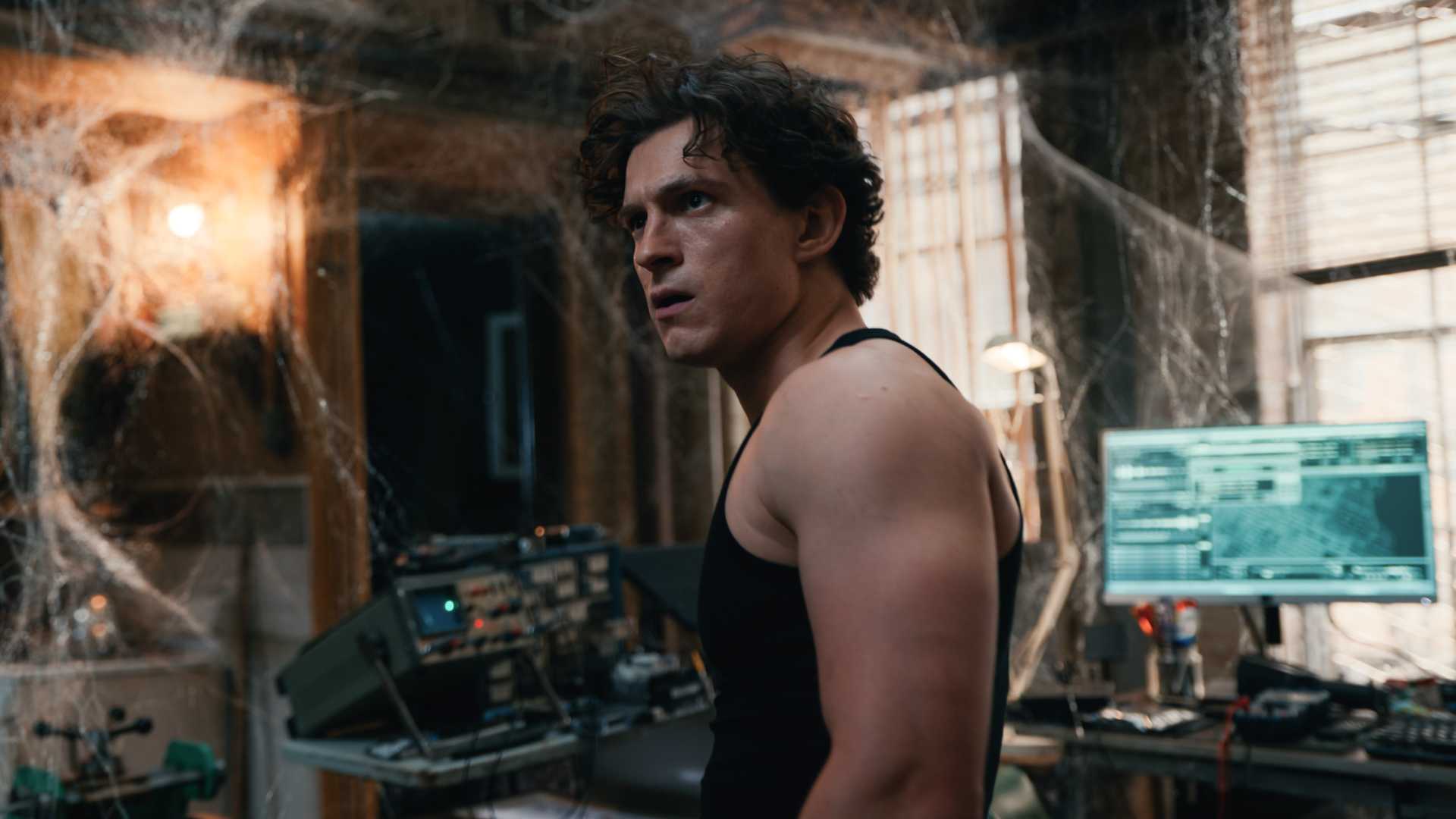
The Human Behind the Mask: When Playing Spider-Man Became a Struggle
For many actors, landing a role in a major superhero franchise, especially as an iconic character like Spider-Man, seems like a dream come true. The fame, the recognition, the chance to inspire millions – it all sounds incredibly exciting. However, beneath the surface of the web-slinger's upbeat persona and heroic deeds, the reality for the person bringing him to life can be far more complex. Recently, the actor involved in the Spider-Man: Brand New Day storyline, a period famously known for its controversial changes in the comics, shared his personal experience with a significant low point in his career while embodying the friendly neighborhood hero. This revealing account sheds light on the immense pressures, the emotional toll, and the personal battles that can accompany even the most coveted roles in Hollywood.
This isn't just about a bad day on set; it's a story about the intersection of creative demands, intense public scrutiny, and the actor's own mental and emotional well-being. Playing Spider-Man isn't just about memorizing lines or performing stunts; it's about carrying the weight of decades of fan expectations and contributing to a legacy that transcends generations. When an actor finds themselves at a crossroads, struggling with the very role that was supposed to elevate their career, it offers a stark reminder that even heroes have their vulnerabilities, and so do the people who play them.
The Immense Pressure of the Red and Blue Suit
Imagine stepping into a role that millions, if not billions, of people worldwide already have a deeply personal connection to. Spider-Man isn't just a character; he's a symbol of hope, responsibility, and the everyday hero within us all. From the moment an actor is cast, the pressure to deliver a performance that lives up to these sky-high expectations is immediate and relentless. Every move, every line reading, every facial expression is dissected by critics, analyzed by fans, and compared to previous iterations of the character.
Our unnamed actor, who found himself portraying Peter Parker during the Brand New Day comic era, must have felt this burden acutely. The casting announcement itself brings a wave of initial excitement, quickly followed by the daunting realization of the task ahead. This isn't just a job; it's a cultural phenomenon. The responsibility extends beyond the screen or the comic panel; it impacts merchandise, theme park rides, and the very perception of a global brand. This constant, pervasive scrutiny can create an environment where even a minor misstep feels like a colossal failure, eroding confidence and joy in the work.
Moreover, the physical demands of playing a superhero are no joke. Long hours of training, complex stunt work, and the discomfort of wearing a restrictive costume for extended periods can take a significant physical toll. While often overlooked, the physical discomfort can contribute to mental fatigue and stress, making the emotional challenges even harder to bear. The glamorous facade of Hollywood often hides the grueling reality of bringing these larger-than-life characters to life, and Spider-Man, with his agile movements and constant action, is no exception.
"Brand New Day": A Pivotal (and Controversial) Era for Spider-Man
To truly understand the actor's struggle, it's crucial to grasp the context of the Brand New Day storyline in the Spider-Man comics. This period, which began in 2008, followed the highly controversial "One More Day" arc, where Peter Parker and Mary Jane Watson made a deal with the demon Mephisto to erase their marriage from history, all to save Aunt May's life and restore Peter's secret identity. The fallout was immense, dividing the fanbase like never before. Many readers felt betrayed by the erasure of such a significant part of Spider-Man's history, while others appreciated the attempt to refresh the character and bring him back to a more classic, single status.
For an actor portraying Spider-Man during a time when the character himself was undergoing such a polarizing transformation, the creative environment must have been incredibly challenging. Imagine trying to capture the essence of Peter Parker when his very foundations were being rewritten. The comic's shift meant that the character's relationships, motivations, and even his place in the world were in flux. This uncertainty in the source material could easily translate into uncertainty for the actor, who needs a clear understanding of their character's emotional core to deliver an authentic performance.
The public's reaction to Brand New Day was visceral. Fans debated intensely online and in comic shops, expressing both fierce loyalty and profound disappointment. This kind of intense public debate surrounding the source material could easily spill over and affect an actor. If the character's direction is unpopular, even a stellar performance might be overshadowed by the narrative choices. This puts the actor in a tough spot, caught between the creative vision of the production team and the passionate, often vocal, demands of the fanbase. It's a tightrope walk where the actor's personal success can feel inextricably linked to the reception of the entire creative project.
Behind the Scenes: The Actor's Journey and Initial Hopes
Before the low point, there was undoubtedly the high of being cast. For any actor, securing such a prominent role is a career-defining moment. Our actor likely immersed himself completely in the world of Spider-Man. He probably spent countless hours studying previous portrayals, delving into the comic books, and working with acting coaches to perfect Peter Parker's unique blend of wit, intelligence, and earnest heroism. There would have been excitement, anticipation, and a deep desire to do justice to a character he likely admired since childhood.
Initial interviews and promotional appearances would have been filled with enthusiasm, talking about the honor of wearing the suit, the joy of bringing Peter Parker to life, and the vision for the character. The actor might have envisioned a long and successful run, solidifying his place in superhero history. This optimistic start is crucial context for understanding the eventual "low point." The greater the initial heights of hope and excitement, the more profound the fall can feel when challenges inevitably arise.
This early period of preparation and anticipation is often where an actor forms a deep connection with the character. They start to inhabit Peter Parker not just as a role, but as an extension of themselves. They begin to understand his struggles, his triumphs, and the core values that define him. When external factors, such as creative disagreements or negative public reception, start to undermine that connection, it can feel like a personal attack, not just a professional setback. The line between actor and character becomes blurred, making the impact of any difficulty far more personal and painful.
The Descent into a "Low Point": What Could Have Gone Wrong?
So, what exactly constituted this "low point" for the actor? While specific details remain private, we can infer several common challenges that could lead an actor down such a difficult path, especially when tied to a character as beloved and complex as Spider-Man during a turbulent comic book era.
Firstly, creative differences are a frequent source of friction in any major production. An actor might have a particular vision for Peter Parker, perhaps one that emphasizes his struggle with responsibility or his romantic entanglements, only to find that the writers or directors have a different direction in mind. When an actor feels disconnected from the creative choices, or worse, feels that those choices are actively harming the character they've come to embody, it can be incredibly disheartening. This feeling of losing control over their own performance, or feeling creatively stifled, can be a major source of professional dissatisfaction and emotional strain.
Secondly, the relentless scrutiny from fans and critics can be emotionally draining. As mentioned, the Brand New Day era was divisive. If the actor's portrayal was linked, even unfairly, to the aspects of the storyline that fans disliked, it could lead to significant backlash. Imagine waking up every day to social media comments, forum posts, and articles dissecting your performance, often with harsh and personal criticism. This constant barrage of negative feedback, especially when it feels undeserved or misdirected, can chip away at an actor's self-esteem and passion for the role, leading to feelings of inadequacy or even depression. The "webslinger" might be bulletproof, but the human behind the mask is not.
Furthermore, the physical and mental exhaustion of a demanding production schedule should not be underestimated. Long days on set, extensive travel for promotions, and the constant pressure to be "on" can lead to severe burnout. When combined with creative frustrations and public criticism, this exhaustion can amplify negative feelings, making it harder to cope and find joy in the work. The job can become a relentless grind, stripping away the initial excitement and leaving only stress and fatigue. This kind of sustained stress can manifest in various ways, from anxiety and sleep disturbances to a general feeling of malaise that permeates both professional and personal life.
Coping Mechanisms and Seeking Support
Facing such a low point, especially in the public eye, requires immense resilience. For actors in similar situations, various coping mechanisms and support systems become vital. It's likely that our Spider-Man actor leaned on a trusted circle of friends, family, or fellow professionals who understood the unique pressures of the industry. Having someone to confide in, who can offer perspective and unconditional support, is invaluable when navigating such turbulent waters.
Many actors also turn to professional help, such as therapists or counselors, to process the emotional toll of their work. The entertainment industry can be incredibly isolating, and the constant judgment can lead to anxiety, depression, and feelings of inadequacy. Learning strategies for managing stress, setting boundaries, and maintaining a healthy work-life balance becomes crucial. This journey often involves recognizing that seeking help is a sign of strength, not weakness, especially when dealing with the kind of intense public and professional pressure that comes with playing a character like Spider-Man.
Beyond professional support, reconnecting with the reasons they became an actor in the first place can be a powerful antidote. Perhaps it involved revisiting the joy of independent projects, exploring different creative outlets, or simply taking a much-needed break from the spotlight. This period of introspection and self-care is essential for rebuilding confidence and rediscovering the passion that initially fueled their career. It’s about remembering that their identity extends far beyond the character they portray, no matter how iconic that character may be.
The Path to Recovery: Finding Strength and Perspective
Overcoming a career low point is rarely a sudden event; it's a gradual process of self-reflection, strategic adjustments, and often, a renewed commitment to one's craft and well-being. For the actor who faced challenges during the Brand New Day era, this recovery likely involved a conscious effort to separate personal worth from professional reception. Learning to internalize constructive criticism while deflecting unwarranted negativity is a skill that takes time and practice.
Part of this journey might have included making deliberate choices about future roles, perhaps opting for projects that offered greater creative control, a different kind of challenge, or simply a more supportive working environment. Sometimes, stepping away from the superhero genre entirely for a period can provide a necessary reset, allowing an actor to explore other facets of their talent and remind themselves of their versatility. This diversification can be incredibly liberating, proving to themselves and the industry that they are more than just "the webslinger."
The actor might also have found solace in connecting with fellow actors who have navigated similar challenges. Sharing experiences and realizing that such struggles are not unique can be incredibly validating. This sense of camaraderie helps to break down the isolation often felt by public figures and reinforces the idea that an actor's career is a marathon, not a sprint, filled with ups and downs that ultimately contribute to growth and wisdom. The experience, while painful at the time, becomes a foundational part of their professional narrative, shaping their approach to future opportunities.
Lessons Learned and Lasting Impact on a Career
Every significant challenge in a career, especially one as public as acting, offers profound lessons. For the actor who experienced a low point while playing Spider-Man, this period undoubtedly shaped his approach to future projects and his understanding of the entertainment industry. One crucial lesson is often the importance of advocating for oneself, setting boundaries, and understanding one's own limits – creatively, emotionally, and physically. Learning to say "no" or to negotiate for better working conditions becomes essential for long-term sustainability in such a demanding profession.
Another key takeaway might be a greater appreciation for mental health and well-being. The experience could have underscored the necessity of prioritizing self-care, seeking support when needed, and developing healthy coping mechanisms for stress and criticism. This shift in perspective can lead to a more balanced and fulfilling career, where success is not just measured by accolades or box office numbers, but by personal happiness and peace of mind.
Ultimately, this kind of struggle can forge a stronger, more resilient artist. The actor might emerge with a deeper sense of empathy for other performers, a more grounded understanding of fame, and a renewed commitment to the craft itself, rather than just the glamour. The experience of facing adversity while playing a beloved character like Spider-Man during a controversial period like Brand New Day can be a defining moment, transforming them into a more seasoned, self-aware, and ultimately, more authentic individual and performer. Their story becomes a powerful testament to the human spirit's ability to overcome even the most formidable obstacles.
The Enduring Legacy of Spider-Man and the Actors Who Portray Him
Despite the personal challenges faced by any actor, the enduring legacy of Spider-Man remains undimmed. He continues to be one of the most beloved superheroes across all media, constantly reinvented and reinterpreted for new generations. Each actor who has worn the mask, from the earliest animated voice actors to the latest big-screen stars, contributes to this rich tapestry. Their performances, their struggles, and their triumphs all become part of the character's ongoing narrative.
The story of our unnamed actor from the Brand New Day era serves as a poignant reminder that behind every iconic character is a human being, with their own hopes, fears, and vulnerabilities. Their willingness to share their "low point" not only humanizes the often-glamorized world of Hollywood but also opens up important conversations about mental health in high-pressure professions. It underscores the fact that even those who appear to have it all can struggle, and that honesty about these struggles is a powerful step towards healing and understanding.
Spider-Man's motto, "With great power comes great responsibility," applies not only to Peter Parker but also to those who bring him to life. The power of portraying such a character comes with the great responsibility of navigating public expectations, creative demands, and personal well-being. It's a testament to the strength of these actors that they continue to deliver performances that inspire and entertain, even when facing their own battles behind the scenes. Their contributions ensure that Spider-Man's spirit of resilience and hope continues to swing across our screens and pages for years to come.
Conclusion: The True Heroism Beyond the Costume
The revelation from the Spider-Man: Brand New Day actor about a low point in his career as the webslinger offers a crucial perspective on the human element behind superhero storytelling. It reminds us that while we see the polished finished product – the hero swinging through the city, cracking jokes, and saving the day – there's an intricate, often challenging, process involved in bringing that character to life. The struggles faced by this actor are not unique to him; they mirror the experiences of many individuals in high-pressure creative fields, where personal identity can become intertwined with public perception and professional demands.
This story encourages us to look beyond the surface, to appreciate the dedication and vulnerability required to embody such a significant role. It highlights the often-unseen battles that professionals wage, and the importance of resilience, self-care, and a strong support system. Ultimately, the true heroism in this account lies not just in the character of Spider-Man, but in the actor's courage to recall and share a difficult period, offering a powerful message of perseverance and the importance of mental well-being in the face of immense pressure. The enduring appeal of Spider-Man is not just in his powers, but in his humanity, a humanity that the actors who play him often embody in their own real-life struggles and triumphs.
from Kotaku
-via DynaSage
