
The Ambitious Open-World Cyberpunk Action Game Troy Baker Was Working On Gets Hit With Mass Layoff
The Future of Lightspeed LA's Last Sentinel: A Deep Dive into Its Creative Shift
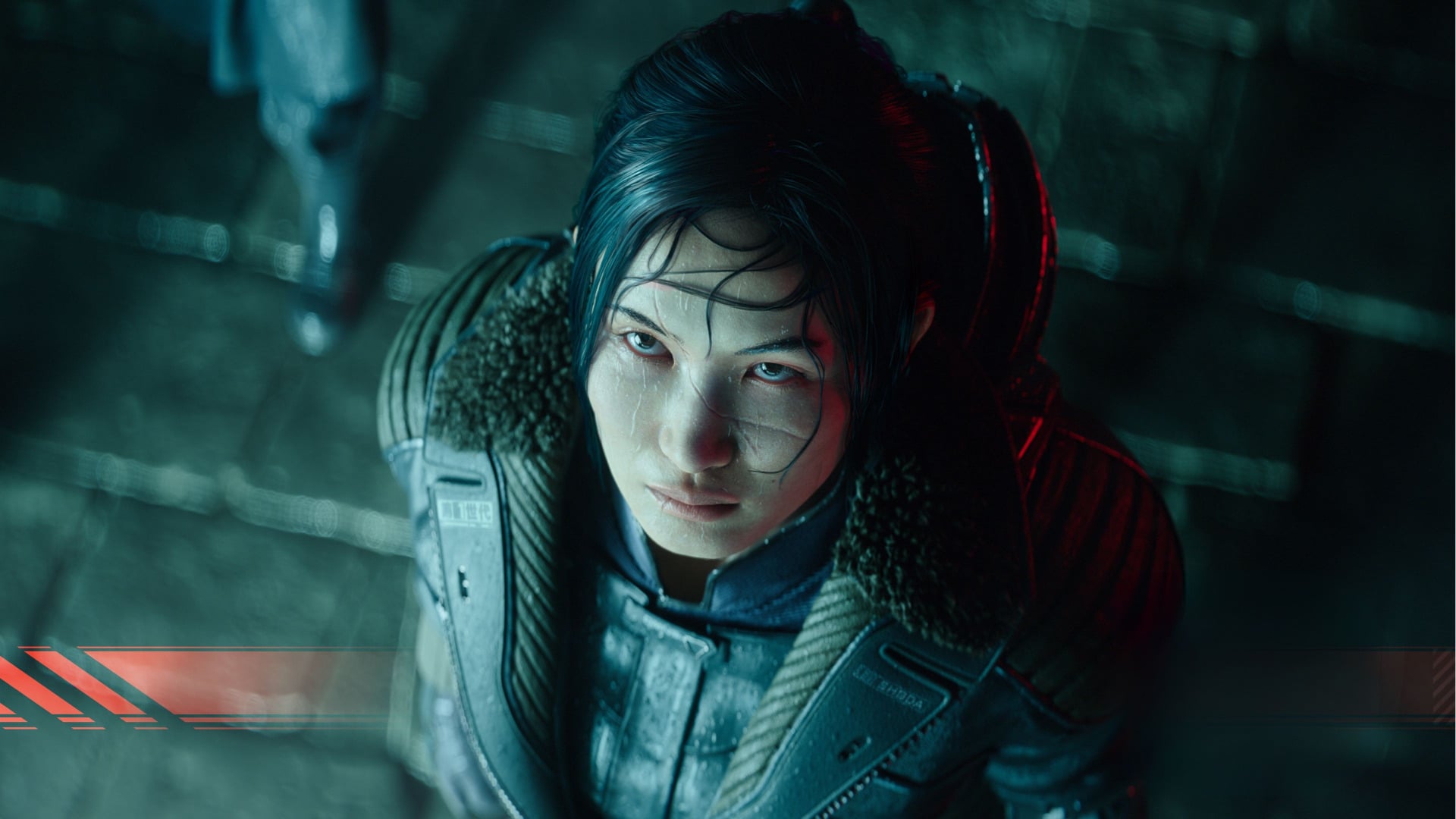
The world of video game development is often a rollercoaster, filled with soaring highs of creative breakthroughs and the daunting lows of unexpected challenges. Recently, news emerged from the highly anticipated project, Last Sentinel, developed by Lightspeed LA, that has sent ripples through the gaming community. Following an intensive internal review, the studio revealed that the game wasn't quite hitting the mark, leading to a significant "creative shift" in its development. This announcement, while potentially concerning to eager fans, highlights a crucial aspect of modern game creation: the unwavering commitment to quality, even if it means rethinking core elements. It signals a bold decision to prioritize the player experience above all else, indicating a willingness to course-correct rather than release a product that falls short of its immense potential. Such a pivot is never easy, demanding courage, resources, and a deep belief in the underlying vision for what Last Sentinel could truly become. This article will delve into what this creative shift means for Lightspeed LA, the game, and the future of its release.
The Announcement Heard Around the Gaming World
The revelation about Last Sentinel's creative shift came directly from Lightspeed LA, a move that, despite its serious implications, reflects a degree of transparency often appreciated by the gaming public. In an industry where development cycles are frequently shrouded in mystery, and news often only surfaces after major delays or cancellations, Lightspeed LA's proactive communication stands out. They candidly stated that an internal review concluded Last Sentinel "wasn't living up to expectations," compelling them to implement a substantial change in direction. This isn't merely a tweak or a minor adjustment; a "creative shift" suggests a more fundamental re-evaluation of the game's core principles, its narrative, gameplay mechanics, or even its target audience. It's a testament to the studio's dedication to crafting an exceptional title, rather than pushing forward with a project that, internally, they felt wasn't reaching its full potential. This kind of self-assessment is vital for preventing the release of games that disappoint players and critics alike, safeguarding both the studio's reputation and the long-term viability of the title. This open approach provides valuable insight into the often-hidden complexities of game development.
What Does "Not Living Up to Expectations" Really Mean?
When a developer states a game isn't meeting expectations, it's a broad statement that can encompass a multitude of underlying issues. It's rarely one single problem but often a complex interplay of various factors. One common area could be gameplay mechanics. Perhaps the core loop isn't as engaging as envisioned, feeling repetitive, unbalanced, or simply not fun. In a competitive market, a game needs to offer unique and compelling interactions that keep players hooked for hours. Another critical aspect is the narrative and world-building. The story might not be resonating, characters could feel flat, or the overarching lore might lack coherence and depth, failing to draw players into the world of Last Sentinel. Given the visually striking key art, a rich and immersive story would undoubtedly be a high expectation for fans. Technical challenges also play a significant role. Performance issues, persistent bugs, or difficulties in rendering the ambitious vision could severely hamper the player experience, regardless of how strong the creative ideas are. Sometimes, the initial scope of the project might have grown too large, leading to resource strain and an unmanageable development pipeline. Or, conversely, the original vision might have felt too conservative compared to evolving industry trends and player demands. Finally, internal studio expectations might simply be incredibly high. Lightspeed LA might have set an exceptionally ambitious benchmark for Last Sentinel, aiming for a groundbreaking title, and simply wasn't content with anything less than perfection. This rigorous self-scrutiny, while tough, is ultimately a sign of a healthy development culture committed to excellence.
Who is Lightspeed LA?
To fully grasp the weight of this announcement, it's essential to understand the studio behind Last Sentinel. Lightspeed LA is part of Lightspeed Studios, which itself is a subsidiary of the global tech and entertainment giant, Tencent Games. Formed with the ambitious goal of creating original, AAA console and PC titles for a worldwide audience, Lightspeed LA represents Tencent's significant investment in the Western premium game market. The studio was established with a clear mandate: to push the boundaries of interactive entertainment, recruiting industry veterans and top talent from across the globe. Their aim was not just to compete but to innovate, delivering experiences that captivate players on a global scale. This background explains why the "expectations" mentioned in their statement are likely incredibly high. Tencent, with its vast resources and strategic vision, empowers its studios to take risks and pursue ambitious projects, but also demands a level of quality that justifies that investment. For Lightspeed LA, this means having the freedom to develop without undue pressure to release prematurely, but with the understanding that the final product must stand shoulder-to-shoulder with the very best games in the industry. The studio's commitment to Last Sentinel is therefore not just about a single game, but about establishing Lightspeed LA as a formidable player in the global AAA development landscape, a studio synonymous with quality and innovation. This creative shift, while a hurdle, could very well be a necessary step in solidifying that reputation.
Understanding the Creative Shift
A "creative shift" in game development is far more complex than simply changing a few lines of code or tweaking a character model. It often signifies a deep dive back into the drawing board, re-evaluating foundational decisions that underpin the entire game. This process can be incredibly challenging, both technically and emotionally, for the development team. It means acknowledging that previous work, potentially thousands of hours of effort, may need to be altered or even scrapped in favor of a new, more promising direction. Such a shift requires strong leadership, clear communication, and a resilient team capable of adapting to significant changes. It can involve revisiting the core concept document, reassessing market trends, and re-engaging with player feedback, even if that feedback is internal. The aim is always to identify what isn't working, understand why, and then creatively engineer a solution that not only fixes the problems but elevates the overall experience. This iterative process, while demanding, is often where truly great games are forged. It demonstrates a maturity within the studio to prioritize the ultimate quality of the product over the comfort of maintaining the original course. The outcome is hoped to be a more cohesive, engaging, and ultimately successful game that truly resonates with its audience.
Redefining the Vision
When a creative shift occurs, the game's original vision, no matter how cherished, comes under intense scrutiny. This can mean a complete overhaul of the narrative, perhaps shifting the protagonist's journey, introducing new key characters, or even altering the fundamental conflict of the story. For Last Sentinel, with its evocative cyberpunk aesthetic suggested by the key art, a redefinition could involve a deeper exploration of its dystopian themes, a different take on technology's impact on society, or a more nuanced portrayal of its inhabitants. Gameplay mechanics, which form the backbone of player interaction, are also prime candidates for change. This might involve refining the combat system, redesigning exploration mechanics, or completely re-imagining how players interact with the game world. Perhaps the initial concept relied too heavily on one genre element and now needs to incorporate others, like deeper RPG elements, stealth mechanics, or more expansive open-world features. The art direction and overall aesthetic could also be revisited, not necessarily to change the core style, but to enhance its impact, improve visual storytelling, or ensure consistency. This redefinition isn't about abandoning the game entirely but about refining its essence, ensuring that every element—from the smallest detail to the grandest narrative arc—serves a cohesive and compelling purpose. It's about distilling the initial ambition into something truly remarkable, even if it means taking a different path to get there.
Technical Overhauls
Beyond creative changes, a significant shift in development often necessitates technical overhauls. The foundational technology powering a game can be a major factor in whether it lives up to expectations. If the game is struggling with performance, frame rates, or persistent bugs, it might require a deep dive into the engine itself. This could involve optimizing existing code, rewriting entire systems, or even, in extreme cases, migrating to a different game engine or upgrading core tools. For Last Sentinel, creating an expansive, detailed world as hinted by its themes, robust technical infrastructure is paramount. A technical overhaul might focus on improving rendering pipelines to achieve stunning visuals without sacrificing performance, enhancing AI systems to create more believable and challenging encounters, or revamping network code for a seamless multiplayer experience if that is part of the game's design. It could also involve rebuilding asset pipelines to streamline content creation and integration, making it easier for artists and designers to realize the new creative vision. These technical challenges, while often invisible to the player, are fundamental to the game's overall quality and playability. Investing in a robust technical foundation ensures that the creative vision can be executed flawlessly, providing a smooth, immersive, and enjoyable experience for everyone who picks up the controller or sits down at their PC. Such work is arduous and time-consuming but absolutely essential for a high-quality AAA release.
Team Dynamics and Leadership
A "creative shift" is not just about the game; it profoundly impacts the people making it. The team dynamics within Lightspeed LA will undoubtedly undergo scrutiny and potential adjustment during this period. Such a significant pivot can be a challenging time for morale, as developers might see their previous work altered or discarded. Effective leadership becomes paramount in these circumstances. Studio heads and project managers must clearly communicate the reasons for the shift, articulate the new vision, and galvanize the team around the revised objectives. This might involve restructuring teams, reassigning roles, or even bringing in new talent with specific expertise to address the new creative direction. Sometimes, a change in project leadership or creative direction can be necessary if the previous vision proved unsustainable or if a fresh perspective is needed. For Lightspeed LA, ensuring that the team feels supported, understood, and re-energized is crucial for the successful implementation of the creative shift. Maintaining a positive and collaborative environment, despite the inherent difficulties, is key to preventing burnout and ensuring that the collective passion for Last Sentinel remains strong. A united team, aligned with a clear and inspiring new vision, is the most powerful asset a studio can have when navigating such turbulent waters, turning a potential setback into an opportunity for growth and innovation.
The Impact on Release Timelines
Perhaps the most immediate and tangible consequence of a creative shift, especially for eager fans, is the almost inevitable impact on the game's release timeline. When a studio decides to fundamentally alter its direction, it's a clear signal that the original launch window, if one was even hinted at, is no longer viable. Development schedules are intricate webs of interconnected tasks, and a change in core creative elements can cause a domino effect, requiring significant rework, new asset creation, and extensive retesting. For Last Sentinel, this means players will likely have to wait longer than initially anticipated. While frustrating, a delay for quality is almost universally preferred by the gaming community over a rushed, unfinished product. History is replete with examples of games released too early, suffering from poor reviews and a damaged reputation, which can be incredibly difficult to recover from. Lightspeed LA's decision to implement a creative shift suggests they are willing to absorb the financial and logistical costs of a delay to ensure that Last Sentinel ultimately delivers on its promise. This commitment sends a strong message: they are prioritizing a polished, complete experience for players. While no new release date is likely to be announced anytime soon, fans should mentally prepare for a substantial wait, understanding that this extended development time is being utilized to refine, enhance, and perfect the game, ensuring that when it finally arrives, it will be the best possible version of Last Sentinel.
The High Stakes of Modern Game Development
Developing a AAA video game in today's landscape is an incredibly high-stakes endeavor, demanding colossal budgets, vast teams, and years of dedicated effort. The challenges faced by studios like Lightspeed LA are immense, extending far beyond just coding and art. They encompass everything from managing vast creative teams to navigating complex technical hurdles, all while trying to innovate and capture the elusive magic that makes a game truly special. The financial investment alone can run into hundreds of millions of dollars, making every decision, particularly one as significant as a creative shift, a monumental one. The margin for error is incredibly thin. A single misstep, a poorly received launch, or a failure to meet player expectations can have devastating consequences, not just for the game itself but for the studio's reputation and its future projects. This intense pressure creates an environment where studios must be incredibly vigilant, constantly evaluating their progress and being prepared to make tough calls to protect their investment and, more importantly, the quality of the product they are delivering to a global audience. The creative shift for Last Sentinel is a stark reminder of these profound pressures and the unwavering commitment required to succeed in the fiercely competitive world of modern game development.
Player Expectations Are Sky-High
One of the most significant pressures facing game developers today comes directly from the players themselves. In an era of readily available information, constant digital connectivity, and an abundance of high-quality titles, player expectations have never been higher. Gamers now anticipate visually stunning graphics that push the boundaries of technology, intricate and compelling storylines that rival Hollywood blockbusters, and gameplay mechanics that are both innovative and deeply satisfying. Beyond just the core experience, players also expect flawless performance, minimal bugs, extensive post-launch support, and often, robust online features. The days of accepting minor glitches or repetitive content are largely over; the community is quick to scrutinize and critique any game that falls short of these elevated standards. Social media platforms, streaming services, and dedicated gaming forums amplify these sentiments, turning individual player experiences into widespread public opinion almost instantly. For a game like Last Sentinel, presumably a high-budget, ambitious title, this means that merely being "good" might not be enough. It needs to be exceptional, polished, and deliver a truly memorable experience to stand out in a crowded market. This intense scrutiny from the player base is a powerful motivator for studios to ensure their games are truly ready before launch, even if it means undergoing a substantial creative shift to meet those towering expectations.
The Cost of Ambition
Creating a truly ambitious, next-generation video game comes with a staggering price tag. The "cost of ambition" in modern game development is astronomical, encompassing vast teams of specialized artists, programmers, designers, writers, and audio engineers, often working for years. Marketing campaigns for AAA titles can rival those of major films, adding millions more to the overall budget. Licensing, intellectual property, and cutting-edge technology also contribute significantly to these expenses. When Lightspeed LA embarked on Last Sentinel, they committed to a project with potentially hundreds of millions of dollars at stake, a common figure for games aiming to compete at the highest level. This massive financial investment means that studios cannot afford to release a game that is underperforming or creatively flawed. The risk of critical backlash, poor sales, and lasting damage to the brand is simply too high. A "creative shift," while costly in the short term due to rework and extended development time, is often seen as a necessary reinvestment to safeguard the larger financial and reputational stakes. It's a calculated decision that prioritizes the long-term success and legacy of the game over the immediate pressure to launch. This underscores why Lightspeed LA's decision, though difficult, is a fiscally responsible one, aiming to ensure that every dollar spent ultimately contributes to a product that will achieve its intended impact and return on investment.
Competition in the Gaming Landscape
The modern gaming landscape is incredibly crowded and competitive, making it exceedingly difficult for any single title, no matter how promising, to capture and retain the attention of players. Every year, thousands of games are released across various platforms, ranging from indie gems to blockbuster AAA experiences. To stand out, a game must offer something truly unique, innovative, or exceptionally polished. Simply being "another open-world action game" or "another cyberpunk adventure" might not be enough, especially when vying for player time and money against established franchises and other highly anticipated new IPs. This intense competition means that any perceived weakness or creative misstep during development becomes a magnified risk. If Last Sentinel were to launch without its creative vision fully realized or with significant flaws, it would quickly be overshadowed by other titles vying for attention. Lightspeed LA's decision to enact a creative shift is, in part, a strategic move to ensure that when Last Sentinel does eventually arrive, it is not merely good but exceptional, capable of carving out its own space and commanding respect within this saturated market. It demonstrates an understanding that to succeed, especially as a new intellectual property from a relatively new studio in the AAA space, they must deliver a product that rises above the noise and distinguishes itself as a truly must-play experience. This drive for distinctiveness and excellence is a direct response to the cutthroat nature of the industry.
Lessons from Gaming History: When Creative Shifts Pay Off
While a creative shift might seem like a setback, history is replete with examples from the gaming industry where similar bold decisions ultimately led to monumental success. Many of today's most beloved and critically acclaimed games underwent significant overhauls, redesigns, or even complete reboots during their development cycles. These stories often remain hidden from the public eye until after a game's triumph, but they underscore a powerful truth: true innovation and quality often require introspection, iteration, and a willingness to course-correct. Rather than being a sign of failure, such shifts are often indicative of a development team's dedication to their craft, their courage to admit when something isn't working, and their vision to see a better path forward. The gaming world celebrates the final product, but behind many masterpieces lies a journey of countless changes, discarded ideas, and a relentless pursuit of perfection. This commitment to the long-term quality over short-term release pressure is a hallmark of truly great studios. For Last Sentinel, this creative shift could be its crucible, the challenging period that ultimately refines its core and transforms it into the groundbreaking title Lightspeed LA aspires to create. It's an investment in future success, learning from the industry's rich history of games that emerged stronger and more impactful after embracing profound developmental changes.
What This Means for Fans of Last Sentinel
For those eagerly awaiting the launch of Last Sentinel, news of a creative shift can be a mix of emotions: disappointment over a likely delay, but also hope that the extra time will result in a superior product. This period of uncertainty, while challenging, is an opportunity for fans to exercise patience and trust in the development process. The key art, featuring an Asian woman looking up in the rain within what appears to be a futuristic, possibly dystopian setting, has already ignited imaginations, hinting at a world rich in atmosphere and narrative potential. Fans have already begun to speculate about the game's genre, story, and unique selling points, fueled by the limited glimpses and developer pedigree. This anticipation is a powerful force, and Lightspeed LA's challenge now is to manage it effectively. While specific details about the creative shift are unlikely to be shared immediately, the studio's communication moving forward will be crucial. Providing occasional, transparent updates about the direction, even if vague, can help maintain enthusiasm and reassure the community that progress is being made. Ultimately, for fans, this shift means that the version of Last Sentinel they eventually play will be one that the developers are truly proud of, a game that has been refined and perfected to meet the highest possible standards. It’s a promise of quality, albeit one that comes with an extended wait, but hopefully, one that will be well worth it.
Patience is Key
In the fast-paced world of gaming, where new titles are announced constantly and hype cycles build rapidly, patience can be a rare commodity. However, for fans of Last Sentinel, exercising patience is now more crucial than ever. A creative shift signifies a complex and often lengthy process of re-evaluation and redevelopment. This isn't a minor patch; it's a deep dive into the core of the game, which inevitably requires significant time. Rushing this process would undermine the very reason Lightspeed LA made this difficult decision in the first place: to ensure the game lives up to its immense potential. Gamers often voice their desire for developers to "take their time" rather than releasing an unfinished product, and Lightspeed LA is demonstrating that commitment. While waiting can be frustrating, especially for a highly anticipated title with tantalizing concept art, it's an investment in the final quality. Trusting the developers to make the right choices for the game, even if those choices mean a longer wait, is a testament to supporting the craft of game development. The payoff for this patience will hopefully be a more polished, engaging, and memorable experience that truly justifies the extended development period and exceeds all prior expectations.
Anticipation and Speculation
The news of a creative shift, while providing clarity on the current state of Last Sentinel, also opens the floodgates for anticipation and speculation among fans. With the developers going back to the drawing board in some capacity, the community will undoubtedly engage in spirited discussions about what these changes might entail. Will the genre evolve? Will the story take a darker turn or embrace new themes? Will the core gameplay mechanics be fundamentally altered, or simply refined? The key art, with its cyberpunk vibes and strong character focus, already hints at a rich narrative experience, fueling theories about the protagonist's role and the nature of the futuristic world she inhabits. Fans might scour past interviews, job postings, or even subtle hints in developer communications for clues about the new direction. This period of speculation, while sometimes leading to misconceptions, is also a vital part of the gaming community's engagement. It keeps the game relevant and fosters excitement, building a dedicated fanbase even before release. Lightspeed LA can harness this energy by eventually offering glimpses into the refined vision, perhaps through new concept art, developer diaries, or carefully curated gameplay snippets, once they are confident in the new direction. Managing this anticipation, and occasionally feeding it with controlled information, will be key to maintaining positive momentum for Last Sentinel.
Looking for Future Updates
Following such a significant announcement, fans of Last Sentinel will undoubtedly be eager for future updates from Lightspeed LA. The manner in which the studio communicates its progress moving forward will be crucial for maintaining trust and excitement within the community. While a deep dive into the specifics of the creative shift is unlikely, regular, even if infrequent, updates can go a long way. These updates could take various forms: perhaps a blog post discussing the philosophical approach to the new creative direction, or concept art that reflects the refined vision, or even short video snippets featuring developers talking about their renewed passion for the project. Transparency, within reasonable limits given the competitive nature of game development, helps bridge the gap between studio and player. It acknowledges the community's investment and reassures them that development is progressing thoughtfully. While concrete release dates or extensive gameplay reveals might be far off, consistent communication about the ongoing journey, the challenges overcome, and the renewed creative spark will be vital. It will allow fans to feel more connected to the evolution of Last Sentinel, transforming a period of uncertainty into one of shared anticipation and understanding, fostering a stronger bond between the game and its future audience.
The Art of Game Reinvention
The decision to undertake a creative shift is a testament to what can be called "the art of game reinvention." It's a strategic and philosophical approach to development that recognizes that the initial spark of an idea, no matter how brilliant, may need significant shaping, re-evaluation, and even radical transformation to become a truly exceptional product. This art form involves a delicate balance of intuition, analytical rigor, and unwavering commitment to quality. It requires developers to be both visionaries and pragmatists, capable of dreaming big while also confronting the realities of execution. Reinvention is not about admitting failure; it's about embracing evolution and iteration as fundamental tenets of the creative process. It highlights that game development is not a linear path but a dynamic, often winding journey where unexpected detours can lead to the most breathtaking destinations. Lightspeed LA's courage to reinvent Last Sentinel, rather than settle, demonstrates a deep understanding of this art, showcasing their dedication to not just releasing a game, but to releasing a game that genuinely leaves its mark on the industry and delivers an unparalleled experience to players. This process, while arduous, is where true masterpieces are often forged, refined under pressure and reborn with renewed purpose.
Prioritizing Quality Over Speed
One of the most profound principles underpinning Lightspeed LA's decision for a creative shift is the clear prioritization of quality over speed. In an industry often driven by aggressive release schedules and the pressure to meet investor demands, making the call to delay or significantly alter a project is a bold and commendable move. It signals a fundamental belief that a truly great game, one that resonates deeply with players and enjoys long-term success, is worth the extra time, effort, and resources. Rushing a game to market almost always backfires, leading to critical panning, player dissatisfaction, and ultimately, poorer sales. The financial and reputational damage from a poorly launched title can be far more costly than any development delay. By choosing to step back, re-evaluate, and redefine Last Sentinel, Lightspeed LA is making an explicit statement: they are committed to delivering a polished, engaging, and memorable experience, even if it means sacrificing immediate release targets. This strategy, while requiring patience from fans and stakeholders, often yields greater rewards in the long run, ensuring the game's legacy is one of excellence rather than regret. It's a strategic investment in the future of the game and the studio's reputation, proving that for Lightspeed LA, quality is truly non-negotiable.
The Iterative Process
Game development is, at its heart, an iterative process – a continuous cycle of creation, testing, feedback, and refinement. A creative shift, like the one announced for Last Sentinel, is essentially a large-scale, deliberate embrace of this iterative nature. It means moving beyond minor tweaks and engaging in a significant loop of re-evaluation for core game elements. Developers might create prototypes for new gameplay mechanics, test different narrative approaches, or experiment with various art styles. Each iteration brings new insights, revealing what works, what doesn't, and what could be improved. This constant feedback loop, both internal and external, is crucial for honing the player experience. It allows for problems to be identified early, rather than being cemented into the final product. For Last Sentinel, this means the game will likely go through multiple versions of its core features, each building upon the lessons learned from the last. It's a method of sculpting, where the initial rough block of an idea is slowly chiseled and polished into a refined piece of art. While time-consuming, this iterative approach is indispensable for crafting complex, engaging, and bug-free games that meet the high standards of today's players. It’s a rigorous, scientific approach applied to a creative endeavor, ensuring that the eventual release is the product of meticulous development and unwavering dedication to improvement.
Balancing Vision and Reality
One of the most enduring challenges in game development is the delicate act of balancing an ambitious creative vision with the often-harsh realities of production. Developers often begin with grand, sweeping ideas for innovative mechanics, epic narratives, and breathtaking worlds. However, translating these boundless visions into a playable, fun, and technically feasible game requires constant negotiation with constraints such as budget, time, technology, and team resources. A creative shift for Last Sentinel likely stems from a moment where Lightspeed LA realized that their current trajectory was either pushing too far beyond the achievable reality or, conversely, not fully capturing the initial, inspiring vision within the current framework. This balancing act involves making difficult choices: cutting features that, while cool, don't serve the core experience; simplifying complex systems for better user experience; or finding elegant solutions to technical challenges that seemed insurmountable. It's about distilling the essence of the dream into something tangible and deliverable, without losing the magic that made the original concept so compelling. This process of re-evaluating and re-aligning vision with reality is not a compromise but a strategic refinement, ensuring that the final product for Last Sentinel is not only imaginative but also well-executed and enjoyable for a broad audience. It's where creativity meets practicality, forging a stronger, more coherent game as a result.
The Broader Implications for the Gaming Industry
Lightspeed LA's decision regarding Last Sentinel extends beyond the confines of a single studio and a single game; it carries broader implications for the entire gaming industry. This kind of transparent announcement, admitting that an internal review led to a significant creative pivot, sets a precedent and contributes to an ongoing dialogue about development practices, transparency, and the pursuit of quality. In an industry that has seen its share of troubled launches and games rushed to market, such a move serves as a powerful reminder of what it takes to deliver truly exceptional experiences. It encourages other developers and publishers to critically examine their own projects, fostering a culture where quality is non-negotiable and where taking the necessary time for refinement is seen as a strength rather than a weakness. This decision can influence investor confidence, shift player expectations regarding communication, and even inspire other studios to be more candid about their development journeys. Ultimately, it contributes to a healthier ecosystem where the focus remains firmly on creating remarkable games that stand the test of time, rather than chasing arbitrary release dates. The ripples from Lightspeed LA's choice for Last Sentinel could, therefore, contribute to a more thoughtful and quality-driven approach across the entire landscape of game development.
A Trend Towards Transparency?
The gaming community has long clamored for greater transparency from developers, and Lightspeed LA's announcement about Last Sentinel could be seen as another step in a growing trend towards more openness. Historically, game development has often been a secretive process, with studios only revealing information when absolutely necessary, often leading to fan frustration when projects are unexpectedly delayed or cancelled without clear explanations. However, in recent years, many studios have begun to embrace more candid communication, sharing development struggles, creative choices, and even internal review processes with their audiences. This shift is partly driven by the rise of social media and direct communication channels, making it easier for fans to engage with developers directly. By openly admitting that Last Sentinel needed a creative shift because it "wasn't living up to expectations," Lightspeed LA is building trust. They are treating their audience not just as consumers, but as invested stakeholders in the journey of game creation. This level of honesty, while potentially leading to short-term disappointment over delays, fosters a stronger, more loyal community in the long run. If more studios follow suit, prioritizing truthful communication about development challenges and changes, it could lead to a more understanding and supportive gaming community overall, benefiting everyone involved in the intricate process of bringing games to life.
The Value of Internal Review
Lightspeed LA's decision for Last Sentinel underscores the immense value of rigorous internal review processes within game development. It highlights that the most critical feedback often comes from within the team itself, from developers who live and breathe the project every day. An effective internal review is not just about catching bugs; it's about critically assessing the game's core design, its narrative coherence, its market viability, and its potential to deliver a truly captivating experience. It involves honest self-reflection, a willingness to challenge assumptions, and the courage to make tough decisions even when significant progress has already been made. For a project as ambitious as Last Sentinel, a thorough internal review acts as a crucial quality control gate, preventing a flawed product from progressing too far and ensuring that resources are continually directed towards achieving the highest possible standard. It demonstrates a proactive approach to problem-solving, identifying potential issues before they become insurmountable public relations disasters. This commitment to internal scrutiny and self-correction is a hallmark of truly professional and quality-focused development studios, ensuring that every game they release has been meticulously vetted and iterated upon, ultimately for the benefit of the players who will eventually experience it. It's a proactive measure that saves face, saves money in the long run, and most importantly, saves the game from potential mediocrity.
Publisher Involvement and Support
It's important to consider the role of the publisher, Tencent, in Lightspeed LA's decision regarding Last Sentinel. As a subsidiary of Tencent Games, Lightspeed LA operates with the backing of one of the largest and most influential companies in the global gaming industry. This relationship likely provides the studio with significant resources, creative freedom, and, crucially, the support necessary to make difficult decisions like a "creative shift." For a smaller, independent studio, such a pivot could be financially ruinous, forcing them to push forward with a subpar product or face closure. However, Tencent's strategic investment in Lightspeed LA and its broader commitment to producing high-quality AAA titles for Western markets means they are likely to provide the financial and logistical support required to see this creative shift through to a successful conclusion. This backing allows Lightspeed LA the luxury of prioritizing quality over immediate release, understanding that a delayed, but excellent, game will ultimately yield better returns and establish a stronger brand presence for both the studio and Tencent. It speaks to a long-term vision where reputation and product quality are paramount. This support system is a critical factor in why Lightspeed LA could make such a bold and responsible decision, ensuring that Last Sentinel has every opportunity to evolve into the exceptional game it aims to be, without the crushing financial pressures that might force other studios into compromises.
Conclusion
The announcement from Lightspeed LA regarding a creative shift for Last Sentinel is a moment of profound significance, not just for the game itself but for the broader gaming industry. While it introduces a period of extended anticipation for players, it is fundamentally a testament to the studio's unwavering commitment to delivering an experience of unparalleled quality. This decision underscores the immense challenges of modern AAA game development, where player expectations are sky-high, competition is fierce, and the cost of ambition is astronomical. By choosing to step back, re-evaluate, and redefine key aspects of Last Sentinel, Lightspeed LA is prioritizing artistic integrity and player satisfaction above all else. It's a brave and responsible move that, if executed successfully, could very well cement Last Sentinel's place as a standout title and further establish Lightspeed LA as a studio synonymous with excellence. For fans, patience will be a virtue, but the promise of a game meticulously crafted and refined to meet its full potential is a tantalizing prospect. As the development journey continues, the gaming world will watch with keen interest, eager to see how this creative metamorphosis ultimately shapes the future of Last Sentinel. What are your thoughts on this creative shift? Do you believe it's a necessary step for success, or a cause for concern? Share your perspectives in the comments below!
from Kotaku
-via DynaSage
