
Siri Settlement Approved: Apple to Pay Owners of Some iPhone Models
Siri Settlement Approved: Apple to Pay Owners of Certain iPhone Models
In a significant development for iPhone users, Apple recently took a step closer to resolving a U.S. class action lawsuit concerning the delayed launch of advanced Siri AI features. Back in May, Apple agreed to pay a substantial $250 million to settle this dispute. This means that eligible iPhone users in the United States could potentially receive a payout, with individual amounts ranging up to $95.
The legal process for such settlements involves several stages, and we're now moving past a crucial one. According to a court document filed on July 17, the settlement has officially received preliminary approval from a judge. This is a major hurdle cleared, signaling that the court believes the settlement is fair and reasonable for the affected class of individuals.
However, it's important to understand that this is just one step in a longer journey. While the preliminary approval is good news, the dedicated settlement website, where eligible customers will eventually submit their claims, is not yet live. This means there's still a waiting period. It could take several months before the claims process officially begins. For now, no immediate action is required from anyone who believes they might be eligible. We strongly advise everyone to stay informed and watch out for further updates, which we will continue to provide.
For those curious about the details of this lawsuit, how it impacts them, and what to expect next, we’ve put together a comprehensive guide. Below, we'll answer some of the most pressing questions regarding this Apple settlement, aiming to simplify the legal jargon and provide clarity.
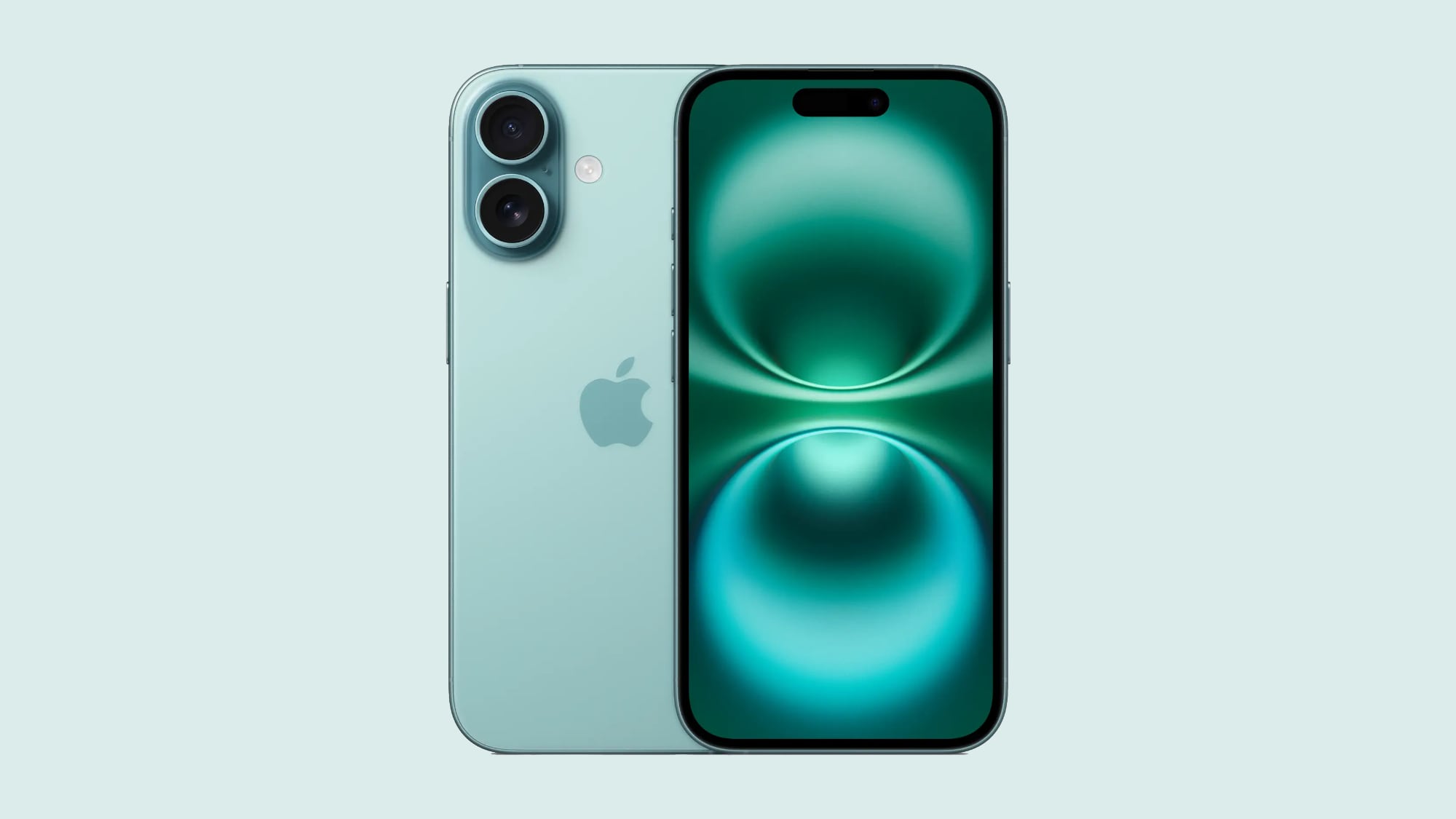
Why Was Apple Sued? Understanding the Core of the Dispute
The heart of this class action lawsuit lies in what plaintiffs—the group of affected consumers—alleged was "false advertising" by Apple regarding its Siri artificial intelligence capabilities. To fully grasp the context, we need to rewind a bit and look at Apple's announcements and the subsequent delays.
The Promises of Apple Intelligence and Siri
In June 2024, Apple unveiled a groundbreaking set of features collectively known as "Apple Intelligence." This suite was presented as a deeply integrated personal intelligence system for iPhones, iPads, and Macs, designed to enhance user experience by understanding personal context and performing tasks more intuitively. A central pillar of Apple Intelligence was a significantly revamped Siri.
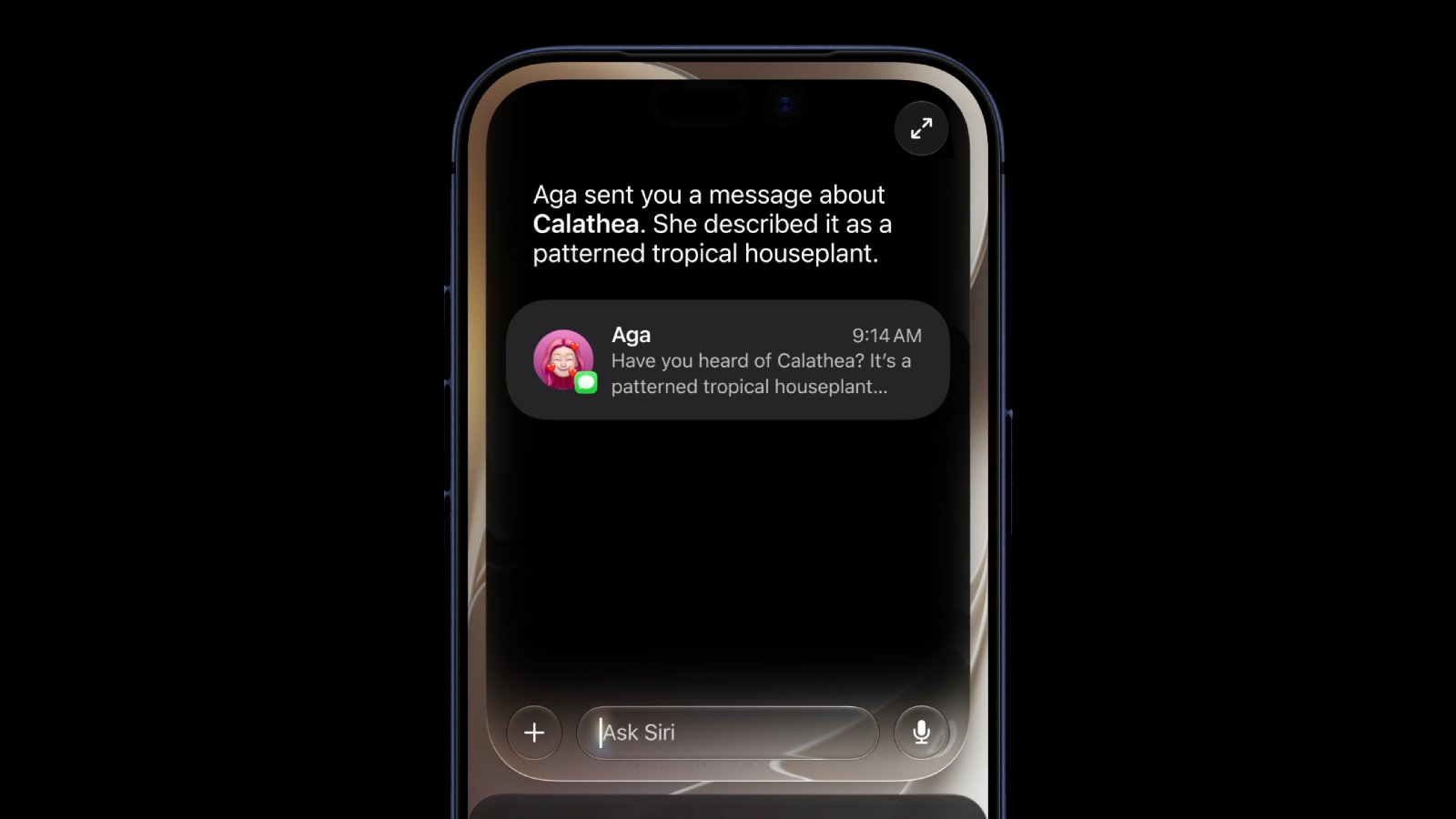
The company previewed exciting new capabilities for Siri. These weren't just minor updates; they promised a paradigm shift in how users would interact with their digital assistant. Key among these was Siri's enhanced understanding of a user's personal context. This meant Siri would be able to draw information from various apps and understand the nuances of a user's life without needing explicit instructions for every piece of data.
Another advertised feature was Siri's "on-screen awareness." This promised the ability for Siri to understand and interact with what was currently displayed on the user's screen, making it incredibly powerful for tasks like summarizing web pages, analyzing documents, or providing quick actions related to on-screen content. Additionally, deeper per-app controls were showcased, allowing Siri to perform more complex actions within individual applications.
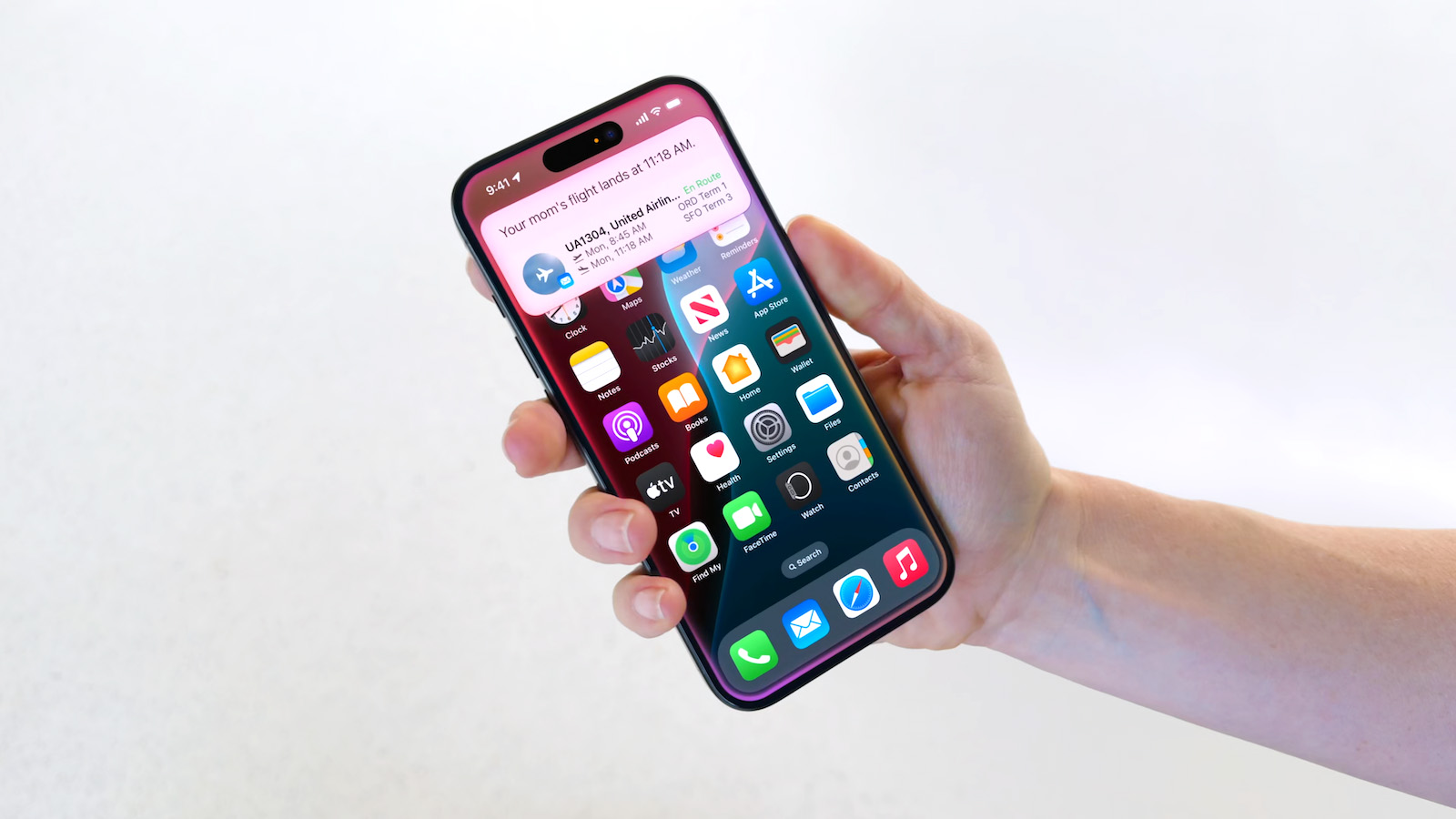
Apple provided compelling examples to illustrate these advancements. One particularly memorable demonstration involved an iPhone user asking Siri about their mother's flight and lunch reservation plans. The impressive part was that Siri could intelligently pull this information from multiple sources, such as the Mail app (for flight details) and the Messages app (for lunch plans), and synthesize it into a coherent answer. This showed a level of integration and proactive assistance that was a significant leap forward from previous iterations of Siri.
Extensive Advertising and Building Expectations
Apple didn't shy away from promoting these revolutionary Siri features. They were prominently showcased in product presentations, detailed on Apple's official website, and even featured in high-profile advertising campaigns. This included a memorable TV commercial starring actor Bella Ramsey, among other advertisements. These campaigns effectively built high expectations among consumers, especially those considering purchasing new iPhone models like the iPhone 15 Pro or upcoming iPhone 16 series, which were implied to be the primary beneficiaries of these advanced AI capabilities.
The Delay and the Lawsuit
The problem arose in March 2025, when Apple announced a delay in the launch of the personalized version of Siri. This meant that the much-anticipated features, which had been advertised as key selling points for new devices, would not be available as initially promised. This delay was a significant blow to consumer expectations and quickly led to the company being hit with the class action lawsuit.
The lawsuit alleged "false advertising" on Apple's part. The core argument was that consumers were induced to purchase specific iPhone models based on the promise of these advanced Siri capabilities, only for those features to be delayed significantly. This delay, the plaintiffs argued, diminished the value of their purchases. While Apple, in a statement, highlighted a range of other Apple Intelligence features it had already released, implying that users still received considerable value, the company ultimately agreed to settle the lawsuit. Apple stated its decision to settle was "to stay focused" on "delivering the most innovative products and services to our users," a common reason for large companies to settle such disputes—to avoid prolonged legal battles that can be costly and distracting.
Siri AI's Eventual Launch
Despite the initial delay and the ensuing legal action, Apple eventually did bring the promised AI features to fruition. Apple finally announced "Siri AI" at its Worldwide Developers Conference (WWDC) in June 2026. This revamped assistant is currently available for testing on the iOS 27 developer beta, with a public beta version expected to follow later this month. The full release of iOS 27, which will include "Siri AI," is anticipated in September. At that point, these advanced capabilities will finally be accessible to all users with an iPhone 15 Pro or any newer iPhone model, almost two years after their initial preview. This timeline underscores the complexity of developing such advanced AI features and the gap between initial promises and actual delivery that led to the lawsuit.
Am I Eligible for a Payout? Detailed Eligibility Criteria
One of the most important questions for many readers is whether they qualify to receive a payment from this settlement. Eligibility for class action lawsuits is usually very specific, designed to include only those individuals who were directly affected by the issues described in the lawsuit. For this particular settlement with Apple, the criteria are clear, but it's crucial to understand them fully.
The Core Requirements for Eligibility
To be eligible to submit a claim in this Apple Siri settlement, you must meet two primary conditions:
- Residency: You must reside in the United States. This settlement is a U.S. class action lawsuit, meaning it applies only to consumers within the U.S.
- Purchase Date and Model: You must have purchased any iPhone 15 Pro or iPhone 16 model between June 10, 2024, and March 29, 2025. This specific timeframe and list of models are critical because they define the period and products directly associated with the alleged false advertising regarding the delayed Siri AI features.
The Full List of Eligible iPhone Models
To make it absolutely clear, here is the complete list of iPhone models that qualify for eligibility if purchased within the specified dates:
- iPhone 15 Pro
- iPhone 15 Pro Max
- iPhone 16
- iPhone 16e
- iPhone 16 Plus
- iPhone 16 Pro
- iPhone 16 Pro Max
If you purchased any of these models during the designated period while residing in the U.S., you are likely an eligible class member.
What About Proof of Purchase and Device Ownership?
A common concern in class action settlements is the need for physical proof. While the official settlement website is not yet live, and thus exact requirements haven't been finalized, we can infer from similar past settlements what might be expected.
It is generally unlikely that individuals submitting a claim will still need to have physical possession of an eligible iPhone model. Class action lawsuits often recognize that consumers might upgrade their devices or sell them over time. Therefore, the focus is usually on proving the original purchase.
However, there is a strong possibility that proof of purchase will be required. This could include:
- Receipts: Digital or physical receipts from an authorized Apple reseller or Apple itself.
- Bank or Credit Card Statements: Showing the transaction for the iPhone purchase.
- Carrier Contracts: If the phone was purchased through a mobile carrier, the contract might serve as proof.
- Order Confirmations: For online purchases, email confirmations are often accepted.
In some cases, other identifying information about the device, such as its serial number, might also be requested. The serial number helps confirm that the purchased device falls within the eligible model range and was indeed manufactured and sold by Apple. It's a unique identifier that can be found in the device's settings (if you still have it) or on the original packaging.
We strongly recommend that if you believe you are eligible, you start gathering any documentation related to your iPhone purchase from that period. Keeping these records handy will streamline the claims process once the settlement website goes live. The exact requirements for submitting a claim, including what specific proof is needed, will be clearly outlined on the official settlement website when it becomes available. Until then, hold onto any relevant purchase information you have.
How Much Will Apple Pay Me? Understanding the Payout Structure
The financial aspect is often what motivates individuals to participate in a class action settlement. For this Apple Siri settlement, the payout structure is designed to distribute the $250 million fund among all eligible claimants. Here's what you need to know about how much you might receive.
The Base and Potential Increased Payment
According to the preliminary terms of the settlement, each person who successfully files an eligible claim will receive a per-device payment of $25. This means that if you purchased one eligible iPhone model, your base payout would be $25. If you purchased multiple eligible devices within the specified timeframe, you might be able to claim for each device, potentially increasing your total payout.
However, there's an interesting clause that could lead to a higher individual payment. The settlement fund is fixed at $250 million. If the total number of eligible claims submitted is lower than what was anticipated during the settlement negotiations, the per-device payment could increase. This is because the total fund needs to be distributed, and if fewer people claim, there's more money available for each claimant. In such a scenario, the per-device payment could increase up to a maximum of $95.
This variability means that while a minimum of $25 per device is expected for all valid claims, there's a possibility of receiving a more substantial sum. The final per-device amount will only be determined after the claims period closes and the total number of valid claims has been processed.
Understanding the Settlement Fund
It's important to remember that the $250 million figure is the total settlement amount. This fund not only covers payments to eligible class members but also typically includes legal fees for the attorneys who brought the lawsuit, administrative costs for managing the settlement (such as setting up the website, processing claims, and distributing payments), and any incentive awards for the named plaintiffs who represented the class. The exact distribution of the $250 million will be outlined in the final settlement agreement approved by the court.
When to Expect Payment
Receiving a payment from a class action settlement is often a lengthy process. After the claims period closes and all claims are processed, there's usually a final approval hearing by the court. Only after final approval and any potential appeals are resolved can payments begin. This can take several months, or even longer, after the claims submission deadline. Patience is key, but rest assured that once your claim is approved, you will eventually receive your payment.
Where and When Can I Submit a Claim? Your Guide to the Claims Process
Now that the settlement has received preliminary approval, the next logical step for eligible individuals is to understand how and when they can actually submit a claim. While the claims process is not yet active, we can outline the expected steps and timelines based on standard class action procedures.
The Official Settlement Website: Your Primary Resource
Over the coming months, a dedicated settlement website is expected to go live. This website will be the central hub for all information related to the settlement, including the official legal documents, detailed eligibility criteria, important dates and deadlines, and, most importantly, the online claims form.
The online claims form will be the primary method for eligible individuals to submit their requests for payment. It will guide you through the process of providing your personal details, information about your eligible iPhone purchase, and any required documentation. It is crucial to use only the official settlement website for submitting your claim to avoid scams or misinformation. We will update our readers with the official website URL as soon as it is made public.
Notification to Eligible Class Members
According to the court documents, eligible class members are expected to be notified directly by email. This notification process is anticipated to begin within approximately 45 days after the settlement received preliminary approval (which occurred on July 17). This means you might receive an email notification around early September.
These emails will typically come from the settlement administrator, a third-party company appointed by the court to manage the claims process. The notification will contain essential information, including:
- A summary of the settlement.
- Confirmation of your potential eligibility.
- Instructions on how to submit a claim.
- The link to the official settlement website.
- Information about your rights, such as the option to object to the settlement or opt out of it (though opting out means you wouldn't receive a payment from this specific settlement).
It is vital to check your email, including spam or junk folders, for these notifications. Ensure your email address associated with any Apple purchases or accounts is up to date.
What if I Don't Receive a Notification?
Even if you do not receive an email notification, you are still eligible to submit a claim if you meet the criteria outlined previously. This is a very important point. The email notification system might not reach every single eligible person for various reasons (e.g., outdated email addresses, emails going to spam, or technical glitches).
Therefore, if you are a U.S. resident who purchased one of the eligible iPhone models (iPhone 15 Pro, iPhone 15 Pro Max, iPhone 16, iPhone 16e, iPhone 16 Plus, iPhone 16 Pro, or iPhone 16 Pro Max) between June 10, 2024, and March 29, 2025, you should still visit the official settlement website once it's live and submit a claim. Don't wait for an email if you know you meet the criteria.
Key Dates and Deadlines to Watch For
While specific dates for claims submission are pending, here's a general timeline to anticipate:
- Early September 2026: Expected start of email notifications to class members.
- Late 2026 / Early 2027: Anticipated launch of the official settlement website and the opening of the claims submission period. This period usually lasts for several months.
- Mid-2027: Expected deadline for submitting claims.
- Late 2027 / Early 2028: Final approval hearing and distribution of payments (this is an estimate, as legal processes can be unpredictable).
We cannot stress enough the importance of being proactive and keeping an eye on official announcements. Missing a deadline for claims submission means forfeiting your right to receive a payout.
Understanding Class Action Lawsuits: A Brief Overview
For many, participating in a class action lawsuit might be a new experience. Understanding the basic principles can help demystify the process and highlight the importance of such legal actions for consumer protection.
What is a Class Action Lawsuit?
A class action lawsuit is a type of legal proceeding where one or several individuals, known as "named plaintiffs," bring a lawsuit on behalf of a larger group of people, referred to as the "class." All members of this class have suffered similar harm or damages from the same defendant (in this case, Apple). Instead of each individual filing their own lawsuit, which would be impractical and inefficient, the class action allows a single case to resolve the claims of potentially thousands or millions of people.
The Purpose of Class Actions
Class actions serve several crucial purposes:
- Efficiency: They streamline the legal process by consolidating many similar claims into one.
- Access to Justice: They provide a way for individuals with relatively small damages (like a $25 or $95 payout) to seek redress, as individual lawsuits would be too costly to pursue.
- Deterrence: They hold large corporations accountable for their actions and can deter future misconduct by imposing significant financial penalties.
The Role of the Judge and Preliminary Approval
In a class action settlement, the court plays a vital role in protecting the interests of the class members. The judge must determine if the proposed settlement is fair, reasonable, and adequate for all affected individuals.
Preliminary Approval: This is the stage we are currently in with the Apple Siri settlement. During preliminary approval, the judge conducts an initial review of the settlement terms. If the judge believes the settlement has a reasonable chance of being approved in the future, they grant preliminary approval. This allows the settlement administrator to begin the process of notifying class members and setting up the claims process. It's not a final decision, but it's a strong indication that the settlement is moving forward.
Final Approval: After the claims period and any objections from class members, the judge holds a final approval hearing. At this hearing, the judge considers any objections, reviews the fairness of the settlement again, and makes a final decision on whether to approve the settlement. Only after final approval can payments be distributed.
Why Companies Settle
Companies like Apple often choose to settle class action lawsuits for several reasons:
- Avoid Costly Litigation: Going to trial can be incredibly expensive, involving extensive legal fees, discovery processes, and potential appeals.
- Reduce Risk: A trial carries the risk of a much larger judgment or negative public perception if the company loses.
- Focus on Business: As Apple stated, settling allows them "to stay focused" on their core business activities rather than being tied up in legal battles.
- Reputation Management: Settling, while admitting no wrongdoing, can sometimes be seen as a way to resolve consumer complaints and maintain goodwill.
This settlement highlights the power of collective action in holding even the largest corporations accountable for their promises to consumers.
Frequently Asked Questions (FAQs)
To further clarify common queries, here are some frequently asked questions about the Apple Siri settlement:
Q1: Do I need a lawyer to file a claim?
No, you do not need your own lawyer to file a claim. The settlement administrator will provide an online claims form and instructions on the official settlement website. The lawyers who brought the class action represent the entire class.
Q2: What if I bought an eligible iPhone, but I no longer own it?
As mentioned, it's unlikely you need to still own the phone. Your eligibility is based on the purchase of the device within the specified dates. However, you will likely need proof of that original purchase.
Q3: Can I object to the settlement or opt out?
Yes, as a class member, you generally have the right to object to the terms of the settlement if you believe it's not fair, or to opt out entirely. If you opt out, you would not receive any payment from this settlement but would retain your right to pursue your own individual lawsuit against Apple (which is typically not cost-effective for claims of this size). Details on how to object or opt out will be provided on the official settlement website.
Q4: How will I receive my payment?
Payment methods typically include a mailed check or electronic payment options (like PayPal, Venmo, or direct bank transfer). The exact methods will be specified on the settlement website.
Q5: Is this settlement legitimate, or is it a scam?
This settlement is legitimate. It has received preliminary court approval and is part of a real legal process. However, always be wary of phishing attempts. Only rely on information from official sources, primarily the upcoming settlement website and communications from the court-appointed administrator. Do not click on suspicious links or provide personal information to unofficial sources.
Conclusion: Stay Informed, Prepare Your Documents
The preliminary approval of Apple's $250 million settlement for the Siri AI lawsuit marks a significant step toward compensating eligible iPhone users. While the process is still unfolding, with the official claims website and further notifications yet to come, the groundwork has been laid.
For U.S. residents who purchased an iPhone 15 Pro or iPhone 16 model between June 10, 2024, and March 29, 2025, this settlement offers a tangible form of recourse. We encourage you to proactively gather any proof of purchase for your eligible device and stay vigilant for official communications.
As the process moves forward, we will continue to provide updates, including the crucial link to the official settlement website once it is live. Your patience and preparedness will be key to successfully claiming your potential payout.
This article, "Siri Settlement Approved: Apple to Pay Owners of Some iPhone Models" first appeared on MacRumors.com
Discuss this article in our forums
from MacRumors
-via DynaSage
