
MacBook Ultra OLED Touch Panel to Be Exclusively Supplied by Samsung
The Future of MacBook Pro: Apple Embraces OLED Touch Screens with Samsung Display
Get ready for a significant leap forward in Apple's iconic MacBook Pro lineup! A fresh report from Korea-based industry publication The Elec reveals a groundbreaking shift: Apple is set to exclusively partner with Samsung Display for the production of cutting-edge OLED touch panels for its highly anticipated, redesigned MacBook Pro models. This strategic move signals a new era for Apple laptops, promising unparalleled visual experiences and interactive capabilities.
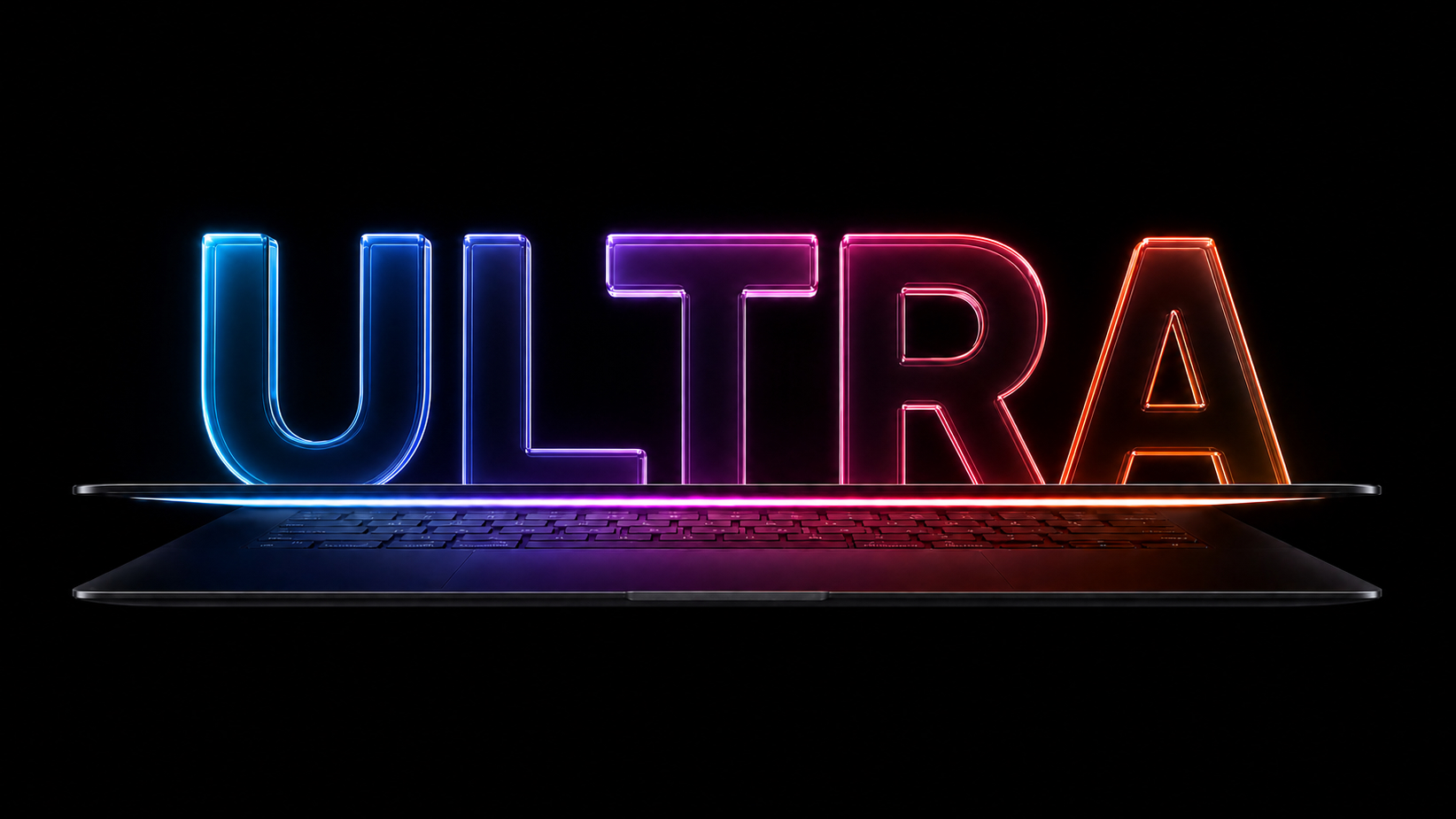
This news isn't just about a new screen; it's a testament to Apple's relentless pursuit of innovation and a clear indication that the company is ready to redefine what a professional laptop can be. From stunning visuals to intuitive touch interaction, the next generation of MacBook Pro is shaping up to be truly revolutionary. Let's dive into the details of this exciting development, exploring why OLED is a game-changer, why Samsung secured this exclusive deal, and what other incredible features we can expect from these future MacBooks.
Why OLED is a Game Changer for MacBook Pro
For years, Apple has reserved its best display technology, OLED (Organic Light Emitting Diode), for its iPhones, Apple Watches, and more recently, some iPad Pro models. Now, it's finally the MacBook Pro's turn, and the benefits for users will be profound. Unlike traditional LCD (Liquid Crystal Display) screens, which rely on a separate backlight to illuminate all pixels, OLED panels are self-emissive. This means each tiny pixel generates its own light and can be individually controlled or even completely turned off. This fundamental difference leads to a host of superior visual qualities.
Experience True Blacks and Infinite Contrast
Perhaps the most striking advantage of OLED is its ability to produce "perfect blacks." When an OLED pixel is off, it emits absolutely no light, resulting in a true black that blends seamlessly with the display bezel. This creates an infinite contrast ratio, making colors pop with incredible vibrancy and depth that LCDs, even the best mini-LED ones, simply cannot match. For professional users who work with photos, videos, or graphic design, this means a much more accurate and immersive viewing experience. Dark scenes in movies will have unprecedented detail, and images will leap off the screen with lifelike realism.
Vibrant Colors and Incredible Detail
OLED displays are renowned for their wide color gamut and exceptional color accuracy. They can reproduce a broader spectrum of colors with greater precision, making every image and video look richer and more true to life. This is crucial for creators who depend on exact color representation in their work. Furthermore, the way OLED pixels illuminate contributes to sharper text and finer details, enhancing overall clarity for everything from reading documents to intricate design work.
Faster Response Times and Smoother Motion
Another key benefit of OLED technology is its incredibly fast response time. Pixels can change state almost instantaneously, which virtually eliminates motion blur and ghosting. For tasks like fast-paced video editing, gaming, or simply scrolling through content, this translates into a much smoother and more fluid visual experience. Actions on the screen will feel more immediate and responsive, reducing eye strain and enhancing overall user comfort.
Energy Efficiency and Thinner Designs
While often associated with power consumption, OLED can be highly energy-efficient, especially when displaying darker content. Since individual pixels can be turned off, less power is consumed in areas of the screen showing black. This could potentially extend battery life, particularly with macOS's Dark Mode. Beyond performance, OLED panels are inherently thinner and lighter because they don't require a separate backlight layer. This allows Apple to create even more elegant, streamlined, and portable MacBook Pro designs, perfectly aligning with rumors of a "thinner design" for the upcoming models.
The Power of Touch Interaction
And then there's the touch capability. While Apple has long resisted putting touchscreens on its MacBooks, the adoption of OLED panels, which are inherently well-suited for touch input, strongly suggests this long-standing philosophy is about to change. An OLED touch screen on a MacBook Pro will open up entirely new ways for users to interact with their professional software, navigate macOS, and engage with media, blending the best of touch-first devices with the power and precision of a traditional laptop.
Samsung Display: Apple's Exclusive Partner for OLED
The report from The Elec highlights that Samsung Display will be the sole supplier for these crucial OLED touch panels. This is a significant win for Samsung and speaks volumes about their technological prowess and manufacturing capabilities. The 14-inch and 16-inch panels for the new MacBook Pro models will be produced at Samsung's advanced 8.6-generation OLED manufacturing line located in Asan, within Korea's South Chungcheong Province.
Understanding "8.6-Generation" Manufacturing
The term "8.6-generation" refers to the size of the glass substrates used in the display manufacturing process. Larger generation lines use bigger glass sheets, allowing display makers to cut more individual panels from a single substrate. This results in greater efficiency, lower production costs per panel, and higher output volumes. Samsung's decision to dedicate an 8.6-generation line to Apple's MacBook Pro panels underscores the massive scale of this project and Apple's projected demand.
Why Samsung Beat the Competition
The report explicitly states that Apple did not consider other major display manufacturers like LG Display or China's BOE Technology Group for this critical panel development. The reasons cited were "yield and efficiency issues," along with "already-busy OLED production lines" at these competitors. Let's break down what this means:
- Yield Issues: In manufacturing, "yield" refers to the percentage of defect-free products produced from a batch. Low yield means a high number of panels are faulty, increasing costs and slowing down production. Apple, known for its stringent quality control, likely found Samsung's yield rates for the specific OLED technology required to be superior.
- Efficiency Concerns: Beyond just yield, manufacturing efficiency also involves speed, cost-effectiveness, and waste reduction. Samsung likely demonstrated a more streamlined and optimized process for producing these complex OLED touch panels.
- Busy Production Lines: Both LG Display and BOE are significant players in the OLED market, supplying panels for various products, including other Apple devices and numerous other brands. Their existing production lines might simply not have had the capacity or flexibility to meet Apple's demanding timelines and specifications for a brand-new product line like the OLED MacBook Pro.
This left Samsung as the "default sole supplier," a position they apparently secured by working hand-in-hand with Apple from the very beginning. Samsung is said to have been actively involved in adapting its panel specifications and manufacturing capabilities throughout the development process, ensuring that the final product meets Apple's exacting standards. This close collaboration is vital for integrating new technologies seamlessly into Apple's ecosystem and highlights Samsung's commitment to securing and maintaining a strategic partnership with one of the world's leading tech companies.
Initial Supply and Mass Production Timeline
The estimated initial supply of these 14-inch and 16-inch OLED panels is reported to be around 2.5 million units. This substantial figure indicates Apple's confidence in the demand for these high-end machines. Mass production is expected to kick off around August, which aligns with typical product development cycles for a late 2026 or early 2027 launch. This timeline provides enough buffer for Apple to refine the final product, ramp up assembly, and ensure a smooth rollout of its next-generation professional laptops.
The Next-Gen MacBook Pro: Beyond the Display
While the OLED touch screen is undoubtedly a headline feature, it's just one aspect of a massive refresh planned for Apple's high-end MacBook Pro models. Industry watchers and reliable sources like Bloomberg's Mark Gurman have detailed a slew of other exciting rumored features that will transform these laptops into truly next-generation devices. These advancements extend from internal power to external aesthetics and user interaction.
The Powerhouse Within: M5 Pro and M5 Max Chips
At the heart of these new MacBook Pros will be Apple's next-generation silicon: the M5 Pro and M5 Max chips. Following the incredible success and performance leaps seen with the M1, M2, M3, and M4 series, the M5 chips are expected to deliver even more astonishing levels of power, efficiency, and specialized capabilities. We can anticipate significant improvements in:
- CPU Performance: Faster processing for demanding tasks like 3D rendering, video encoding, and complex scientific computations.
- GPU Performance: Enhanced graphics capabilities for professional applications, gaming, and machine learning workloads, making the OLED screen shine even brighter.
- Neural Engine: A more powerful Neural Engine to accelerate AI and machine learning tasks, which are becoming increasingly integrated into professional software and macOS itself.
- Energy Efficiency: Apple Silicon has consistently delivered industry-leading power efficiency, allowing for incredible performance without sacrificing battery life, a trend that will surely continue with the M5 generation.
These chips will not only handle the most intensive professional workflows with ease but will also be crucial for powering the advanced OLED display and the new touch-friendly interface, ensuring a fluid and responsive user experience even with demanding graphical and interactive elements.
A Seamless View: Dynamic Island (No Notch)
One of the most talked-about design changes for future MacBooks involves the potential removal of the much-debated "notch" – the cutout at the top of the display that houses the webcam and other sensors. Instead, rumors suggest a "Dynamic Island" like implementation, similar to what's found on recent iPhone Pro models. While the exact form factor on a MacBook might differ, the concept remains the same: a more elegant and less intrusive way to integrate the camera and other sensors, perhaps even offering interactive widgets and notifications that adapt dynamically to user activity.
This would free up valuable screen real estate, creating a more expansive and uninterrupted viewing area, which is especially important for professional users who demand maximum visual canvas for their work.
Sleeker Than Ever: A Thinner Design
As mentioned earlier, the inherent thinness of OLED panels plays a key role in enabling a thinner design for these upcoming MacBooks. Apple is known for its obsession with thinness and portability, and the next-generation MacBook Pro is expected to push these boundaries further. A thinner chassis won't just improve aesthetics; it will make the laptops easier to carry, more comfortable to use on the go, and generally more modern. Combined with the anticipated performance boosts and advanced display, this design refinement will truly mark a fresh chapter for the MacBook Pro.
Introducing the "MacBook Ultra"?
Adding another layer of excitement, there's speculation that these top-tier models could adopt "MacBook Ultra" branding. This would mirror Apple's strategy with the Apple Watch Ultra and the M-series Ultra chips, signifying an even higher echelon of performance, features, and premium experience above the standard "Pro" line. If true, "MacBook Ultra" would represent the absolute pinnacle of Apple's laptop engineering, catering to users who demand nothing but the very best, regardless of cost.
macOS 27: Ready for Touch
Perhaps one of the most compelling pieces of evidence for touch functionality on future MacBooks is the rumor that "macOS 27 will include a touch-friendly interface ready for the laptops." This is a significant pivot for Apple, which has historically maintained a clear distinction between its touch-first iPadOS/iOS and its mouse-and-keyboard-centric macOS. A touch-friendly macOS would likely involve:
- Redesigned UI Elements: Larger tap targets, more intuitive gestures, and potentially a more spacious layout when touch is detected.
- Enhanced Multitouch Gestures: Expanding on current trackpad gestures to include direct screen interactions for zooming, scrolling, and manipulating content.
- Optimized Apps: While existing apps would still work with mouse/trackpad, Apple might encourage developers to optimize their applications for touch input, offering dual modes of interaction.
- Seamless Transition: The goal would be to make touch an optional, yet powerful, input method that complements the traditional keyboard and trackpad, rather than replacing them. This could be particularly useful for creative apps, quick navigation, and media consumption.
This commitment to a touch-optimized operating system underscores Apple's serious intent to integrate touch into the MacBook experience, potentially offering the best of both worlds: the precision of a mouse/trackpad for detailed work and the immediacy of touch for intuitive interaction.
Launch Timeline and Market Impact
According to Bloomberg's Mark Gurman, a highly reliable source for Apple product information, the 14-inch and 16-inch MacBook Pro models with OLED touch screens were initially pegged for a launch in late 2026 to early 2027. However, his most recent update on the matter suggests that early 2027 is now more likely. The primary reason for this slight adjustment is attributed to the ongoing global chip shortage, a widespread issue that has impacted various industries, causing delays in manufacturing and supply chains for complex electronic components.
Even with potential minor delays, the anticipation for these new MacBooks remains incredibly high. When they do arrive, they are poised to send ripples across the entire laptop market. Apple's adoption of OLED and touch on its flagship professional laptops will inevitably push competitors to innovate further, potentially accelerating the adoption of similar technologies across the premium PC segment. This means better screens, more interactive experiences, and perhaps even bolder designs for consumers across the board.
The "MacBook Ultra" moniker, combined with state-of-the-art M5 chips, a Dynamic Island, a thinner profile, and a touch-friendly macOS 27, paints a picture of a truly premium and groundbreaking device. While the price point for such advanced technology is expected to be at the higher end, the value proposition for professionals and enthusiasts seeking the ultimate portable workstation will be undeniable. This launch won't just be another product release; it will be a statement from Apple about the future direction of its entire Mac ecosystem.
Conclusion: A New Era for MacBooks is Dawning
The news that Apple will exclusively rely on Samsung Display for OLED touch panels for its next-generation MacBook Pro models marks a pivotal moment in the evolution of the Mac. This isn't merely an upgrade; it's a fundamental reimagining of the professional laptop experience. From the breathtaking visuals offered by OLED technology – with its perfect blacks, vibrant colors, and lightning-fast response times – to the unprecedented integration of touch input and a touch-friendly macOS 27, these MacBooks are set to redefine user interaction and productivity.
Backed by the immense power of the M5 Pro and M5 Max chips, coupled with a stunningly thin design and the potential for "MacBook Ultra" branding, Apple is clearly aiming for the pinnacle of portable computing. Samsung Display's critical role in supplying these advanced panels, thanks to their industry-leading technology and close collaboration with Apple, highlights the complex yet crucial partnerships that drive innovation in the tech world.
As we look towards late 2026 and early 2027, the excitement for these revolutionary MacBook Pro models, possibly under the "MacBook Ultra" banner, continues to build. They promise not just improved specifications, but a truly transformative experience that will empower creative professionals, accelerate workflows, and immerse users in a new dimension of computing. The future of the MacBook Pro is bright, vibrant, and, for the first time, truly touchable.
This article, "MacBook Ultra OLED Touch Panel to Be Exclusively Supplied by Samsung" first appeared on MacRumors.com
Discuss this article in our forums
from MacRumors
-via DynaSage
