
League Of Legends Classic Makes Skins Free After A Big Fan Backlash
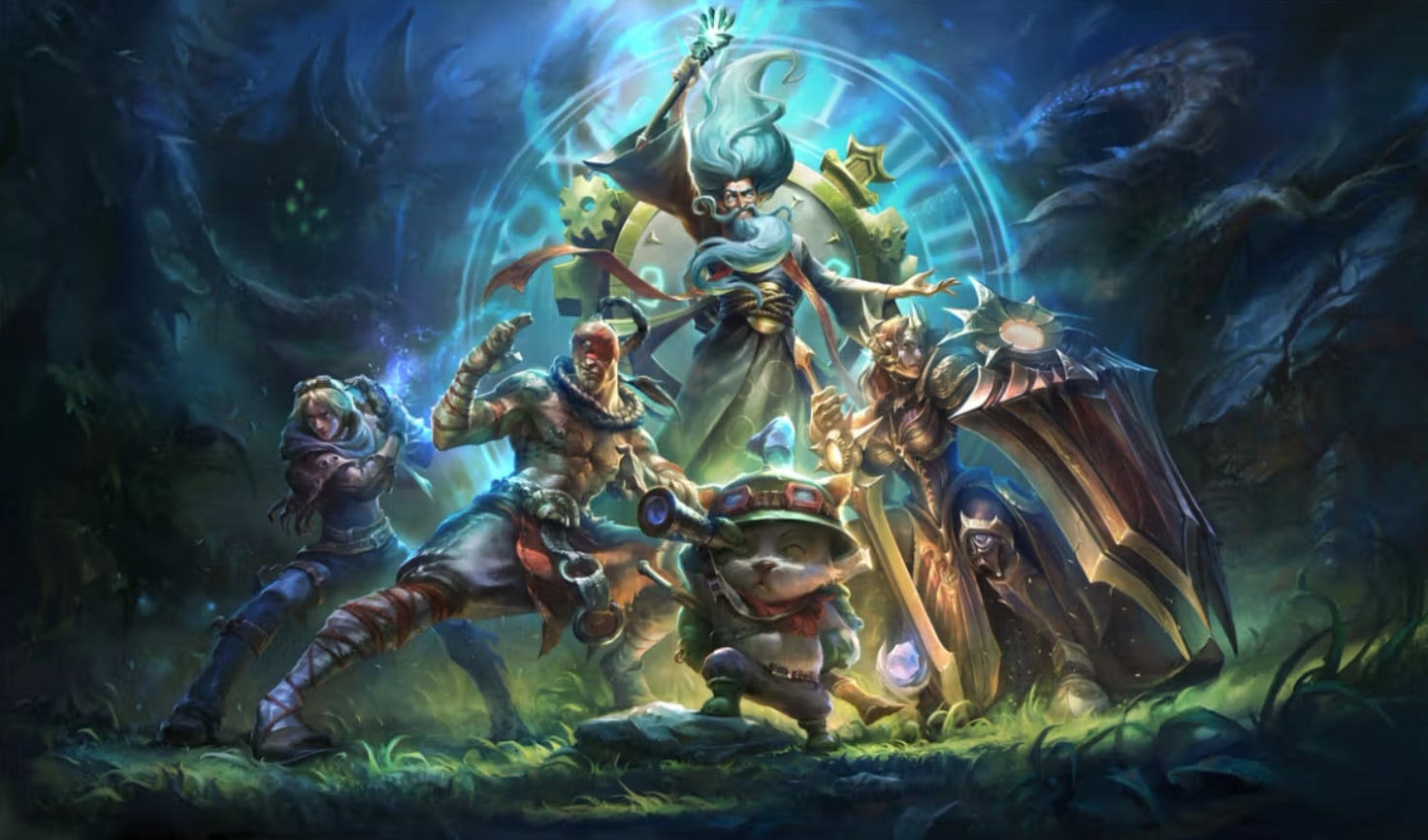
Riot Games Listens: All 60 League of Legends Classic Skins Now FREE After Community Backlash!
In a significant win for players and a commendable move by developers, Riot Games has announced a pivotal change to its plans for League of Legends Classic. Following widespread criticism and accusations of being "greedy," Riot Games has reversed its decision to lock the original (OG) classic skins behind a paywall. This means that all 60 of these iconic classic skins are now available to players for free. This development marks a victory for community feedback and highlights the importance of listening to the player base in the ever-evolving world of gaming.
The Excitement of League of Legends Classic: A Trip Down Memory Lane
The announcement of League of Legends Classic sparked immense excitement among the game's long-standing community. For over a decade, League of Legends has grown into a global phenomenon, constantly evolving with new champions, reworks, visual updates, and gameplay changes. While these updates keep the game fresh, many veteran players have often expressed a longing for the simpler times, the original aesthetic, and the raw, unrefined charm of the game's early years. League of Legends Classic promised to deliver just that: a faithful recreation of the game as it existed in its nascent stages, allowing players to relive the nostalgia of their first Summoner's Rift battles.
This "classic" version isn't just a re-skin; it's an opportunity to experience a foundational piece of gaming history. Players can immerse themselves in the original champion designs, character models, voice lines, and map layouts that defined the game's launch. For many, this isn't just about playing a game; it's about reconnecting with cherished memories, rekindling old rivalries, and celebrating the roots of a game that has profoundly impacted their lives. The allure of League of Legends Classic lies in its ability to transport players back to a time before the meta became hyper-optimized, before competitive play dominated every decision, when the game was perhaps a bit rougher around the edges but overflowing with a unique, exploratory spirit.
The Initial Controversy: A "Greedy" Misstep and Community Outcry
Despite the initial excitement, a significant shadow was cast over League of Legends Classic with Riot's initial monetization plan for the classic skins. The company announced that while the core classic experience would be free, the original 60 classic skins, representing the very first cosmetic appearances of champions, would be locked behind a paywall. This decision was met with immediate and fierce backlash from the community.
Players argued that these "OG skins" weren't just ordinary cosmetics; they were intrinsic to the Classic experience. For many, these default skins were the original identities of the champions they learned to love. Locking them behind a purchase felt like a direct contradiction to the spirit of a "classic" release, which implied a full, authentic return to the game's roots. The accusations of "greed" stemmed from the perception that Riot was attempting to monetize nostalgia, charging players for content that felt like it should be a fundamental part of the classic offering, especially given the free-to-play nature of the original game.
The community's response was swift and unified. Social media platforms, forums, and gaming news outlets were flooded with passionate discussions, criticisms, and calls for Riot to reconsider. Players felt that demanding payment for what essentially amounted to historical default appearances was an unnecessary barrier and a cynical move to extract more money from a dedicated fanbase. The sentiment was clear: if the goal was to truly celebrate the game's origins, then the visual elements central to that experience should be freely accessible to all who wished to relive it.
Riot Games Responds: A Timely Reversal and Trust Rebuilding
Thankfully, Riot Games proved that it is a company capable of listening and adapting. Faced with overwhelming player feedback, they made the pivotal decision to reverse course. In an announcement that brought relief and praise from the community, Riot confirmed that all 60 classic skins would now be available for free to all League of Legends Classic players. This move demonstrates a willingness to prioritize player satisfaction and community sentiment over immediate profit, a critical aspect of maintaining a healthy relationship with a dedicated fanbase.
This reversal wasn't just about giving away free content; it was about rebuilding trust and reaffirming Riot's commitment to its players. In the highly competitive gaming industry, where monetization strategies are constantly under scrutiny, a company's ability to admit an error and correct it based on player feedback is invaluable. It shows that the voices of the community truly matter and can directly influence game development and business decisions. This proactive response helps to mend any perceived rifts and fosters a stronger, more positive bond between the developers and their player base.
The Significance of 60 Free Classic Skins: Unlocking Pure Nostalgia
The decision to make all 60 classic skins free is far more impactful than just a financial concession. It unlocks a treasure trove of pure nostalgia for veteran players and provides an authentic historical context for new players exploring League of Legends Classic. These skins are not just cosmetic items; they are artifacts of the game's past, representing the original visions for some of the most iconic champions in gaming history.
Imagine seeing Ashe with her original bow and armor, Garen in his first iteration of Demacian might, or Ryze with his initial, distinctive scroll. These are the appearances that defined countless early games, the ones players learned the game with, and the ones that evoke a powerful sense of "the way things used to be." Making them free ensures that every player diving into Classic gets the full, unadulterated experience, exactly as it was meant to be perceived years ago. It removes any sense of fragmentation or incompleteness from the nostalgic journey.
For long-time players, these skins carry sentimental value. They represent hours spent grinding, learning, and celebrating early victories. They remind players of simpler times before the game's lore deepened, and champions underwent various visual overhauls. Providing these skins freely respects that emotional connection, validating the players' shared history with the game. It allows everyone to fully appreciate the evolution of League of Legends by first experiencing its foundational aesthetics without any barriers.
The Power of Community and Player Advocacy
This entire episode serves as a powerful testament to the influence and importance of a strong, unified gaming community. Player advocacy, when channeled constructively, can genuinely sway the decisions of even the largest game development studios. The collective voice of the League of Legends community, expressed across various platforms, was too significant for Riot Games to ignore.
It highlights a crucial dynamic in modern game development: games are no longer simply products delivered from developers to consumers. They are living, evolving entities shaped by an ongoing dialogue between creators and players. This interaction demands transparency, responsiveness, and a genuine effort from developers to understand and address player concerns. When players feel heard and respected, it strengthens their loyalty and enthusiasm for the game.
This success story can also inspire other gaming communities to voice their opinions. It reinforces the idea that players are not just passive consumers but active participants in the evolution of their favorite games. When a community can articulate its concerns clearly and collectively, it possesses immense power to advocate for changes that benefit the entire player base and align with the core values of the game itself.
Broader Implications for Gaming Monetization and Ethics
Riot's decision also sparks a broader conversation about monetization strategies in the free-to-play (F2P) gaming landscape. While F2P games rely on in-game purchases to sustain development and operations, there's a delicate balance to strike between profitability and player goodwill. Aggressive or perceived "greedy" monetization can quickly alienate a player base, even one as loyal as League of Legends'.
The industry has seen various approaches, from cosmetic-only microtransactions to battle passes, loot boxes, and premium currencies. Each model comes with its own set of ethical considerations and player reception. The initial plan for League of Legends Classic skins touched upon a sensitive nerve: the monetization of core historical content. Players generally accept purchasing new, innovative skins or additional content, but charging for something considered fundamental to a "classic" experience felt like overstepping a boundary.
Riot's reversal serves as a valuable case study. It demonstrates that sometimes, the long-term benefit of player satisfaction and positive public relations outweighs the short-term gains from a contentious monetization scheme. It sets a precedent that ethical considerations and community expectations must be heavily factored into pricing strategies, especially when dealing with nostalgic or foundational game content. This move might encourage other developers to be more cautious and thoughtful about how they monetize their games, particularly when re-releasing classic versions or content deeply tied to player history.
What This Means for the Future of League of Legends Classic
The decision to make all classic skins free bodes incredibly well for the future success and longevity of League of Legends Classic. By removing a major point of contention, Riot has cleared the path for players to fully embrace and enjoy the retro experience without any lingering resentment or frustration.
This positive start is likely to foster a more engaged and enthusiastic player base for Classic. Players who felt slighted initially will now be more inclined to dive in, perhaps bringing friends along who were hesitant due to the controversy. A robust and happy player community is the lifeblood of any online game, and this move sets League of Legends Classic on a trajectory for strong community growth and sustained interest.
Furthermore, this incident could strengthen the overall relationship between Riot Games and its community. It reinforces the idea that Riot is responsive and values its players, which can lead to greater trust and goodwill for future projects and updates, not just for Classic but for the main League of Legends game and other Riot titles. It's a strategic investment in their most valuable asset: their players.
How to Access Your Free Classic Skins
For all eager Summoners ready to revisit the past, accessing these free classic skins should be a straightforward process within League of Legends Classic. Upon launching the game, players can expect the original 60 classic skins to be automatically unlocked and available in their champion collections. There will be no need for special purchases, grinding, or completing specific challenges to obtain them. Simply select your champion, and their classic, default appearance from the game's earliest days will be ready for you to use in your matches.
This frictionless access is key to the overall positive impact of Riot's decision. It ensures that the nostalgic journey is seamless and immediately gratifying, allowing players to jump straight into the action with the authentic visual experience they fondly remember. Keep an eye on official Riot Games announcements for precise instructions on client updates or specific sections within the League of Legends Classic interface where these skins will be displayed or confirmed as unlocked.
Conclusion: A Win for Players, A Lesson for Developers
The story of League of Legends Classic's 60 free skins is a compelling narrative of community power, developer responsiveness, and the enduring passion for gaming. What started as a point of controversy has transformed into a shining example of how listening to the player base can lead to positive outcomes for everyone involved. Riot Games' decision to make these iconic skins freely available is a commendable move that not only appeases a loyal community but also reinforces the importance of ethical monetization and respect for player sentiment.
This moment serves as a reminder that the heart of any great game lies in its community. When developers and players work together, even through initial disagreements, the resulting experience can be truly special. So, for all those who yearned for the return of original champion designs and the authentic feel of early League of Legends, the wait is over. Dive back into League of Legends Classic, embrace the nostalgia, and celebrate this significant victory for the gaming community. Your classic champions await, now completely free, just as they should be.
from Kotaku
-via DynaSage
