
Jared Leto Accused Of Sexual Misconduct By Multiple Women In New Documentary
Jared Leto: Unpacking the Decades-Spanning Allegations and His Enduring Career
Jared Leto, a name synonymous with versatility and intensity in Hollywood, stands at a unique crossroads in his storied career. From his breakout role in "My So-Called Life" to his critically acclaimed performance in "Requiem for a Dream" and his upcoming role in "Tron: Ares," Leto has consistently pushed boundaries, both on-screen and through his music with Thirty Seconds to Mars. Yet, beneath the surface of his artistic achievements and public persona, a persistent undercurrent of discussion has followed him: allegations that, as the saying goes, "span decades." This article aims to explore the multifaceted aspects of Jared Leto's career, the nature of these long-standing claims, and how they have shaped public perception, all while striving for a balanced and objective perspective.
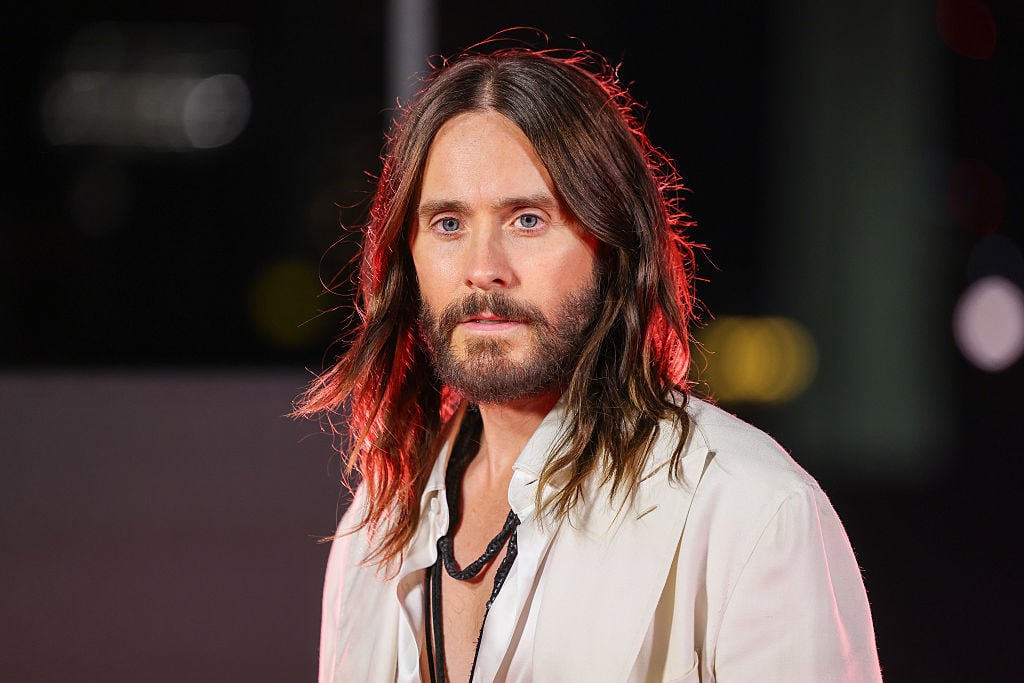
The journey of a public figure is often a complex tapestry woven with triumphs, challenges, and public scrutiny. For artists like Leto, whose work often delves into challenging themes and who embrace unconventional methods, this scrutiny can be particularly intense. The photograph above, capturing a moment from the "Tron: Ares" Berlin Premiere, serves as a fresh reminder of his continued presence in major cinematic projects. It prompts us to consider the narrative surrounding a star who, despite a consistent stream of high-profile roles and musical success, remains a subject of ongoing debate concerning his professional conduct and personal interactions. Our goal here is not to validate or invalidate specific claims but to understand the discourse surrounding them, their origins, and their impact on his public image and legacy.
Who is Jared Leto? A Deep Dive into a Multi-Hyphenate Star
Born in Bossier City, Louisiana, in 1971, Jared Leto's path to stardom was anything but conventional. He initially pursued an interest in fine arts, studying at the University of the Arts in Philadelphia and later at the School of Visual Arts in New York City. His foray into acting began in the early 1990s, quickly earning him widespread recognition as Jordan Catalano in the cult classic TV series "My So-Called Life." This role established him as a heartthrob and hinted at the brooding intensity that would define many of his future characters. However, it was his commitment to challenging, often dark roles that truly set him apart.
His performance as Harry Goldfarb in Darren Aronofsky's 2000 psychological drama "Requiem for a Dream" is widely considered a career-defining moment. Leto's raw, visceral portrayal of a heroin addict deeply affected audiences and critics alike, showcasing his remarkable ability to transform and immerse himself in complex characters. This film solidified his reputation as a serious actor willing to go to extreme lengths for his craft. Over the years, he continued to tackle diverse roles, earning an Academy Award for Best Supporting Actor for his transformative portrayal of Rayon, a transgender woman living with AIDS, in the 2013 film "Dallas Buyers Club." His other notable film credits include "Fight Club," "American Psycho," "Blade Runner 2049," "House of Gucci," and the polarizing interpretation of the Joker in "Suicide Squad."
Beyond his prolific acting career, Leto is also the lead vocalist, multi-instrumentalist, and primary songwriter for the rock band Thirty Seconds to Mars, which he formed with his older brother, Shannon Leto, in 1998. The band has achieved significant global success, selling over 15 million albums worldwide and earning numerous awards. Known for their anthemic sound and visually striking music videos, Thirty Seconds to Mars has cultivated a fiercely loyal and dedicated fanbase known as "The Echelon." The band's tours often feature interactive elements and a strong community spirit, which, while celebrated by many, has also occasionally drawn unique interpretations from observers.
Understanding the Landscape of "Allegations" in the Public Eye
The term "allegations" carries significant weight, especially when applied to public figures. At its core, an allegation is a claim or assertion that someone has done something illegal or wrong, typically made without proof. In the court of public opinion, these claims can take on a life of their own, circulating through traditional media, social media, and word-of-mouth, often long before any formal investigation or resolution, if one ever occurs. For celebrities like Jared Leto, whose lives are constantly under a microscope, the line between private actions and public scrutiny often blurs, leading to a complex web of narratives.
It's crucial to approach discussions about allegations with a nuanced understanding. The rise of social media platforms has democratized information sharing, giving voice to individuals who might otherwise have been unheard. This has been a powerful tool for accountability, as seen in movements like #MeToo, which brought widespread attention to issues of misconduct. However, it also presents challenges, as unverified claims can spread rapidly, potentially damaging reputations without due process. The responsibility falls on both the accusers to present credible information and the public to consume such information critically, distinguishing between substantiated facts, persistent rumors, and personal interpretations.
In the context of a decades-spanning career, allegations can originate from various sources and periods. They might relate to on-set behavior, interactions with fans, professional relationships, or personal conduct. What might have been dismissed or overlooked in a different era can resurface or be re-evaluated through a contemporary lens. This dynamic creates a challenging environment for public figures, who must navigate a constantly evolving landscape of expectations and accountability. For Jared Leto, the discussions surrounding his character and actions are not singular events but rather a mosaic of claims and perceptions that have accumulated and evolved over time, becoming an undeniable part of his public narrative.
The Historical Context: Claims and Public Discourse Spanning Decades
The notion that allegations concerning Jared Leto "span decades" points to a pattern of public discussion that has followed him through various phases of his career. This isn't a recent phenomenon but rather a recurring theme that has evolved alongside changes in media, celebrity culture, and societal norms. In the earlier parts of his career, during the 1990s and early 2000s, any emerging concerns might have been confined to niche fan forums or industry whispers. The internet was less pervasive, and the infrastructure for widespread public accusation and discussion, particularly from individuals outside traditional media, was limited.
However, with the explosion of social media platforms in the late 2000s and 2010s, the landscape dramatically shifted. Twitter, Facebook, and later Instagram and TikTok provided unprecedented avenues for individuals to share experiences, voice criticisms, and amplify concerns. This change allowed long-dormant or previously unheard claims to resurface and gain traction, connecting individuals who might have had similar experiences or observations. The #MeToo movement further intensified this shift, creating a global conversation about power dynamics, consent, and accountability in various industries, including entertainment. This period saw a heightened willingness to scrutinize the conduct of powerful figures, and what was once considered "eccentric" or "part of the creative process" began to be re-evaluated through a more critical lens.
For Jared Leto, this meant that certain aspects of his persona and professional methods, which might have been seen differently in the past, became subjects of intense public discussion. Stories about his method acting techniques, his interactions with fans of Thirty Seconds to Mars, and his general approach to his craft were revisited and often reinterpreted. The collective memory of the internet ensures that past interviews, social media posts, and anecdotal accounts remain accessible, contributing to a continuous dialogue about his conduct. This historical context is vital for understanding why these allegations persist and how they contribute to the complex public image of an artist who has remained relevant for over three decades.
Exploring the Nature of the Claims: A Broad Overview
When discussing the "allegations" against Jared Leto, it's important to understand that they are not monolithic but rather a collection of varying claims and public perceptions. These can generally be categorized into a few distinct areas, often overlapping and contributing to a broader narrative. It's crucial to reiterate that these are reports, public discussions, or claims, and not necessarily proven facts.
Method Acting and On-Set Behavior
One of the most widely reported areas of discussion centers on Leto's extreme method acting techniques and his behavior on film sets. He is known for deeply immersing himself in his roles, sometimes to the point of remaining in character throughout the production, even when off-camera. While many actors employ method acting, some of Leto's reported actions have drawn particular scrutiny. For instance, during the production of "Suicide Squad," where he portrayed the Joker, various cast members spoke of receiving unusual and disturbing "gifts" from Leto. These reports included items like a dead pig, live rats, used condoms, and anal beads, allegedly sent to his co-stars to foster a sense of unease and unpredictability, consistent with his character's persona.
These incidents sparked a significant debate. Some in the industry defended his approach as a dedicated, albeit unorthodox, commitment to his art. Others found such behavior unprofessional, disruptive, and potentially harassing, questioning the boundaries of method acting and professional etiquette. While Leto himself has often defended his commitment to roles as necessary for authentic portrayal, these specific instances have fueled conversations about appropriate conduct on a film set, particularly when it affects the comfort and safety of other cast and crew members. The tension between artistic freedom and professional boundaries remains a significant point of discussion surrounding his acting process.
Thirty Seconds to Mars and "Cult-Like" Allegations
Another area of consistent discussion relates to Jared Leto's band, Thirty Seconds to Mars, and its interaction with its devoted fanbase, "The Echelon." Over the years, some critics and former fans have described the band's community and certain fan events as having "cult-like" characteristics. This perception often stems from the intense loyalty of the fanbase, the band's strong emphasis on community and belonging, and events such as "Camp Mars," an annual multi-day experience that blends music, nature, and fan interaction. Attendees often express profound, life-changing experiences, while outsiders and some past participants have described the atmosphere as overwhelmingly intense or even manipulative.
Critics of the band's dynamics have pointed to the language used, the fervent devotion displayed by fans, and the way Leto, as the frontman, interacts with his followers, suggesting a dynamic that transcends typical artist-fan relationships. Leto and the band have consistently dismissed these characterizations, asserting that "The Echelon" is simply a passionate, supportive community, and that "Camp Mars" is a unique way to connect with fans. They view these descriptions as misinterpretations of an extraordinarily close bond with their audience. Nevertheless, these discussions have persisted, adding another layer to the complex public narrative surrounding Leto's persona and influence.
Personal Conduct and Online Interactions
Perhaps the most sensitive and often least substantiated category of allegations involves claims of inappropriate personal conduct, particularly in online interactions or with younger individuals. While specific, verified details are scarce and often remain in the realm of online rumor and unverified screenshots, there have been persistent whispers and social media discussions over the years regarding alleged inappropriate direct messages or interactions attributed to Leto. These claims often lack formal complaints or legal proceedings, making them difficult to address definitively. However, their pervasive nature in certain corners of the internet contributes to the broader "allegations" narrative.
It is critical to approach these types of claims with extreme caution, as they are often unverified and can be subject to misinterpretation or fabrication. The digital age, while offering avenues for accountability, also creates spaces for rumor mills and unproven assertions to thrive. The existence of these discussions, regardless of their veracity, underscores the constant scrutiny faced by public figures and the challenges of managing one's reputation in an era where any whisper can be amplified globally. These general, often nebulous claims contribute to the decades-spanning nature of the allegations, reflecting a continuous public conversation about his character.
The Impact on Public Perception and Career Trajectory
The persistent stream of allegations and discussions surrounding Jared Leto has undeniably shaped his public perception, creating a complex and often contradictory image. On one hand, he is widely regarded as an incredibly talented and dedicated artist, admired for his transformative acting and captivating musical performances. His Academy Award win and consistent casting in major films like "Tron: Ares" attest to his standing within the industry and his undeniable talent. He maintains a significant and loyal fanbase for both his acting and music, who often come to his defense against negative narratives, highlighting his artistic genius and unique personality.
On the other hand, the allegations have fostered a sense of unease and skepticism among other segments of the public and some critics. For some, the reports of his on-set behavior or the descriptions of his band's fan dynamics cross a line from eccentric artistry to potentially inappropriate conduct. These concerns often manifest in online discussions, critical commentary, and a cautious approach from those who consume his work. This dichotomy means that while he continues to achieve professional success, his personal brand is often accompanied by an asterisk, prompting viewers and listeners to consider the broader narrative.
The impact on his career trajectory, however, appears to be less direct in terms of limiting opportunities. Despite the controversies, Leto continues to secure prominent roles in major studio productions, suggesting that for Hollywood decision-makers, his talent and box office appeal often outweigh the public relations challenges. This is a common pattern in the entertainment industry, where commercial viability and star power can sometimes buffer the effects of public scrutiny. Awards bodies have also continued to recognize his work, indicating that artistic merit can be judged separately from, or in spite of, personal allegations.
Nevertheless, the ongoing discussions contribute to a broader cultural conversation about celebrity accountability. While his career may not have been derailed, the constant presence of these allegations means that his actions and interactions are often viewed through a more critical lens. Every new project, every public appearance, becomes an opportunity for these discussions to resurface, ensuring that the complex narrative surrounding Jared Leto remains a continuous topic of interest and debate, influencing how audiences engage with his work and perceive the man behind the roles.
Jared Leto's Responses and the Strategy of Non-Engagement
Navigating decades of public scrutiny and allegations is a daunting task for any celebrity, and Jared Leto's approach has often been characterized by a mix of direct defense of his artistic process and a general strategy of non-engagement with specific, often unverified, claims. When it comes to his method acting, Leto has frequently spoken about his deep commitment to his roles and the necessity of his immersive techniques for achieving authenticity. He views these methods as integral to his craft, framing them as a testament to his dedication rather than a sign of problematic behavior. For instance, regarding the "gifts" on the "Suicide Squad" set, he has explained them as an attempt to break down barriers and create a specific atmosphere for the ensemble, consistent with the chaotic nature of the Joker character.
Similarly, in response to the "cult-like" descriptions of Thirty Seconds to Mars' fanbase and events like "Camp Mars," Leto has consistently dismissed such labels. He and his brother, Shannon, have emphasized the positive, community-building aspects of their fan interactions, describing "The Echelon" as a family and Camp Mars as a unique shared experience. They frame these events as extensions of their artistic vision and a way to foster deep connections with their supporters, rather than anything manipulative or exclusionary. Their stance is typically one of pride in the loyalty and passion of their fanbase, often viewing criticisms as misunderstandings of their unique bond.
However, when it comes to more personal or unverified allegations that circulate online, Leto's strategy has largely been one of silence or indirect dismissal. It is rare for him or his representatives to directly address every rumor or unproven accusation that surfaces on social media or in less reputable outlets. This approach can be a deliberate choice: engaging with every claim, especially those lacking credible evidence, can inadvertently legitimize them or fuel further speculation. Public relations experts often advise celebrities to choose their battles, focusing on maintaining their professional image and allowing their work to speak for itself, rather than getting entangled in an endless cycle of denials for unsubstantiated claims.
This strategy of selective engagement and general non-response, while understandable from a PR perspective, can also be interpreted differently by the public. For some, silence can be seen as an admission or a lack of accountability. For others, it is a sensible way to avoid dignifying rumors. The legal implications for celebrities facing allegations are also significant; direct engagement can sometimes open doors to further legal action or inadvertently create new problems. Thus, Leto's approach reflects a careful navigation of public scrutiny, balancing the defense of his artistic integrity with the practicalities of managing a high-profile reputation amidst persistent, diverse claims.
The Broader Conversation: Celebrity Culture and Accountability
Jared Leto's situation, with allegations spanning decades, is not just a story about one individual; it's a microcosm of the larger, evolving conversation about celebrity culture, power dynamics, and accountability in the modern era. The entertainment industry, historically, has often operated under a veil of permissiveness, where powerful figures could often escape scrutiny for behaviors that might be unacceptable in other professional settings. The "artistic genius" label sometimes provided a shield, allowing certain eccentricities or questionable actions to be overlooked or romanticized.
However, the past two decades have witnessed a profound shift. The rise of social media has fundamentally altered the relationship between celebrities and the public. Fans, journalists, and everyday individuals now have platforms to share observations, experiences, and criticisms directly and instantly. This democratization of information has empowered voices that were previously marginalized, leading to a greater demand for accountability from public figures. No longer are traditional media outlets the sole gatekeepers of narratives; personal accounts and collective online discussions now play a powerful role in shaping public perception and holding celebrities to higher ethical standards.
The #MeToo movement, in particular, served as a catalyst, shining a harsh light on pervasive issues of misconduct, harassment, and abuse of power across various industries. It demonstrated that historical actions could and would be re-evaluated through a contemporary lens, and that past impunity would no longer be guaranteed. This era has ushered in a period of increased vigilance, where celebrity actions, both past and present, are subjected to intense scrutiny, and the lines between professional and personal conduct are more rigorously examined.
In this context, Jared Leto's ongoing narrative highlights several key challenges. It demonstrates the difficulty of distinguishing between artistic eccentricity and genuine misconduct. It underscores the power of collective memory on the internet, where past comments or incidents can be perpetually revisited. And it reflects the evolving nature of public expectations regarding how celebrities should interact with colleagues, fans, and the wider world. The conversation around Leto, therefore, is not just about him; it's about the industry's changing landscape, the growing demand for ethical conduct, and the complex process by which society grapples with the behavior of its most famous individuals.
Looking Ahead: The Future of Jared Leto's Career and Public Image
As Jared Leto continues to take on new projects, such as his role in "Tron: Ares," his future career trajectory will undoubtedly be intertwined with how these decades-spanning allegations continue to factor into his public image. The entertainment industry, while often forgiving of past controversies, is also increasingly sensitive to public sentiment, particularly concerning issues of conduct and ethics. Leto's ability to navigate this complex landscape will be key to his long-term success and legacy.
One potential path forward for Leto is to continue his established pattern: focusing on his artistic output, delivering compelling performances, and allowing his work to speak for itself. His consistent track record of critical acclaim and box office draw indicates that his talent often overrides public relations challenges for industry decision-makers. Projects like "Tron: Ares" demonstrate that he remains a sought-after actor for major franchises. For his dedicated fanbase, his artistry remains paramount, and they are likely to continue supporting his endeavors regardless of external criticisms.
However, the evolving standards of acceptable behavior in entertainment mean that even highly talented individuals are not entirely immune to sustained negative public perception. Future roles might be scrutinized not just for his performance but also for the underlying messages they convey, or for the context in which he is cast. The industry itself is becoming more vocal about creating safer and more respectful working environments, which might lead to greater internal scrutiny of actors known for unconventional or challenging on-set behaviors.
Another aspect is the potential for a shift in his public engagement. While his strategy has often been one of non-engagement with specific allegations, there could be opportunities for more proactive communication or genuine reflection on how his actions are perceived. Public figures who have successfully navigated periods of scrutiny often do so by demonstrating growth, transparency, or a willingness to address concerns in a considered manner. Whether Leto chooses to evolve his public persona in this direction remains to be seen.
Ultimately, Jared Leto's career will likely remain a fascinating case study in celebrity longevity amidst persistent scrutiny. His journey will continue to highlight the tension between artistic freedom, professional responsibility, and the ever-watchful eye of public opinion. The future will tell if his remarkable talent will consistently eclipse the whispers of the past, or if the ongoing dialogue around his conduct will increasingly shape how he is viewed by audiences and the industry alike.
Conclusion: A Legacy Forged in Talent and Scrutiny
Jared Leto stands as a testament to the enduring power of talent and artistic dedication in Hollywood. From his captivating roles in films like "Requiem for a Dream" to his Academy Award-winning performance in "Dallas Buyers Club," and his dynamic presence as the frontman of Thirty Seconds to Mars, his contributions to both cinema and music are undeniable. His ability to transform, to inhabit complex characters, and to connect deeply with his audience has cemented his status as a unique and influential figure in contemporary culture.
Yet, the narrative surrounding Leto is undeniably complex, marked by a persistent thread of allegations that have spanned decades. These claims, ranging from controversial method acting techniques and the perceived "cult-like" dynamics of his band's fanbase to more general whispers of inappropriate personal conduct, have shaped public perception and contributed to an ongoing dialogue about his character and professional ethics. While many of these claims remain unverified and are often fiercely debated by his supporters, their collective presence forms an integral part of his public persona, influencing how he is viewed by the world.
This exploration has aimed to provide a balanced overview, acknowledging the existence of these allegations and the public discourse they generate, without making definitive judgments. It underscores the challenges faced by public figures in an age of heightened scrutiny, where social media amplifies every whisper and past actions are continually re-evaluated through new lenses. Leto's journey highlights the delicate balance between artistic freedom, personal responsibility, and the ever-evolving expectations placed upon those in the spotlight.
As Jared Leto continues to evolve his career, taking on new roles and making new music, the conversation around him will undoubtedly persist. His legacy will not solely be defined by his artistic achievements, but also by how he navigates the complex interplay of his talent and the decades of public scrutiny. Ultimately, the story of Jared Leto is a compelling case study in the multifaceted nature of celebrity in the 21st century—a story where genius, controversy, and enduring public interest are inextricably linked.
from Kotaku
-via DynaSage
