
iPhone 18 Pro and iPhone Ultra: When is the Next Apple Event?
The Countdown Begins: Predicting Apple's iPhone 18 Pro and iPhone Ultra Event
As the days of July draw to a close, a familiar buzz starts to fill the tech world: the annual Apple iPhone event is on the horizon. This period is always marked by intense speculation, eagerly anticipated leaks, and a collective excitement for what innovations the Cupertino giant will unveil next. For enthusiasts and industry watchers alike, the question isn't just "What will Apple announce?" but also "When will they announce it?"
Historically, September has been Apple's favored month for its flagship iPhone reveals, setting the stage for holiday sales and new technological trends. While the core event usually revolves around the new iPhones, Apple often uses this platform to introduce other significant updates, whether it's new Apple Watch models, AirPods, or key software features. This year, however, rumors suggest a particularly groundbreaking lineup, potentially redefining what we expect from an iPhone.
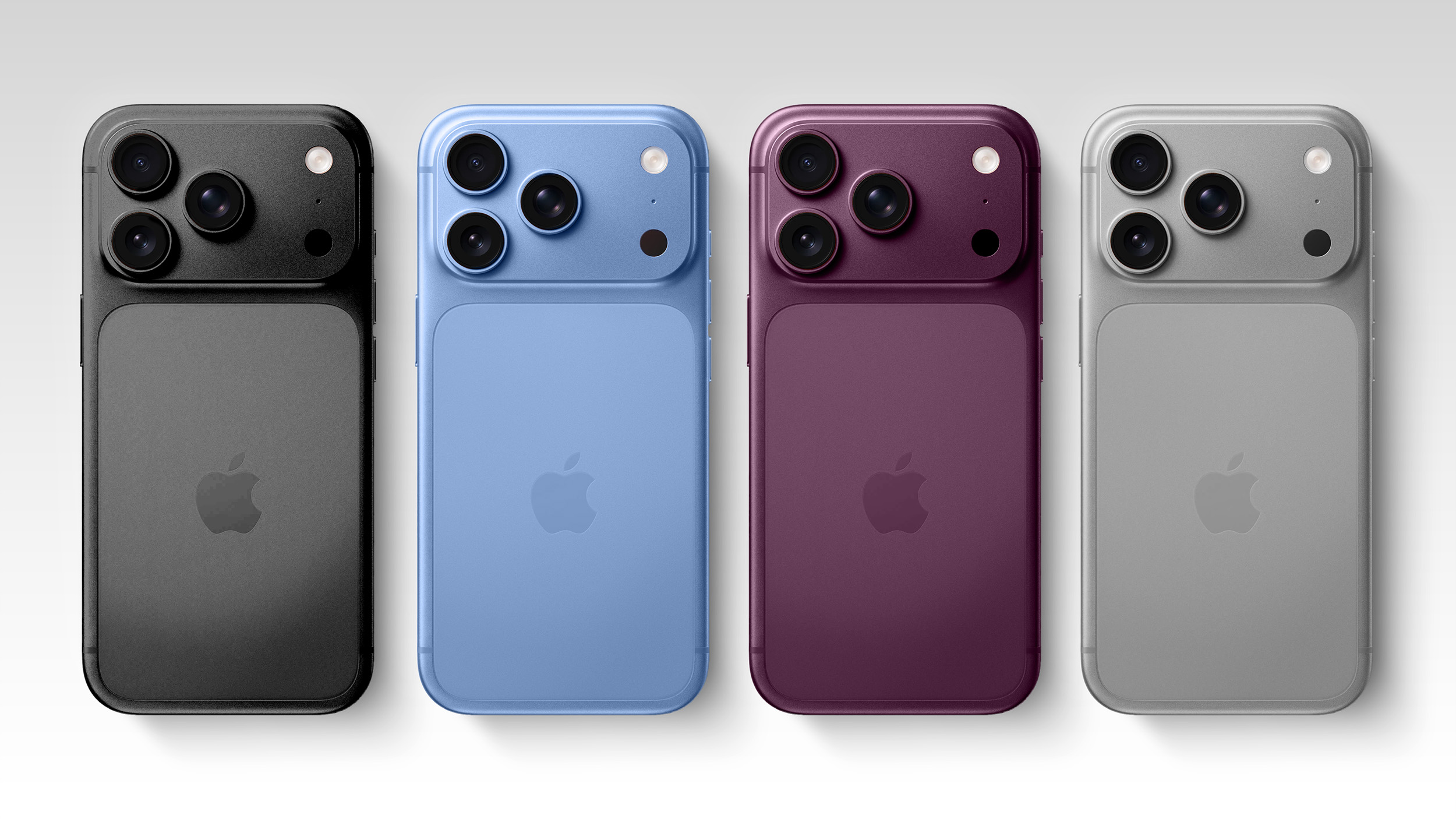
What to Expect This September: A Glimpse into the Future
This September, the spotlight is expected to shine brightest on the next generation of premium iPhones. The much-anticipated iPhone 18 Pro and iPhone 18 Pro Max are poised to lead the charge, bringing with them a host of enhancements that will likely push the boundaries of smartphone technology. But perhaps the most electrifying rumor circulating is the potential debut of an entirely new category for Apple: a foldable iPhone, reportedly to be named the iPhone Ultra.
The introduction of a foldable iPhone would represent a monumental shift for Apple, entering a segment of the market that has seen significant innovation from competitors in recent years. An "iPhone Ultra" suggests not just a premium device, but one that is designed to offer an unparalleled user experience, blending the compact portability of a phone with the expansive screen real estate of a tablet. This could revolutionize productivity, entertainment, and how users interact with their mobile devices, cementing Apple's commitment to pushing design and functionality forward.
Interestingly, while the high-end models typically launch together, this year's strategy appears to be more segmented. The standard iPhone 18, a potentially more affordable iPhone 18e, and the refreshed iPhone Air 2 are not expected to join the September fanfare. Instead, these models are rumored to be part of a new split-up launch strategy, with their unveiling anticipated around March 2027. This staggered approach could allow Apple to focus entirely on its most innovative and premium offerings in the fall, while catering to different market segments later in the year.
The potential features of the iPhone 18 Pro and iPhone Ultra are a constant source of discussion and excitement. From enhanced camera systems with advanced computational photography capabilities to next-generation processors promising unprecedented speed and efficiency, these devices are expected to deliver significant upgrades. Improvements in battery life, display technology (perhaps with even higher refresh rates and brightness), and new materials for durability are also frequently cited rumors. For the iPhone Ultra, specifically, the engineering marvel of a seamless folding display, durable hinge mechanism, and optimized software experience for both folded and unfolded states will be key areas of interest. The ability to run multiple apps side-by-side on a larger canvas, new ways to interact with notifications, and unique camera possibilities when folded could transform how users think about their smartphones.
Decoding Apple's Announcement Schedule: When to Mark Your Calendars
The exact timing of Apple's events is a closely guarded secret until the official invitations go out. However, by analyzing past patterns and relying on insights from reputable sources, we can make highly educated guesses. We are currently in the waiting period for Apple to formally announce the iPhone 18 Pro and iPhone Ultra event.
Last month, Mark Gurman of Bloomberg, a journalist renowned for his accurate Apple predictions, offered a strong indication in his newsletter. He suggested that September 8 or September 9 are the most likely dates for the event itself. This aligns perfectly with Apple's historical preference for early to mid-September Tuesday or Wednesday events, typically avoiding the first Monday of the month due to the Labor Day holiday in the U.S. when it falls early.
If Gurman's prediction holds true, then the next piece of the puzzle involves when Apple will send out the official invitations. The company has a well-established tradition of providing approximately two weeks' notice before its major product launches. Based on this pattern, if the event is on September 8 or 9, then the most probable dates for Apple to send out those coveted "Special Event" invitations would be Tuesday, August 25, or Wednesday, August 26. This two-week window allows media outlets, analysts, and partners to make travel arrangements (for in-person attendance) and prepare their coverage strategies, building up anticipation for the big day.
Evolution of the Apple Event Experience
The format of Apple's events has also evolved significantly in recent years. Since 2020, in response to global circumstances, iPhone event videos have been meticulously pre-recorded. This approach allows Apple to deliver a highly polished, visually stunning presentation without the unpredictability of a live stage show. However, as the world has adapted, Apple has gracefully blended this pre-recorded format with a touch of the traditional live experience.
In recent years, while the core presentation remains a video, Apple has extended invitations to select reporters and industry figures to gather at the iconic Steve Jobs Theater on its Apple Park campus. Attendees watch the pre-recorded video together, creating a shared, communal experience that captures some of the magic of past live events. Crucially, after the video concludes, these attendees are often granted precious hands-on time with the newly unveiled devices. This critical opportunity allows journalists to get a first impression of the new iPhones, test out key features, and provide initial feedback and photography, which then fuels immediate post-event coverage across the globe.
This hybrid approach ensures both a perfectly executed presentation and a vital direct interaction for those who cover the industry, maintaining a connection with the media while leveraging the benefits of a pre-produced show. It’s a testament to Apple’s adaptability and its understanding of how to generate maximum impact for its announcements.
A Look Back: Apple's Recent iPhone Announcement History
Understanding Apple's past scheduling gives us the best tools to predict future announcements. The table below provides a clear overview of the dates for the last six iPhone events, highlighting the consistent two-week notice period that Apple typically adheres to. It also points out the anomalies of 2020 and 2021, which were unique years due to the unprecedented challenges posed by the COVID-19 pandemic, forcing Apple to adjust its usual timeline.
| iPhone Series | Announcement Date | Event Date | Delta (Days) |
|---|---|---|---|
| iPhone 17 | Tuesday, August 26, 2025 | Tuesday, September 9, 2025 | 14 |
| iPhone 16 | Monday, August 26, 2024 | Monday, September 9, 2024 | 14 |
| iPhone 15 | Tuesday, August 29, 2023 | Tuesday, September 12, 2023 | 14 |
| iPhone 14 | Wednesday, August 24, 2022 | Wednesday, September 7, 2022 | 14 |
| iPhone 13 | Tuesday, September 7, 2021 | Tuesday, September 14, 2021 | 7 |
| iPhone 12 | Tuesday, October 6, 2020 | Tuesday, October 13, 2020 | 7 |
As you can see from the table, prior to 2022, the years 2020 and 2021 were significant deviations from Apple's typical schedule. In 2020, the iPhone 12 series event was pushed to October, with only seven days' notice. This delay was primarily due to supply chain disruptions and production challenges brought about by the global pandemic. Similarly, in 2021, the iPhone 13 event, while returning to September, was held later in the month than usual, also with a shorter, seven-day announcement period. These instances highlight Apple's flexibility in adapting to unforeseen global circumstances, but also underscore its strong preference for the two-week notice and early September timing when conditions allow.
Since 2022, Apple has consistently reverted to its standard operating procedure: an announcement in the last week of August, leading to an event in the first or second week of September, always with that reliable 14-day lead time. This predictability is a cornerstone of Apple's event planning, allowing for maximum impact and coordinated global rollout of information and products.
The Strategic Shift: A Split Launch Strategy for iPhones
The rumor of a split-up launch strategy for the iPhone 18 series is particularly intriguing and could signal a major evolution in Apple's product release cycles. While the Pro and Ultra models are set for September, pushing the standard iPhone 18, iPhone 18e, and iPhone Air 2 to March 2027 represents a significant departure from the traditional simultaneous launch of all new iPhones.
Why would Apple adopt such a strategy? There are several compelling reasons. Firstly, it allows Apple to segment its market more clearly. The September event can become an exclusive showcase for its cutting-edge, high-margin devices – the Pro models and the revolutionary iPhone Ultra. This creates a distinct premium narrative, focusing all attention on innovation and new technologies. By giving these devices their own dedicated launch window, Apple can maximize their impact and appeal to early adopters and users willing to pay for the absolute latest advancements.
Secondly, a staggered launch could help manage supply chains more effectively. Developing and manufacturing a foldable phone like the iPhone Ultra, alongside advanced Pro models, is an immense logistical challenge. By separating the launches, Apple can dedicate its resources and production capacity to one set of devices at a time, potentially reducing manufacturing pressures, improving initial stock levels for premium devices, and ensuring a smoother rollout.
Thirdly, this strategy could create two distinct sales peaks within a fiscal year, rather than relying heavily on a single holiday season rush. A March launch for the standard and more accessible iPhone models could re-energize consumer interest post-holiday season and capture a different segment of the market that might be waiting for more affordable options or simply preferring to upgrade later in the year. It could also extend the overall product lifecycle conversation, keeping Apple's product line in the news for longer periods throughout the year.
For consumers, this means more choice and perhaps a clearer understanding of the product tiers. Those who prioritize the absolute latest technology and premium features will look to September, while those seeking excellent performance at a potentially more accessible price point will have a dedicated event to anticipate in the spring. The "iPhone Air 2" also suggests a continued focus on thinner, lighter, or potentially more budget-friendly large-screen options, catering to an even broader demographic.
The Impact of Apple's Events: More Than Just Product Launches
Apple's iPhone events are not merely product launches; they are global phenomena that set trends, influence stock markets, and generate immense media coverage. For many, these events symbolize the pinnacle of consumer technology, showcasing innovations that often trickle down to other devices and platforms across the industry. The careful choreography, the "one more thing" moments, and the meticulous secrecy all contribute to an aura of anticipation that few other companies can replicate.
When Apple announces a new iPhone, especially one as potentially revolutionary as the iPhone Ultra, it sends ripples across the entire tech ecosystem. Competitors watch closely, suppliers adjust their production, and app developers prepare for new hardware capabilities. The discussions around new features, design choices, and pricing strategies become global conversations, engaging millions of tech enthusiasts, casual users, and financial analysts alike.
The SEO implications of such events are also significant. Terms like "iPhone 18 Pro features," "iPhone Ultra release date," "Apple event rumors," and "foldable iPhone price" surge in search queries globally. Websites like MacRumors become vital hubs for up-to-the-minute news, leaks, and analysis, helping users navigate the complex world of Apple rumors and official announcements.
Looking Ahead: The Final Countdown
As July winds down and August begins, the excitement for Apple's annual fall event will only intensify. All eyes will be on Apple for that official invitation, which, if history and reliable sources are any guide, should land in our inboxes in the last week of August. Whether it’s the powerful upgrades of the iPhone 18 Pro or the groundbreaking design of the iPhone Ultra, this September's event promises to be one for the history books.
The anticipation is a testament to Apple's continued ability to innovate and captivate. We stand on the cusp of a new era for the iPhone, one that promises both refinement of existing excellence and daring new frontiers in mobile technology. Get ready to mark your calendars, because Apple is about to show us the future.
This article, "iPhone 18 Pro and iPhone Ultra: When is the Next Apple Event?" first appeared on MacRumors.com
Discuss this article in our forums
from MacRumors
-via DynaSage
