
Halo: Campaign Evolved Seems To Be Teasing A Halo 2 Remake
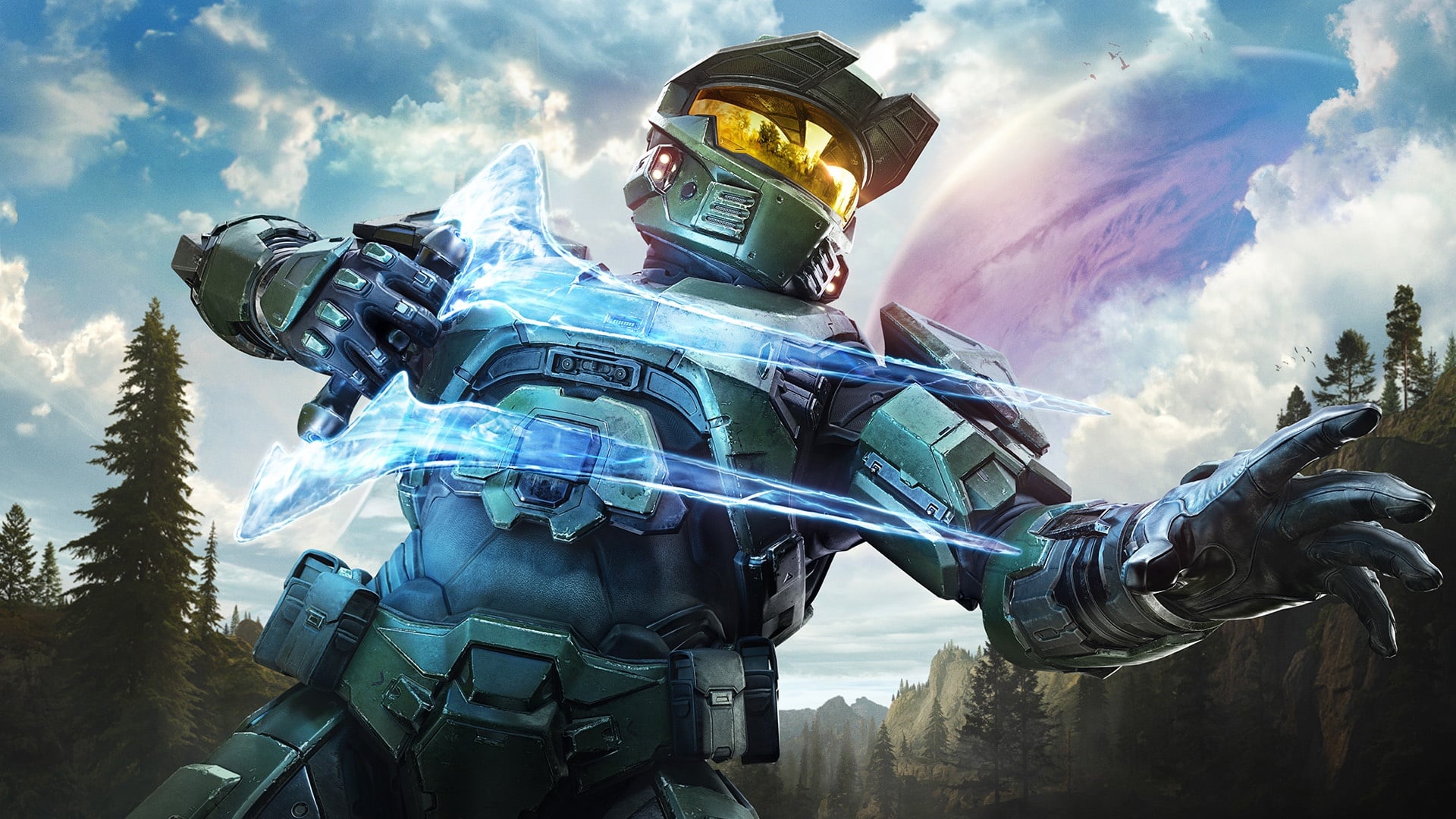
The Continuing Saga: Why More Halo Remakes Are Almost Certainly Coming
For fans of the iconic Halo universe, the journey with Master Chief and the UNSC has been an unforgettable one, spanning decades and console generations. We've already seen beloved classics brought back to life with stunning graphical updates and modern gameplay tweaks. From the groundbreaking launch of Halo: Combat Evolved Anniversary to the comprehensive collection known as Halo: The Master Chief Collection, the series has a proven track record of revisiting its roots. Looking at this pattern, it seems very, very likely that what we've seen so far isn't the final Halo remake we'll ever get. In fact, the future likely holds more enhanced versions of our favorite adventures in the fight against the Covenant and other threats.
This isn't just wishful thinking from a passionate fanbase; it's a strategic move that makes a lot of sense for game developers and publishers, especially for a franchise as significant as Halo. Let's dive deep into why more Halo remakes are not only probable but also beneficial, exploring the history, the potential candidates, and the impact these revitalized titles have on both new players and seasoned veterans.
Why Game Remakes Are a Winning Strategy
In the fast-paced world of video games, remakes and remasters have become increasingly popular, and for good reason. They offer a unique blend of nostalgia, accessibility, and business sense. Here's a breakdown of the key drivers behind the remake trend:
Tapping into Nostalgia and Fan Demand
There's an undeniable power in nostalgia. Gamers who grew up with titles like Halo: Combat Evolved have deep emotional connections to these experiences. A remake allows them to relive those cherished memories with a fresh coat of paint, often enhanced with modern comforts. This built-in audience provides a strong foundation for sales and community engagement. When fans loudly express their desire to revisit a classic, developers listen.
Introducing Classics to a New Generation
Gaming has evolved significantly, and many younger players might not have experienced the original versions of classic games due to outdated graphics, clunky controls, or platform exclusivity. Remakes bridge this gap, allowing a new generation to discover the stories and gameplay that made these titles legendary. For Halo, this means exposing the foundational lore and gameplay loops to players who might have only joined with newer installments like Halo Infinite. It helps maintain the relevance of the entire franchise.
Updating for Modern Standards
Technology advances rapidly. What was cutting-edge graphics and fluid gameplay in 2001 or 2004 might feel dated today. Remakes overhaul visuals, audio, and often introduce quality-of-life improvements like higher frame rates, better resolutions, refined controls, and updated user interfaces. This ensures the game can stand alongside contemporary titles, making it more appealing to a broader audience accustomed to modern gaming experiences.
Monetization and Revenue Streams
From a business perspective, remakes are often less risky and less expensive to develop than entirely new games. The core design, story, and mechanics are already established, allowing developers to focus on visual and technical enhancements. This can lead to a healthy return on investment, generating revenue that can be reinvested into future projects, including brand-new entries in the series. For a franchise as valuable as Halo, leveraging its existing intellectual property (IP) is a smart financial move.
Filling Gaps Between New Releases
Developing a brand-new, AAA game takes years. Remakes can serve as excellent ways to keep a franchise active and engage its fanbase during these longer development cycles. They provide fresh content that satisfies players' hunger for more while giving developers of new titles the time they need to innovate without rushing. This strategy keeps the Halo brand in the public eye and ensures a continuous flow of content.
A Brief History of Halo Remakes and Remasters
The Halo franchise has a rich history of revisiting its past, setting a clear precedent for future remakes. These endeavors have largely been met with critical acclaim and commercial success, proving the demand for such projects.
Halo: Combat Evolved Anniversary (2011)
The first major dive into remaking a Halo title was Halo: Combat Evolved Anniversary, released to celebrate the game's 10th anniversary. This wasn't just a simple graphical upscale; it was a full-fledged modernization. Developed by 343 Industries and Saber Interactive, the game allowed players to switch between the classic 2001 graphics and the new, high-definition visuals with the press of a button. This feature was revolutionary, showcasing the transformation while preserving the original experience. It proved that a well-executed remake could honor the past while embracing the future. It successfully reintroduced the game to a new generation and reignited the passion of long-time fans.
Halo 2: Anniversary (2014)
Following the success of Combat Evolved Anniversary, the next logical step was to give the same treatment to its highly celebrated sequel. Halo 2: Anniversary was the showpiece of Halo: The Master Chief Collection. Developed by Saber Interactive and Blur Studio (for the incredible cutscenes), it took the "Anniversary" concept even further. The graphical overhaul was spectacular, especially the pre-rendered cinematics which were completely redone to cinematic quality. The multiplayer also received significant attention, with a refreshed engine and dedicated servers. Its inclusion was a massive draw for the Master Chief Collection and solidified the idea that remakes were an integral part of Halo's future.
Halo: The Master Chief Collection (2014 - Present)
Arguably the most significant undertaking in Halo's history of remasters, Halo: The Master Chief Collection (MCC) brought together Halo: Combat Evolved Anniversary, Halo 2: Anniversary, Halo 3, and Halo 4 into one comprehensive package. Later, Halo 3: ODST and Halo: Reach were added, making it the definitive way to experience the saga of Master Chief. While its initial launch was plagued with technical issues, 343 Industries dedicated years to fixing and improving MCC, turning it into one of the best value propositions in gaming. Its continuous updates, inclusion of new features, and release on PC solidified the idea that keeping old Halo games alive and accessible is a top priority for Xbox and 343 Industries.
The success and ongoing commitment to MCC clearly indicate that there's a strong market and a passionate fanbase eager for modernized versions of classic Halo experiences. The very existence and continued evolution of MCC lay the groundwork for any future standalone remakes or further enhancements.
What Could Be Next? Speculating on Future Halo Remakes
Given the precedent and the benefits, the question isn't *if* there will be more Halo remakes, but *which ones* are most likely to get the full "Anniversary" treatment. Here are the top candidates:
Halo 3: The Most Likely Contender
After Combat Evolved and Halo 2, Halo 3 is the natural next step for a full-scale remake. It concluded the original trilogy and is often cited by fans as one of the best games in the series, both for its campaign and its groundbreaking multiplayer. A "Halo 3: Anniversary" would undoubtedly be met with immense excitement. Imagine the iconic moments – the Ark, the final battle with the Gravemind, the epic Warthog run – all rendered with modern graphics, enhanced audio, and potentially refined gameplay mechanics while staying true to the original. Its multiplayer, which was incredibly popular and influential, could also see a massive resurgence with modern infrastructure and features.
Halo: Reach: A Prequel Deserving of Renewed Glory
Bungie's swansong to the Halo series before 343 Industries took over, Halo: Reach, holds a special place in many fans' hearts. Its darker, more somber narrative about the fall of a planet and the heroism of Noble Team provided a unique tone. While Reach received a substantial update as part of MCC, a full-blown "Reach Anniversary" could push the visual fidelity even further, particularly for its breathtaking environments and intense space combat sequences. Its robust customization options and excellent multiplayer modes could also benefit from a deeper modernization. The emotional weight of its story would resonate even more profoundly with a full contemporary visual upgrade.
Halo 3: ODST: A Unique Perspective
Halo 3: ODST offered a refreshing departure from the Master Chief's perspective, placing players in the boots of ordinary soldiers fighting through a Covenant-occupied New Mombasa. Its noir-inspired atmosphere, jazzy soundtrack, and focus on smaller-scale, more intimate combat made it a fan favorite. While it's available in MCC, a dedicated "ODST Anniversary" could elevate its unique aesthetic and atmosphere even further. The dark, rainy streets and desperate urban warfare would look incredible with modern lighting and environmental effects. Given its more contained scope, it might also be a more manageable project than a full mainline game remake, potentially serving as a delightful interlude between larger releases.
Halo 4 and Halo 5: Guardians: Potential for Refreshes
While less likely candidates for full remakes due to their more recent releases and graphical capabilities, Halo 4 and Halo 5: Guardians could still benefit from significant refresh passes. Both games are already part of MCC, but a dedicated "Anniversary" treatment for either could bring them up to the visual fidelity of newer titles, iron out any lingering issues, and potentially rebalance their multiplayer aspects. Halo 4, in particular, introduced a new visual style and engine that could be further optimized. Halo 5's controversial story might not make it a top remake priority, but its robust multiplayer and Warzone mode could certainly be revitalized with a dedicated push.
Spin-offs: Halo Wars and Halo Wars 2
It's worth considering the real-time strategy (RTS) spin-offs, Halo Wars and Halo Wars 2. While a full remake of an RTS game is a different beast than an FPS, a "Definitive Edition" or "Anniversary" for Halo Wars 2, similar to what the original Halo Wars received, isn't out of the question. Enhanced graphics, improved UI for modern controllers, and continued balance updates could breathe new life into these strategic entries in the Halo universe, making them more accessible to a wider audience, especially on PC.
The Benefits of Future Halo Remakes for Players
Beyond the business logic, future Halo remakes offer tangible advantages for the players themselves, enriching their gaming experience in numerous ways:
Stunning Visuals and Immersive Audio
Imagine the iconic vistas of the Halo ring, the grim battlefields of Reach, or the intricate Covenant architecture of High Charity, all brought to life with photorealistic textures, advanced lighting, ray tracing, and high-fidelity sound design. This level of visual and auditory immersion would allow players to experience these beloved worlds in unprecedented detail, enhancing the emotional impact of the story and the thrill of combat.
Modernized Controls and User Experience
While the core gameplay of classic Halo is solid, remakes can introduce modern control schemes, customizable options, and a more intuitive user interface. This can make the games more accessible and enjoyable for players accustomed to contemporary game design, reducing any friction from older mechanics without fundamentally altering the core experience. Think about better weapon swapping, improved grenade throwing mechanics, or more fluid vehicle controls.
Enhanced Multiplayer Experiences
The multiplayer component is a cornerstone of the Halo franchise. Remakes can bring classic maps and modes back with robust, modern online infrastructure, dedicated servers, and anti-cheat measures. This can lead to a more stable, fair, and enjoyable competitive experience. Furthermore, new matchmaking algorithms, customizable game modes, and expanded social features can foster a thriving online community, ensuring these games remain active for years to come.
Accessibility Features for All
Modern game development places a strong emphasis on accessibility. Future remakes could integrate a wide range of features to make the games playable for a broader audience, including improved subtitle options, colorblind modes, customizable control remapping, difficulty scaling, and various assistive technologies. This commitment ensures that the magic of Halo can be enjoyed by everyone, regardless of their individual needs.
Cross-Platform Play and Progressive Features
With Xbox's increasing focus on its ecosystem, future remakes could fully embrace cross-platform play between Xbox consoles and PC, expanding the player base and making it easier to find matches. Additionally, features like cross-progression could allow players to carry their achievements, unlocks, and progress seamlessly between different devices, offering unparalleled flexibility and convenience.
Challenges and Potential Criticisms
While the prospect of more Halo remakes is exciting, it's also important to acknowledge the potential downsides and criticisms that these projects can attract:
"Remake Fatigue" and Resource Allocation
One common criticism is "remake fatigue," where players feel oversaturated with old games rather than new, innovative experiences. There's a delicate balance to strike. Developing a remake requires significant resources, and some argue that these resources could be better spent on creating entirely new Halo adventures or expanding existing ones like Halo Infinite. It's a valid concern about where development efforts are prioritized.
Risk of Alienating Original Fans
The essence of a beloved classic lies in its original design. While remakes aim to improve, there's always a risk of making changes that fundamentally alter the feel of the game and alienate long-time fans. Striking the right balance between modernization and preservation is crucial. Overly dramatic changes to art style, sound design, or gameplay mechanics can sometimes lead to backlash from purists who prefer the authentic experience.
Cost to Players
Remakes are often sold at full price, which can be a point of contention for players who feel they are essentially paying for an updated version of a game they already own. While the work involved is substantial, the perception of value can vary greatly. Publishers need to ensure that the quality and extent of the remake justify the price tag in the eyes of the consumer.
The "How Much is Too Much?" Question
At what point does revisiting the past become detrimental to the future? If too many resources are poured into remakes, it could potentially slow down the development of new, innovative titles that push the franchise forward. Finding the optimal pace and number of remakes is key to maintaining a healthy balance within the Halo ecosystem.
343 Industries and the Future of Halo's Legacy
As the current custodians of the Halo franchise, 343 Industries plays a pivotal role in deciding the path forward for remakes. Their experience with Halo: The Master Chief Collection, particularly its monumental redemption arc, demonstrates their capability and commitment to preserving the series' legacy. They understand the intricacies of modernizing classic titles while respecting their original integrity.
Balancing new entries like Halo Infinite with the preservation of past titles is a significant challenge. However, the two objectives are not mutually exclusive. A vibrant collection of remade classics can draw new players into the franchise, who may then become interested in the latest installments. Conversely, new games can drive players to explore the historical narrative through the remakes. MCC already serves as an incredible historical archive and a living museum for the series. Any future standalone remakes would complement this collection, potentially even integrating with it over time, further solidifying Halo's place as a cornerstone of gaming history.
The Community's Unwavering Role
Ultimately, the driving force behind many remakes is the passionate gaming community. Halo fans are famously dedicated and vocal, expressing their desires for specific games to be revisited. Online forums, social media discussions, and fan art all contribute to a collective voice that developers pay close attention to. This collective nostalgia and genuine love for the franchise are powerful motivators. The sustained success of games like Halo: The Master Chief Collection is a testament to the community's willingness to re-engage with these experiences.
Developer engagement with this feedback is crucial. When 343 Industries interacts with players, listens to their suggestions, and transparently communicates their plans, it builds trust and excitement. The community isn't just a passive audience; they are active participants in shaping the future of the franchise, and their enthusiasm for reliving past glories ensures that the discussion around future Halo remakes will continue for years to come.
Conclusion: The Enduring Appeal of Chief's Past
The journey of Master Chief is far from over, both in terms of new stories and revisited old ones. The history of Halo remakes and remasters, combined with the clear benefits for developers and players alike, strongly indicates that we will indeed see more enhanced versions of our favorite Halo games. Whether it's a full-blown "Halo 3: Anniversary," a visually stunning "Halo: Reach Anniversary," or a charming "ODST Anniversary," the future of the Halo franchise will almost certainly involve looking back to its glorious past to propel itself forward.
These remakes aren't just about polishing old gems; they're about keeping the legacy of Halo alive, introducing its timeless narratives to new audiences, and allowing veteran Spartans to relive their most cherished memories with the fidelity they deserve. So, as we await the next big announcement, it's not a question of 'if' but 'when' we'll once again dive into a beautifully reimagined piece of Halo history. The Chief's story, in all its forms, is one that continues to captivate, and its earliest chapters are poised for many more glorious returns.
from Kotaku
-via DynaSage
