
GameStop Now Owns Nearly 10% Of eBay In Hostile Takeover Plan That No One Can Make Sense Of
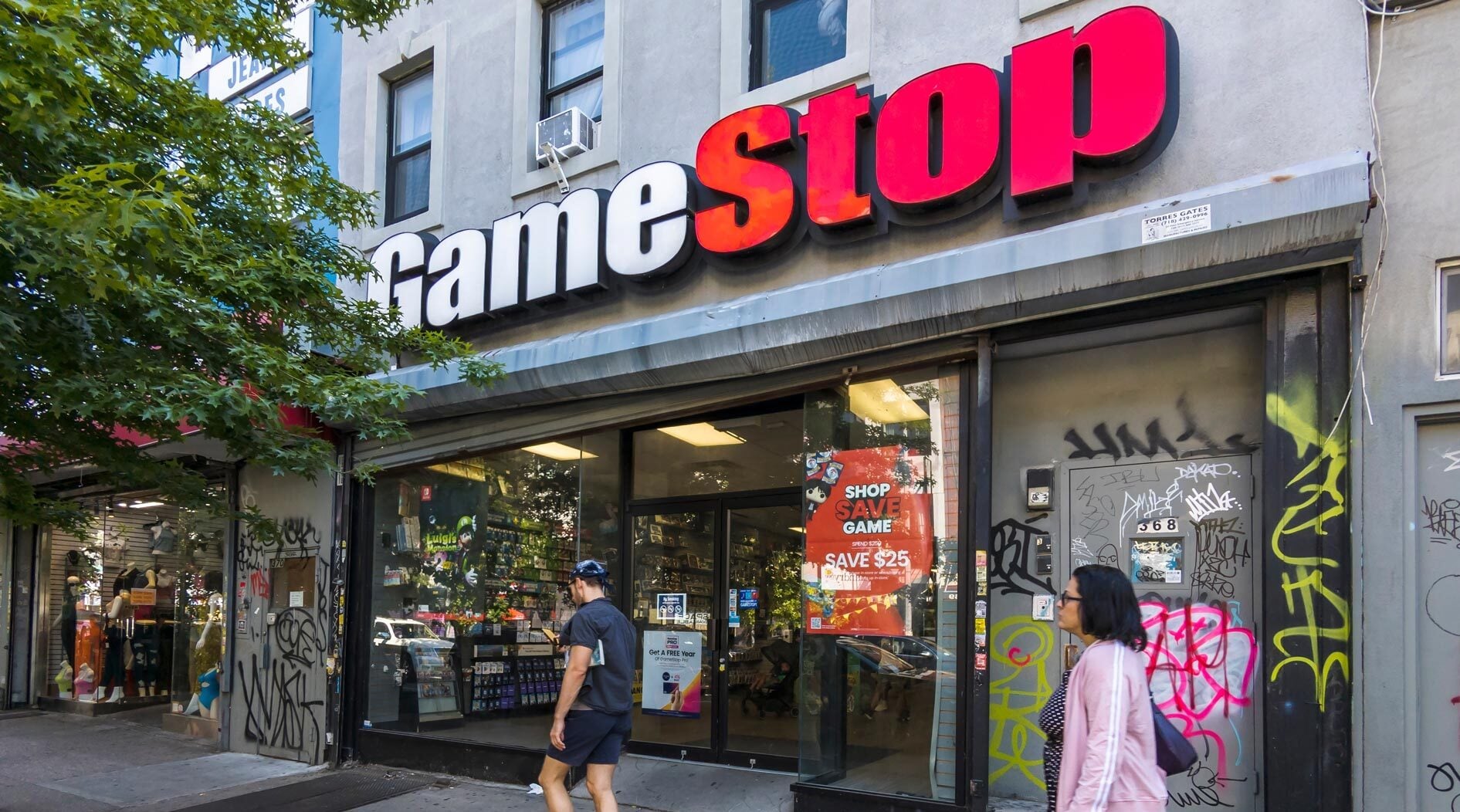
The Enigma of Ryan Cohen: Is GameStop His Final Frontier?
In the unpredictable world of retail and high finance, few figures spark as much debate and fervent loyalty as Ryan Cohen, the chairman and former CEO of GameStop. Known for his straightforward approach and a history of disrupting established industries, Cohen took the helm of the struggling video game retailer with a bold promise of transformation. Yet, a recent remark – "CEO Ryan Cohen seems determined to become the CEO of a different company" – raises compelling questions. Is this a cryptic hint at his future ambitions, a reflection on the challenging journey of turning around GameStop, or perhaps an acknowledgment that GameStop itself is becoming "a different company" under his radical vision? This blog post will delve into Ryan Cohen's leadership, GameStop's dramatic saga, and what this statement might truly imply for both.
Who is Ryan Cohen? From Pet Food to Power Plays
To understand the current narrative surrounding Ryan Cohen and GameStop, we must first look at his origins. Cohen first made his name by co-founding Chewy.com, an online pet food and supply retailer, in 2011. He built Chewy from the ground up, focusing on exceptional customer service, efficient logistics, and a strong e-commerce presence. His strategic vision paid off handsomely, leading to Chewy's acquisition by PetSmart for over $3 billion in 2017, a deal that solidified Cohen's reputation as a visionary entrepreneur capable of challenging industry giants like Amazon.
Following his success with Chewy, Cohen turned his attention to GameStop (GME), a company that many analysts had written off. GameStop, a once-dominant force in the video game retail space, was struggling amidst the industry's rapid shift from physical game discs to digital downloads and online storefronts. Its brick-and-mortar model felt increasingly outdated, its stock price languished, and its future looked bleak. Cohen, through his investment firm RC Ventures, began acquiring a significant stake in GameStop in 2020, becoming an activist investor. His core argument was that GameStop possessed a valuable brand and loyal customer base, but desperately needed a digital-first strategy and a complete overhaul of its corporate culture and operations.
Cohen's initial vision for GameStop was clear: modernize its e-commerce capabilities, expand its product catalog beyond just physical games, and refocus on customer satisfaction, much like he had done with Chewy. He pushed for changes to the board of directors, advocating for individuals with strong technology and e-commerce backgrounds. His influence grew rapidly, culminating in his appointment as Chairman of the Board in June 2021, and later, a brief but impactful stint as CEO, showcasing his hands-on approach to steering the company's transformation.
GameStop's Existential Crisis: The Rise of Digital Gaming
Before Cohen's intervention, GameStop was on a precipitous decline, facing an existential crisis brought on by fundamental shifts in the video game industry. The rise of high-speed internet and increasingly powerful game consoles led to a mass migration towards digital distribution. Companies like Sony (PlayStation Store), Microsoft (Xbox Store), Nintendo (Nintendo eShop), and PC platforms like Valve's Steam (Steam) offered the convenience of instant downloads, often with pre-order bonuses and direct access to developers. This eliminated the need for physical discs, which was GameStop's primary product.
The used game market, once a major profit driver for GameStop, also began to shrink dramatically. As fewer physical games were sold, there were fewer used games to trade in and resell. Furthermore, game publishers actively encouraged digital purchases through various incentives, further eroding GameStop's traditional revenue streams. The retail experience itself became less appealing; many GameStop stores felt cramped and outdated compared to modern electronics retailers or the seamless online shopping experience offered by competitors like Amazon.
GameStop's financial struggles were undeniable. Years of declining sales, store closures, and mounting losses painted a grim picture. Many financial analysts believed the company was doomed to bankruptcy, leading to a significant number of hedge funds taking "short" positions on the stock, betting that its price would continue to fall. This dire situation set the stage for one of the most remarkable financial phenomena in recent history.
The Meme Stock Revolution: GameStop and the Apes
Ryan Cohen's arrival at GameStop coincided with, and perhaps catalyzed, an unprecedented event: the "meme stock" phenomenon. In late 2020 and early 2021, a community of retail investors, primarily organized on online forums like Reddit's r/WallStreetBets (r/WallStreetBets), identified GameStop as a heavily shorted stock. They realized that if enough individual investors bought and held GME shares, it could trigger a "short squeeze."
A short squeeze occurs when the price of a stock rises sharply, forcing investors who bet against the stock (short sellers) to buy it back at a higher price to limit their losses. This buying frenzy further drives up the price, creating a cascade effect. What started as a niche discussion quickly exploded into a global phenomenon, with millions of retail investors, often referring to themselves as "apes," banding together to buy GME. The stock price skyrocketed from under $20 to nearly $500 per share in a matter of weeks, causing massive losses for hedge funds and shaking the foundations of Wall Street.
This event fundamentally changed GameStop's trajectory. It provided the company with a massive influx of capital through subsequent stock offerings, dramatically improved its balance sheet, and gave it a cult-like following of loyal shareholders. Ryan Cohen became a hero to these "apes," seen as a symbol of retail investor empowerment against institutional power. His cryptic tweets and social media posts were meticulously analyzed, fueling the community's enthusiasm and conviction that GameStop was undergoing a genuine transformation.
Cohen's Strategic Playbook: Remaking GameStop
With a strong balance sheet and an army of devoted investors, Ryan Cohen set out to execute his vision for GameStop's turnaround. His strategy was multi-pronged, aiming to shift GameStop from a struggling brick-and-mortar relic to a modern, diversified e-commerce powerhouse.
Management Overhaul and New Talent
One of Cohen's first moves was to bring in fresh blood with extensive experience in e-commerce, technology, and supply chain management. He replaced long-standing executives with individuals from successful tech companies like Amazon and Chewy. This included appointing new CEOs, CFOs, and other senior leaders who shared his digital-first philosophy. This strategic change in leadership was crucial for implementing the drastic operational shifts required.
E-commerce Focus and Digital Transformation
At the heart of Cohen's strategy was a relentless focus on e-commerce. GameStop invested heavily in upgrading its website, improving its mobile app, and enhancing the overall online shopping experience. The goal was to make it as seamless and appealing as leading online retailers. This involved better inventory management, faster shipping options, and a more user-friendly interface to compete effectively with major online players. Cohen understood that the future of retail was online, and GameStop needed to excel in that domain.
Diversification of Product Offerings
Beyond simply selling physical video games, Cohen sought to diversify GameStop's product catalog. This meant expanding into PC gaming hardware, including components, peripherals, and accessories. GameStop also broadened its selection of collectibles, merchandise, and apparel related to popular gaming franchises and pop culture. The idea was to become a one-stop shop for gamers and enthusiasts, capturing a wider share of the entertainment spending pie. This move aimed to reduce reliance on the dwindling physical game market.
Exploration of New Ventures: Web3 and NFTs
In an effort to truly innovate and capture emerging trends, GameStop under Cohen also ventured into the burgeoning Web3 space. This included launching an NFT (Non-Fungible Token) marketplace (GameStop NFT Marketplace) and developing a GameStop Wallet for cryptocurrencies and NFTs. The company aimed to position itself at the forefront of digital asset ownership in gaming, offering unique digital collectibles and potentially integrating NFTs into future gaming experiences. While this initiative generated considerable buzz among its investor base, the broader crypto market downturn and regulatory uncertainties led to a subsequent de-emphasis and scaling back of these efforts, showcasing Cohen's willingness to pivot when strategies don't yield expected results.
Supply Chain and Fulfillment Enhancements
To support its e-commerce expansion, GameStop invested significantly in improving its supply chain and logistics. This included opening new fulfillment centers and optimizing its distribution network to ensure faster and more efficient delivery of products to customers. A robust supply chain is critical for any e-commerce business, and Cohen recognized this as a fundamental pillar of GameStop's long-term success.
Reimagining the Store Experience (Limited but Present)
While the primary focus was digital, there was also an acknowledgment that GameStop's physical stores still held value, particularly for community engagement and immediate gratification for certain products. Cohen’s vision included a potential reimagining of the store experience, turning them into more experiential hubs, though concrete large-scale changes in this area have been less prominent compared to the digital overhaul.
The Outcomes: A Rollercoaster of Transformation
The transformation under Ryan Cohen has been a rollercoaster. On one hand, GameStop's balance sheet is significantly stronger, its e-commerce capabilities are vastly improved, and its product offerings are more diverse. The company has shed debt and boasts a substantial cash reserve, a stark contrast to its pre-Cohen state. Investor engagement, particularly from the retail "apes," remains remarkably high, creating a unique and often unpredictable dynamic for its stock price.
On the other hand, sustained profitability has remained elusive. While the company has shown periods of positive net income, consistent growth in sales and operating profit has been challenging. The overall retail environment, especially for non-essential goods, has been tough, and GameStop continues to grapple with competition from digital storefronts and large e-commerce players. The high volatility of its stock price, heavily influenced by sentiment rather than pure fundamentals, also presents unique challenges for long-term strategic planning.
Critics argue that the transformation is happening too slowly or that the core business model remains fundamentally flawed in a digital-first world. Supporters contend that turning around a company of GameStop's size and history takes time, and Cohen's long-term vision is gradually taking shape. The narrative around GameStop is rarely simple, often swinging between extreme optimism and deep skepticism.
"Determined to become the CEO of a different company": What Does it Mean?
The statement, "CEO Ryan Cohen seems determined to become the CEO of a different company," is rich with possible interpretations, especially given Cohen's track record and the unique nature of GameStop's transformation.
Interpretation 1: A New Personal Challenge
One perspective is that Cohen, a serial entrepreneur, thrives on the challenge of building and transforming. Having largely stabilized GameStop and set it on a new strategic path, he might be looking for his next big project. His history at Chewy suggests he's adept at taking a concept from infancy or near-collapse to a position of strength, after which he might seek new ventures. This wouldn't necessarily imply dissatisfaction with GameStop but rather a personal drive to constantly tackle fresh challenges. He might feel his core mission at GameStop – to initiate the digital pivot – is largely complete, and ongoing operational leadership could be handed off while he retains an oversight role as chairman or a major investor.
Interpretation 2: GameStop *Is* the Different Company
Perhaps the most intriguing interpretation is that the "different company" refers not to a new employer for Cohen, but to GameStop itself. Under his leadership, GameStop has undergone such a radical transformation in its strategic focus, leadership, and even its public perception, that it is, in essence, becoming a fundamentally different entity. It's no longer just a physical retailer of used games; it's an evolving e-commerce platform, a player in the collectibles market, and a brand with an unparalleled community following. If GameStop successfully sheds its old skin and emerges as a truly diversified tech-driven retail entity, then Cohen would have indeed become the CEO (or leader) of "a different company" – the new GameStop.
Interpretation 3: Strategic Pivot for GameStop's Core Business
Another angle suggests that Cohen might be signaling an even more radical strategic pivot for GameStop's core business model. While diversification into PC hardware and collectibles has occurred, perhaps he foresees GameStop evolving into something completely unexpected, beyond traditional retail. This could involve deeper dives into new technologies, a membership-based service model, or an entirely new ecosystem that leverages its brand and community in novel ways. Such a significant shift would require a different operational focus and, metaphorically, a "different company" to lead.
Interpretation 4: Acknowledging the Unfinished Journey
It could also be a subtle acknowledgment of the monumental task still ahead. GameStop's transformation is ongoing, and the ultimate success is not guaranteed. Perhaps Cohen is expressing the immense difficulty and the continuous need for reinvention. The company must constantly evolve to stay relevant, meaning its leadership must always be prepared to steer "a different company" in response to market demands. This interpretation emphasizes the dynamic and ever-changing nature of modern retail.
Ryan Cohen's involvement with GameStop is more than just a corporate turnaround; it's a social and financial experiment that captured global attention. His determined personality, coupled with the unique circumstances of GameStop's meme stock status, means that any statement he makes carries significant weight and invites extensive speculation. Whether he's literally eyeing another CEO role or speaking metaphorically about GameStop's profound evolution, his future moves will undoubtedly continue to shape the narrative of this iconic, yet ever-changing, company.
The Future of GameStop Under Cohen's Influence
Regardless of the exact meaning behind the statement, Ryan Cohen's influence at GameStop remains paramount. As Chairman, he continues to guide the company's strategic direction, even if he steps back from daily operational CEO duties. The future of GameStop under his watchful eye will likely continue to emphasize several key areas:
- Sustained Profitability: The primary goal will be to achieve consistent and sustainable profitability. This means optimizing operating costs, improving margins on new product categories, and driving efficient growth in e-commerce.
- E-commerce Dominance: Continued investment in its online platform, supply chain, and digital customer experience will be crucial. GameStop needs to become a go-to online destination for gamers and collectors, not just a physical store.
- Brand Leveraging and Community Engagement: GameStop's brand loyalty and its unique connection with its "ape" investor community are invaluable assets. The company could explore innovative ways to leverage this community, perhaps through exclusive content, events, or loyalty programs.
- Strategic Adaptability: The gaming and retail industries are constantly evolving. Cohen's GameStop will need to remain agile, willing to experiment with new technologies (like potential future iterations of Web3 or other innovations) and pivot strategies that don't yield results.
- Diversification Beyond Gaming: While gaming remains core, the expansion into broader pop culture collectibles and PC hardware signals a desire to move beyond the narrow confines of physical game sales, tapping into related but wider markets.
The journey of GameStop from a failing relic to a meme stock sensation and a company attempting a digital rebirth is a compelling story of modern business. Ryan Cohen, with his determined spirit, is at the heart of this narrative. His past successes, his radical approach, and his unique relationship with investors set him apart from conventional corporate leaders. The question of whether he will lead "a different company" might just be a testament to his unending drive for transformation – a drive that could ultimately redefine GameStop itself.
Conclusion: A Legacy in the Making?
Ryan Cohen's tenure at GameStop has been anything but ordinary. It has involved financial drama, community activism, and a bold attempt to overhaul a dying retail model. The quote "CEO Ryan Cohen seems determined to become the CEO of a different company" encapsulates the ambition and perhaps the restlessness of a leader who thrives on disruption. Whether he literally moves on to a new venture or if GameStop truly transforms into an entirely new corporate entity under his continued guidance, his impact is undeniable.
GameStop stands at a critical juncture, navigating the complex currents of the digital age and ever-changing consumer preferences. The company's future hinges on its ability to execute Cohen's vision for a modern, diversified, and profitable enterprise. Regardless of what the future holds for Ryan Cohen and GameStop, their story serves as a powerful reminder that in business, as in life, determination, vision, and a little bit of unexpected viral energy can indeed challenge the status quo and write new chapters.
from Kotaku
-via DynaSage
