
Fan Frees Gears Of War 2 From Xbox 360 Jail With Unofficial PC Port 18 Years Later
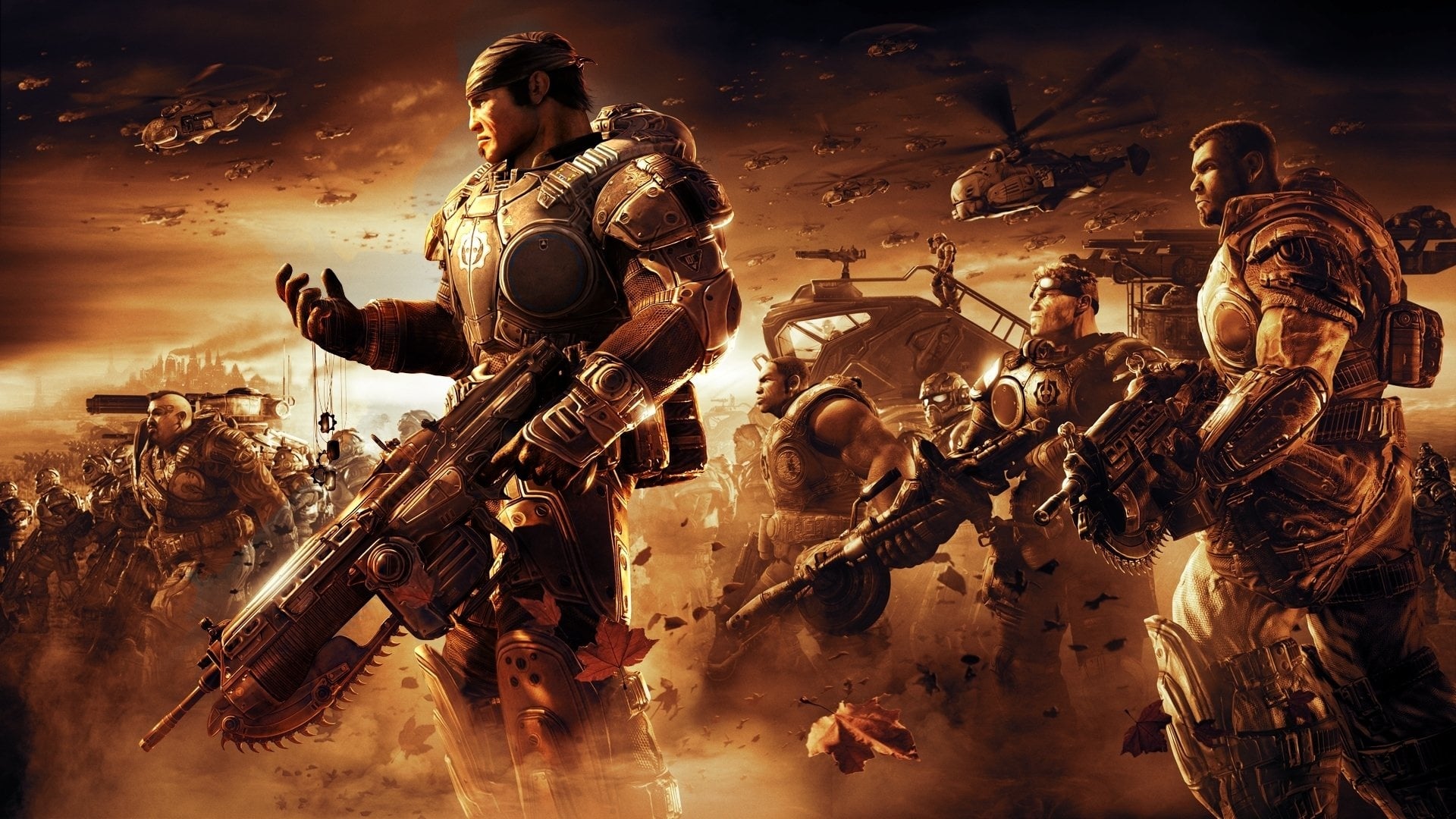
The Rocky Launch: Why This New PC Game Port Isn't Ready for Players
The gaming world often buzzes with excitement when a popular console game announces its arrival on PC. The promise of higher frame rates, sharper graphics, and the flexibility of keyboard and mouse controls or a wider range of gamepads creates a sense of anticipation among the vast PC gaming community. However, this time, the hype has quickly turned into widespread disappointment. While many players eagerly awaited the chance to experience a beloved title on their powerful rigs, it's become clear that this new PC port isn't quite ready for primetime, according to a significant number of players who have already jumped in.
From the moment the game became available, reports began flooding social media, forums, and review platforms, detailing a litany of technical problems. These aren't minor hiccups; they are significant issues that fundamentally impact the gameplay experience, making it frustrating, unplayable, or simply not enjoyable. The dream of a superior PC experience has, for many, devolved into a frustrating battle against performance drops, visual glitches, and outright crashes. This situation highlights a recurring problem in the industry: the rushed release of PC ports that haven't received the necessary care and optimization, ultimately letting down both the developers' vision and the players' expectations.
The Core Problems: What's Going Wrong?
When players say a game isn't "ready for primetime," they're often referring to a combination of issues that prevent a smooth and engaging experience. For this particular port, several key problems have emerged as common complaints:
Performance Woes and Optimization Nightmares
One of the most frequent criticisms revolves around the game's poor performance. Players with powerful, cutting-edge hardware are reporting surprisingly low frame rates, even at moderate settings. This suggests a severe lack of optimization, meaning the game isn't efficiently using the available resources of a PC. Frame rate drops are common in busy areas or during intense action sequences, disrupting the flow of gameplay and making precise movements difficult. Stuttering, where the game briefly freezes or hitches, is also widely reported, pulling players out of immersion and leading to missed inputs or frustrating defeats. This indicates a failure to properly scale the game across different hardware configurations, a fundamental requirement for any successful PC release. Gamers invest heavily in their PC hardware precisely to avoid such issues, making these performance problems particularly galling.
Bugs, Glitches, and Unexpected Crashes
Beyond frame rate issues, the port is reportedly riddled with a variety of bugs and graphical glitches. These can range from minor visual oddities like textures popping in and out, characters T-posing, or shadows behaving erratically, to more severe issues that break missions or create unfair situations. Invisible walls appearing where they shouldn't, character models clipping through environments, and user interface elements failing to display correctly are just some examples. Even more detrimental are the frequent game crashes, which can happen randomly during gameplay, in menus, or at critical story moments. Such crashes lead to lost progress, forcing players to repeat sections and eroding their willingness to continue playing. The prevalence of these bugs suggests inadequate quality assurance (QA) testing, or perhaps that known issues were simply not addressed before release due to tight deadlines.
Control Quirks and UI Shortcomings
A good PC port understands the nuances of PC input methods. However, this port reportedly struggles with both keyboard and mouse controls and gamepad integration. Keyboard and mouse controls are often described as clunky, unresponsive, or lacking customization options that PC players expect. Simple actions might require awkward key combinations, or mouse sensitivity might feel off, even after adjustments. For players preferring a controller, the game might not properly detect various popular models, or button prompts might display incorrectly. Furthermore, the user interface (UI) often feels like a direct, unoptimized console port, with large text elements designed for a living room TV, poor navigation using a mouse, or menus that are difficult to access efficiently. Features like ultrawide monitor support, a staple for many PC enthusiasts, are also reportedly missing or poorly implemented, leading to stretched visuals or black bars.
Why a Quality PC Port Is Crucial
The importance of a well-executed PC port cannot be overstated in today's multi-platform gaming landscape. PC gamers represent a huge and dedicated segment of the market, known for their discerning taste and high expectations. Here's why getting it right matters so much:
Unlocking Maximum Potential
PC hardware, particularly high-end components, offers capabilities far beyond what standard consoles can achieve. Players expect PC versions to fully leverage this power, delivering superior visuals, higher resolutions, and significantly smoother frame rates (often 60 FPS or more) than their console counterparts. A good port isn't just about making the game run; it's about making it run *better* and look *stunningly* better. When a game fails to do this, it wastes the potential of the platform and the player's investment in their hardware.
Personalization and Flexibility
PC gaming thrives on customization. Players expect detailed graphics options to fine-tune their experience, allowing them to balance visual fidelity with performance on their specific machine. Comprehensive control remapping, support for various peripherals (including joysticks, flight sticks, and niche controllers), and compatibility with third-party utilities are all hallmarks of a strong PC release. The ability to tailor the game to one's preferred playstyle and hardware setup is a core tenet of the platform, and a poor port often strips away these freedoms.
Modding and Longevity
The PC platform is also the birthplace of modding, where communities extend the life of games through user-created content, visual enhancements, and even entirely new gameplay experiences. A well-structured PC port, especially one with modding tools or easy file access, can foster a vibrant modding community that keeps a game relevant for years, even decades, after its initial release. A broken or difficult-to-access port, however, stifles this creativity and limits the game's long-term appeal. Learn more about the impact of modding on PC games.
Wider Audience and Accessibility
Bringing a game to PC opens it up to a massive global audience that might not own a particular console. It also often provides more options for accessibility, as PC hardware and software ecosystems offer a broader range of tools and configurations for players with different needs. A successful PC launch can significantly expand a game's reach and profitability, while a botched one can alienate a substantial portion of potential buyers and damage future sales.
A Familiar Story: Echoes of Past Disasters
Unfortunately, this isn't the first time the gaming community has witnessed a highly anticipated PC port stumble out of the gate. History is replete with examples of games that launched in a state far from "primetime," leaving a lasting negative impression and sometimes even financial repercussions:
- Batman: Arkham Knight (PC, 2015): This port was so notoriously broken with performance issues, bugs, and missing graphical features that Warner Bros. Interactive Entertainment temporarily pulled it from sale and offered refunds. It took months of patches to bring it to an acceptable state, but the initial damage to its reputation was significant.
- Cyberpunk 2077 (PC/Consoles, 2020): While primarily infamous for its console performance, the PC version also suffered from significant bugs, crashes, and optimization issues at launch, though less severely than on older consoles. It took numerous large patches and over a year to reach a state many considered polished, demonstrating the monumental effort required to fix a bad launch. Find out more about the Cyberpunk 2077 launch.
- Horizon Zero Dawn (PC, 2020): A highly anticipated PlayStation exclusive, its PC port was plagued by shader compilation issues, frequent crashes, and inconsistent performance for many players upon release. While eventually patched, the initial experience left many feeling underwhelmed and cautious about future PlayStation PC ports.
These examples serve as stark reminders that the initial launch impression is critical. A game's reputation can be permanently scarred by a poor port, making it difficult to win back player trust, even after extensive patches. Players remember the frustration of an unplayable game, and this can influence their purchasing decisions for future titles from the same developer or publisher.
Behind the Scenes: Why Do These Problems Occur?
While players understandably focus on the end product, understanding the complexities of game development can shed some light on why bad ports happen. It's rarely a case of intentional malice, but rather a confluence of challenging factors:
Tight Deadlines and Release Pressure
Game development often operates under immense pressure from publishers and investors to meet specific release dates, especially if a game is tied to marketing campaigns, seasonal sales, or competitive release windows. If the console version takes longer than expected to develop, the PC porting team might be left with significantly less time than ideal to adapt and optimize the game for a vastly more complex ecosystem. The choice then becomes delaying the game (which costs money and risks missing market opportunities) or releasing it in an unpolished state.
Resource Allocation and Expertise
Porting a game is not as simple as clicking a "convert to PC" button. It requires a dedicated team of experienced engineers who understand the nuances of PC hardware, drivers, APIs (like DirectX and Vulkan), and operating systems. If a studio lacks the internal expertise or fails to allocate sufficient resources (time, money, personnel) to the porting process, corners are inevitably cut. Sometimes, external studios are brought in, but if communication is poor or expectations are misaligned, the quality can suffer.
The Sheer Complexity of PC Hardware
Unlike consoles, which have standardized hardware, the PC ecosystem is incredibly diverse. There are thousands of different CPU models, GPUs from multiple manufacturers (Nvidia, AMD, Intel), varying amounts of RAM, different storage solutions (HDDs, SSDs, NVMe), operating system versions, and a plethora of peripherals. Optimizing a game to run well and consistently across this vast array of configurations is a Herculean task. What works perfectly on one high-end system might crash on another mid-range setup or struggle on an older but still supported configuration. This inherent complexity makes comprehensive QA testing particularly challenging and time-consuming.
Quality Assurance (QA) Shortfalls
Effective QA is paramount for a smooth launch. For a PC port, QA teams need to test the game extensively on a wide range of hardware, driver versions, and operating system builds. If the QA phase is rushed, understaffed, or lacks the necessary diverse testing environments, many bugs and performance issues will inevitably slip through to the public release. The sheer volume of potential issues across different PC setups can overwhelm even a well-resourced QA department if given insufficient time.
The Player's Voice: Community Reactions and Expectations
In the age of instant communication, player feedback is immediate and widespread. When a PC port falters, the community quickly mobilizes to express its dissatisfaction, and these reactions can have a profound impact on a game's immediate and long-term success.
Social Media and Forum Outcry
Players are quick to share their frustrations on platforms like Twitter, Reddit, and official game forums. Screenshots of glitches, videos of frame rate drops, and detailed bug reports quickly circulate, painting a clear picture of the game's shortcomings. Hashtags trend, and the game's reputation can plummet within hours of release. Developers and publishers are often directly tagged, creating public pressure for acknowledgment and action. This collective voice becomes a powerful force, shaping public perception and influencing potential buyers.
Review Bombing and Refund Requests
Digital storefronts like Steam allow players to leave reviews and ratings. A poorly optimized or buggy port often leads to "review bombing," where a surge of negative reviews drastically lowers the game's overall score. This directly impacts visibility and sales, as many potential buyers rely on these aggregate scores to make purchasing decisions. Furthermore, frustrated players often exercise their right to refunds, especially on platforms like Steam with generous refund policies for games played for less than two hours. A high volume of refunds can result in significant financial losses for the publisher and sends a clear message about player dissatisfaction. You can check Steam's refund policy for more details.
Hope for Patches and Communication
Despite the initial frustration, the PC gaming community is often resilient and hopeful. Players understand that games can be fixed and often look to developers for transparent communication and a commitment to addressing the issues. The expectation is that developers will acknowledge the problems, outline a plan for patches, and provide regular updates on progress. A lack of communication or perceived indifference can further inflame player anger, while swift, honest engagement can help rebuild trust, even after a rocky start. The community often compiles lists of bugs and desired fixes, effectively becoming a crowd-sourced QA team, and they hope their efforts will be heard and acted upon.
Navigating a Rough Launch: Advice for Gamers
For those eager to play the latest games, encountering a problematic PC port can be incredibly frustrating. Here's some advice on how to navigate such situations:
Wait for Reviews and Community Feedback
Before making a purchase, especially for highly anticipated games, it's always wise to wait a few days after launch. Check reputable gaming websites for reviews, but also pay close attention to community feedback on platforms like Reddit, Steam forums, and YouTube. These sources often provide a more direct and unvarnished look at a game's performance and bug status on various hardware configurations. Look for comments from players with similar PC specs to your own.
Verify System Requirements and Performance Benchmarks
Ensure your PC meets or ideally exceeds the recommended system requirements. However, even meeting these requirements is no guarantee of a smooth experience with a poorly optimized port. Look for independent benchmarks and performance tests published by tech sites or trusted content creators. These can give you a realistic expectation of how the game will run on different GPUs and CPUs at various settings.
Be Aware of Refund Policies
Familiarize yourself with the refund policy of the digital storefront where you purchase the game (e.g., Steam, Epic Games Store, GOG). Most platforms offer refunds within a certain timeframe or if you've played for less than a specified number of hours. This provides a safety net if the game proves unplayable or simply too buggy for your enjoyment. Don't hesitate to use it if the experience isn't what you expected.
Consider Waiting for Patches
One of the most pragmatic approaches is to simply wait. Developers often release "day one" patches, and for truly problematic ports, significant post-launch updates are usually necessary. Keep an eye on developer announcements and community updates. Often, waiting a few weeks or even a month can result in a much more polished and enjoyable experience, saving you from the frustration of an early, broken launch. Patience can be a virtue in the world of PC gaming. For insights into current game patches and updates, visit a news aggregate like GameRevolution.
The Road Ahead: Patches, Progress, and Redemption
The story of a problematic PC port doesn't necessarily end with a disastrous launch. Many games, even those with infamously rough beginnings, have been salvaged and eventually celebrated through dedicated post-launch support. The path to redemption typically involves several critical steps:
Acknowledgment and Communication
The first and most crucial step for the developers and publishers is to officially acknowledge the community's concerns. A public statement detailing the issues, apologizing for the inconvenience, and committing to fixes can go a long way in rebuilding goodwill. Regular updates on the progress of patches, including what specific issues are being addressed, helps keep the community informed and hopeful.
Prioritizing Critical Fixes
Development teams must quickly identify and prioritize the most egregious bugs and performance issues. This often means focusing on crashes, game-breaking bugs, and major performance bottlenecks first, before moving on to less critical glitches or quality-of-life improvements. Rapid deployment of smaller, more frequent hotfixes can demonstrate responsiveness and alleviate immediate player pain, while larger, more comprehensive patches address deeper architectural problems.
Long-Term Optimization and Feature Additions
Beyond initial bug squashing, a commitment to long-term optimization is key. This includes ongoing work to improve frame rates, reduce stuttering, and ensure stability across a wider range of PC hardware. Additionally, features that were missing at launch, such as ultrawide monitor support, comprehensive key remapping, or specific graphical options, should be added in subsequent updates. This demonstrates a dedication to the PC platform and its unique requirements, rather than simply patching to a "barely playable" state.
Rebuilding Trust
Ultimately, the goal is to rebuild trust with the player base. A sustained effort to improve the game, coupled with transparent communication, can eventually turn a negative launch into a success story. While the initial impression is hard to shake, a game that genuinely improves over time can garner respect and even earn back lost sales. Conversely, a lack of continued support can permanently tarnish a studio's reputation and negatively impact future game releases.
Conclusion: The Enduring Value of a Polished Experience
The saga of this new PC port serves as a stark reminder of the delicate balance between anticipation, development realities, and player expectations. While the excitement for a beloved title making its way to PC is always high, that enthusiasm can quickly dissipate when the game arrives in an unfinished state. The current situation, with widespread reports of poor performance, frustrating bugs, and a general lack of polish, underscores the critical importance of proper optimization and thorough quality assurance for any PC release.
For PC gamers, the platform represents the pinnacle of performance, visual fidelity, and customization. They invest in powerful hardware and expect games to leverage that power effectively. When a port fails to meet these fundamental expectations, it's not just a minor inconvenience; it's a betrayal of the trust placed in developers and publishers. The immediate impact on reviews, sales, and community sentiment can be severe and long-lasting.
However, the gaming community remains hopeful. With dedicated effort, transparent communication, and a commitment to addressing the reported issues, even a rocky launch can eventually be overcome. The path to redemption for this new PC port will undoubtedly be challenging, requiring significant post-launch support and ongoing optimization. But for the sake of the game, its developers, and the eager players who still wish to experience it at its best, a polished and truly "primetime" experience is a goal worth striving for. The enduring value of a well-crafted, stable, and enjoyable game transcends its initial release date, cementing its place in the hearts of players for years to come.
from Kotaku
-via DynaSage
