
Everything We Know About MacBook Ultra's All-New Design
The Future of Apple Laptops: A Deep Dive into the MacBook Ultra's Revolutionary Design
Get ready for a game-changer! Apple is gearing up to introduce its next top-tier laptop, and it promises to bring the most significant external redesign to the MacBook Pro family since its major refresh in 2021. While we haven't seen any official pictures, leaked cases, or exact measurements yet, various reliable reports have given us a clear picture of what's expected to change. This isn't just a minor update; it's shaping up to be a complete transformation.
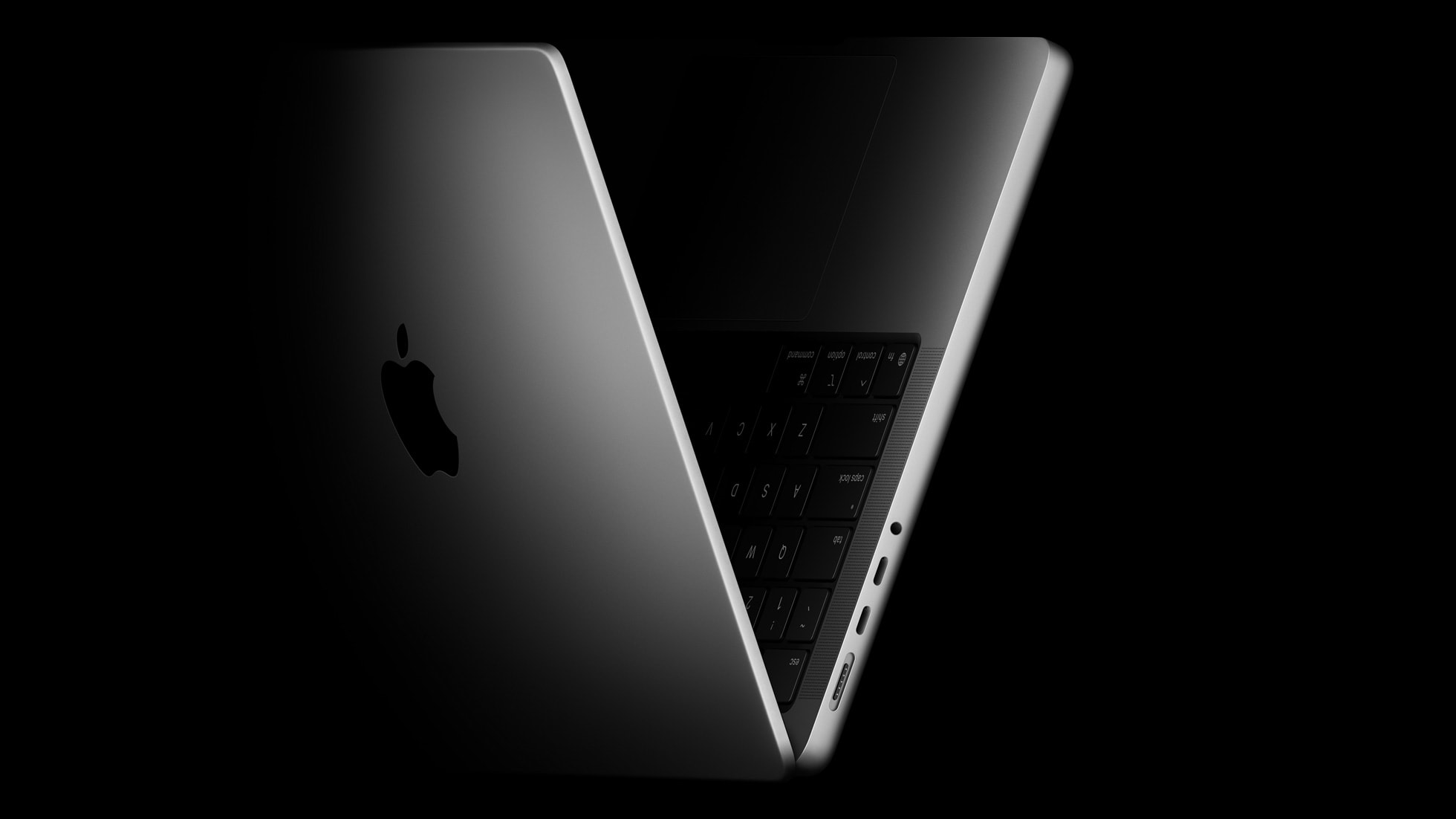
A True Overhaul: Apple's Quest for the Thinnest and Lightest
The Vision Behind the MacBook Ultra
According to Mark Gurman from Bloomberg, there's a strong possibility that this upcoming model represents a "true overhaul" for the MacBook Pro. This exciting shift is mainly due to two key improvements: the introduction of a stunning OLED display and a noticeably thinner overall design. Apple is reportedly pushing the boundaries, striving to create the thinnest and lightest products in their respective categories across the entire tech industry. This isn't just a one-off change for this particular model. The new design language is expected to influence future Apple laptops, with even the standard 14-inch MacBook Pro, planned for release in 2027, said to adopt a similar look. This suggests a unified, sleeker aesthetic for Apple's professional laptop lineup.
The Role of OLED Technology in the New Design
The switch to an OLED display is a pivotal moment for the MacBook Pro. OLED, which stands for Organic Light-Emitting Diode, is a display technology that allows each individual pixel to generate its own light. This means when a pixel is black, it’s truly off, resulting in perfect blacks, incredibly high contrast ratios, and vibrant, lifelike colors. Unlike traditional LCD screens, which require a backlight, OLED panels are inherently thinner because they remove that entire physical layer. This not only contributes to the overall slimness of the laptop but also promises a superior visual experience. Imagine working with photos or videos where every shade and hue pops with breathtaking accuracy, or simply enjoying movies with cinematic depth that current displays can’t quite match. This isn't just about aesthetics; it's about elevating the entire visual interaction with your most important professional tool.
Setting a New Standard for Portability
Apple has always had a strong emphasis on design and portability, from the original MacBook Air that famously fit into an envelope to the sleek lines of its iPhones. This new MacBook Pro, potentially dubbed the "MacBook Ultra," seems to recommit to that philosophy in a big way. The pursuit of the "thinnest and lightest" goes beyond just bragging rights. For professionals who travel frequently, students who carry their laptops all day, or anyone who values a premium, unencumbered computing experience, a lighter and thinner device makes a tangible difference. It reduces strain, fits more easily into bags, and simply feels more modern and advanced. This strategic move aims to solidify Apple's position at the forefront of laptop design, offering not just powerful performance, but also unparalleled elegance and ease of use.
Unprecedented Thinness: The Engineering Marvel
Breaking Down the Current MacBook Pro Dimensions
For context, every MacBook Pro model released since 2021 has maintained a consistent thickness: 0.61 inches (or 15.5mm) for the 14-inch versions and 0.66 inches (or 16.8mm) for the 16-inch versions. These measurements have remained unchanged across five different generations of Apple's powerful M-series chips, from the M1 Pro/Max all the way to the latest iterations. While these are already quite slim for high-performance machines, Apple is clearly aiming for something even more dramatic with the next model. The expectation is that this new MacBook Pro will be noticeably thinner and lighter than anything we've seen from Apple in this category in years. Although exact figures are still under wraps, the industry is buzzing with anticipation for a truly svelte design.
How Hybrid OLED Makes a Difference
The secret to this dramatic reduction in thickness lies primarily in the display technology. Current MacBook Pros use mini-LED displays, which, while excellent, still rely on a backlight unit. This backlight is composed of thousands of tiny LEDs that illuminate the pixels, and it adds a physical layer to the display assembly. The upcoming model, however, is expected to feature a hybrid OLED panel. The "hybrid" part typically refers to combining rigid and flexible OLED materials to offer both durability and thinness at a lower cost than pure flexible OLED. By replacing the mini-LED backlight with this advanced hybrid OLED technology, Apple can completely remove that entire backlight layer. This isn't just a small tweak; it's a fundamental change that allows for a significant reduction in the display's thickness. This reduction is expected to be most noticeable in the upper half of the machine, which houses the screen, making the lid incredibly slim.
The Impact on User Experience and Portability
What does a thinner and lighter laptop truly mean for you, the user? For professionals constantly on the move, it translates to less bulk and weight in your bag, making long commutes or travel days far more manageable. For creatives, it means a more elegant and less intrusive tool on your desk, allowing for a more focused workspace. A thinner profile also often brings with it a sense of premium craftsmanship, enhancing the overall aesthetic and tactile experience. While current MacBook Pros are already powerful, this new design will combine that raw power with an unparalleled level of portability and sleekness. It addresses a common desire for high-performance machines that don't compromise on design or ease of transport. This shift underscores Apple's commitment to not just meeting but exceeding user expectations for what a professional laptop can be.
Goodbye Notch, Hello Dynamic Island: A Smarter Display Interaction
The Notch: A Brief History and Its Evolution
Since its introduction in the 2021 MacBook Pro models, the notch has been the most distinctive—and often debated—feature of the laptop's display. While it allowed for incredibly thin bezels around the sides and top, providing more screen real estate, its presence as a black cutout interrupting the menu bar was a point of contention for some users. It was a functional necessity, housing the webcam and other sensors, but its aesthetic impact was undeniable, dividing opinions across the Apple community. This bold design choice was inherited from the iPhone, but its application on a desktop operating system felt different, leading to discussions about whether it truly belonged on a professional machine's expansive display.
The Arrival of the Hole-Punch Camera
Now, it seems the notch's days are numbered. The latest reports suggest it will be replaced by a more discreet hole-punch camera. This change was first hinted at by a roadmap from research firm Omdia and later confirmed by Bloomberg, adding significant weight to the rumor. A hole-punch design integrates the camera directly into the display with a small circular or pill-shaped cutout, rather than a larger, more intrusive notch. This move brings the MacBook Pro in line with many modern smartphone designs and offers a less disruptive visual experience, allowing more of the screen to be truly edge-to-edge.
Imagining the Dynamic Island on macOS: A New Era of Interaction
The new cutout isn't just about shrinking the camera housing; it's expected to be pill-shaped to accommodate an interactive Dynamic Island, a feature popularized by the iPhone 14 Pro and 15 Pro models. On the iPhone, the Dynamic Island cleverly transforms the cutout into a dynamic, animated space that displays alerts, notifications, and ongoing background activities like timers, music playback, or FaceTime calls. Bringing this to macOS would be a revolutionary step for desktop interaction. Imagine the Dynamic Island on your MacBook Pro showing real-time updates for app installations, active downloads, upcoming calendar events, or even controlling media playback without needing to open specific applications. It could serve as a smart, contextual hub for information and quick actions, making the menu bar feel more alive and interactive than ever before. This would be a significant leap in how users receive information and interact with their Mac, seamlessly blending hardware and software into a fluid experience.
Software Clues: macOS 27 and the Dynamic Island Readiness
Perhaps the strongest indication of this change comes from Apple's software development. The upcoming "Search or Ask" interface built into Spotlight in macOS 27 has adopted a dark, pill-shaped design. This design choice is perfectly suited to a cutout of that exact shape, strongly suggesting that Apple is already preparing its operating system for the hardware shift. This kind of integration is typical for Apple, where hardware and software are designed hand-in-hand to create a cohesive and intuitive user experience. If the Dynamic Island does indeed come to the MacBook Pro, it would mean the menu bar would transform from being divided in two by a notch to a continuous strip elegantly interrupted by this small, dynamic, and incredibly functional "island." This would not only clean up the display but also introduce a completely new paradigm for user interaction on the Mac, pushing the boundaries of what a laptop interface can do.
Edge-to-Edge Brilliance: Sharper Displays, Smaller Bezels
The Pursuit of Immersive Visuals
Beyond the groundbreaking OLED technology and the innovative Dynamic Island, the next MacBook Pro is also expected to enhance its visual immersion by significantly shrinking the bezels around the display. Bezels, the borders surrounding the screen, have been steadily decreasing in size across the tech industry for years, and for good reason. Smaller bezels create a more modern, sleeker look and provide a more expansive, uninterrupted viewing experience. For tasks like video editing, graphic design, or simply watching content, minimizing these borders helps the screen truly pop and draws you deeper into your work or entertainment. It's about maximizing screen real estate within a given physical footprint, a crucial aspect of modern device design.
Larger Panels, Same Footprint: The Magic of Design
The details regarding the display panels come from Omdia, which claims that Samsung Display will be supplying the screens for these new laptops. They are expected to be 14.3-inch and 16.3-inch panels. While these might seem like only fractional increases from the current 14.2-inch and 16.2-inch displays, the implication is significant. If these slightly larger panels are fitted into a chassis that remains largely the same size as the current models, the only way to accommodate them is by making the surrounding borders much narrower. This engineering feat allows Apple to deliver a larger, more immersive display without increasing the overall size of the laptop itself. The result will be a laptop that feels more expansive and modern, with the screen dominating the front surface, making for a truly breathtaking visual impact. This subtle increase in screen size, achieved through bezel reduction, will be a welcome change for anyone who appreciates a more generous and aesthetically pleasing viewing area on their professional machine.
Stability and Durability: The Reinforced Hinge
Addressing User Feedback: The Wobble Factor
One of the often-overlooked yet critical components of any laptop is its hinge. It plays a vital role in the device's stability and overall user experience. With previous MacBook Pro models, some users occasionally reported a slight wobbling of the display when interacting with the screen, especially in situations like on a moving train or during vigorous typing. While not a widespread issue, Apple appears to be proactively addressing this with the upcoming model. Reports indicate that Apple will be fitting a reinforced hinge. This enhancement is designed specifically to ensure that the display remains rock-solid and stable, even when tapped or adjusted, providing a more premium and reassuring feel during use. A sturdy hinge is a hallmark of a high-quality laptop, and this improvement underscores Apple's commitment to refining every aspect of its professional machines.
Enhanced Ergonomics and Practicality
Beyond simply preventing wobble, a reinforced hinge could also potentially lead to improvements in the display's maximum tilt angle. Current MacBook Pro models have a somewhat limited backward tilt, stopping relatively early compared to some other laptops, often due to structural considerations needed to maintain rigidity. It remains to be seen whether this new, stronger hinge will allow the lid to tilt further back. If it does, this would be a significant ergonomic benefit. A wider tilt range offers greater flexibility in various working environments, from standing desks to cramped airplane seats, allowing users to find the most comfortable and productive viewing angle. This attention to detail, even in components like the hinge, highlights Apple's dedication to creating a truly refined and user-centric computing experience, where stability, durability, and practical ergonomics are given as much importance as raw power and cutting-edge design.
Familiar Comforts: What Stays the Same?
The Tried and Tested Keyboard and Trackpad
While the next MacBook Pro promises a wealth of groundbreaking external changes, it's also reassuring to know that some of its most beloved and effective features are expected to carry over. As reported by Bloomberg in February, the machine will look a lot like the current MacBook Pro in many fundamental aspects, particularly concerning its input devices. This means the highly praised keyboard and expansive Force Touch trackpad are expected to be retained. Apple has refined its keyboard design significantly since the "butterfly" keyboard era, and the current Magic Keyboard on the MacBook Pro is widely regarded as excellent for typing comfort and responsiveness. Similarly, the industry-leading trackpad offers precise control and multi-touch gestures that are integral to the macOS experience. Retaining these elements ensures that users can transition to the new, sleeker design without having to readjust to unfamiliar input methods, providing a sense of continuity and comfort amidst the exciting new features.
Apple's Commitment to the Traditional Clamshell
Another crucial aspect that is expected to remain unchanged is the MacBook Pro's fundamental form factor. The upcoming model will stay true to its roots as a conventional clamshell laptop, available in both 14-inch and 16-inch sizes. This means Apple is not venturing into detachable screens, convertible designs, or other hybrid tablet-laptop formats for its professional line. This commitment to the traditional laptop design speaks to Apple's understanding of its core professional user base, who prioritize stability, a fixed keyboard, and powerful performance in a robust, classic form. While other manufacturers experiment with various convertible designs, Apple is clearly confident that the traditional clamshell, when executed with premium materials and cutting-edge technology, remains the ideal form factor for power users who demand reliability and a consistent workflow.
The Return of Essential Ports: HDMI, MagSafe, and SD Card Slot
Perhaps one of the most celebrated decisions in recent MacBook Pro history was the reinstatement of essential ports in the 2021 redesign, following an unpopular period where users were forced to rely heavily on adapters and dongles. It's excellent news that no report has suggested these beloved ports will be removed again. This means professionals can continue to enjoy the convenience of a full-sized HDMI port for external displays, the universally appreciated MagSafe charging port, and a handy SD card slot for photographers and videographers. The return of MagSafe, in particular, was met with widespread acclaim. Its magnetic connection makes charging incredibly easy and safe, as the cable simply detaches if accidentally tugged, preventing the laptop from being pulled off a desk. The SD card slot is invaluable for creative professionals, offering a quick and efficient way to transfer media from cameras. By retaining these crucial connectivity options, Apple acknowledges the practical needs of its professional users, ensuring a streamlined and adapter-free workflow that genuinely enhances productivity and user satisfaction.
The Anticipated Arrival: When Can We Expect the MacBook Ultra?
Navigating Supply Chain Challenges
For those eagerly awaiting this groundbreaking laptop, patience will be a virtue. Renowned Apple analyst Mark Gurman anticipates the laptop's arrival between late 2026 and early 2027. However, the later part of that window is now considered more likely. The primary reason for this potential delay is the ongoing global memory chip shortage. Such shortages can significantly impact production schedules for high-tech devices, as crucial components become difficult to source in sufficient quantities. Apple, like many technology companies, relies on a complex global supply chain, and disruptions in one area can cascade, affecting launch timelines. While frustrating for prospective buyers, these delays often indicate that Apple is prioritizing stable supply and quality control over rushing a product to market.
The Promise of the M5 Chip Generation
While the focus of this discussion has been on the external design, it's safe to assume that this revolutionary new MacBook Pro will also house Apple's latest and most powerful internal components. It is expected to launch with the next generation of Apple Silicon, likely the M5 Pro and M5 Max chips. These processors will undoubtedly deliver even greater performance, energy efficiency, and graphics capabilities, cementing the laptop's position as a powerhouse for demanding professional tasks. The combination of a stunning, re-engineered exterior with industry-leading internal components will make the next MacBook Pro an incredibly compelling device. Despite the potential wait, the sheer scope of the rumored changes, from the OLED display and Dynamic Island to the thinner design and powerful M5 chips, suggests that this will be a MacBook Pro well worth waiting for, setting a new benchmark for professional portable computing.
Conclusion: A Glimpse into Apple's Innovative Future
The next high-end MacBook Pro, potentially referred to as the MacBook Ultra, stands poised to redefine what a professional laptop can be. From its dramatically thinner design, enabled by cutting-edge hybrid OLED technology, to the highly anticipated arrival of the Dynamic Island on macOS, every reported change points to a product that is not just an iteration but a true evolution. While retaining the beloved keyboard, trackpad, and essential ports that professionals rely on, Apple is pushing boundaries in display technology, user interaction, and industrial design. The journey from reports and rumors to a tangible product is often long, and the global memory chip shortage means we might have to wait a little longer. However, the promise of a device that combines unparalleled power with a sleek, modern aesthetic and innovative features makes the wait for this "true overhaul" of the MacBook Pro line incredibly exciting and absolutely worthwhile for anyone seeking the pinnacle of portable computing.
This article, "Everything We Know About MacBook Ultra's All-New Design" first appeared on MacRumors.com
Discuss this article in our forums
from MacRumors
-via DynaSage
