
Emergency SOS via Satellite Expands to Two More Countries
A Lifeline Expands: Emergency SOS via Satellite Now Live in Andorra and Iceland
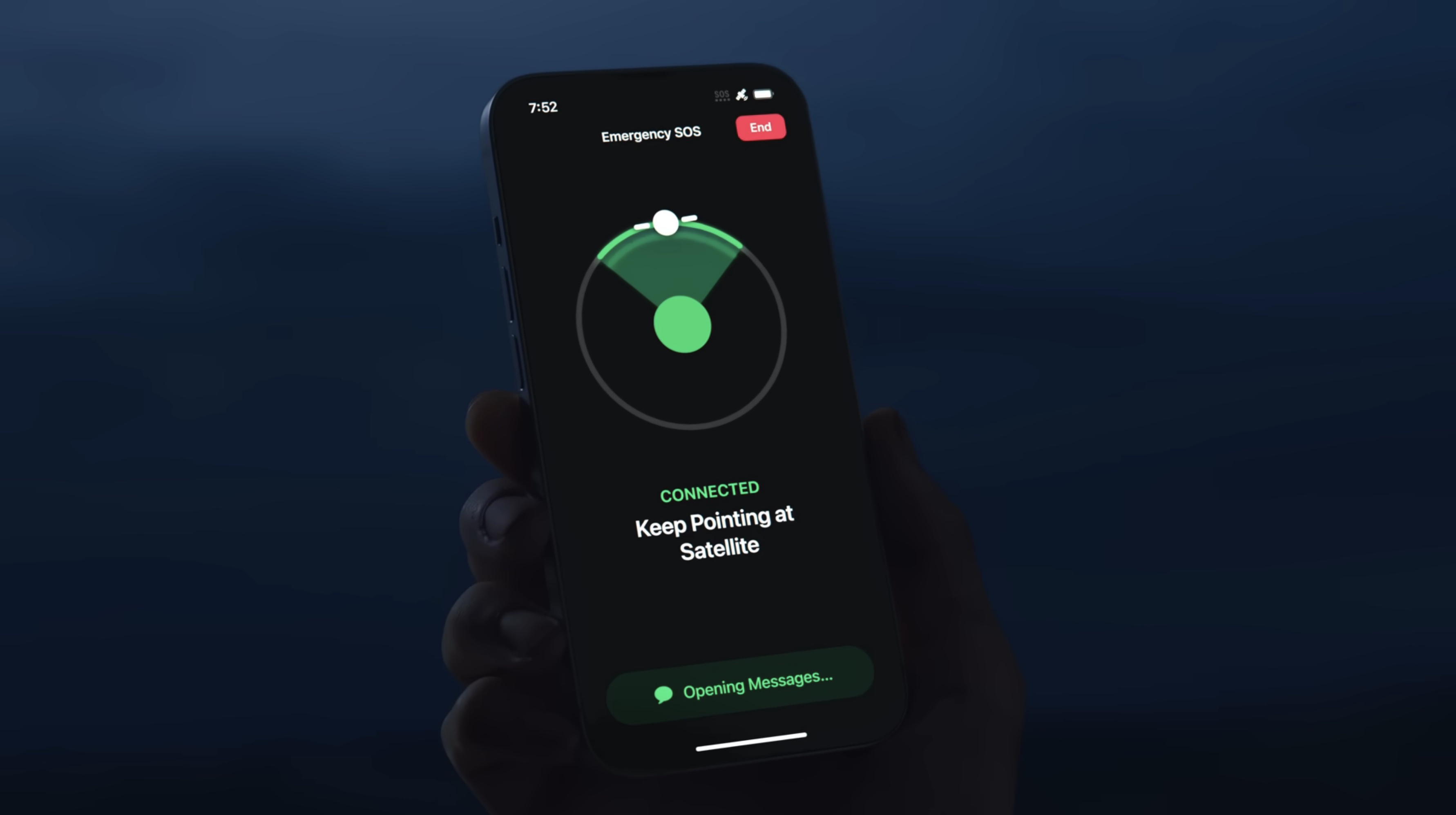
In a significant stride towards enhancing user safety and connectivity, Apple has officially expanded its groundbreaking Emergency SOS via satellite feature to two more European nations: Andorra and Iceland. This crucial update, confirmed by an updated Apple support document, means that residents and visitors in these regions can now leverage their compatible iPhones and Apple Watch devices to contact emergency services even when conventional cellular networks or Wi-Fi are out of reach. This expansion underscores Apple's ongoing commitment to providing essential safety tools, particularly in areas often characterized by remote landscapes and unpredictable conditions.
What is Emergency SOS via Satellite?
Emergency SOS via satellite is a revolutionary safety feature that enables iPhone 14 users and those with newer models, as well as specific Apple Watch Ultra devices, to connect directly to emergency services using satellite technology when traditional communication methods are unavailable. Imagine being stranded deep in a national park, far from any cell tower, or finding yourself in a remote area during a natural disaster where infrastructure might be compromised. In such scenarios, this feature transforms your device into a satellite communicator, offering a vital lifeline.
Unlike standard phone calls or texts that rely on terrestrial cell towers or Wi-Fi routers, Emergency SOS via satellite bypasses these entirely. Instead, your device connects to a network of satellites orbiting Earth, relaying your emergency messages to specialized relay centers. These centers then contact the appropriate local emergency services on your behalf, providing them with critical information about your situation and location. It's a game-changer for anyone who ventures beyond the grid, whether for work, adventure, or simply living in less populated areas.
How Does it Work? The Technology Explained
The magic behind Emergency SOS via satellite lies in sophisticated hardware and software integration. When you activate the feature, your iPhone or Apple Watch guides you through a user-friendly interface. It prompts you to point your device towards the sky to establish a connection with an overhead satellite. This isn't like connecting to a powerful Wi-Fi signal; satellites are constantly moving, so the device needs to maintain a clear line of sight, which the on-screen guide helps you achieve.
Once connected, the system intelligently compresses emergency questionnaires and answers into incredibly small data packets. This compression is crucial because satellite bandwidth is far more limited than cellular bandwidth. These compact messages, including vital details like your Medical ID (if set up), emergency contact information, and answers to initial questions about the nature of your emergency, are then beamed up to the satellite. The satellite, in turn, forwards this data to a ground station, which then relays it to Apple-trained specialists. These specialists act as intermediaries, contacting the relevant local emergency services (police, fire, or ambulance) and sharing all the necessary information.
The entire process is designed to be as efficient and quick as possible, minimizing the time it takes for help to be dispatched. Apple has meticulously engineered the software to guide users through the process, even in stressful situations, ensuring that accurate information is conveyed without unnecessary delays.
The Role of Globalstar in Satellite Connectivity
To power this ambitious feature, Apple forged a strategic partnership with Globalstar, a leading provider of satellite services. Globalstar operates a constellation of low-Earth orbit (LEO) satellites, which are essential for the rapid communication required by Emergency SOS via satellite. These satellites are designed to offer robust connectivity in remote regions where traditional ground-based networks are sparse or non-existent.
The collaboration with Globalstar not only provides the necessary satellite infrastructure but also includes the establishment of specialized ground stations and relay centers equipped to handle the unique data flow. This partnership ensures a dedicated and reliable pipeline for emergency communications, underpinning the entire service and making it possible for millions of Apple users to access this vital safety net.
Why is This Feature Crucial for Modern Life?
The introduction and expansion of Emergency SOS via satellite address a critical gap in personal safety. In an increasingly connected world, there are still vast stretches of land and sea where cellular reception simply doesn't exist. For adventurers, outdoor enthusiasts, remote workers, or even everyday drivers who might encounter unforeseen circumstances, being cut off from help can turn a minor incident into a life-threatening situation.
Beyond Cellular: Bridging Connectivity Gaps
Traditional mobile networks are built around population centers and major transportation routes. This leaves significant portions of the globe, particularly mountainous regions, deserts, national parks, and even certain rural areas, without reliable coverage. Historically, venturing into these "dead zones" meant carrying specialized satellite phones or personal locator beacons (PLBs), which are often expensive, bulky, and require separate subscriptions and training.
Emergency SOS via satellite democratizes this life-saving capability by integrating it directly into a device many people already own and carry daily: their iPhone or Apple Watch. It transforms a common consumer gadget into an emergency communication device, removing barriers to access and making advanced safety technology readily available to a much broader audience. This bridging of connectivity gaps is not just a convenience; it's a fundamental enhancement of personal security.
Peace of Mind for Adventurers and Remote Workers
For hikers traversing remote trails, climbers scaling challenging peaks, sailors navigating open waters, or even drivers taking scenic but isolated routes, the knowledge that they can call for help regardless of cellular coverage provides immense peace of mind. Accidents happen, and in remote environments, time is often of the essence. A sprained ankle, a sudden medical emergency, or getting lost can quickly escalate without the ability to communicate. Emergency SOS via satellite significantly reduces the response time for search and rescue operations, potentially saving lives and mitigating injuries.
Moreover, for professionals who work in remote sectors such as forestry, mining, geological surveys, or environmental research, this feature adds an invaluable layer of safety. These individuals often operate alone or in small teams in areas far from immediate assistance. The ability to quickly and easily summon help in an emergency empowers them to perform their duties with greater confidence and security.
Supported Devices and Software
To access Emergency SOS via satellite, users need specific Apple hardware and software. This feature is not available on older iPhone models due to the specialized antennas and internal components required to communicate with satellites.
iPhone 14 and Newer: The Satellite Pioneers
The feature first debuted with the iPhone 14 lineup, including the iPhone 14, iPhone 14 Plus, iPhone 14 Pro, and iPhone 14 Pro Max. All subsequent iPhone models, such as the iPhone 15 series, also support this capability. These devices are equipped with custom hardware components that allow them to establish and maintain a connection with Globalstar's satellite network. This specialized technology is crucial for managing the unique challenges of satellite communication, such as low bandwidth and the need for precise alignment.
Apple Watch Ultra: Safety on Your Wrist
The robust and adventure-focused Apple Watch Ultra models are also part of this safety ecosystem. As noted in the requirements for these new countries, the Apple Watch Ultra 3 is specified, indicating Apple's continuous integration of advanced safety features across its premium wearable lineup. This means that users wearing their Apple Watch Ultra can also initiate an Emergency SOS via satellite request, offering an additional layer of convenience and accessibility, especially in situations where reaching for an iPhone might be difficult or impossible, such as during a climb or after an accident.
Important Software Requirements: iOS 26.4 and watchOS 26.4
For users in Andorra and Iceland, the feature requires specific software updates: iOS 26.4 and watchOS 26.4 or later. It's important to note that these version numbers appear to be future-facing, as current stable releases are much lower (e.g., iOS 17 and watchOS 10). This indicates that a future major software update, or a specific regional build, will be necessary to activate this service in these particular countries. Users should always ensure their devices are updated to the latest available software to gain access to new features and security enhancements. Apple's support documents often include placeholder version numbers for upcoming features, signaling their eventual release.
A Closer Look: Emergency SOS via Satellite in Andorra and Iceland
The expansion into Andorra and Iceland is particularly strategic, given the unique geographical and demographic characteristics of these two nations. Both are popular tourist destinations known for their stunning natural beauty, which also presents challenges in terms of connectivity.
Andorra: A Mountainous Haven Now Safer
Andorra, a small, independent principality nestled between France and Spain in the Pyrenees mountains, is renowned for its ski resorts, hiking trails, and picturesque landscapes. Its mountainous terrain, while beautiful, naturally creates numerous areas with poor or non-existent cellular coverage. Hikers, skiers, and mountaineers frequently explore remote parts of the principality, where the risk of accidents is ever-present and access to emergency services can be severely hampered by a lack of communication.
The availability of Emergency SOS via satellite in Andorra offers a critical safety net for both its residents and the millions of tourists who visit each year. It ensures that help can be summoned quickly, whether someone has suffered a fall on a remote trail, become disoriented in a snowstorm, or encountered an unexpected medical emergency far from civilization. This enhancement significantly boosts the safety infrastructure of Andorra's outdoor tourism sector.
Iceland: Navigating the Land of Fire and Ice with Confidence
Iceland, often referred to as the "Land of Fire and Ice," is famous for its dramatic volcanic landscapes, glaciers, hot springs, and vast, sparsely populated wilderness. Tourism has boomed in recent years, drawing adventurers eager to explore its unique natural wonders, from the Golden Circle to the remote Highlands.
However, Iceland's remote and often harsh environment poses significant challenges for connectivity. Many popular tourist routes and natural attractions are far removed from cellular towers, and weather conditions can change rapidly and dramatically, leading to dangerous situations. Hikers can get lost in expansive lava fields, drivers can become stranded on remote F-roads, and unforeseen natural events like sudden blizzards or volcanic activity can quickly isolate individuals.
For visitors and locals alike, Emergency SOS via satellite provides an indispensable tool. It means that whether exploring the black sand beaches of Reynisfjara, trekking through Þórsmörk, or driving along the Ring Road, assistance is just a satellite connection away. This feature is particularly valuable in a country where natural beauty is intertwined with the potential for extreme conditions, offering a new level of security for those exploring its breathtaking, yet challenging, terrain.
How to Use Emergency SOS via Satellite
Apple has designed the Emergency SOS via satellite interface to be intuitive and easy to use, even under duress. The goal is to ensure that anyone can effectively communicate their emergency when traditional networks are unavailable.
Step-by-Step Guide in an Emergency
When you find yourself in an area without cellular or Wi-Fi coverage, your iPhone or Apple Watch will detect this. If you attempt to make a call to emergency services (e.g., by dialing 112, 911, or 999), and a connection cannot be established, your device will automatically present the option for Emergency SOS via satellite. Alternatively, you can directly access the feature through the Emergency SOS menu.
- Initiate Emergency SOS: Press and hold the side button and one of the volume buttons until the Emergency SOS slider appears. Drag the slider, or continue holding the buttons until the countdown finishes and a call is placed. If no cellular connection is available, you’ll see the option to use "Emergency Text via Satellite."
- Point Your Device: Your device will then guide you to point it towards the sky to establish a connection with a satellite. An on-screen interface will show you which direction to point and will indicate when a connection is stable.
- Answer Key Questions: To expedite assistance, the system will present a series of multiple-choice questions about your emergency. These questions cover common scenarios such as "Car problem/accident," "Sick/injured person," "Crime," "Lost/trapped," or "Fire." Your answers help emergency services understand the nature of your predicament quickly.
- Share Information: Along with your location coordinates, your Medical ID (if configured), and emergency contact information will be automatically shared with the relay center and subsequently with emergency responders.
- Communicate with the Relay Center: Once connected, you can exchange brief text messages with the Apple-trained specialists at the relay center. They will ask follow-up questions if needed and keep you informed about the status of the dispatched help.
It's important to remember that sending messages via satellite can take longer than regular texts, typically from 15 seconds to over a minute, depending on satellite availability, your environment (e.g., clear sky vs. heavy foliage), and other factors. Maintaining a clear line of sight to the sky is paramount throughout the process.
What Information is Shared?
When you use Emergency SOS via satellite, several pieces of vital information are securely transmitted to assist rescuers:
- Your Location: Precise GPS coordinates are shared.
- Emergency Type: Based on your answers to the guided questions.
- Altitude: Crucial for search and rescue in mountainous regions.
- Battery Level: Helps responders anticipate how long your device might remain active.
- Medical ID: Any medical information you've configured in the Health app, such as allergies or conditions, can be shared to inform emergency personnel.
- Emergency Contacts: Up to three pre-selected emergency contacts can be notified of your emergency and location.
All this information is encrypted and sent directly to the relay centers and then to the appropriate emergency services, ensuring privacy while providing essential data for a rapid response.
Key Benefits and Potential Impact
The rollout of Emergency SOS via satellite in Andorra and Iceland, and its availability elsewhere, brings a host of benefits that extend beyond individual safety.
Saving Lives, One Text at a Time
The most immediate and profound benefit is the potential to save lives. In situations where timely intervention is critical, the ability to rapidly summon help can mean the difference between life and death. Whether it’s a severe injury in a remote location, getting lost in a blizzard, or falling ill far from medical aid, this feature dramatically improves the chances of a positive outcome. It empowers individuals who might otherwise be helpless to reach out and receive assistance, significantly reducing the risks associated with exploring or living in remote areas.
Boosting Tourism and Outdoor Activities
For countries like Andorra and Iceland, which rely heavily on outdoor tourism, the implementation of such a safety feature can have a positive economic impact. Tourists and outdoor enthusiasts are more likely to visit destinations where they feel safe and confident that help is accessible. Knowing that their iPhone or Apple Watch can serve as a lifeline, even in the most remote corners, might encourage more people to explore these beautiful but challenging landscapes. This can lead to increased tourism revenue, supporting local businesses and economies.
Furthermore, it enhances the overall safety infrastructure, potentially reducing the burden on local search and rescue teams by providing them with more precise information and earlier alerts, leading to more efficient operations.
Understanding the Limitations
While incredibly powerful, Emergency SOS via satellite is not a replacement for traditional cellular service and does come with certain limitations that users should be aware of.
Line of Sight and Environmental Factors
Satellite communication requires a clear line of sight to an orbiting satellite. This means that dense foliage, deep canyons, buildings, or other significant obstructions can block the signal. While the device's interface helps guide users to an optimal position, it's not always possible to get a clear view of the sky in every emergency situation. Users should try to find an open area with a clear view of the horizon if possible.
Weather conditions can also impact performance. Heavy clouds, dense fog, or severe storms can interfere with the satellite signal, making it more challenging or slower to establish a connection and transmit messages.
Battery Consumption and Signal Strength
While designed to be efficient, communicating with satellites uses more battery power than typical cellular or Wi-Fi usage. In an emergency, preserving battery life is crucial, so it's advisable to use the feature only when absolutely necessary and to have your device sufficiently charged before venturing into remote areas.
Furthermore, while the service aims for global coverage where possible, signal strength can vary. Like any wireless communication, factors such as the position of the satellite, your location relative to ground stations, and atmospheric conditions can affect the speed and reliability of the connection.
The Cost and Future of Satellite Connectivity
Apple's Emergency SOS via satellite service has been introduced with a particular pricing model and has a clear path for future development.
Initial Free Access and Potential Subscription Models
Upon its launch, Emergency SOS via satellite was made available for free for a specific period (typically two years) to owners of compatible devices. This initial free period encourages adoption and allows users to experience the feature's benefits without an immediate financial commitment. After this free trial period, it is widely anticipated that Apple will introduce a subscription model for continued access to the service.
The exact pricing and structure of this subscription have not yet been detailed by Apple. However, it is expected to be competitive with existing satellite communication services, offering a balance between affordability and the significant value of having a global emergency lifeline. This model helps cover the substantial costs associated with operating and maintaining a satellite-based emergency communication system, including satellite leases, ground station operations, and the 24/7 staffing of relay centers.
What's Next for Apple's Satellite Services?
The current Emergency SOS via satellite is a text-only service designed specifically for emergencies. However, the underlying technology has broader potential. There's considerable speculation and industry buzz about Apple potentially expanding its satellite capabilities to include more general communication features. This could involve:
- Two-way Texting: Expanding beyond emergency services to allow for regular text messages with friends and family in areas without cellular coverage.
- Broader Data Services: Potentially offering low-bandwidth data for essential apps, though full internet browsing via satellite for a handheld device is still a distant prospect due to bandwidth limitations.
- Enhanced Location Sharing: More robust and frequent location updates via satellite for safety and tracking purposes.
These future developments would further integrate satellite connectivity into daily life, not just for emergencies, and could transform how people stay connected in remote regions worldwide. Apple's investment in this technology signals a long-term vision for a more ubiquitous and resilient communication network.
Apple's Broader Commitment to User Safety
Emergency SOS via satellite is not an isolated feature but part of Apple's comprehensive and growing suite of health and safety tools. The company has steadily invested in technologies designed to protect users and provide assistance in critical situations.
- Crash Detection: Available on iPhone 14 models and newer, and Apple Watch Ultra, Series 8, and SE (2nd gen), this feature automatically detects severe car crashes and connects users with emergency services if they are unresponsive.
- Fall Detection: Available on Apple Watch, it detects hard falls and initiates an emergency call if the user doesn't respond.
- International Emergency Calling: Allows users to call local emergency services in foreign countries, even without a local SIM card.
- Medical ID: A feature in the Health app that allows users to store critical medical information, which can be accessed by first responders even if the phone is locked.
- Emergency Contacts: Users can designate contacts who will be notified and receive their location when an emergency call is made.
These features collectively underscore Apple's philosophy of designing technology that not only enhances convenience and productivity but also acts as a guardian, offering peace of mind and tangible assistance when users need it most. The expansion of Emergency SOS via satellite further solidifies this commitment, providing an unprecedented layer of protection for users across the globe.
Conclusion: Empowering Users with Critical Connectivity
The availability of Emergency SOS via satellite in Andorra and Iceland represents a significant step forward in making advanced safety technology accessible to more people. By leveraging satellite communication, Apple has equipped iPhone 14 and newer users, along with Apple Watch Ultra owners, with a vital tool that can save lives in remote and challenging environments where traditional cellular and Wi-Fi networks simply do not reach.
This feature not only offers a crucial lifeline for individuals in distress but also contributes to a broader sense of security for adventurers, travelers, and residents in areas with variable connectivity. As Apple continues to expand its satellite services, we can anticipate a future where being truly disconnected in an emergency becomes a relic of the past, empowering users with greater freedom to explore and live securely, knowing that help is always within reach, even beyond the furthest cell tower.
This article, "Emergency SOS via Satellite Expands to Two More Countries" first appeared on MacRumors.com
Discuss this article in our forums
from MacRumors
-via DynaSage
