
Disney Has Started Feeding Your Kids AI Slop
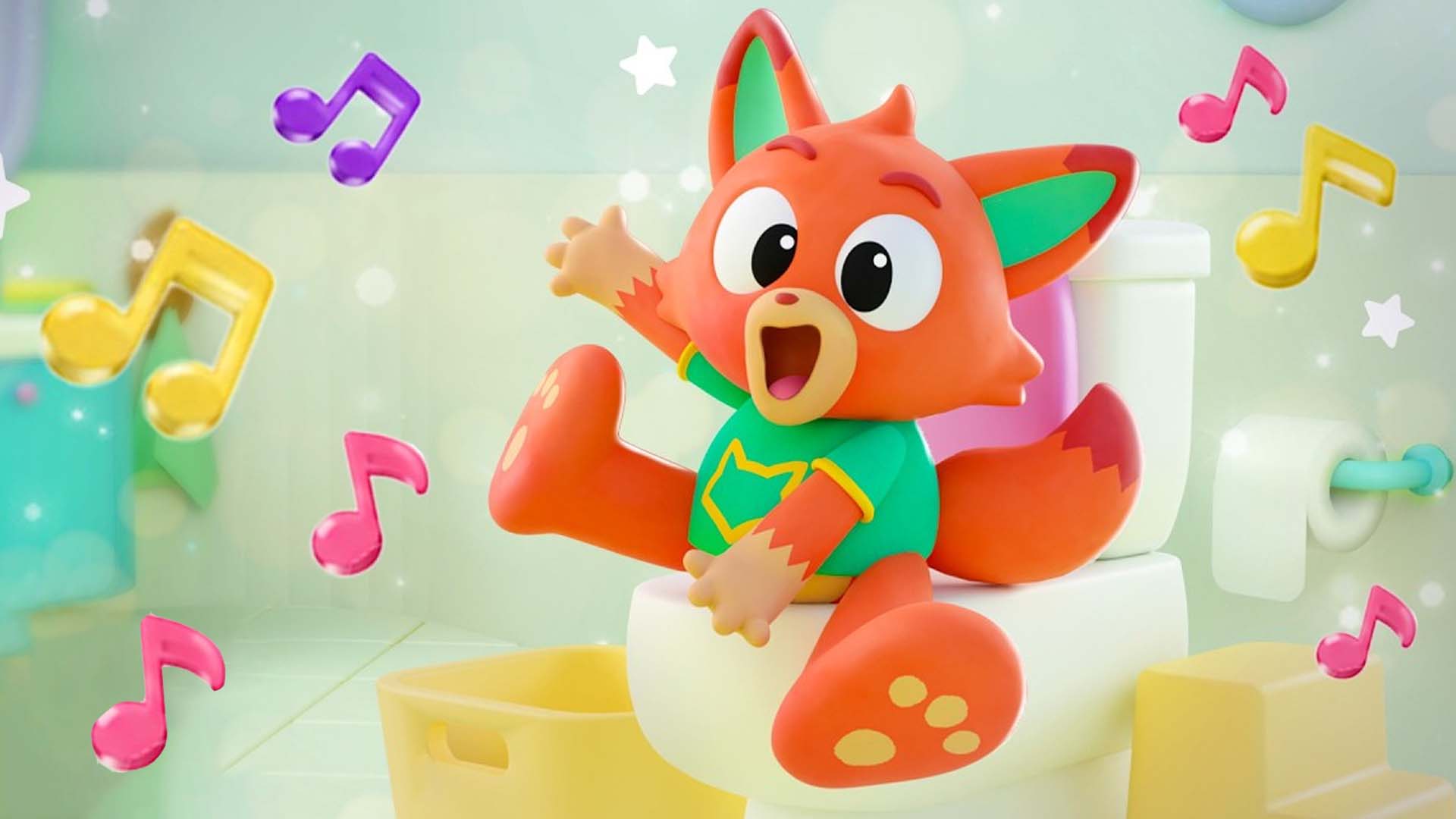
The Future of Storytelling: When AI Meets Disney and Asks, "Bluey Who?"
Imagine a world where your favorite animated characters are not just brought to life by human artists, but also shaped, or even created, by artificial intelligence. This isn't just a futuristic dream; it's a rapidly approaching reality. With an image showing "Foxy AI Disney" and the provocative question, "Bluey who?", we're prompted to think about a profound shift in entertainment. Is AI ready to challenge beloved, human-crafted stories like Disney's classics or the immensely popular Bluey? This blog post will dive deep into how AI is set to transform the animation world, especially for giants like Disney, and what it means for the stories we cherish.
The Growing Presence of AI in Creative Fields
Artificial Intelligence, or AI, is no longer just for complex calculations or managing data. It's making huge strides in creative areas that many thought were exclusively human. We've seen AI write poems, compose music, and even generate incredibly realistic images. Tools that use AI can learn from vast amounts of existing art and then create something new based on that learning. This ability to generate creative content has opened up new possibilities for many industries, including animation, where imagination and visual storytelling are key.
In animation, the process from idea to screen is long and complex. It involves countless hours of drawing, modeling, animating, and rendering. Each of these steps requires skilled artists and a significant amount of time and money. AI promises to streamline many of these tasks, making animation faster, more affordable, and potentially more accessible. From creating detailed background scenes to helping animators fine-tune character movements, AI is starting to become a powerful assistant in the digital artist's toolkit.
Disney and the AI Frontier: A Natural Evolution?
Disney has always been a pioneer in animation technology. From the multiplane camera that gave early films like Snow White its incredible depth, to the Computer Animation Production System (CAPS) that revolutionized ink and paint processes, Disney has consistently embraced new tools to enhance its storytelling. It's only logical that Artificial Intelligence would be the next big area for them to explore. A company built on innovation and magic would naturally look to AI to discover new ways to captivate audiences.
For Disney, AI could be used in many different ways. Imagine AI helping concept artists quickly sketch hundreds of ideas for new characters or worlds, vastly speeding up the early stages of development. AI could also assist animators by automating repetitive tasks, like drawing individual frames for a character's walk cycle, allowing human artists to focus on the more nuanced and emotionally expressive parts of animation. This could lead to a surge in creative output, allowing Disney to produce more content faster, without necessarily sacrificing the high quality they are known for.
Imagining "Foxy AI Disney": New Characters, New Worlds
The phrase "Foxy AI Disney" from the image's description hints at a fascinating prospect: what if AI could not just assist, but also *create* new characters and stories? We could see AI-driven systems designing entirely new animal characters with unique personalities and visual styles, perhaps even generating entire storylines based on popular themes or audience preferences. Think about AI designing a charming fox character, complete with a backstory and a visual style that perfectly fits the Disney aesthetic, all in a fraction of the time a human team would take.
This raises the exciting possibility of "AI-driven franchises." An AI could be trained on thousands of existing stories, character designs, and emotional arcs to generate concepts for entirely new shows or movies. It could identify gaps in the market, predict what children and families would love, and then bring those ideas to life. This doesn't mean human creativity would disappear; rather, it would evolve. Human storytellers and directors would then guide and refine these AI-generated concepts, ensuring they resonate with the heart and soul that makes Disney stories so special.
"Bluey Who?": The Challenge to Established Favorites
The cheeky question "Bluey who?" in our initial text is a powerful one. Bluey is a global phenomenon, celebrated for its authentic portrayal of family life, its clever humor, and its truly imaginative play. It’s a show beloved by both children and parents, praised for its human touch and relatable characters. So, what happens when AI-generated content enters this space? Could an AI create a show so compelling that it makes us momentarily forget about our current favorites?
The challenge for AI-generated shows isn't just about technical quality; it's about emotional connection. Shows like Bluey succeed because they tap into universal feelings and experiences. They are crafted by human writers who understand the nuances of family dynamics, childhood imagination, and the simple joys of life. While AI can learn patterns and generate dialogue, replicating the genuine warmth, wit, and emotional depth that defines a show like Bluey is a much harder task. The unique appeal of human-created stories often lies in their imperfections, their unexpected turns, and the personal experiences woven into their fabric.
The Advantages of AI in Animation Production
Despite the challenges, the practical advantages of using AI in animation are significant and hard to ignore. One of the most impactful benefits is cost reduction. Producing high-quality animation is incredibly expensive. AI can automate many of the labor-intensive processes, such as in-betweening (filling in frames between key drawings), coloring, and even basic character rigging. This could drastically lower production costs, making it possible to create more animated content within smaller budgets.
Another major advantage is faster production cycles. In a world where streaming services constantly demand new content, speed is crucial. AI tools can accelerate various stages of production, from initial concept art generation to final rendering. What once took months could potentially be done in weeks or even days, allowing studios to respond more quickly to trends and deliver fresh stories to audiences at a much faster pace. This could mean more shows, more movies, and a greater variety of content for viewers to enjoy.
Furthermore, AI could enable greater personalization of content. Imagine an AI learning what kinds of stories, characters, and visual styles a particular child enjoys, and then tailoring new short animations specifically for them. This level of personalized entertainment could create deeply engaging experiences that feel uniquely designed for each viewer. For smaller studios and independent creators, AI tools could also democratize animation, making it possible for individuals or small teams to produce professional-quality content without needing massive resources or a large staff.
Ethical Considerations and Creative Dilemmas
While the opportunities are exciting, the rise of AI in creative industries also brings important ethical questions and dilemmas. One of the most pressing concerns is job displacement. If AI can perform many tasks currently done by animators, artists, writers, and voice actors, what happens to those jobs? The animation industry, which employs thousands of talented individuals, could see significant shifts in its workforce structure.
Another critical issue revolves around originality and intellectual property. If an AI creates a new character or story, who owns the copyright? Is it the person who programmed the AI, the company that developed the AI, or is the AI itself considered a creator? These questions are still being debated in legal and creative circles. There's also the concern about potential bias in AI models. If an AI is trained on existing data that reflects societal biases, it might inadvertently perpetuate those biases in the new content it creates, leading to a lack of diversity or problematic stereotypes in stories.
Perhaps the most profound dilemma touches upon the "soul" of art and storytelling. Many believe that true art comes from human experience, emotion, and creativity. Can an AI truly replicate the passion, empathy, and unique perspectives that human artists pour into their work? There's a fear that AI-generated content, no matter how technically perfect, might lack the genuine heart and unexpected spark that makes human stories so compelling and enduring.
Maintaining Quality and Brand Identity
For a company like Disney, maintaining its high standards of quality and its distinct brand identity is paramount. Integrating AI would mean finding a careful balance between leveraging new technology and preserving the magic that audiences expect. Disney's reputation is built on generations of exceptional storytelling and animation. Any use of AI would have to align with these core values.
This suggests that human oversight will remain crucial. AI will likely serve as a powerful tool for artists, rather than a replacement. Human directors, writers, and animators would still be responsible for the creative vision, guiding the AI and ensuring that its output meets Disney's quality benchmarks. They would infuse the AI-generated elements with the emotional depth and narrative sophistication that defines Disney's storytelling. The challenge will be to harness AI's efficiency without letting it dilute the unique artistic voice and heartfelt narratives that have become synonymous with the Disney brand.
The Audience Perspective: Are We Ready for AI-Generated Stories?
Ultimately, the success of AI in entertainment will depend on how audiences react. Are parents comfortable with their children watching shows largely created by machines? Will children connect with characters designed by algorithms in the same way they connect with characters born from human imagination? There's a strong "trust factor" involved. Many viewers value the authenticity and human touch behind the content they consume, especially when it comes to entertainment for their families.
The debate over authenticity is complex. If an AI-generated story is genuinely engaging, emotionally resonant, and visually stunning, will its origin matter to the average viewer? Or will there always be a preference for content known to be entirely human-made? Public perception and acceptance will play a huge role in shaping the future of AI in children's entertainment. Transparent communication about how AI is used in production could be key to building trust with audiences.
The Future Landscape: Coexistence or Replacement?
As we look ahead, the question isn't necessarily whether AI will *replace* human animators, but rather how they will *coexist*. The most likely scenario is a hybrid model of production. AI will handle the repetitive, time-consuming tasks, freeing up human artists to focus on high-level creative decisions, character development, and injecting the unique personality and emotional resonance that only a human can provide.
This evolving role means that human animators and storytellers will need to adapt. Instead of just being skilled artists, they might also become skilled AI "trainers" or "prompt engineers," guiding the AI to produce the desired creative output. The future workforce in animation might see new roles emerge that blend artistic talent with technical AI expertise. This dynamic partnership could unlock unprecedented levels of creativity and efficiency, leading to a golden age of animation where imaginative stories are brought to life with incredible speed and detail.
Beyond Animation: AI's Broader Impact on Entertainment
The implications of AI extend far beyond just animation. In the broader entertainment landscape, AI is poised to revolutionize many aspects of how we experience stories. We could see deeply interactive storytelling experiences where AI dynamically adjusts the plot based on viewer choices, creating a unique narrative for each person. AI could personalize movie experiences, recommending films not just based on what you've watched, but subtly altering scenes or character interactions to better suit your preferences.
The development of advanced AI could also lead to highly realistic virtual actors or even the resurgence of beloved characters through digital means. Imagine classic Disney characters appearing in new adventures, voiced by AI that replicates their original actors' voices, or animated with AI tools that perfectly capture their timeless movements. While such advancements offer exciting possibilities, they also raise questions about authenticity, originality, and the legal and ethical boundaries of using AI to recreate or extend human performances.
The "Magic" Ingredient: What AI Can't (Yet) Replicate
Despite all the technological advancements and the impressive capabilities of AI, there remains a "magic" ingredient that AI currently struggles to replicate: true, spontaneous human creativity, deep empathy, and the lived experience. AI can learn patterns, analyze data, and generate new content based on what it's been shown. But can it feel joy, sorrow, love, or the sting of disappointment? Can it draw upon a lifetime of personal experiences to craft a nuanced story that truly resonates with the human spirit?
The unexpected spark, the sudden flash of genius that leads to a groundbreaking idea, the unique voice of a human storyteller who pours their soul into their work—these are elements that define the greatest works of art and entertainment. While AI can certainly mimic and assist, the profound ability to innovate in a way that transcends learned patterns, to feel and convey complex emotions, and to create something truly original from the depths of human experience, remains a distinct human domain. This unique contribution is what ensures human creators will always have a vital role in shaping the stories of tomorrow.
Conclusion: Navigating the New Era of Digital Storytelling
The question "Bluey who?" is more than just a playful challenge; it's a call to consider a future where the lines between human and artificial creativity blur. AI is undoubtedly set to be a transformative force in animation and entertainment, offering incredible tools for efficiency, speed, and even new forms of creative generation. For studios like Disney, this represents both an enormous opportunity to push the boundaries of storytelling and a significant responsibility to maintain their legacy of quality and heart.
As we move into this new era of digital storytelling, the conversation around AI in creative fields will continue to evolve. It won't be about whether AI *will* be used, but *how* it will be used. The key will be to harness the power of AI as a collaborator, an assistant, and an accelerator, always guided by human ingenuity, ethical considerations, and a deep understanding of what truly connects with audiences. The magic of storytelling has always been about captivating hearts and minds, and while AI can provide incredible tools, the ultimate spark of that magic will likely always reside within the human spirit.
What are your thoughts on AI in animation? Do you think AI will create the next big hit, or will human-made stories always hold a special place? Share your opinions in the comments below!
from Kotaku
-via DynaSage
