
Bethesda Isn’t Giving Up On Starfield As It Promises New Content In 2027: ‘Starfield Remains An Important Part Of Our Future’
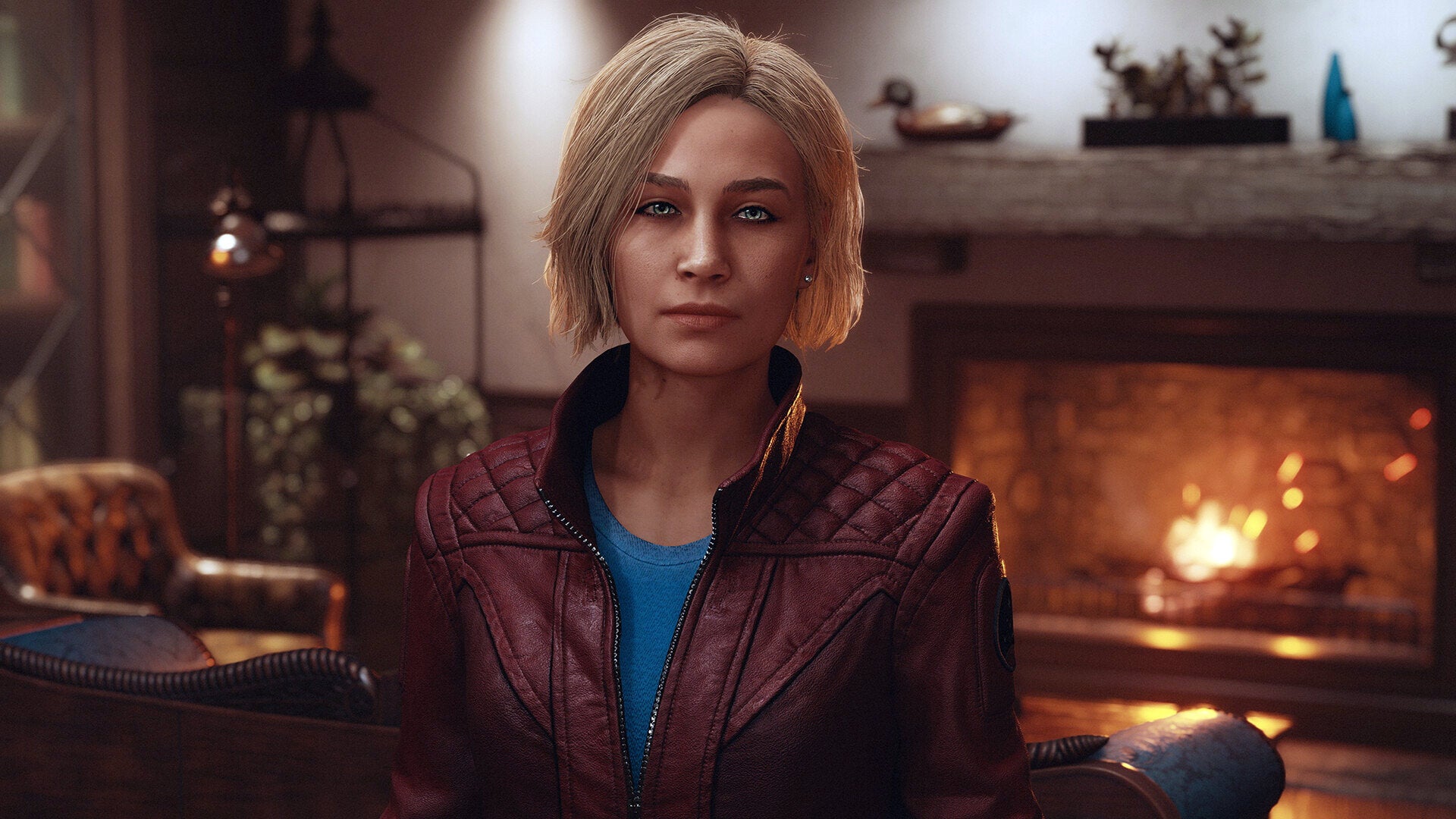
Starfield's Future: Bethesda Confirms Exciting New Updates and a Clear Roadmap Ahead
For fans of epic space exploration and deep role-playing games, the news from Bethesda is cause for excitement. The studio has officially confirmed that more Starfield updates are currently being developed, forming a key part of their extensive roadmap for the game's future. This announcement reassures players that their journey through the cosmos is far from over and that the universe of Starfield will continue to grow and improve.
Since its highly anticipated launch, Starfield has taken players on an unprecedented adventure across a vast galaxy. As a brand-new universe from the creators of The Elder Scrolls and Fallout, it promised limitless exploration and untold stories. Bethesda's commitment to ongoing support is a crucial message, signaling their dedication to refining the game and adding fresh experiences. This long-term vision is typical of Bethesda Game Studios, which has a strong history of nurturing its titles well beyond their initial release, evolving them into even more beloved and expansive worlds.
This roadmap isn't just about minor tweaks; it hints at significant enhancements, new features, and perhaps even substantial story content. It suggests that Bethesda is actively listening to player feedback and is prepared to invest considerable resources into making Starfield the ultimate space-faring RPG. For anyone who has spent hours customizing their spaceship, building outposts, or delving into the mysteries of the Settled Systems, the promise of more content is a compelling reason to keep their star map ready for new destinations.
The Journey So Far: Starfield's Launch and Player Feedback
When Starfield first launched, it arrived with monumental hype. Players had been eagerly awaiting a new, original universe from Bethesda for many years. The game promised an unparalleled scale, with over a thousand planets to discover, deep character customization, complex ship-building, and a compelling main storyline. Millions of players jumped into the cockpit, eager to forge their own path among the stars.
The initial reception was a mix of awe and constructive criticism. Many praised the game's ambition, its detailed lore, the incredible sense of discovery when landing on a new planet, and the freedom to play however they wished. The storytelling, particularly in the main quest, resonated with many, offering thought-provoking themes and memorable characters. The sheer amount of content available from day one was staggering, providing hundreds of hours of gameplay for those willing to dive deep into every nook and cranny of the galaxy.
However, like any massive RPG, Starfield also faced its share of critiques. Some players expressed concerns about performance issues, especially on certain platforms, while others desired more streamlined user interfaces or better planetary maps. A common piece of feedback revolved around the vastness of space sometimes feeling a little empty, with calls for more diverse points of interest on planets and additional ways to interact with the environment. Certain mechanics, such as inventory management or fast travel sequences, were also highlighted as areas that could benefit from refinement.
Bethesda has always valued its community, and player feedback is an invaluable resource for them. For a game of Starfield's scope and ambition, ongoing communication between developers and players is crucial. The feedback gathered during the launch period and the months that followed directly informs the development of future updates. It's a cyclical process where player experiences guide the evolution of the game, ensuring that the development team addresses the most pressing concerns and fulfills the community's desires for new content and improved gameplay.
Understanding Bethesda's Vision: What a "Roadmap" Means for Starfield
When a game studio like Bethesda announces a "roadmap," it's more than just a vague promise; it's a strategic plan outlining their intentions for the future development of a game. In simple terms, a roadmap provides players with a glimpse into what's coming next, often detailing timelines for major updates, new features, and expansions. For a colossal game like Starfield, a roadmap is essential for managing player expectations and building sustained excitement.
Bethesda Game Studios has a long-standing tradition of supporting their titles for many years post-launch. Look no further than games like The Elder Scrolls V: Skyrim or Fallout 4, which received numerous updates, official expansions (DLCs), and a thriving modding community that continues to flourish even a decade later. This history gives players confidence that Starfield will not be abandoned but will instead grow and mature over time, becoming an even richer and more polished experience.
A roadmap for Starfield typically distinguishes between different types of updates. There will be regular patches focusing on bug fixes, performance improvements, and quality-of-life adjustments. These are vital for ensuring a smooth and stable gameplay experience. Then there are larger content updates, which might introduce new quests, gear, companions, or gameplay systems. Finally, there are significant expansions, often paid DLCs, which add entirely new story arcs, factions, worlds, and mechanics that fundamentally deepen the game.
The very existence of a clear roadmap suggests that Bethesda has a robust long-term vision for Starfield. They aren't just reacting to immediate feedback; they are proactively planning how to expand its universe, address its challenges, and unlock its full potential over several years. This commitment is particularly important for an RPG where players invest hundreds of hours, as it ensures their investment will continue to yield new adventures and improved gameplay.
What Kind of Updates Can We Expect for Starfield?
With Bethesda confirming more Starfield updates are in the works, players can look forward to a range of improvements and new content. Drawing from Bethesda's past development cycles and common requests from the community, we can anticipate several key areas of focus.
Improving the Core Experience: Quality-of-Life and Bug Fixes
One of the most immediate and impactful types of updates will focus on refining the core gameplay experience. This includes essential bug fixes that address glitches, crashes, or unintended behaviors that players may have encountered. Performance improvements will also likely be a priority, ensuring that the game runs smoother on a wider range of hardware and offers a more consistent frame rate, especially in densely populated areas or during intense combat sequences.
Quality-of-life (QoL) enhancements are another crucial aspect. These are small but significant changes that make the game more enjoyable and user-friendly. Examples could include improvements to the inventory system, making it easier to sort, categorize, and manage items. Better in-game maps, especially for cities and planets, could reduce confusion and streamline navigation. Faster or more seamless transitions between areas, less loading screen time, and more intuitive user interfaces (UI) for crafting, outposts, or ship management are all strong candidates for QoL updates that would greatly enhance the daily gameplay loop for explorers.
These iterative improvements are fundamental to any modern, large-scale RPG. They show that the developers are actively listening to player pain points and are committed to polishing the game into its best possible form. A more stable and enjoyable base game ensures that future content additions will be built upon a solid foundation.
Adding New Layers: Gameplay Mechanics and Features
Beyond fixes and QoL, upcoming updates are likely to introduce entirely new gameplay mechanics or expand existing ones. Players have often voiced desires for deeper customization and interaction. For instance, we might see more robust ship customization options, allowing for even greater creative freedom in designing unique vessels, perhaps with new module types or unique cosmetic features. Outpost building, a core feature, could receive significant enhancements, introducing new structures, production chains, or defensive capabilities to make planetary bases more engaging and functional.
Interaction with companions could also be expanded. More dialogue options, unique companion quests, or even the ability to recruit a wider variety of NPCs could enrich the personal stories within the vast galaxy. Similarly, new faction storylines or side quests could be introduced, offering fresh narratives and opportunities for players to influence the political landscape of the Settled Systems. Imagine new bounty systems, space combat challenges, or unique mini-games to provide additional ways to earn credits and engage with the world.
Looking further ahead, Bethesda's Creation Kit, a powerful modding tool, is expected to be released. This will empower the community to create and share their own content, from simple aesthetic changes to entirely new quests and mechanics. While not an "update" from Bethesda directly, official mod support is a critical part of the studio's long-term strategy, adding an almost infinite lifespan to their games by enabling community-driven innovation.
Expanding the Universe: New Content and Stories
Perhaps the most exciting aspect of new updates is the promise of fresh content that expands the game's universe. This could come in the form of free content drops, such as new weapons, armor sets, or unique ship parts that add more variety to character and ship builds. New points of interest, including uncharted planets with unique biomes, mysterious space anomalies, or derelict ships with their own hidden stories, would provide more reasons to explore.
Bethesda excels at world-building, and we can anticipate updates that deepen the lore and offer new narrative threads. This might include new mission boards with unique contracts, challenges, or even timed events that encourage players to participate in galactic happenings. The introduction of new enemies, creatures, or even friendly alien species could also inject fresh combat and interaction scenarios into the game.
Ultimately, these content additions aim to make the Starfield universe feel more alive, dynamic, and full of endless possibilities. Each new questline, location, or piece of gear contributes to the overall richness of the experience, giving players more reasons to return to the stars and carve out new adventures.
Looking Ahead: The "Shattered Space" Expansion and Beyond
While the regular updates will continuously refine and enrich the base game, the most significant new content will arrive in the form of major expansions. Bethesda has already confirmed the first story expansion for Starfield, titled "Shattered Space." This is where the game's narrative and world will truly take a dramatic leap forward.
Past Bethesda expansions, such as The Shivering Isles for Oblivion or Far Harbor for Fallout 4, are renowned for their ability to introduce entirely new lands, characters, creatures, and compelling storylines that often rival the main game in quality and depth. "Shattered Space" is expected to follow this tradition, transporting players to a brand-new region of the galaxy, likely with its own unique atmosphere, factions, and mysteries to uncover. Speculation suggests it could delve deeper into the origins of the artifacts, introduce a new cosmic threat, or explore previously unseen corners of humanity's expansion into the stars.
Major expansions like "Shattered Space" do more than just add hours of gameplay; they fundamentally alter and enrich the entire base game experience. They can introduce new gameplay mechanics, provide high-level gear, and offer challenging new adversaries. More importantly, they expand the lore in meaningful ways, deepening our understanding of the Starfield universe and its inhabitants. For many players, these expansions are where a Bethesda RPG truly comes into its own, offering fresh perspectives and revitalizing the sense of discovery.
Beyond "Shattered Space," it's highly probable that Bethesda has plans for further expansions. Their track record with previous titles suggests that a successful IP like Starfield could see multiple large-scale DLCs over several years. This long-term vision positions Starfield not just as a single game, but as a living, evolving universe that players can return to repeatedly, always finding something new to explore and conquer.
For more details on the upcoming expansions and news directly from the developers, keep an eye on the official Starfield website and the Bethesda.net news section.
Why Ongoing Support is Crucial for a Game Like Starfield
In today's gaming landscape, ongoing support is not just a bonus; it's a necessity, especially for massive open-world role-playing games like Starfield. The sheer size and complexity of these titles mean that perfection at launch is an almost impossible standard to meet. Developers continually discover and fix issues, refine mechanics, and add new content based on real-world player interactions.
Long-term support is vital for several reasons. Firstly, it enhances player retention. When players know a game is continually improving and receiving new content, they are more likely to stick around, reinvest time, and recommend it to others. This builds a loyal community that acts as advocates for the game.
Secondly, it allows the game to grow into its full potential. Many iconic RPGs, from The Witcher 3 to No Man's Sky, truly blossomed years after their initial release thanks to consistent updates and expansions. These titles evolved based on player feedback, addressing shortcomings and amplifying their strengths, ultimately achieving a status far beyond their launch state. Starfield, with its expansive universe, is perfectly poised for similar growth, allowing its exploration mechanics, character interactions, and overarching narrative to deepen and mature.
Thirdly, it helps in building a legacy. Bethesda's games are known for their incredible longevity. Players revisit Skyrim and Fallout 4 years later, discovering new aspects or simply enjoying the familiar worlds. Ongoing support for Starfield ensures it will have a similar enduring appeal, solidifying its place as a classic space RPG that continues to offer fresh experiences for years to come. It’s an investment in the game’s future and its status within the gaming pantheon.
Moreover, active development post-launch is a testament to the developers' passion and commitment to their creation. It shows that they believe in the universe they've built and are dedicated to seeing it thrive. This dedication resonates deeply with players who have invested their time and money into the game, fostering a stronger connection between the community and the creators.
Engaging with the Community: Bethesda's Listening Ear
A crucial part of any successful long-term development strategy, especially for an RPG of Starfield's magnitude, is active engagement with its player community. Bethesda understands that its players are not just consumers but active participants in the game's ongoing evolution. This is why the studio places significant emphasis on listening to feedback, gathering insights, and communicating their plans effectively.
Bethesda leverages various platforms to stay connected with its player base. Official forums provide a dedicated space for players to discuss the game, report bugs, and suggest features. Social media channels offer real-time updates and opportunities for quick interactions. Developer blogs and official announcements on platforms like Bethesda.net often detail upcoming changes, explain design philosophies, and offer behind-the-scenes glimpses into the development process. These touchpoints are essential for transparency and building trust with the community.
Community managers play a vital role in this interaction, acting as a bridge between the players and the development team. They collect vast amounts of feedback, categorize it, and relay it to the designers and programmers. It’s not uncommon for player suggestions, especially those that are widely echoed, to directly influence the priority of bug fixes or the implementation of new features. For instance, if a large segment of the player base consistently requests a specific quality-of-life improvement, such as better ship cargo management or a more detailed planet map, these requests are carefully considered and often integrated into future updates.
This collaborative approach ensures that the game evolves in a way that genuinely resonates with its audience. It allows Bethesda to identify areas that need the most attention, whether it's optimizing performance on certain hardware configurations, refining a particular gameplay mechanic, or expanding a beloved storyline. By actively involving the community, Bethesda ensures that Starfield grows not just according to the developers' vision, but also in harmony with the desires and experiences of the players who inhabit its vast universe. This mutual respect and open dialogue are key to fostering a healthy and thriving game ecosystem.
The Future is Bright: Our Hopes and Excitement for Starfield
The confirmation of more Starfield updates and a clear roadmap for the future paints an exciting picture for players worldwide. Bethesda's commitment to continuously improving and expanding their ambitious space RPG means that the best is yet to come. This is excellent news for both dedicated explorers who have already logged hundreds of hours and newcomers who are considering embarking on their first interstellar journey.
We can look forward to a more polished, feature-rich, and expansive game. Performance enhancements will make the vast galaxy smoother to navigate, while quality-of-life improvements will streamline daily activities, allowing players to focus more on adventure and less on tedious management. New gameplay mechanics, enhanced outpost building, and deeper interactions will add layers of complexity and enjoyment, providing fresh ways to engage with the universe.
Perhaps most thrilling are the promises of new stories and destinations. The "Shattered Space" expansion is poised to introduce a significant new chapter, offering fresh narratives, unique environments, and potentially new challenges that will further enrich the lore of the Settled Systems. Beyond that, the potential for future expansions and community-driven modding ensures that Starfield will remain a vibrant and evolving experience for many years.
For those who may have taken a break from their cosmic travels, now is the perfect time to keep an eye on official announcements and prepare to dive back in. The universe of Starfield is set to become even more compelling, offering endless possibilities for exploration, discovery, and personal storytelling. Bethesda is laying the groundwork for Starfield to truly become a landmark title in the genre, a space exploration game that continuously rewards its players with new adventures and an ever-deepening world.
The journey through the stars is only just beginning. Prepare your ship, gather your crew, and get ready for the exciting future that awaits in Starfield. The galaxy is vast, and with Bethesda's ongoing dedication, it's only going to get better.
from Kotaku
-via DynaSage
