
Bethesda Addresses Concerns That The Elder Scrolls 6 Will Be Impacted By Xbox Layoffs And Claims ‘The Roadmap Is Unaffected’
The world of gaming is often a whirlwind of announcements, expectations, and behind-the-scenes machinations. For fans of vast, immersive role-playing experiences, few titles generate as much fervent anticipation as The Elder Scrolls 6. Ever since its brief reveal, the wait has felt endless, punctuated by whispers, speculation, and the occasional official update. Recently, Bethesda, the legendary studio behind the series, found itself in a complex situation, navigating both new projects and significant internal shifts. Yet, despite announcing new ventures within the beloved Fallout universe and undertaking substantial staff reductions, the company maintains an unwavering stance: the internal roadmap for The Elder Scrolls 6 remains firmly in place. This steadfast confidence, amidst such dynamic circumstances, prompts a closer look at Bethesda's strategy, its commitment to its flagship fantasy epic, and what it truly means for the future of Tamriel.
The Unwavering Path to Tamriel: Why Bethesda Stays Confident in Elder Scrolls 6's Roadmap Amidst Fallout Expansions and Staff Changes
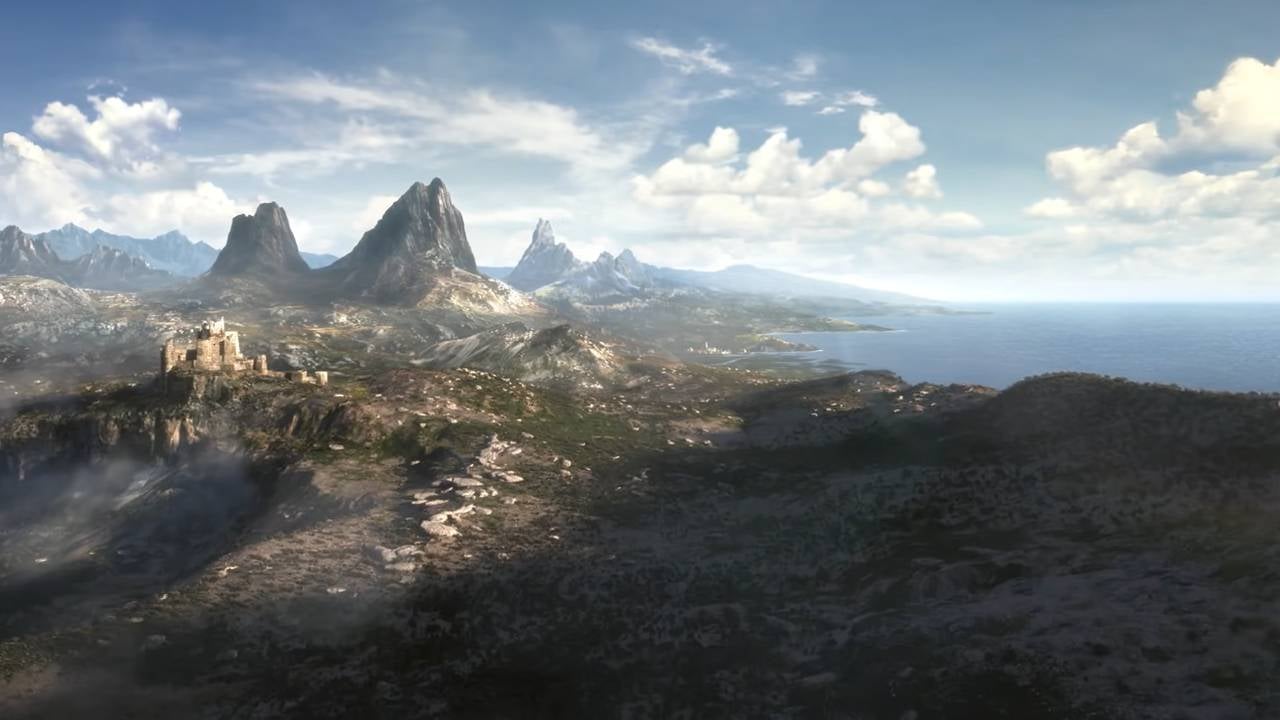
The initial reveal of The Elder Scrolls 6 at E3 2018 was little more than a title card and a sweeping shot of a landscape, yet it sent shockwaves through the gaming community. This brief teaser was enough to ignite the hopes and dreams of millions who have spent countless hours exploring the vast provinces of Tamriel, from the snowy peaks of Skyrim to the arid deserts of Hammerfell. Fans instantly began speculating about the game's setting, its new features, and the innovations it would bring to the beloved fantasy RPG genre. The excitement was palpable, but so too was the understanding that a game of this magnitude, following in the colossal footsteps of Skyrim, would require an immense amount of time and dedication.
Since that momentous announcement, information has been scarce, a deliberate strategy by Bethesda Game Studios to avoid over-hyping a product too early in its development. This approach, while frustrating for eager fans, aims to manage expectations and ensure that updates are shared only when they are substantial and meaningful. Bethesda's focus since 2018 has largely been on other major projects, most notably Starfield, its ambitious new IP, which was released to considerable fanfare. The development of a brand-new universe from the ground up consumed a significant portion of the studio's resources and talent, naturally pushing The Elder Scrolls 6 further down the production pipeline. This staggered approach is typical for Bethesda, which prefers to dedicate its primary team to one monumental project at a time, ensuring it receives the full, undivided attention it needs to become a truly groundbreaking experience.
A Glimpse into the Future: What We Know (and Don't Know) About The Elder Scrolls 6
What we do know about The Elder Scrolls 6 is tantalizingly little, but enough to fuel years of speculation. We know it’s coming, eventually. We know it will run on a new iteration of Bethesda's Creation Engine, called Creation Engine 2, which powered Starfield and promises significant advancements in graphics, world detail, and overall game mechanics. This engine upgrade is crucial for a series renowned for its expansive, interactive worlds. Todd Howard, the director and executive producer at Bethesda Game Studios, has hinted that the game will be designed to be played for a decade, much like Skyrim, implying a commitment to longevity and replayability that goes beyond a typical single-player RPG. This long-term vision suggests a game that is not only vast in scope but also rich in content, with systems designed to keep players engaged for many years.
The setting remains perhaps the biggest mystery, with fans dissecting every pixel of the teaser trailer and every stray comment from developers. Will we return to a familiar province, or explore an entirely new region of Tamriel? Popular theories range from High Rock and Hammerfell, based on the coastal and mountainous terrain seen in the teaser, to the less explored lands of Valenwood or Elsweyr. Each potential location brings with it a unique culture, lore, and aesthetic, offering endless possibilities for narrative and gameplay. The choice of setting will fundamentally shape the game's identity, influencing everything from the available factions and creatures to the architectural styles and environmental storytelling. This secrecy surrounding the setting is a key part of the excitement, allowing the community to dream and debate, building anticipation organically.
Beyond the setting, players are undoubtedly eager for improvements to core gameplay systems. While Bethesda RPGs are celebrated for their open-world freedom and narrative choices, common criticisms often revolve around combat mechanics, animation quality, and the stability of the game engine. With the shift to Creation Engine 2 and the experience gained from Starfield, fans are hopeful that The Elder Scrolls 6 will address these areas, delivering a more polished and fluid experience without sacrificing the studio's signature sandbox design. The development team has the immense task of innovating while preserving the essence of what makes an Elder Scrolls game so special. This balance between tradition and innovation is a tightrope walk, but one that Bethesda has successfully navigated many times before.
Bethesda's Dynamic Landscape: Balancing New Fallout Horizons and Internal Restructuring
The initial statement that Bethesda remains confident in The Elder Scrolls 6's roadmap, even after announcing "four new Fallout games" and "firing hundreds of staff," paints a picture of a studio navigating significant internal and external pressures. It's crucial to understand the context of these developments to appreciate Bethesda's seemingly unwavering commitment to its flagship fantasy epic.
The Expanding Fallout Universe
When we hear about "four new Fallout games," it's important to clarify that these are unlikely to be four new, massive, single-player AAA RPGs that would directly compete with the resources and development timeline of The Elder Scrolls 6. Bethesda's strategy often involves expanding its major IPs through various avenues, utilizing different teams or collaborating with external studios for certain projects. These "new Fallout games" could encompass a range of initiatives:
- Ongoing Development and Expansions for Fallout 76: Bethesda Game Studios has a dedicated team continually supporting and expanding its online multiplayer RPG, Fallout 76. This includes regular content updates, new regions, quests, and quality-of-life improvements. These are not "new games" in the traditional sense but rather significant, ongoing development efforts that keep the live-service title fresh and engaging for its player base. Each major update can feel like a substantial addition, akin to a mini-game itself.
- Mobile Titles and Spin-offs: The success of Fallout Shelter, a free-to-play mobile game, demonstrated the franchise's potential beyond traditional console and PC RPGs. It's entirely plausible that some of these "new Fallout games" are smaller, mobile-focused spin-offs or titles developed by external partners under Bethesda's guidance. These projects typically have much shorter development cycles and require significantly fewer resources than a flagship AAA title.
- Updates for Existing Titles: With the immense popularity of the Fallout TV series, there was a surge of interest in older titles. This led to significant updates for games like Fallout 4, including next-gen console enhancements, bug fixes, and potentially new Creation Club content. While not "new games," these are substantial efforts to modernize and improve existing experiences for a new generation of players, often handled by smaller, specialized teams.
- Tie-ins and Experiential Content related to the Fallout TV Show: The success of the live-action Fallout series on Amazon Prime Video brought the franchise to a massive new audience. Bethesda would naturally want to capitalize on this by developing related content. This could range from small interactive experiences to new game modes or even virtual reality projects that tie into the show's narrative. These types of projects are often developed concurrently but independently from the core teams working on major releases like The Elder Scrolls 6.
The key takeaway is that these Fallout projects are likely managed by separate teams or are smaller in scope, meaning they don't necessarily divert critical personnel or resources away from the core development of The Elder Scrolls 6. Bethesda is a large publisher with multiple internal studios and external partnerships, allowing them to juggle various projects simultaneously without compromising their long-term vision for flagship titles.
Navigating Internal Changes: A Strategic Reorientation
The news of "firing hundreds of staff" is, on the surface, concerning for any company, especially one known for its creative output. However, in the fast-evolving landscape of the gaming industry, such workforce adjustments, while difficult for those affected, can sometimes be part of a larger strategic reorientation. This often occurs for several reasons:
- Post-Acquisition Restructuring: Bethesda, along with its parent company ZeniMax Media, was acquired by Microsoft in 2021. Large corporate acquisitions often lead to a period of restructuring, where roles are consolidated, duplicated positions are eliminated, or teams are reorganized to align with the new parent company's operational model and strategic priorities. This is a common occurrence in the tech and entertainment industries.
- Shifting Development Priorities: As game development cycles conclude (e.g., after the launch of Starfield) or new ones begin, the specific skill sets required can change. A studio might reduce staff in certain areas while simultaneously hiring in others, or reallocate existing talent to new projects. This is less about overall reduction and more about optimizing the workforce for upcoming development phases. For instance, a game moving from pre-production to full production might need fewer concept artists but more 3D modelers or coders.
- Market Forces and Efficiency Drives: The gaming industry, like any other, is subject to economic pressures. Companies sometimes streamline operations to improve efficiency, reduce overheads, and ensure long-term sustainability. These decisions are often made at a high corporate level and are not necessarily indicative of problems with specific game projects, but rather broader business adjustments.
When Bethesda expresses confidence in The Elder Scrolls 6's roadmap despite these layoffs, it suggests that the core teams dedicated to this monumental project remain intact and fully operational. It implies that these workforce adjustments were strategic, aimed at optimizing the overall company structure without disrupting the critical path of their most anticipated title. Major, multi-year projects like The Elder Scrolls 6 typically have protected teams whose work is deemed essential and insulated from broader corporate reorganizations.
The Bethesda Philosophy: Cultivating Epic Worlds with Patience
Bethesda Game Studios has long been known for its ambitious projects, each requiring an extensive development cycle. This isn't just about creating a vast open world; it involves intricate lore, complex character interactions, robust questlines, and often, pioneering new technological advancements. The sheer scale of titles like Skyrim and Fallout 4 meant years of dedicated work, often spanning half a decade or more from initial concept to final release. This commitment to scope and depth inherently dictates a more protracted development timeline compared to many other genres. They adhere to a philosophy of "it's ready when it's ready," prioritizing quality and completeness over rushed releases.
The development of Starfield is a perfect recent example. Announced in 2018, the game was in development for many years before its eventual launch in 2023. This long gestation period allowed the team to build an entirely new universe, refine its underlying technology with Creation Engine 2, and craft the sprawling narrative and gameplay systems that define the experience. This dedication to crafting fully realized worlds is a hallmark of Bethesda's approach, and it’s why fans are willing to wait. They understand that creating an experience as rich and immersive as an Elder Scrolls game cannot be rushed. The studio invests heavily in foundational technology, world-building, and iterative design, processes that are inherently time-consuming but ultimately contribute to a more polished and enduring product.
This patient approach also stems from the understanding that an Elder Scrolls game is not just another title; it's a cultural phenomenon. Each installment needs to push boundaries, offer hundreds of hours of content, and provide a world that players want to inhabit for years. Rushing such a project could lead to compromises in quality, bugs, or a lack of innovation that would disappoint the dedicated fanbase. Bethesda’s confidence in their Elder Scrolls 6 roadmap suggests they have learned from past experiences and have a clear, well-defined plan for bringing the next chapter of Tamriel to life, regardless of external noise.
Deciphering Bethesda's Confidence: What Keeps ES6 on Track?
Given the complexities, why does Bethesda remain so confident that the roadmap for The Elder Scrolls 6 has not shifted? Several factors likely contribute to this steadfast assurance:
- Dedicated Core Teams: While layoffs may affect various parts of the company, it's highly probable that the core development team assigned to The Elder Scrolls 6 has remained largely unaffected. Major projects of this scale typically have protected teams of veteran developers, designers, and artists whose expertise is irreplaceable and whose continuity is vital for maintaining the project's momentum and vision. These teams would have been established long before the broader company restructuring.
- Completion of Major Engine Work with Starfield: A significant portion of The Elder Scrolls 6's underlying technology, Creation Engine 2, saw its first full implementation with Starfield. This means that a lot of the heavy lifting in terms of engine development, core systems, and fundamental tools has already been done and thoroughly tested. This frees up the Elder Scrolls 6 team to focus on content creation, world design, and specific gameplay innovations rather than rebuilding an engine from scratch. This shared technological foundation significantly de-risks and streamlines the early phases of development.
- Advanced Pre-Production and Planning: It's plausible that The Elder Scrolls 6 has been in some form of pre-production for many years, even during Starfield's peak development. This would involve conceptualizing the world, defining core mechanics, writing lore, and planning out the overall scope. This foundational work can progress with a smaller team before full production kicks in. A well-defined pre-production phase means the roadmap is already robust and less susceptible to minor external disruptions.
- Strategic Project Management: Bethesda is adept at managing multiple IPs across different stages of development. Their leadership likely has a long-term strategic plan that allocates resources and timelines carefully. The various Fallout projects, while important, are likely managed as separate streams, utilizing different talents or external resources, thereby not impacting the primary trajectory of The Elder Scrolls 6. This compartmentalization is key to their ability to maintain confidence.
- Microsoft's Support and Resources: As part of Xbox Game Studios under Microsoft, Bethesda now has access to significantly more resources, technology, and stability. This backing can provide a buffer against market fluctuations and allow for long-term planning without the immediate pressures that independent studios might face. Microsoft's investment in Bethesda means they want their tentpole franchises to succeed, and they are likely providing the necessary support to keep projects like The Elder Scrolls 6 on track. This includes access to cutting-edge development tools, cloud infrastructure, and potentially additional staffing when needed, further solidifying the internal roadmap. For more on Bethesda's place within Microsoft, you can visit Xbox Wire's Bethesda News.
The Weight of Expectation: A Legacy to Uphold
The anticipation for The Elder Scrolls 6 isn't just about a new game; it's about the continuation of a legendary saga. Skyrim, released over a decade ago, remains a benchmark for open-world RPGs and continues to captivate players. This immense legacy places enormous pressure on Bethesda to deliver a successor that not only lives up to expectations but also innovates in meaningful ways. The next installment must blend the familiar magic of Tamriel with fresh gameplay mechanics, compelling narratives, and stunning visual fidelity. The long wait has only amplified these expectations, making it crucial for Bethesda to ensure every aspect of the game is meticulously crafted.
Fans expect a world that feels alive, where every cave holds a secret, every NPC has a story, and every choice carries weight. They anticipate deep character customization, engaging quest lines that allow for multiple approaches, and a robust modding community that will extend the game's life for years to come. Meeting these diverse and high expectations requires not only creative vision but also the time and resources to execute that vision flawlessly. Bethesda's confidence in its roadmap signals an internal belief that they are indeed on the path to delivering an experience worthy of the Elder Scrolls name, an experience that will redefine what players expect from a fantasy RPG once again.
Looking Ahead: The Road to Tamriel
The journey to The Elder Scrolls 6 has been long and will continue to be so, but Bethesda's consistent message of an unchanged roadmap, even amidst external pressures like new Fallout game announcements and internal workforce adjustments, should be reassuring to fans. It speaks volumes about the studio's commitment to its most revered franchise and its strategic approach to game development. The company is clearly operating with a long-term vision, carefully allocating its resources and talent to ensure that each major project receives the attention it deserves. While the waiting game can be challenging, the history of Bethesda suggests that patience is often rewarded with truly unforgettable gaming experiences.
For now, fans must continue to watch, wait, and perhaps revisit the sprawling landscapes of past Elder Scrolls titles. The confidence expressed by Bethesda indicates that the vision for the next chapter in Tamriel is clear, and its development is progressing according to a well-established plan. When The Elder Scrolls 6 finally arrives, it will undoubtedly mark a monumental moment in gaming, offering a new world to explore, new stories to uncover, and countless hours of adventure. The belief that its trajectory remains unshifted, despite the dynamic environment, is a testament to the focused dedication behind one of the most anticipated games of the decade.
Conclusion: A Patient Wait for an Epic Journey
In a rapidly changing industry, where development cycles are often scrutinized and studio news can be a rollercoaster of highs and lows, Bethesda's steadfast confidence in the trajectory of The Elder Scrolls 6 offers a beacon of stability. The interplay between expanding the beloved Fallout universe and making strategic internal adjustments, while significant, appears to be managed in a way that safeguards the development of their next monumental RPG. These concurrent efforts highlight Bethesda's capability to juggle diverse projects without compromising on its long-term vision for its flagship titles.
The meticulous approach to game development, the leveraging of a refined engine from Starfield, and the unwavering commitment to quality are all factors that underpin this confidence. For the millions of fans eagerly awaiting their next journey into Tamriel, this means that while the wait may feel interminable, it is a wait for a game that Bethesda intends to be nothing short of epic. The roadmap for The Elder Scrolls 6, as Bethesda assures us, remains intact, promising a future where new legends will be forged, and the rich tapestry of the Elder Scrolls universe will expand once more. Until then, the anticipation itself becomes part of the adventure, a shared journey towards a realm of fantasy and limitless possibilities.
from Kotaku
-via DynaSage
