
Apple's First Water-Resistant iPad to Launch Later This Year
The Next Apple iPad mini: A Deep Dive into Its Revolutionary Water-Resistant Design and Other Major Upgrades
Get ready for a significant leap in tablet technology! Apple's upcoming iPad mini is set to make waves, quite literally, as it's expected to be the very first iPad to feature a water-resistant design. This long-anticipated enhancement, along with a host of other premium upgrades, positions the smallest iPad for a major refresh, with its arrival expected by October.
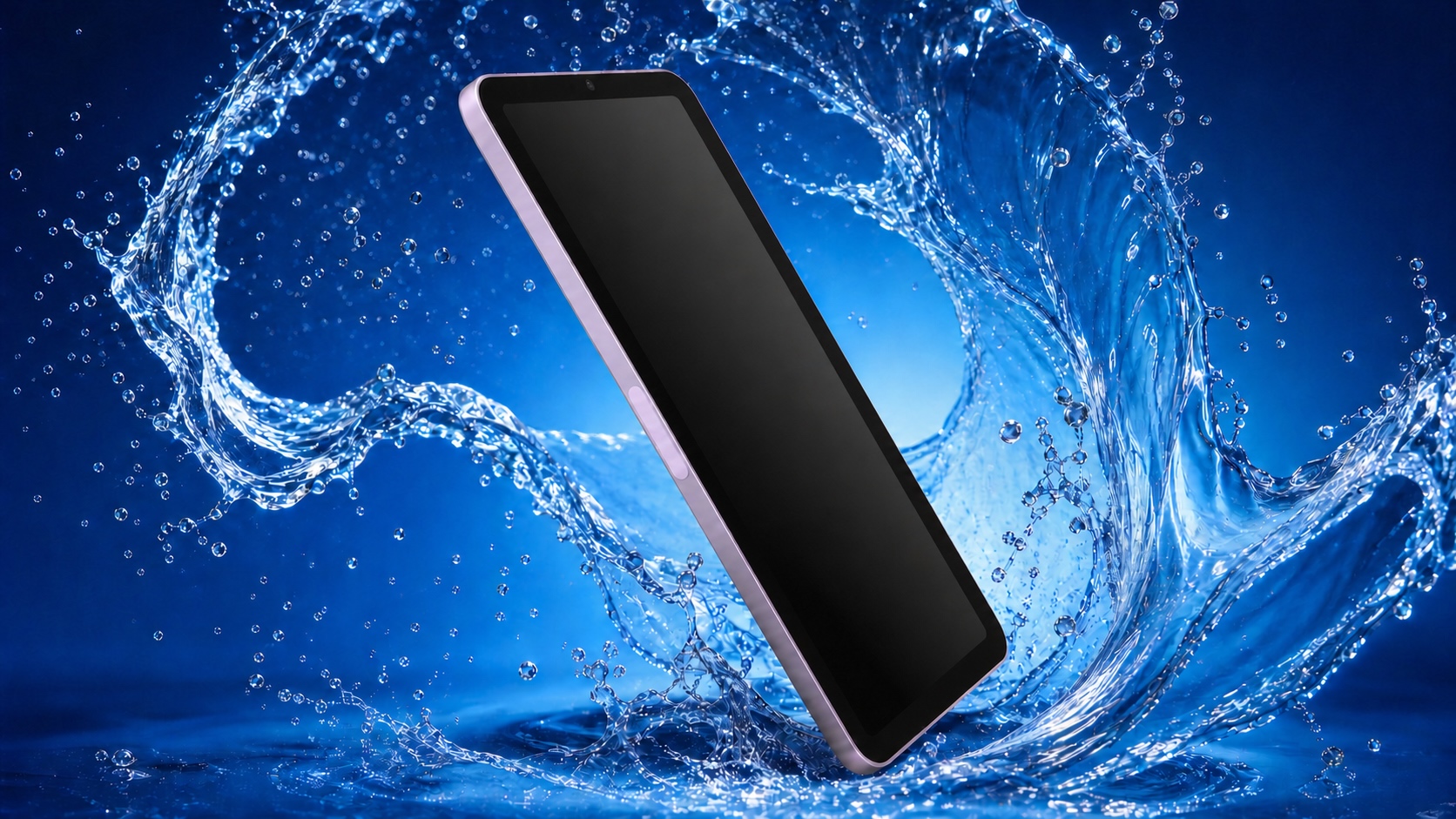
A New Era of Durability: Water Resistance Comes to iPad
For years, iPhone users have enjoyed the peace of mind that comes with a water-resistant device, capable of shrugging off splashes and even brief submersions. Now, it appears the iPad mini is poised to bring a similar level of protection to Apple's tablet lineup. This isn't just about surviving an accidental spill; it's about expanding the usability of your device into environments where tablets previously feared to tread. Imagine effortlessly using your tablet while cooking, knowing that splashes from the sink won't pose a threat, or enjoying your favorite digital content by the pool without the constant anxiety of a tragic drop into the water.
According to Mark Gurman of Bloomberg, a highly respected source for Apple news, the company has been diligently working on an updated casing for the iPad mini. His report last year hinted at a design that offers protection comparable to the iPhone. This means the next iPad mini could be safely used in typically wet environments like a bathroom, near a kitchen sink, or even by the pool. This level of protection has been a highly requested feature from iPad users for a long time, addressing a common pain point and significantly enhancing the device's versatility.
It's important to note that currently, no existing iPad model carries an official water resistance rating. Apple explicitly states that its current tablets are not designed to get wet, and any liquid damage typically voids the warranty. This has meant users often had to purchase bulky, specialized cases for water protection or simply avoid using their iPads in certain situations. The introduction of water resistance in the iPad mini marks a significant shift in Apple's approach to tablet durability, bringing it in line with the ruggedness expected of modern smartphones and making the iPad mini a true companion for every aspect of your life, indoors and out.
The Innovation Behind the Seal: A Unique Speaker System
Achieving robust water resistance in an electronic device, especially one with openings for components like speakers, is a complex engineering challenge. Apple is reportedly tackling this in an innovative way that differs from its iPhone strategy, showcasing a novel approach to design and functionality. The new iPad mini is said to feature a vibration-based speaker system. This groundbreaking design eliminates the need for traditional speaker holes, which are typically major entry points for water, dust, and other particles that can compromise a device's internal components.
Instead of sound emitting from conventional grilles or tiny perforations, it would reportedly come from flat surfaces on the tablet's chassis. Essentially, specific parts of the device's metal or glass body would be engineered to vibrate precisely, effectively turning them into a speaker diaphragm. This ingenious method not only removes vulnerable openings entirely but also contributes to a cleaner, more minimalist industrial design that Apple is known for. It’s a testament to Apple’s commitment to pushing design boundaries while simultaneously enhancing crucial features like durability.
This unique approach stands in contrast to how Apple seals its iPhones. iPhones typically rely on a combination of precision-engineered adhesives and meticulously fitted gaskets to seal speaker openings, microphone ports, and other ingress points, achieving their impressive IP ratings. While highly effective for smaller devices, the iPad mini's proposed vibration-based system offers an entirely different solution. This alternative method could potentially offer more robust sealing for a larger device or might simply represent a new paradigm in audio output that future-proofs the design against environmental ingress.
What About the IP Rating?
While the exact IP (Ingress Protection) rating for the new iPad mini is not yet known, its introduction of water resistance is a significant step forward. To put this in perspective, the latest iPhones carry an IP68 rating. This means they are certified to withstand submersion in water up to six meters deep for 30 minutes, in addition to being dust-tight. An official IP rating for the iPad mini would provide users with a clear and standardized understanding of its durability against liquids and dust.
Even if the iPad mini doesn't achieve the full IP68 rating of the iPhone, any certified level of water resistance would be a massive improvement. For example, an IPX7 rating would signify that the device can be submerged in up to one meter of water for 30 minutes, which is ample for most accidental submersions or poolside use. Even a rating similar to splash resistance (e.g., IPX4 or IPX5) would offer substantial everyday protection against spills, rain, or high humidity, thereby making the device much more versatile and worry-free for a broader range of activities and environments.
This innovative speaker technology isn't a spur-of-the-moment idea for Apple; it's the culmination of years of research. The company has been exploring such concepts for over a decade, indicating a long-term strategic vision. A 2014 patent filed by Apple describes a "mechanically actuated panel acoustic system." This patent details a system designed to vibrate flat panels to generate sound, completely negating the need for traditional speaker grilles. It highlights Apple's long-term research and development efforts that are now beginning to materialize in consumer products, showcasing a strategic vision for device durability and advanced audio design.
Outperforming E-Readers: A New Advantage for the iPad mini
The introduction of a sealed, water-resistant design will also address a key competitive advantage that dedicated e-readers have held for many years. Devices like the Amazon Kindle Paperwhite and the Kobo Libra Color have long been rated to survive immersion in water. This particular feature has made them the go-to choice for avid readers who enjoy taking their device to the beach, by the pool, or even into the bathtub without the pervasive fear of water damage. For many, the simple ability to read in these relaxed, often water-prone environments has been one of the undeniable practical advantages they hold over Apple's smallest tablet.
With the addition of water resistance, the iPad mini will effectively close this gap, making it a more direct competitor in leisure reading scenarios. It will offer all the versatility and robust power of a full-fledged tablet – supporting a vast ecosystem of apps for productivity, education, and entertainment, alongside seamless web browsing, video streaming, and sophisticated gaming – while now also providing the same critical level of water protection as its e-reader counterparts. This makes the iPad mini an even more compelling and comprehensive option for users who desire a single, compact device that can truly adapt to virtually any environment, whether for focused work, immersive entertainment, or simply enjoying a good book in any setting.
This strategic move isn't just about matching competitors; it's about significantly elevating the iPad mini's overall value proposition and expanding its market appeal. By removing the long-standing risk of water damage, Apple is making the device inherently more resilient and suitable for a broader range of everyday life scenarios, from accidental splashes in a busy kitchen to outdoor adventures in unpredictable weather. It enhances the device's attractiveness to a wider audience, including those who previously might have reluctantly opted for a more specialized and durable e-reader for specific, water-related use cases, now finding the iPad mini a superior all-in-one solution.
Anticipated Launch and Production Readiness
The excitement for the new iPad mini is undeniably building, and thankfully, we won't have to wait much longer to see this revolutionary device. Gurman recently reinforced his earlier predictions, confirming that Apple plans to release the new iPad mini by October. This specific timeline provides eager consumers with a clear window to anticipate its arrival. This projection is not just speculation; it is further supported by concrete industry reports indicating that critical production phases are well underway, signaling readiness for a market debut.
In a significant development reported in June, the Korean outlet ETNews revealed that Samsung Display, a key supplier for Apple, had already begun mass production of advanced OLED panels specifically tailored for the new iPad mini. The commencement of mass production for such a crucial and technically complex component is a very strong indicator that the device is firmly on track for an imminent launch. It signifies that the entire supply chain, from component manufacturers to assembly lines, is ramping up production to meet the anticipated substantial demand. This synchronized effort between Apple and its manufacturing partners ensures that the new iPad mini will be readily available to hit shelves globally, perfectly poised for eager consumers who have been patiently awaiting this significant upgrade to Apple's smallest tablet.
Beyond Water Resistance: A Major Overhaul
While water resistance is undoubtedly a headline-grabbing feature, it's crucial to understand that it is just one of at least four major changes expected for the iPad mini this year. Apple is clearly positioning this update as a comprehensive and transformative overhaul, designed to bring the compact tablet fully into the modern era with several highly anticipated and performance-enhancing upgrades. This isn't just an incremental improvement; it's a fundamental reimagining of what the iPad mini can offer.
Stunning Visuals with OLED Display Technology
One of the most significant and visually impactful upgrades will be the switch to an advanced OLED (Organic Light Emitting Diode) display. This marks a pivotal moment, as the mini will become only the second iPad line, following the premium iPad Pro, to adopt this superior display technology. OLED screens offer a substantial visual upgrade over the LCD (Liquid Crystal Display) panels found in all previous models, including the most recent iPad mini 7, promising a truly next-level viewing experience.
What does an OLED display specifically mean for you, the user? Expect dramatically higher contrast ratios, enabling brighter whites and truly inky, perfect blacks. Unlike LCDs that rely on a backlight, each pixel in an OLED display can generate its own light and be individually turned off, resulting in absolute black levels that are fundamentally impossible to achieve with traditional LCD technology. This translates directly to more vibrant and accurate colors, exceptional detail in dark scenes that previously appeared muddy, and an overall more immersive and lifelike viewing experience, whether you're browsing stunning photographs, streaming high-definition movies, or engaging in graphically intensive games. Furthermore, OLED panels are generally more power-efficient than their LCD counterparts, which could contribute to improved battery life for the device, a crucial factor for a portable tablet.
A Korean source recently claimed that the new iPad mini will feature an 8.4-inch LTPS design clocked at 60Hz. LTPS (Low-Temperature Polycrystalline Silicon) is a type of backplane technology commonly used in OLED displays for mobile devices, known for its efficiency, good power management, and capability to drive high-resolution panels. The 60Hz refresh rate, while standard for most displays, does suggest that the new iPad mini might not include ProMotion technology, which offers adaptive refresh rates up to 120Hz for incredibly smooth scrolling, fluid animations, and highly responsive touch input, a feature currently reserved for the iPad Pro and some iPhone Pro models. While ProMotion would have been a luxurious addition, a 60Hz OLED display is still an enormous and highly impactful upgrade in visual quality for the compact iPad mini form factor, setting a new standard for small tablets.
A Major Boost in Performance: The Next-Gen Processor
Beyond the enhanced display and new durability features, Apple is also reportedly planning a "major processor leap" for the tablet. A powerful and efficient chip is absolutely crucial for a modern tablet, enabling seamless multitasking, smooth operation of demanding professional applications, high-fidelity gaming with stunning graphics, and robust, future-proof support for advanced software features like Apple Intelligence. This generational upgrade will ensure the iPad mini remains a true powerhouse in its compact form factor, capable of handling anything thrown at it for years to come.
There have been conflicting but equally exciting reports regarding the specific chip that will power the new iPad mini, both pointing to significant advancements. Some accidental code publications by Apple hinted at the formidable A19 Pro chip, which is expected to be a highly capable and energy-efficient processor, potentially akin to what might be found in a future "iPhone Air" or other premium Apple devices. Other compelling evidence, discovered within a macOS kernel debug kit, suggests the device could even utilize the unreleased and even more advanced A20 Pro chip. Whichever chip ultimately makes it into the final product, it represents a substantial leap in performance over previous generations, promising incredible raw speed, vastly improved graphical performance for games and creative apps, and significantly enhanced capabilities for machine learning and artificial intelligence tasks.
The last time the iPad mini received a notable update was in October 2024, which brought the powerful A17 Pro chip and crucially, support for Apple Intelligence. While that was a commendable update for its time, the rumored A19 Pro or A20 Pro chip would provide an even greater and more transformative boost, making the new iPad mini exceptionally fast, responsive, and truly future-proof for the evolving demands of software. This enhanced processing power will fully unleash the immense potential of Apple Intelligence, allowing for more sophisticated and complex on-device AI features, faster and more natural Siri responses, and significantly more capable image and text generation. For users, this means a consistently smoother, more intelligent, and profoundly more responsive experience across the board, from casual browsing to intensive creative work.
Pricing Considerations
Given the comprehensive and significant upgrades planned for the new iPad mini, it is widely expected to come with a revised and likely higher price tag. The current iPad mini starts at $599, a price that already reflects Apple's sweeping price increases implemented across its product lines in June. Gurman previously suggested that the OLED model could command up to $100 more than its LCD predecessor. While this specific estimate predated Apple's recent company-wide price adjustments, it strongly indicates that consumers should anticipate a premium price for a device packed with such cutting-edge features and advanced technology.
Despite the potential increase in cost, the combination of groundbreaking water resistance, a stunning and power-efficient OLED display, and a top-tier, next-generation processor could profoundly justify the investment for users seeking a compact yet exceptionally powerful, durable, and feature-rich tablet. The iPad mini has always held a unique niche in Apple's lineup, and these upgrades solidify its position as a premium portable device. For those who prioritize a compact form factor without compromising on the latest innovations and robust performance, the value proposition of the new iPad mini will likely outweigh its higher price point, offering a truly compelling and long-lasting user experience.
Conclusion: A Transformed Compact Tablet
The next Apple iPad mini is undoubtedly shaping up to be far more than just an incremental update; it represents a comprehensive and groundbreaking transformation. With its revolutionary water-resistant design, ingeniously powered by an innovative vibration-based speaker system, it directly addresses a long-standing user demand for enhanced durability and peace of mind in various environments. This feature alone promises to unlock entirely new use cases and significantly expand where and how users can confidently interact with their device.
But the story doesn't end there. The inclusion of a vibrant and stunning OLED display will deliver a superior visual experience, characterized by true, inky blacks, breathtaking contrast, and vivid colors that make content pop. Coupled with a "major processor leap" – whether it's the A19 Pro or the even more advanced, unreleased A20 Pro – the new iPad mini will be an undeniable performance powerhouse, capable of handling the most demanding applications, high-fidelity gaming, and fully leveraging the sophisticated capabilities of Apple Intelligence with remarkable speed and efficiency.
This comprehensive suite of major upgrades collectively transforms the iPad mini into an incredibly versatile, exceptionally resilient, and undeniably premium compact tablet. For those who prioritize ultimate portability without ever compromising on cutting-edge features, raw power, or robust durability, the upcoming iPad mini is poised to be an incredibly compelling and must-have device. The anticipation for its official October launch is palpable, promising to redefine expectations for what a small-form-factor tablet can truly achieve and offer.
This article, "Apple's First Water-Resistant iPad to Launch Later This Year" first appeared on MacRumors.com
Discuss this article in our forums
from MacRumors
-via DynaSage
