
Apple Raises iPhone Prices in Japan
Apple Raises iPhone Prices in Japan: What You Need to Know About Global Economic Shifts
In a move that has caught the attention of consumers and market watchers alike, Apple has once again adjusted its pricing structure. Following recent increases on all Mac and iPad models worldwide last month, the tech giant has now implemented a notable price hike for its iPhone lineup specifically in Japan. This decision affects a wide range of popular iPhone models, reflecting a broader trend of price adjustments that appear to be influenced by global economic factors and regional currency fluctuations.
For many years, Apple products have been synonymous with innovation, quality, and a premium user experience. However, the cost of acquiring these coveted devices is increasingly subject to external pressures beyond just manufacturing advancements. Consumers in Japan, a key market for Apple, will now face higher prices for the latest iPhones, prompting questions about the underlying causes and the potential impact on consumer behavior and market dynamics.
The Latest Price Adjustments in Japan
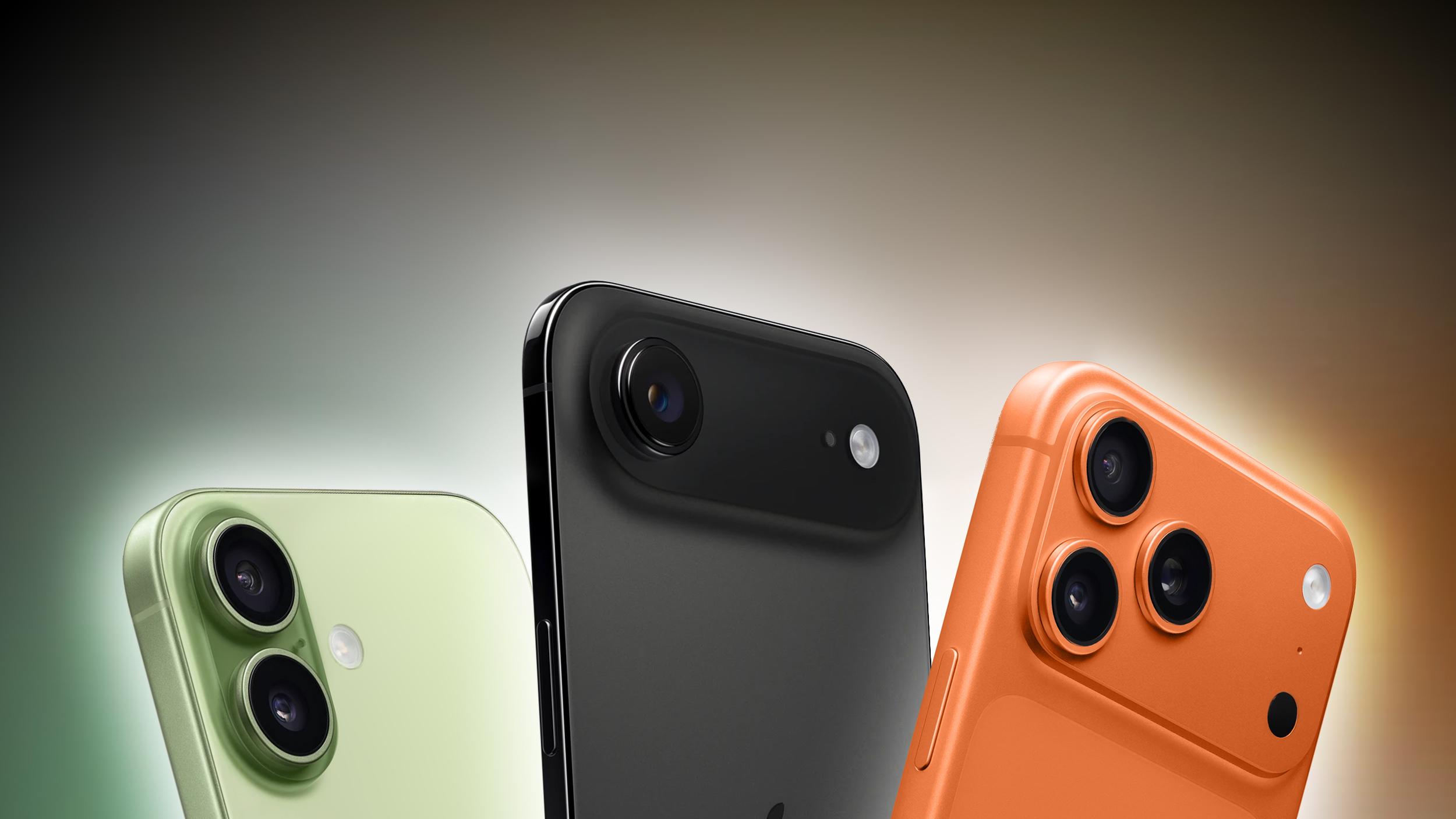
The news of the iPhone price increase in Japan was first brought to light by the Spanish blog iPhoneros. According to their findings, several iPhone models on Apple's online store in Japan received immediate price adjustments today. This includes the popular iPhone 16, iPhone 17e, iPhone 17, iPhone Air, iPhone 17 Pro, and the flagship iPhone 17 Pro Max. The increases vary by model, with some seeing jumps of up to 11%.
For Japanese consumers, this means that purchasing a new iPhone will now require a significantly larger investment. This change comes at a time when many households are already navigating rising living costs and economic uncertainties. Understanding the specifics of these price changes is crucial for anyone considering an upgrade or a new purchase in the Japanese market.
Detailed Overview of iPhone Price Increases
To provide a clearer picture of the impact, here's a detailed breakdown of the old versus new prices for the affected iPhone models in Japan:
| Model | Previous Price | New Price | Increase |
|---|---|---|---|
| iPhone 17 Pro Max | ¥194,800 | ¥214,800 | 10.3% |
| iPhone 17 Pro | ¥179,800 | ¥194,800 | 8.3% |
| iPhone Air | ¥159,800 | ¥177,800 | 11.3% |
| iPhone 17 | ¥129,800 | ¥142,800 | 10% |
| iPhone 17e | ¥99,800 | ¥107,800 | 8% |
| iPhone 16 | ¥114,800 | ¥124,800 | 8.7% |
As the table illustrates, the increases are substantial across the board, affecting both the premium Pro Max models and the more budget-friendly iPhone 17e. The iPhone Air, positioned as a high-performance mid-range option, saw the highest percentage increase at 11.3%. This uniform upward adjustment suggests a systematic response from Apple to specific economic pressures.
Why Are Prices Going Up? Unpacking the Reasons
When Apple raised the prices of Macs and iPads globally last month, the company cited the ongoing memory chip shortage as a primary cause. This shortage has indeed driven up the cost of components essential for manufacturing these devices, making it more expensive for Apple to produce them. The ripple effect of such supply chain disruptions is felt across the tech industry, leading to higher retail prices for consumers.
However, the current iPhone price increases in Japan appear to be driven by a different, yet equally powerful, economic force: the depreciation of the Japanese yen against the U.S. dollar. While the memory chip shortage remains a global concern, the specific and localized nature of the iPhone price hike strongly points towards currency fluctuations as the main culprit in this instance.
The Impact of the Japanese Yen's Depreciation
To understand why a weaker yen affects iPhone prices, it's important to grasp the basics of currency exchange rates. Apple, like many multinational corporations, operates globally but often bases its financial reporting and a significant portion of its manufacturing costs in U.S. dollars. When the Japanese yen loses value compared to the U.S. dollar, it means that it takes more yen to equal the same amount of dollars.
Imagine Apple sources components or pays for manufacturing services in dollars. If the yen weakens, Apple needs to earn more yen in Japan to cover those dollar-denominated costs. To maintain its profit margins and ensure consistent global pricing strategies, Apple often adjusts local prices in countries where the local currency has significantly depreciated. This is not uncommon and is a standard business practice for companies dealing with international trade and varying currency strengths.
Over the past year, the Japanese yen has indeed experienced significant depreciation against the U.S. dollar. This can be attributed to several factors, including differences in monetary policy between Japan and the United States. While the U.S. Federal Reserve has been raising interest rates to combat inflation, the Bank of Japan has largely maintained an ultra-loose monetary policy to stimulate its economy. This divergence makes the dollar more attractive to investors, increasing demand for it and thereby strengthening the dollar relative to the yen.
For Apple, this means that if an iPhone costs $1,000 to produce (considering components, R&D, marketing, etc.), and the yen has weakened by 10% against the dollar, Apple would need to charge 10% more in yen in Japan just to receive the same dollar equivalent for its product. Without such an adjustment, Apple's revenues in Japan, when converted back to dollars, would be lower, impacting its global financial performance.
Global Economic Context: Beyond Japan
It's crucial to note that Apple did not raise iPhone prices today in the U.S. or any other countries that were checked. This further reinforces the idea that the Japanese price increases are a direct response to local economic conditions rather than a blanket global strategy for iPhones. The U.S. dollar's strength, combined with a relatively stable economic environment (compared to some other regions), likely allows Apple to maintain current pricing there for now.
This situation highlights the complexities of global commerce in an interconnected world. Companies like Apple must constantly monitor currency markets, supply chain stability, and local economic health to make informed pricing decisions. Consumers, in turn, are increasingly exposed to the effects of these larger macroeconomic forces.
A Broader Trend: Price Increases Across Apple Services
The iPhone price hikes in Japan are not an isolated event on Apple's pricing calendar. In fact, this Friday has proven to be a day of multiple price adjustments from the company. Apple also raised the prices of iCloud+ and Apple Music plans in many countries today, including Japan. This suggests a broader theme of re-evaluating pricing across Apple's entire ecosystem, from hardware to essential services.
iCloud+ and Apple Music: The Rising Cost of Digital Life
iCloud+ offers users expanded storage for photos, videos, documents, and backups, along with privacy features like Private Relay and Hide My Email. Apple Music provides access to millions of songs, curated playlists, and exclusive content. These services have become integral to the daily digital lives of millions of Apple users. An increase in their subscription costs means that the overall expense of being part of the Apple ecosystem is growing.
For iCloud+, the price adjustments could reflect increased operational costs, investments in infrastructure, or a general realignment to market value. Similarly, for Apple Music, rising licensing fees for music content, increased competition in the streaming market, and inflation could all contribute to higher subscription prices. These service increases, especially when paired with hardware price hikes, signify a strategic shift towards extracting more revenue per user across all touchpoints.
The combination of higher hardware prices and increased service costs could put additional financial strain on consumers, particularly in markets like Japan where the local currency has weakened. It underscores the importance for users to regularly review their subscriptions and assess the value they receive from these services.
Implications for Japanese Consumers and the Market
The higher prices for iPhones will undoubtedly influence purchasing decisions in Japan. Potential buyers may:
- Delay purchases: Some consumers might postpone upgrading their iPhones, hoping for a price reduction or waiting for sales events.
- Opt for older models: The price gap between the latest generation and previous iPhone models becomes more significant, potentially driving demand for slightly older, but still capable, devices.
- Consider alternatives: While Apple has a strong brand loyalty, a substantial price increase might prompt some consumers to explore Android smartphones, which could offer similar features at a lower price point.
- Increase usage lifespan: Users might choose to keep their current iPhones for longer periods, extending their device refresh cycles to amortize the higher initial cost.
For Apple, this move balances the need to maintain profitability in local currency terms against the risk of alienating price-sensitive customers. The Japanese market is highly competitive, and while Apple enjoys a loyal customer base, continuous price increases could erode its market share over time if competitors offer compelling alternatives at more stable price points.
Apple's Global Pricing Philosophy
Apple's approach to pricing is a sophisticated interplay of global strategy and local adaptation. While there's a base cost for producing an iPhone, the final retail price in any given country is influenced by numerous factors:
- Exchange Rates: As seen in Japan, currency fluctuations are a major determinant.
- Taxes and Duties: Different countries have varying sales taxes, import duties, and other levies that add to the final consumer price.
- Shipping and Logistics: Costs associated with transporting products to various regions.
- Local Market Conditions: Competitive landscape, consumer purchasing power, and local economic conditions can all play a role.
- Regulatory Compliance: Costs associated with meeting specific local regulations and certifications.
- Brand Positioning: Apple often positions itself as a premium brand, and its pricing reflects this strategy.
The fact that Apple has explicitly linked previous Mac and iPad price increases to chip shortages, and implicitly linked iPhone price increases in Japan to currency depreciation, suggests transparency in their rationale, even if the outcomes are challenging for consumers. It indicates a responsive, rather than arbitrary, pricing mechanism in the face of dynamic global economic pressures.
Looking Ahead: What Does This Mean for the Future?
These recent price adjustments from Apple serve as a strong indicator of the current global economic climate. Inflationary pressures, supply chain vulnerabilities, and volatile currency markets are forces that businesses and consumers worldwide must contend with. For tech consumers, this could mean an ongoing trend of higher prices for both hardware and subscription services.
The memory chip shortage, though cited for Macs and iPads, remains a relevant backdrop for the entire electronics industry. Even if not the direct cause of the latest iPhone price hike in Japan, it contributes to an environment of increased production costs and supply constraints. Combine this with the continued strength of the U.S. dollar against many other currencies, and we may see similar price adjustments in other markets if their local currencies continue to weaken significantly.
For consumers in Japan, the immediate advice is to carefully weigh their purchase decisions. If an upgrade is not urgent, waiting to see if the yen stabilizes or strengthens, or if future promotional offers emerge, might be a prudent strategy. Exploring older generation iPhones, which often still offer excellent performance and features, could also be a cost-effective alternative.
Ultimately, these changes underscore a shift in the global economy where the cost of technology is no longer solely dictated by manufacturing efficiency and innovation, but increasingly by complex macroeconomic factors that affect every aspect of supply and demand.
This article, "Apple Raises iPhone Prices in Japan" first appeared on MacRumors.com
Discuss this article in our forums
from MacRumors
-via DynaSage
