
Apple Raises iPhone Prices in Japan
Apple Raises iPhone Prices in Japan: A Deep Dive into Global Economic Pressures
In a move that has significant implications for consumers and markets worldwide, Apple has recently increased the price of its iPhone models in Japan. This decision follows a trend observed last month when the tech giant raised prices on all Macs and iPads across the globe. These adjustments underscore the complex economic pressures that major international companies like Apple are navigating, from currency fluctuations to persistent supply chain challenges.
The latest price hike, specifically impacting the Japanese market, was officially implemented today, affecting a range of popular iPhone models. For Japanese consumers, this means that their aspirational iPhone purchases will now come with a higher price tag, reflecting broader economic shifts that are making imported goods more expensive in the region.
The Specifics: Which iPhones Are Affected?
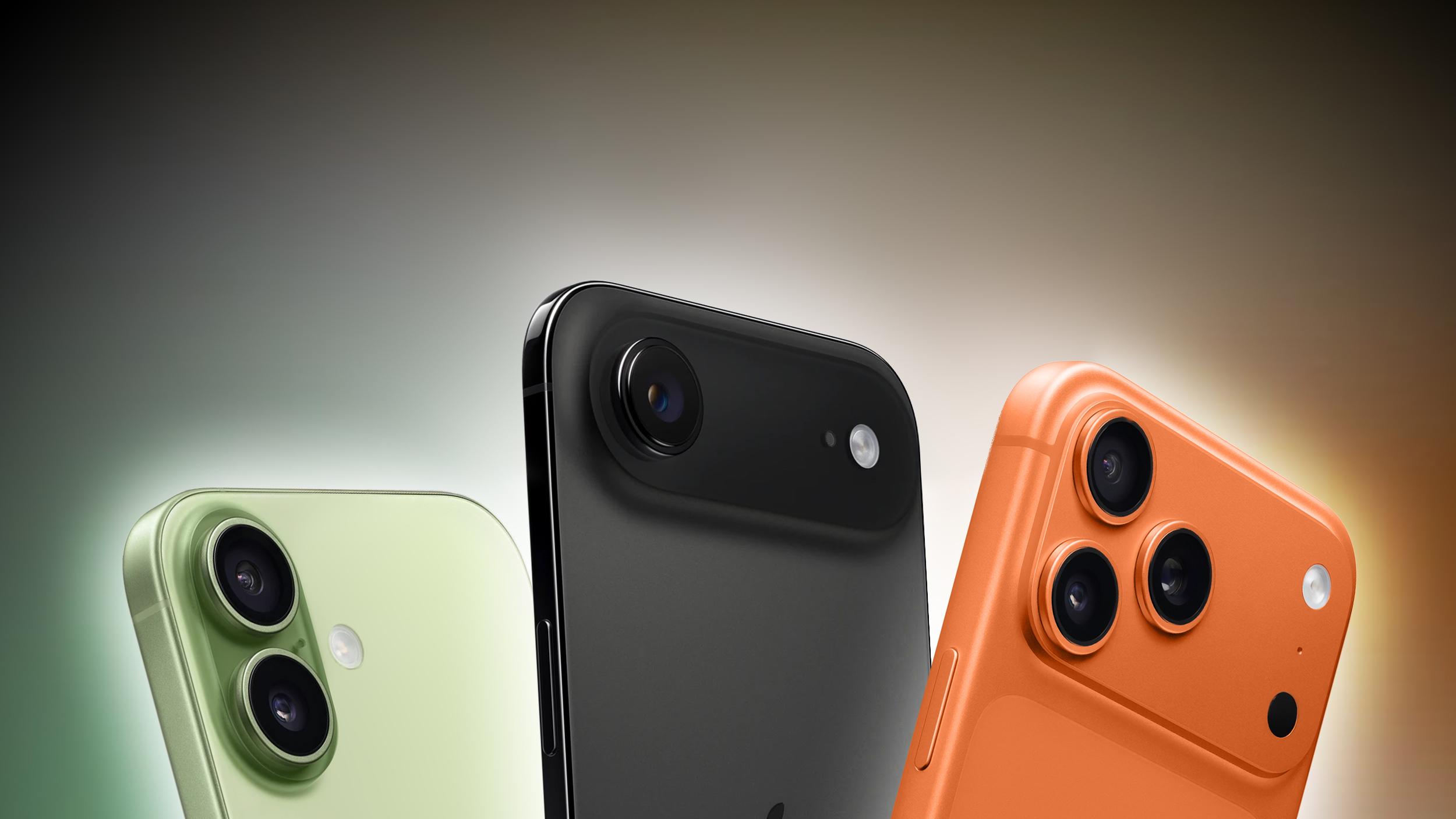
As initially highlighted by the Spanish blog iPhoneros, Apple's online store in Japan now displays elevated prices for several key iPhone models. The affected devices include the iPhone 16, iPhone 17e, iPhone 17, iPhone Air, iPhone 17 Pro, and the top-tier iPhone 17 Pro Max. Consumers looking to purchase these devices will now face price increases that range up to an impactful 11%, a substantial adjustment in an already premium market segment.
These revisions are not minor adjustments; they represent a significant percentage jump that could influence purchasing decisions among Japanese consumers. For a brand like Apple, known for its consistent global pricing, such regional variations signal a direct response to specific economic conditions rather than a uniform pricing strategy change.
Detailed Price Adjustments in Japan
To provide a clearer picture of the new pricing structure, we can examine the specific models and their respective price changes. The table below illustrates the previous and new prices in Japanese Yen (¥), along with the percentage increase for each model. This data offers a transparent view of how Apple is adapting its pricing in response to market dynamics.
| Model | Previous Price | New Price | Increase |
|---|---|---|---|
| iPhone 17 Pro Max | ¥194,800 | ¥214,800 | 10.3% |
| iPhone 17 Pro | ¥179,800 | ¥194,800 | 8.3% |
| iPhone Air | ¥159,800 | ¥177,800 | 11.3% |
| iPhone 17 | ¥129,800 | ¥142,800 | 10% |
| iPhone 17e | ¥99,800 | ¥107,800 | 8% |
| iPhone 16 | ¥114,800 | ¥124,800 | 8.7% |
As evident from the table, every listed iPhone model has seen a noticeable increase. The iPhone Air, for instance, experienced the highest percentage jump at 11.3%, while the iPhone 17 Pro Max, already the most expensive model, saw its price increase by over ¥20,000. These figures are not insignificant for consumers, especially in a market where tech purchases are often considered a significant investment.
Understanding the Driving Forces Behind the Price Hikes
Apple's recent pricing adjustments are not arbitrary; they are a direct consequence of ongoing global economic challenges. While last month's increases for Macs and iPads were primarily attributed to a persistent memory chip shortage, the situation for iPhones in Japan points to a different, yet equally impactful, economic factor: the depreciation of the Japanese yen.
The Impact of the Memory Chip Shortage
The memory chip shortage has been a recurring theme in the technology industry for several years, exacerbated by factors such as the global pandemic, geopolitical tensions, and an unexpected surge in demand for electronics. Memory chips, crucial components in nearly all modern electronic devices, have seen their prices surge due to constrained supply and increased manufacturing costs. This directly affects Apple's production expenses for products like Macs and iPads, which rely heavily on advanced memory modules. When component costs rise, manufacturers often pass at least some of those increases onto consumers to maintain their profit margins and financial health.
This shortage affects not just memory chips but a broader range of semiconductors essential for everything from power management to advanced processors. The intricate global supply chain for these components means that even a minor disruption can have ripple effects across the entire tech ecosystem. For Apple, which operates on a massive scale, securing consistent supply at stable prices is critical, and when that stability is threatened, pricing strategies must adapt.
The Yen's Depreciation: A Key Factor in Japan
In the case of the iPhone price increases in Japan, the primary culprit is widely believed to be the Japanese yen's depreciation against the U.S. dollar over the past year. Currency exchange rates play a vital role in international trade and pricing. When a local currency weakens against a major international currency like the U.S. dollar, imported goods become more expensive when converted to the local currency. Since Apple's products are designed and manufactured with global costs typically denominated in U.S. dollars, a weaker yen means that Apple needs to charge more yen to achieve the same dollar revenue per iPhone sold in Japan.
The yen's weakness is largely due to differences in monetary policy between the Bank of Japan and central banks like the U.S. Federal Reserve. While many global central banks have been raising interest rates to combat inflation, the Bank of Japan has maintained an ultra-loose monetary policy, keeping interest rates exceptionally low. This divergence makes assets denominated in yen less attractive compared to dollar-denominated assets, leading investors to sell yen and buy dollars, thereby driving down the yen's value. For Japanese consumers, this translates directly into higher prices for imported goods, from energy to electronics.
Apple, as a global company, needs to ensure that its pricing strategy accounts for these currency fluctuations. If they didn't adjust prices in Japan, their yen-denominated revenue, once converted back to U.S. dollars, would yield significantly less profit, impacting their global financial performance. This is not unique to Apple; many international brands operating in Japan have faced similar pressures and made comparable price adjustments across various sectors.
A Broader Trend: Price Increases Across Apple's Ecosystem
The iPhone price increases in Japan are not an isolated event but rather part of a broader trend of price adjustments observed across Apple's product and service ecosystem. On the same day as the iPhone hikes, Apple also raised the prices of iCloud+ and Apple Music plans in many countries, including Japan. This indicates a comprehensive strategy by Apple to manage its margins and revenue in the face of rising global costs and unfavorable currency movements.
iCloud+ and Apple Music: Services Also See Hikes
The decision to increase prices for subscription services like iCloud+ and Apple Music signals that no part of Apple's revenue stream is immune to current economic pressures. iCloud+ offers expanded storage and privacy features, while Apple Music provides access to a vast library of songs. Both are integral to the Apple user experience and contribute significantly to the company's growing services division, which has become an increasingly important revenue driver.
Raising prices for these services globally, including in Japan, suggests that Apple is experiencing increased operational costs across its services infrastructure or is simply looking to optimize revenue from its highly loyal subscriber base. Whether it's due to higher server costs, content licensing fees, or simply a strategic decision to capitalize on strong demand, these service price hikes reinforce the narrative that consumers worldwide are facing higher costs for their digital lifestyles.
Global vs. Local: Why Not the U.S. or Other Countries?
Notably, Apple did not raise iPhone prices today in the U.S. or any other countries that we checked. This selectivity highlights the localized nature of some of these economic pressures. The U.S. dollar has been relatively strong against many other currencies, which means Apple's revenue in its home market remains robust without needing price adjustments for currency reasons. Furthermore, the U.S. market has its own competitive dynamics and consumer purchasing power considerations that Apple must weigh.
The decision to target specific markets like Japan with price increases underscores Apple's granular approach to global pricing. They likely analyze each market individually, considering factors such as local currency strength, inflation rates, competitive landscape, consumer disposable income, and the overall economic health of the region. This strategic flexibility allows Apple to adapt to diverse global conditions while maintaining its premium brand image and profitability.
For instance, while the yen has significantly depreciated, other major currencies might have remained relatively stable against the U.S. dollar, or their economies might be experiencing different inflationary pressures. Such disparities necessitate a tailored approach, ensuring that Apple remains competitive and profitable in each region without uniformly applying price adjustments that might not be justified or well-received elsewhere.
The Implications for Japanese Consumers and the Market
For Japanese consumers, these price increases come at a challenging time. The weakening yen already makes everyday imported goods more expensive, reducing their overall purchasing power. Adding a significant hike to aspirational products like iPhones could force many to reconsider their purchase decisions.
Purchasing Decisions and Affordability
Consumers might opt for older iPhone models, look for refurbished devices, or delay their upgrades altogether. Some might even explore alternatives from competing Android manufacturers, who may or may not face the same currency-related pressures if their production costs or pricing strategies differ. The perceived value of an iPhone, already at a premium, now comes with an even higher entry barrier in Japan.
This situation can also impact demand for Apple's ecosystem. If fewer new iPhones are sold, it could indirectly affect sales of accessories like AirPods or Apple Watches, and even subscription to services, as these often go hand-in-hand with new device purchases. Apple's marketing and sales teams in Japan will likely need to redouble their efforts to articulate the continued value proposition of their products despite the higher price points.
Apple's Strategy in a Key Market
Japan is a critical market for Apple, known for its high adoption rates of advanced technology and a strong preference for premium brands. Maintaining market share and customer loyalty in Japan is crucial for Apple's global success. While price increases might temporarily dampen sales volume, Apple's long-term strategy likely prioritizes maintaining healthy profit margins and ensuring that the revenue generated from each sale adequately covers production, distribution, and currency conversion costs.
The company will be closely monitoring sales data and consumer reactions in Japan. If the impact on demand is too severe, Apple might explore other strategies, such as offering more localized promotions, trade-in programs, or financing options to alleviate the burden on consumers. However, for now, the price increases are a clear indication of Apple's response to the prevailing economic realities.
A Look Ahead: What Could Change?
The current pricing landscape for Apple products in Japan and other markets is a dynamic one. Several factors could influence future price adjustments, both upward and downward.
Potential for Yen Strengthening
If the Japanese yen were to strengthen significantly against the U.S. dollar in the future, it could create an opportunity for Apple to either lower prices or at least hold them steady for a longer period. A stronger yen would make imports cheaper, reducing the currency-related pressure on Apple's local pricing. This would likely depend on shifts in global monetary policy, inflation trends, and investor sentiment towards Japan's economy.
However, predicting currency movements is notoriously difficult, and central banks' policies can change based on evolving economic data. For now, the Bank of Japan's stance suggests that significant yen appreciation might not be on the immediate horizon, meaning the current pricing structure might persist for some time.
Improvements in the Global Chip Supply
The memory chip shortage, while easing in some sectors, remains a concern for the tech industry. If the supply chain for semiconductors stabilizes and manufacturing capacity catches up with demand, component costs could decrease. This reduction in production costs could, in turn, alleviate some of the pressure on Apple to raise prices for Macs, iPads, and potentially even iPhones globally.
Investing in new fabrication plants and streamlining global logistics are long-term solutions, but the industry is actively working towards them. As these efforts bear fruit, consumers might eventually see more stable pricing or even strategic price reductions on certain product lines, should Apple decide to pass on the savings.
Innovation and Value Proposition
In a world of rising prices, Apple's continued success will hinge on its ability to deliver compelling innovation and maintain a strong value proposition. Consumers are willing to pay a premium for products that offer superior features, performance, and ecosystem integration. Future iPhone models (such as subsequent versions of the iPhone 17 Pro Max, iPhone 17 Pro, iPhone Air, iPhone 17, iPhone 17e, and iPhone 16) will need to justify their higher price tags with advancements in camera technology, processing power, battery life, design, and new software experiences.
Furthermore, Apple's services, including iCloud+ and Apple Music, will need to continue evolving to provide indispensable value to subscribers. Enhancing these services with new features, exclusive content, and seamless integration will be key to retaining customers even amidst price adjustments.
Conclusion: Navigating a Complex Economic Landscape
Apple's decision to raise iPhone prices in Japan, following similar adjustments for Macs and iPads globally and services like iCloud+ and Apple Music, paints a clear picture of a company actively responding to a complex and challenging global economic environment. The interplay of currency depreciation, persistent supply chain issues, and rising component costs creates a formidable challenge for any multinational corporation.
For Japanese consumers, this means a higher cost of entry into Apple's premium ecosystem, potentially influencing their purchasing habits and tech adoption choices. For Apple, it's a strategic move to safeguard profitability and maintain financial stability amidst global economic headwinds. As the world economy continues to evolve, it's likely that consumers and companies alike will need to adapt to ongoing fluctuations in pricing and availability of desired products and services.
This situation underscores the interconnectedness of global markets and the direct impact of macroeconomic factors on everyday consumer goods. Apple's adjustments are not just about specific products; they are a reflection of broader economic forces shaping our world.
This article, "Apple Raises iPhone Prices in Japan" first appeared on MacRumors.com
Discuss this article in our forums
from MacRumors
-via DynaSage
