
Top Stories: WWDC 2026 Recap With Siri AI, iOS 27, macOS Golden Gate, and More
WWDC 2026: A Deep Dive into Apple's Latest Innovations
The annual Worldwide Developers Conference (WWDC) for 2026 has wrapped up, bringing with it a wave of exciting announcements and future-defining updates from Apple. The biggest news, without a doubt, was the unveiling of the all-new Siri AI. This advanced artificial intelligence is not just a standalone app; it's deeply woven into the very fabric of Apple's next-generation operating systems, promising a more intelligent and personal experience across all your devices.
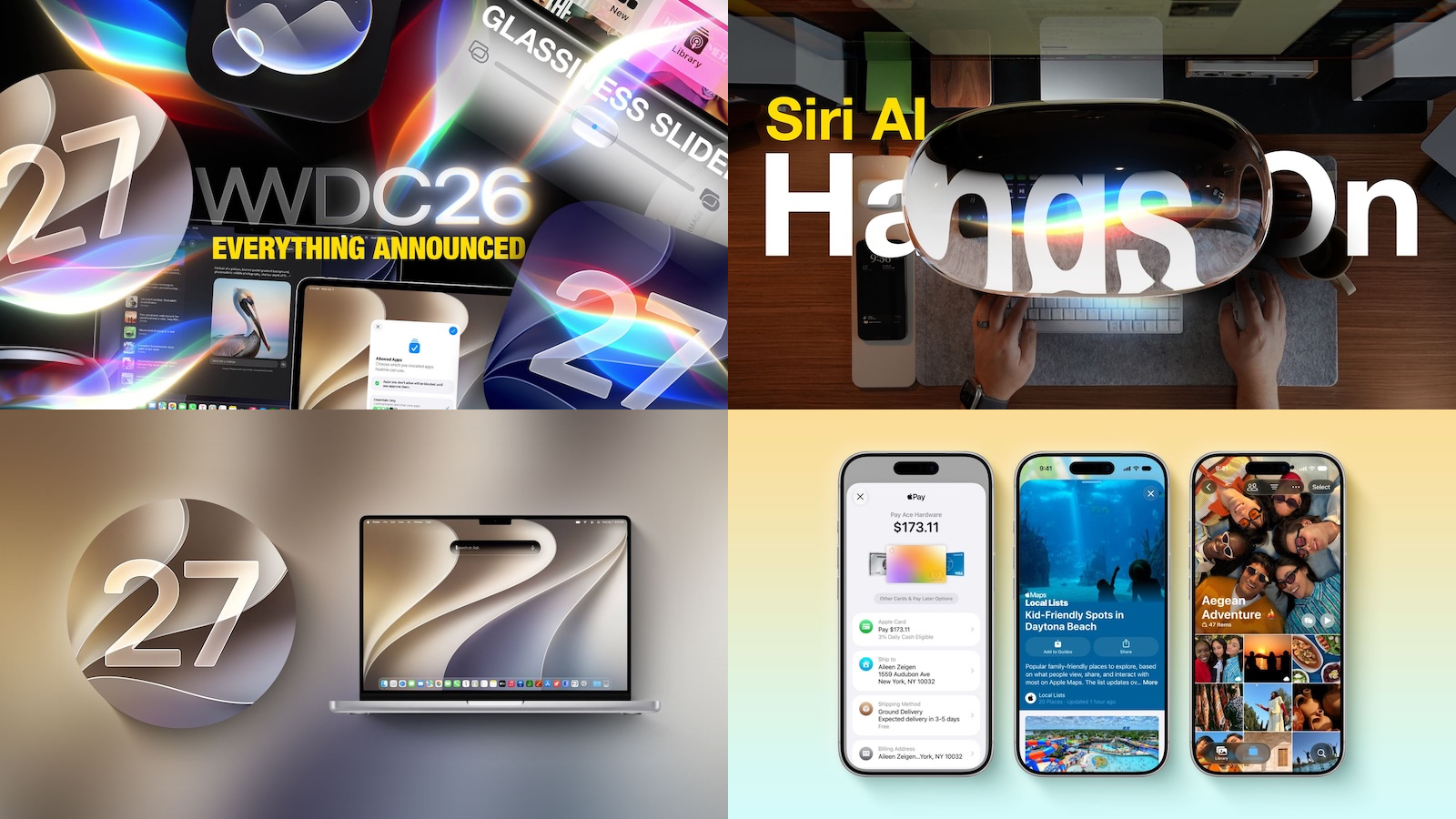
Beyond the groundbreaking Siri AI, iOS 27 introduces a plethora of other improvements, with a strong focus on making your iPhone faster and smoother than ever before. Meanwhile, macOS 27, proudly named macOS Golden Gate, brings elegant "Liquid Glass" design enhancements and many other refinements to your Mac experience. Let's dive into all the details and explore what these updates mean for you.
All the Big News from WWDC 2026
Your Quick Guide: Everything Apple Announced in 10 Minutes
Apple's WWDC 2026 keynote event, held on a Monday, was packed with information. During this exciting presentation, Apple officially introduced its latest operating systems: iOS 27 for iPhones, macOS 27 for Macs, iPadOS 27 for iPads, watchOS 27 for Apple Watches, visionOS 27 for Apple Vision Pro, and tvOS 27 for Apple TV. It took Apple's presenters about an hour and fifteen minutes to walk through all the major new features and explain the significant changes in these updates.
However, we understand that not everyone has over an hour to dedicate to watching a keynote presentation. If you're looking for a faster way to catch up on the most important highlights and essential information, we've got you covered. We've put together a concise 10-minute recap that distills all the key announcements into an easy-to-digest format. This quick summary is perfect for those who want to get straight to the point and understand the most impactful changes without watching the entire event.
We have a quicker 10-minute recap for those who want the highlights.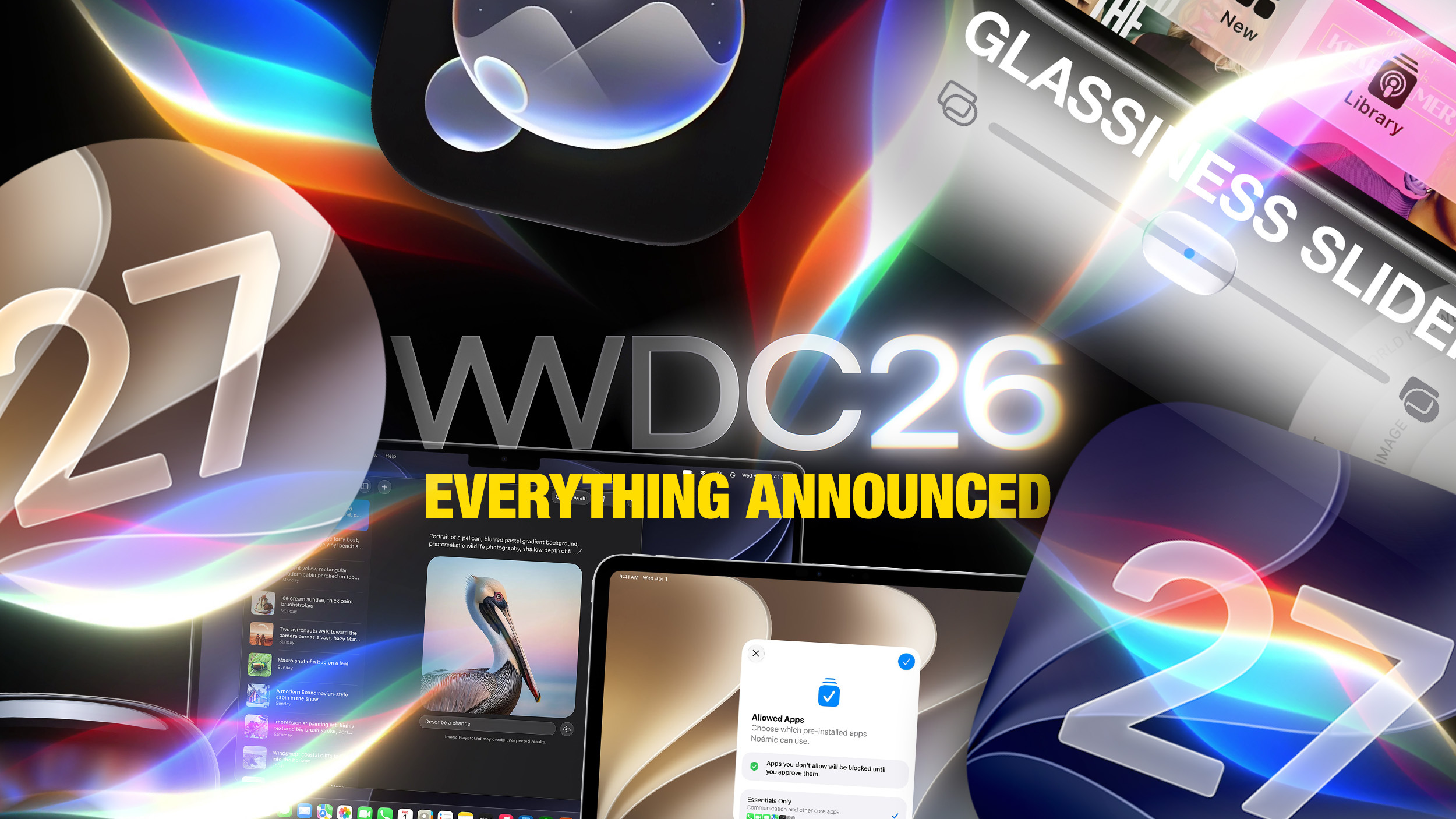
Our comprehensive recap isn't just a video summary; it also includes helpful links to all of our detailed articles published on the keynote day. This means you can easily click through and read more about any specific feature or update that catches your interest. It's truly the best place to get a complete overview and dive deeper into all the major announcements. For those who prefer to read rather than watch a video, and want a full, moment-by-moment summary of the keynote as it unfolded, you can also check out our live blog transcript. This provides a written account of everything that was announced, in the order it happened, offering a detailed record of the event.
Getting Personal with Siri AI: First Impressions and What It Means
The central theme that dominated the WWDC 2026 keynote was undeniably the introduction of the revolutionary new Siri AI. This isn't just an update to the Siri we know; it's a complete reimagining. Apple has integrated this advanced artificial intelligence across nearly all of its operating systems, from your iPhone to your Mac, Apple Watch, and more. What's more, it now comes with a dedicated application, giving you a central hub for all its powerful new capabilities.
This new Siri AI promises to be far more intelligent, intuitive, and personal than ever before. It's designed to understand your requests better, anticipate your needs, and offer more helpful and context-aware responses. Imagine a Siri that truly learns from your habits, preferences, and conversations, becoming an indispensable personal assistant that truly understands you. This deep integration means Siri AI can now perform complex tasks across multiple apps, handle follow-up questions more naturally, and even take proactive steps to help you throughout your day.
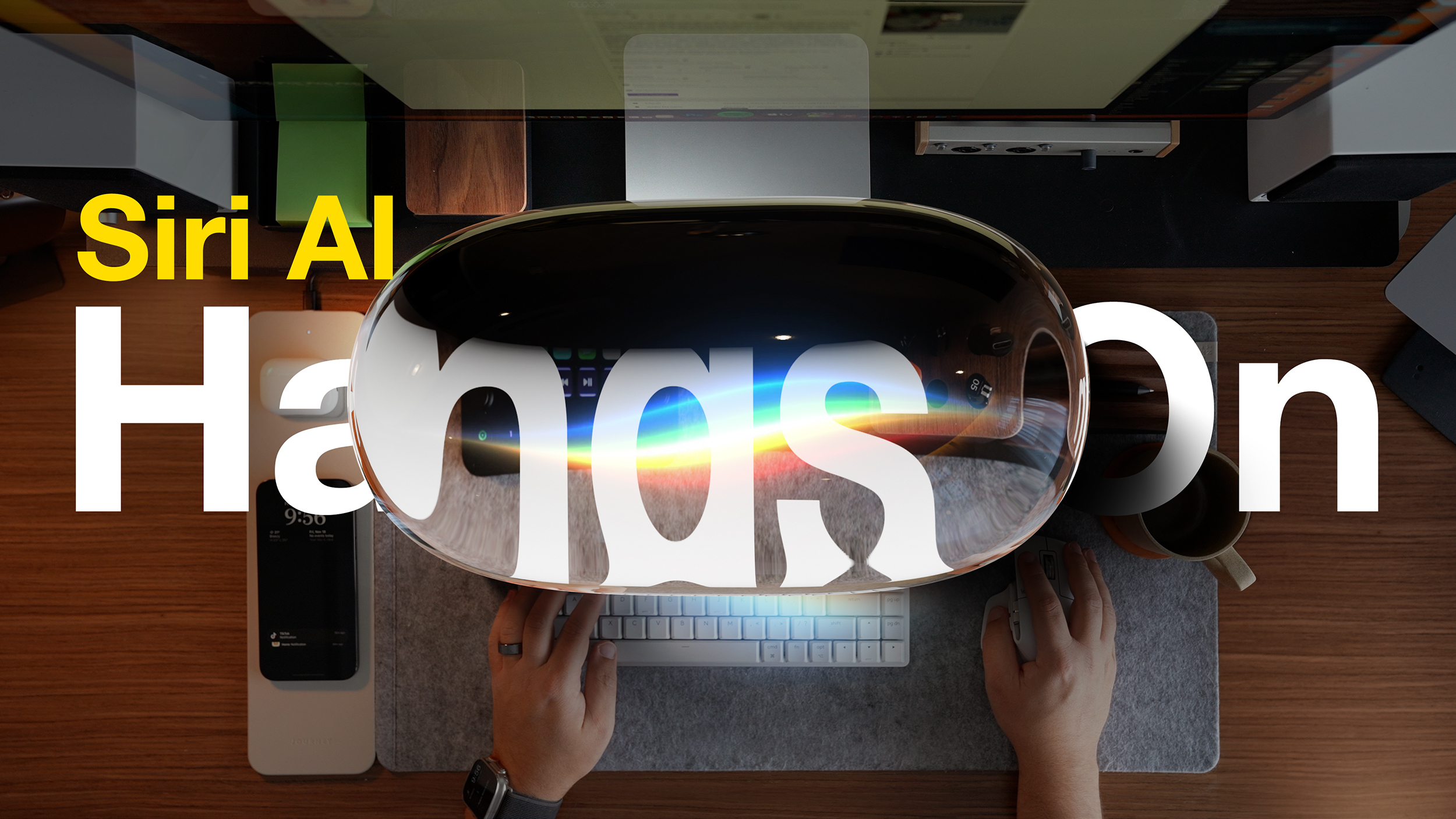
For developers and early adopters eager to try out these groundbreaking features, access to Siri AI in the initial developer betas is currently operating on a waitlist system. This means it might take a little while before you can get your hands on it and start experimenting with its new capabilities. The waitlist ensures a controlled rollout, allowing Apple to gather feedback and refine the experience. However, you don't have to wait to see it in action! Our team has already had the opportunity to go hands-on with the new Siri AI, providing an early and detailed overview of how it functions and what you can expect. We’ve explored its key features, demonstrated its new interactions, and highlighted its potential. Be sure to check out our video for a first look at this exciting new technology and discover how it will change the way you interact with your Apple devices.
Introducing macOS Golden Gate: Performance, Polish, and the New Siri
One of the most highly anticipated announcements during Monday's keynote came early in the presentation: Apple officially revealed that macOS 27 is named macOS Golden Gate. This name, inspired by the iconic Golden Gate Bridge, evokes a sense of grandeur, engineering prowess, and seamless connectivity, perfectly reflecting the philosophy behind this new operating system.
Much like the celebrated Mac OS X Snow Leopard released in 2009, Apple has stated that its primary focus for macOS Golden Gate this year has been on dramatically improving the operating system's performance and refining dozens of its underlying technologies. Instead of introducing a multitude of flashy new features, the emphasis is on making your Mac experience faster, more stable, and incredibly responsive. This "under-the-hood" approach means that while many changes might not be immediately visible, you'll feel their impact in every interaction, making your daily computing smoother and more enjoyable.
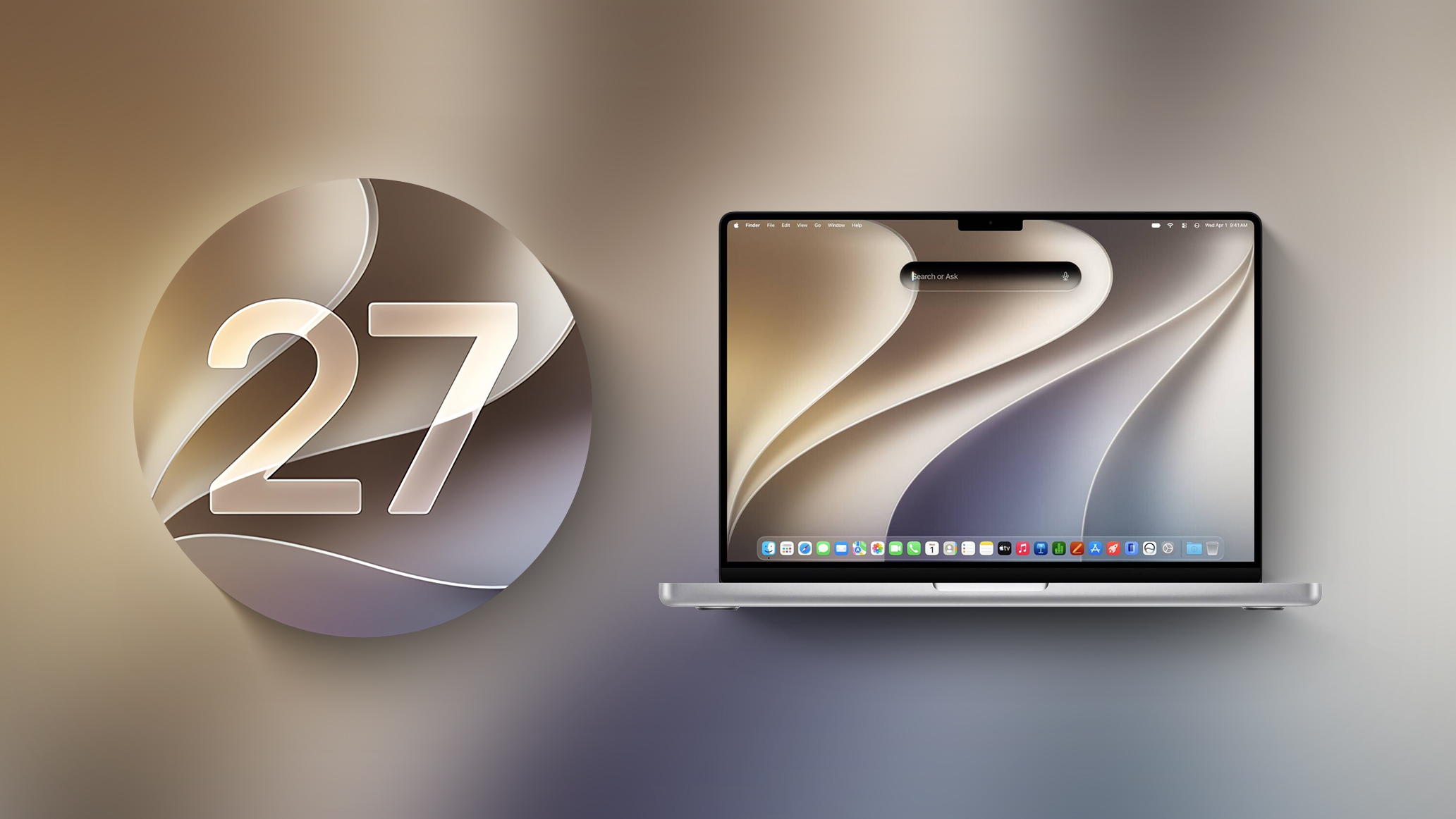
Apple highlighted several key areas where macOS Golden Gate delivers significant enhancements. Users can look forward to noticeably quicker AirDrop transfers, making sharing files with nearby Apple devices more efficient than ever. Network file browsing, which can sometimes be a bottleneck for those working with shared drives or servers, will now be much faster. The Messages app will see improved syncing, ensuring that your conversations are always up-to-date across all your devices without delays. Furthermore, Spotlight search, a powerful tool for finding files and information, will offer better and more relevant suggestions, saving you time and effort. These are just a few examples of the many changes designed to make your Mac feel "more responsive than ever."
In addition to these performance gains, macOS Golden Gate also introduces subtle yet significant "Liquid Glass" design refinements. These are not drastic visual overhauls but rather thoughtful touches that enhance the overall aesthetic and user experience. Imagine subtle animations that feel more fluid, translucent elements that elegantly reveal content beneath, and icons that have a refined, almost tactile quality. This design philosophy aims to create an interface that is both beautiful and intuitive, making interacting with your Mac a delightful experience without distracting from your work. It's about a seamless blend of form and function, where every visual element contributes to a more polished and modern look.
Apple summarized their commitment to this release by stating, "With improvements at the very core of the system and enhancements to apps and experiences you rely on every day, macOS feels better than ever." This statement perfectly captures the essence of macOS Golden Gate: a release focused on solidifying the foundation, refining the everyday interactions, and ensuring that your Mac delivers a premium, efficient, and enjoyable user experience. It's a testament to Apple's dedication to quality and performance, ensuring that your Mac is not just powerful, but also a pleasure to use day in and day out.
iOS 27: Beyond Siri, Unveiling 12 New Features for Your iPhone
While the new, more intelligent, and personal Siri is undoubtedly the headline feature of iOS 27, the updates for your iPhone extend far beyond just its virtual assistant. This year, Apple has packed iOS 27 with a wealth of enhancements that touch nearly every aspect of your mobile experience. In a recent press release, Apple provided a clearer picture, outlining at least 12 significant new features and additional improvements coming to popular apps like Apple Maps, Find My, Apple Wallet, Apple Music, and many more.
These enhancements are designed to make your iPhone more powerful, more intuitive, and more integrated into your daily life. For instance, imagine Apple Maps offering even smarter routing with real-time incident reporting and personalized recommendations based on your habits. Find My could become even more precise, helping you locate misplaced items with enhanced accuracy, perhaps even leveraging new ultra-wideband capabilities in innovative ways. Apple Wallet might gain new forms of digital identification or more streamlined payment options, making your physical wallet almost obsolete. And Apple Music could introduce new ways to discover music, share playlists, or experience immersive audio, making your listening experience richer.
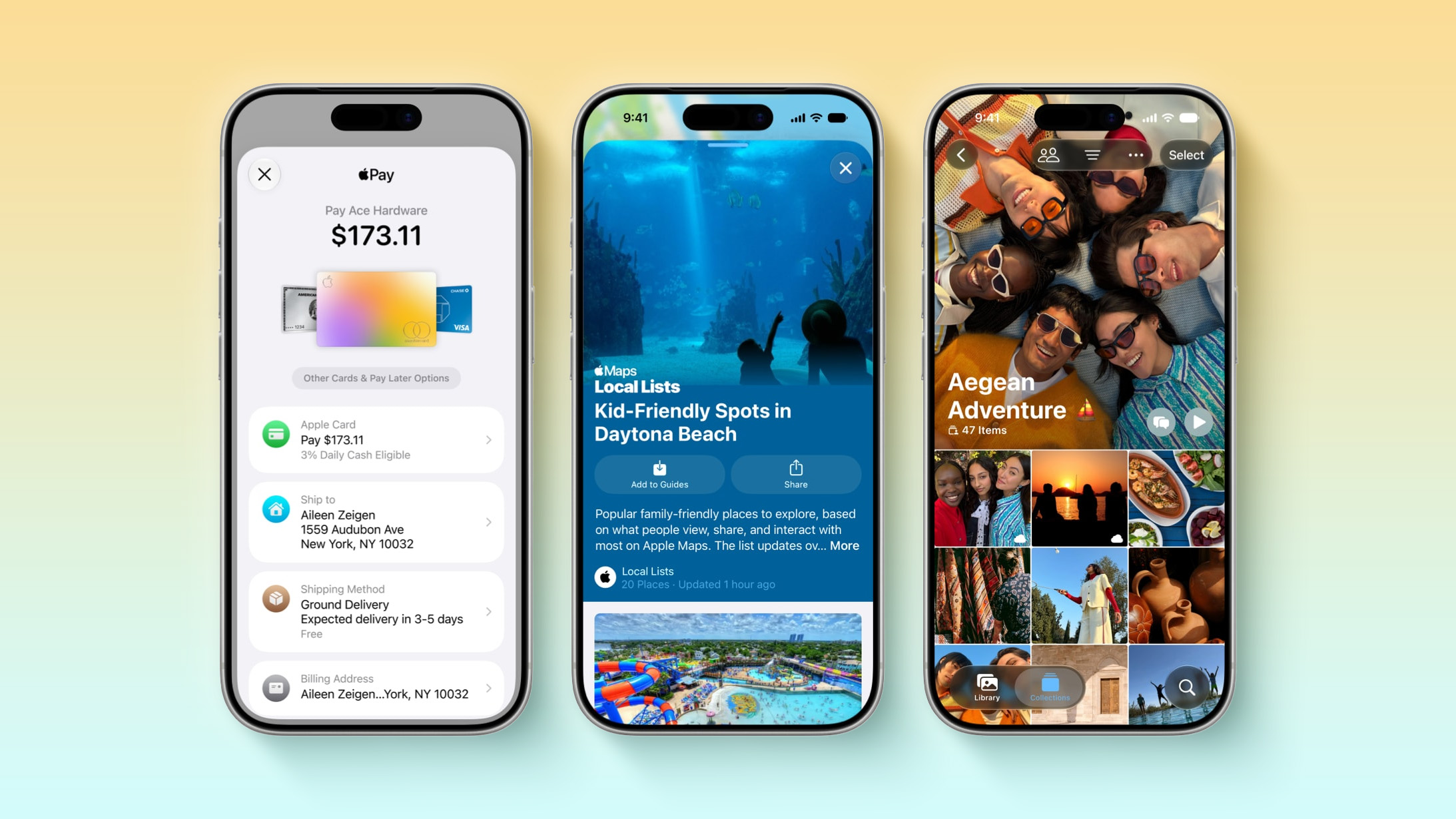
The sheer volume of changes is impressive. During Monday's keynote, a super-dense slide was briefly shown, giving a glimpse into the extensive work Apple has done. This slide alone listed over 250 individual changes across iOS 27 and Apple's other updates. This highlights Apple's commitment to continuous improvement, not just in headline features but also in refining the user experience at a granular level. These hundreds of smaller tweaks and optimizations contribute to a more polished, stable, and enjoyable operating system. They could include everything from minor interface adjustments to performance boosts for specific apps, enhanced privacy controls, new accessibility features, or improvements to background processes that make your iPhone feel snappier and more reliable.
In essence, iOS 27 is a comprehensive update that builds upon the robust foundation of its predecessors. While Siri AI captures the spotlight, the myriad of other improvements ensures that every iPhone user, regardless of how they use their device, will find something new and beneficial. From improved battery life to faster app loading, enhanced security, and more intuitive interactions, iOS 27 aims to make your iPhone an even more indispensable tool in your everyday life, making every tap, swipe, and command feel more responsive and seamless.
iPadOS 27 and watchOS 27: A Closer Look at Device Compatibility Changes
With every major operating system update, there's always a question of which devices will be supported and which will be left behind. This year, for iOS 27, we have good news: it will be compatible with all the same iPhone models that currently run iOS 26, meaning your existing iPhone should receive the update without issue. However, the story is quite different for Apple's other popular devices, specifically the iPad and Apple Watch, where we've seen some significant changes in supported models.
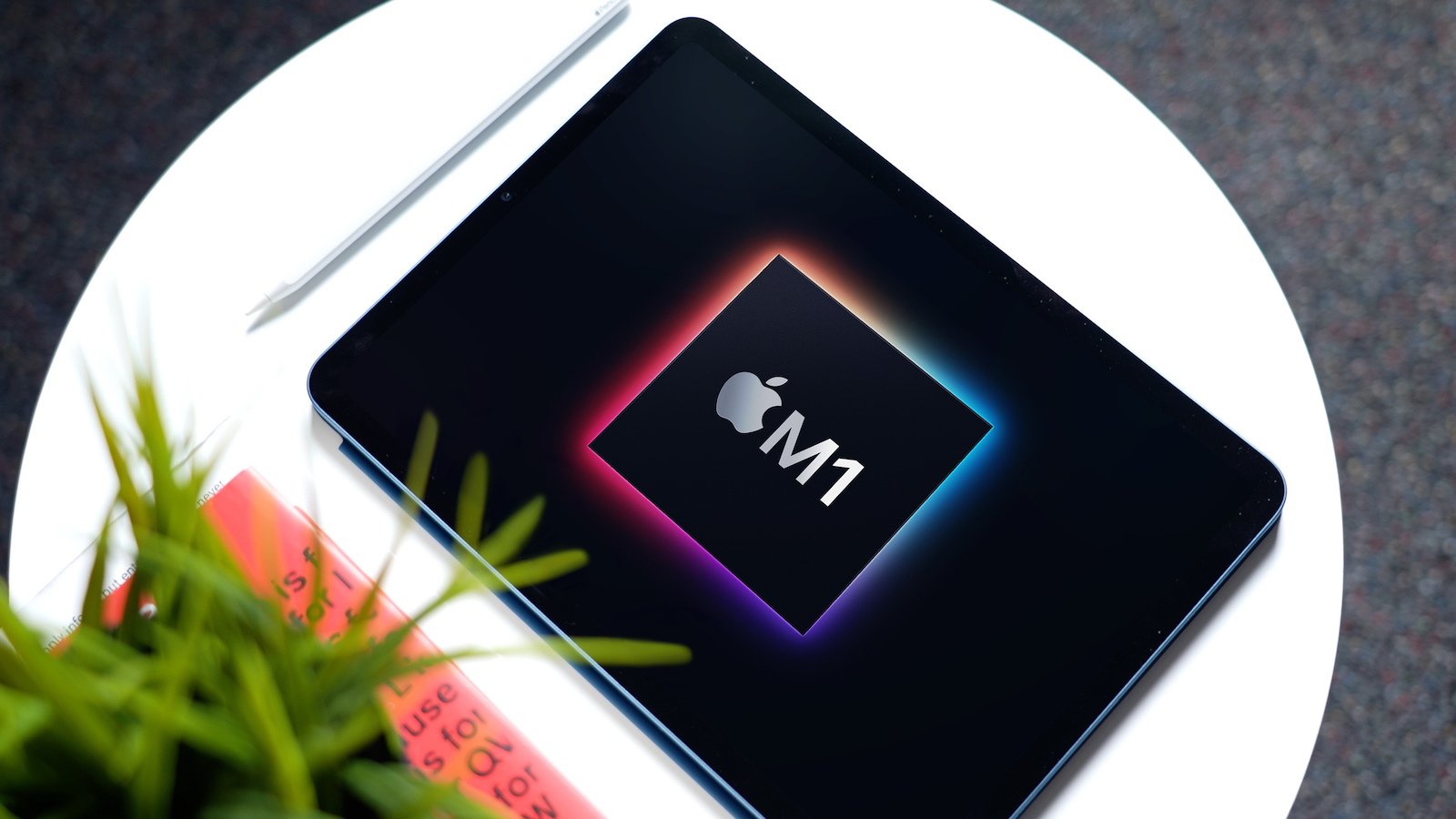
The iPad lineup, in particular, saw a notable reduction in supported models for iPadOS 27 this year. This means that if you own an older iPad, it might not be eligible for the latest operating system. Specifically, each family of iPad (e.g., iPad Air, iPad mini, regular iPad, iPad Pro) saw its oldest model that currently supports iPadOS 26 dropped from the compatibility list for iPadOS 27. To put it simply, for your iPad to be able to upgrade to iPadOS 27, it will now need to be equipped with a minimum of an A14 Bionic chip or one of Apple's more powerful M-series chips (like the M1, M2, M3, or later). This shift indicates that the new features and performance demands of iPadOS 27 require more robust processing power, signaling Apple's move towards a more advanced and demanding software experience for its tablet users.
The Apple Watch lineup experienced even steeper cuts to its list of supported models for watchOS 27. A significant number of previously compatible models will not receive the update. This includes the Apple Watch Series 6, Series 7, Series 8, the first-generation Apple Watch Ultra (Ultra 1), and the Apple Watch SE 2. This move suggests that watchOS 27 introduces features or requires a level of performance that these older models can no longer adequately support. Users with these watches will continue to run watchOS 26, meaning they will miss out on the latest innovations and improvements in health tracking, fitness features, and overall smart functionalities that watchOS 27 brings.
Furthermore, watchOS 27 also brings a surprising change by removing the Walkie-Talkie app. This feature, which allowed users to have quick voice chats with friends directly from their wrist, has been a staple of the Apple Watch experience since watchOS 5 first debuted in 2018. While Apple hasn't explicitly stated the reason for its removal, it could be due to low usage, a shift in communication priorities, or perhaps a consolidation of features into other communication apps. This change will certainly be noted by users who regularly relied on this unique communication tool.
These compatibility changes, especially for iPad and Apple Watch, underscore Apple's commitment to pushing the boundaries of what their devices can do. Newer software often demands more powerful hardware to deliver the best experience, and these changes reflect that progression. While it means some users will need to upgrade their hardware to enjoy the latest features, it also ensures that those who do have compatible devices will benefit from the most optimized and cutting-edge performance.
iPhone 17's Memory Challenge: Missing Out on Key Siri AI Features in iOS 27
During the highly anticipated Siri AI announcement at WWDC 2026, Apple introduced a groundbreaking, more powerful on-device AI model. This advanced model is not only responsible for delivering the standard, improved Siri AI functionality but also powers two exclusive, high-end features: significantly more expressive Siri voices and a major leap in accuracy for systemwide dictation. These features promise to make interactions with your Apple devices even more natural and efficient.
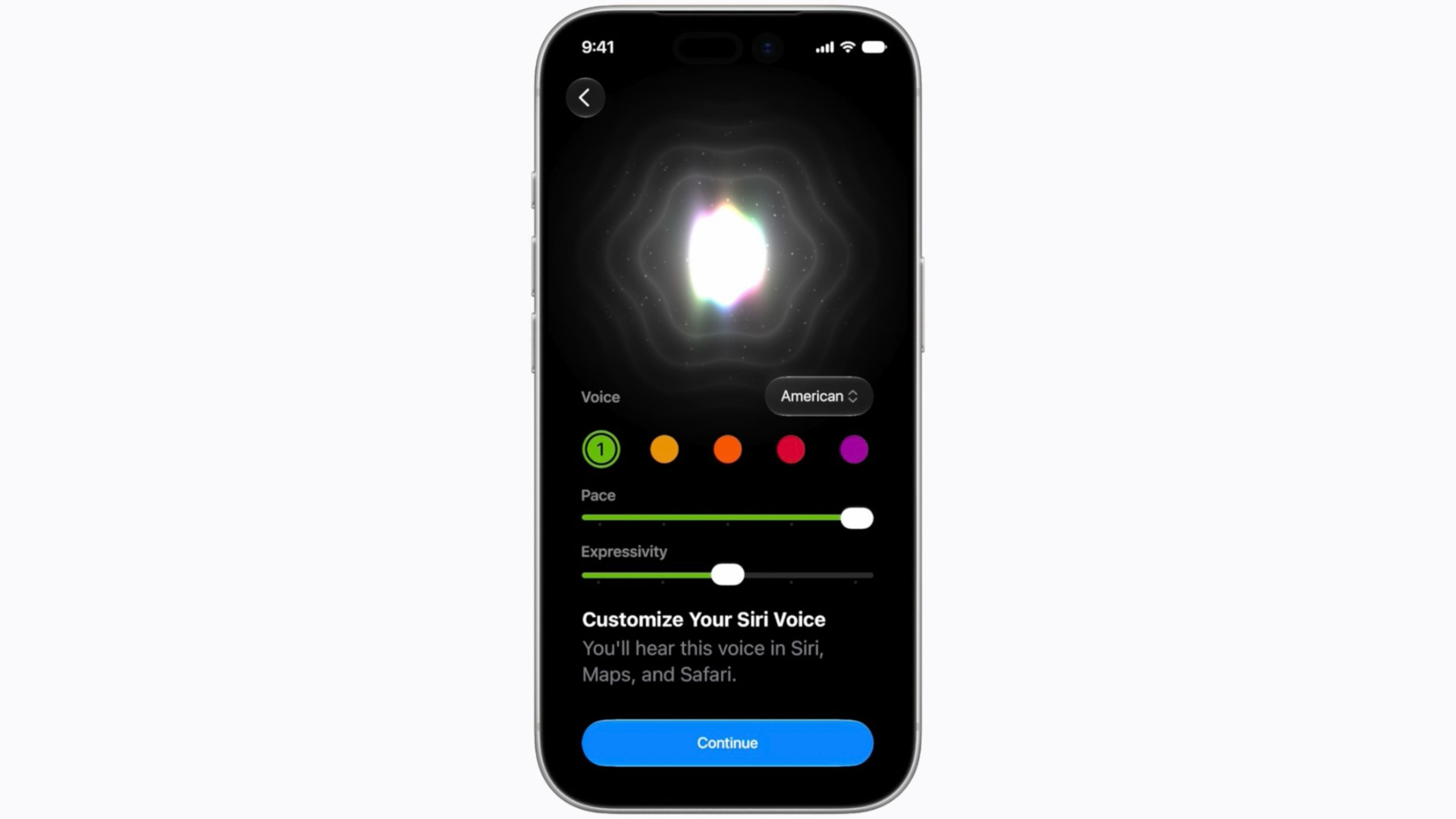
However, there's a crucial detail that affects a segment of iPhone users. Apple clarified that both of these exclusive features require a substantial 12GB of unified memory to function optimally. Unified memory is a type of memory that is shared by the main processor (CPU), graphics processor (GPU), and neural engine within an Apple chip. It allows for incredibly fast data access and processing, which is essential for complex AI operations like generating nuanced voices or accurately transcribing speech in real-time.
Among the current lineup of iPhone models, this 12GB unified memory requirement means that the more powerful AI model, and thus these two exclusive features, are limited to specific devices. This includes the high-end iPhone Air, iPhone 17 Pro, and iPhone 17 Pro Max. Beyond iPhones, the advanced AI features will also be available on iPad models equipped with the M4 chip or later, Mac computers powered by M3 chips or newer, and the Apple Vision Pro, which features the M5 chip. These devices possess the necessary hardware to handle the intensive computational demands of these cutting-edge AI capabilities.
The unfortunate news is that the standard iPhone 17, while still a flagship device, will miss out on these particular advanced Siri AI features. The reason? The base iPhone 17 model comes with only 8GB of unified memory. While 8GB has been the minimum requirement for Apple Intelligence since its initial launch, it falls short of the new 12GB threshold needed for the most expressive Siri voices and the enhanced dictation accuracy. This means that users who opt for the standard iPhone 17 will still benefit from the general improvements to Siri AI, but they won't experience the very top-tier, most nuanced aspects of Apple's latest AI advancements.
This decision highlights a growing trend where advanced AI features are becoming increasingly hardware-dependent. As AI models become more complex and capable, they require more powerful processors and greater amounts of memory to run efficiently on-device, offering privacy benefits and faster responses without relying on cloud processing. For consumers, this creates a clear distinction between the "Pro" and standard models, where the former gains access to the most cutting-edge software experiences. It underscores the importance of considering a device's memory specifications when making purchasing decisions, especially for those who want to leverage every advanced AI capability Apple has to offer.
Stay Connected with the MacRumors Newsletter!
Did you find this recap helpful and want to stay updated on all the latest Apple news and developments? Each week, we curate and publish an exclusive email newsletter designed to bring the most important Apple stories directly to your inbox. This newsletter is a fantastic way to get a bite-sized, yet comprehensive, recap of the week's happenings, covering all the major topics we've explored and tying together related stories for a big-picture view of the Apple ecosystem.
Our newsletter ensures you won't miss out on critical announcements, intriguing rumors, and essential insights into Apple's products and services. Whether it's the latest iPhone features, macOS updates, or groundbreaking AI developments like the new Siri AI, we condense the information into an easy-to-read format. It’s perfect for busy individuals who want to stay informed without having to browse multiple websites daily.
So, if you're keen to have top stories like the comprehensive WWDC 2026 recap you just read delivered conveniently to your email inbox each week, we highly encourage you to subscribe to our newsletter today! It’s free, informative, and ensures you're always in the loop on all things Apple. Don't miss another major announcement – join our community of informed Apple enthusiasts.
Subscribe to our newsletter and get the best of Apple news delivered straight to you!
This article, "Top Stories: WWDC 2026 Recap With Siri AI, iOS 27, macOS Golden Gate, and More" first appeared on MacRumors.com
Discuss this article in our forums
from MacRumors
-via DynaSage
