
The Notorious Jack Of Blades Returns To Fable in February
Emerging from the Void: The Enduring Allure of New Beginnings in Gaming and Beyond
Sometimes, from the most unexpected places, a glimmer of something new appears. A whisper, a concept, a dream. And then, it solidifies, takes shape, and bursts forth into the world. The phrase, "Out of the void again," speaks to this powerful, recurring cycle – the thrilling journey from nothingness to creation, from silence to revelation. It’s a theme deeply embedded in human experience, art, and perhaps most vividly, in the dynamic world of video games.
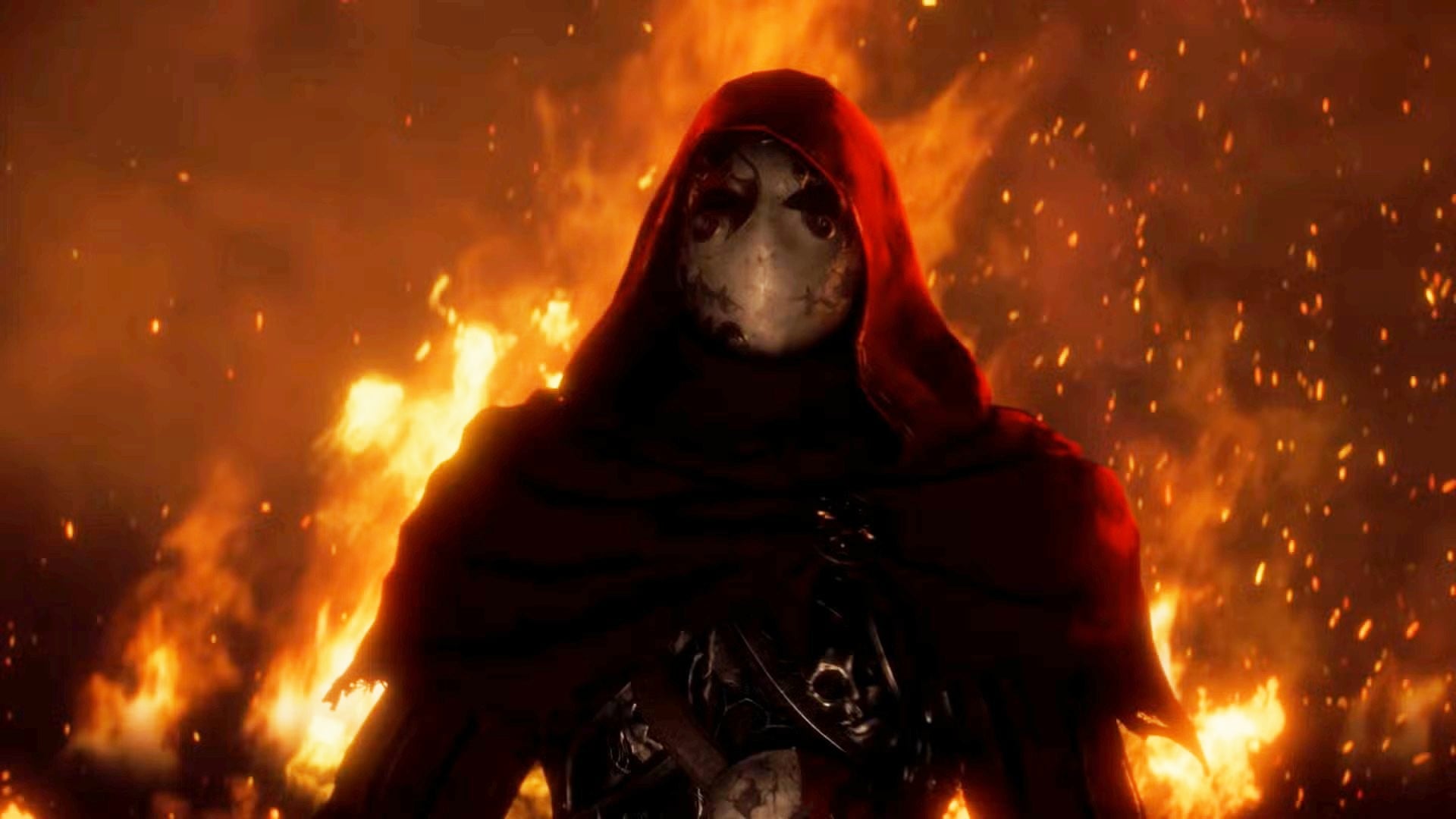
Consider the image above, perhaps a first glimpse of a project known only as "Fblelblads." This single snapshot, like a beacon in the dark, suggests a universe ready to unfold. For gamers and creators alike, "the void" isn't always a place of emptiness, but often a crucible of potential, a space where ideas simmer and coalesce before their grand debut. It's the silent period of development, the unknown state before a reveal, or even the blank screen awaiting a new adventure.
Understanding "The Void": More Than Just Nothingness
When we speak of "the void," especially in creative contexts, it's rarely just about absence. Instead, it encompasses a multitude of states:
The Blank Canvas: A Place of Pure Potential
For artists, writers, and game developers, the void often begins as a blank canvas, an empty document, or an unwritten line of code. It's a daunting yet exciting space, full of infinite possibilities but devoid of direction. This initial void is where the spark of an idea, no matter how small, begins its arduous journey towards becoming a tangible reality. It's the birthplace of worlds, characters, and entire narratives that will eventually capture the imaginations of millions.
The Period of Seclusion: Deep Work and Incubation
Sometimes, "the void" refers to the long, often secretive, development cycles of video games. Developers enter a period of intense focus, shielded from public scrutiny, allowing them to experiment, fail, and iterate. This seclusion is vital for nurturing complex projects. Think of the years of silence before a major game like Red Dead Redemption 2 or The Elder Scrolls VI (still in its void!) finally gets its grand reveal. This incubation period allows for creative ideas to mature and technical challenges to be overcome away from the pressures of external expectations.
Overcoming Stagnation: The Creative Block
"The void" can also represent a creative block or a period of stagnation. Every creator experiences moments where ideas dry up, progress halts, and inspiration seems to vanish. This state of limbo can feel like an oppressive void, threatening to consume a project entirely. The act of emerging from this particular void is a testament to perseverance, a shift in perspective, or a sudden burst of renewed energy that pushes the project forward once more. It's often the hardest void to escape, requiring a deep dive into one's own resilience.
The Unknown Future: Anticipation and Speculation
From a player's perspective, "the void" is the time between announcements and releases, between a game's reveal and its eventual launch. It's a space filled with anticipation, speculation, and a longing for details. Players often delve into forums and communities, analyzing every teaser and screenshot (like our "Fblelblads" image), trying to piece together what awaits them "out of the void." This shared experience of waiting builds hype and strengthens community bonds.
"Fblelblads": A Beacon from the Depths
Let’s consider "Fblelblads" as a prime example of something emerging "out of the void again." The very name itself, whimsical yet intriguing, suggests a world unlike any we've seen. What might this game be? Is it a long-lost project finally seeing the light of day, a brand-new IP from a seasoned studio, or the passion project of an indie team daring to dream big?
The Mystery of the Reveal
For "Fblelblads," its emergence from the void could be a dramatic reveal trailer at a major gaming event like E3 or The Game Awards. One moment, there's silence; the next, a flurry of images and sounds that hint at a rich, unexplored universe. This moment of emergence is carefully orchestrated, designed to capture attention and ignite conversation. The image we have might be the very first breadcrumb, a visual hook designed to draw us into its mystery.
A Narrative of Rebirth?
Perhaps "Fblelblads" itself tells a story of emerging from a void. Many games explore themes of rebirth, creation, or reconstruction after a cataclysm. A protagonist might awaken in a ruined world, tasked with bringing life and order back from chaos. Or perhaps a forgotten hero returns to face an ancient evil that has re-emerged. The very core gameplay loop could involve building, discovering, and bringing light to dark corners, mirroring the game's own journey out of development's void.
The Journey of a Studio
Alternatively, "Fblelblads" could represent a studio’s return from a period of struggle or hiatus. A team might have faced setbacks, cancelled projects, or even existential threats. For them, "Fblelblads" isn't just a game; it's a testament to their resilience, a phoenix rising from the ashes, proving that even after facing their own 'void,' they can still create something remarkable. Every line of code, every piece of art, would carry the weight of that journey.
The Creative Process: Pulling Worlds from Nothing
The journey from "void" to "Fblelblads" is a microcosm of the entire creative process. It's a chaotic, beautiful, and often frustrating endeavor that defines the core of game development.
Idea Generation: The First Spark
It all starts with an idea, a tiny seed of inspiration in the vast emptiness. This could be a unique gameplay mechanic, a compelling character concept, or a striking visual theme. For "Fblelblads," maybe it was a strange dream, a doodle on a napkin, or a discussion about combining seemingly disparate genres. This initial spark is fragile but essential, providing the first direction out of pure nothingness.
Prototyping: Giving Form to the Formless
Once an idea takes root, developers begin prototyping. This involves creating rough, playable versions of core concepts to test their viability. It’s a messy, iterative phase where ideas are tried, discarded, and refined. Think of it as sculpting in the dark, feeling for shapes and forms that might eventually become a masterpiece. The early versions of "Fblelblads" would likely be crude, blocky models, and simple interactions, far from the polished image we see. This stage is crucial for understanding if the game's fundamental premise is fun and engaging.
Iteration and Refinement: The Long March
The bulk of game development is dedicated to iteration and refinement. This is where the initial prototype evolves into a full-fledged game. Artists bring the world to life with intricate details, programmers build robust systems, designers craft engaging levels, and writers weave captivating narratives. This is the period where a project truly comes "out of the void," gradually gaining substance and depth. For "Fblelblads," countless hours would be spent perfecting its unique aesthetic, fine-tuning its controls, and ensuring its story resonates.
Overcoming Development Hell: Escaping the Void's Trap
Sometimes, projects get stuck in "development hell," a state akin to being trapped in the void indefinitely. This can be due to scope creep, funding issues, creative disagreements, or technical challenges that seem insurmountable. Games like Duke Nukem Forever famously spent years, even decades, in this limbo. When a game emerges from such a state, like "Fblelblads" potentially has, it’s a monumental achievement, a testament to sheer willpower and unwavering belief in the project. It signifies a studio's ability to navigate immense adversity and still deliver.
The Player's Journey: Entering and Emerging from Virtual Voids
The concept of "the void" isn't limited to creation; it's also a fundamental part of the player's experience within games.
Starting a New Game: The Unwritten Story
Every time a player starts a new game, they effectively step into a void. The screen is blank, the save file empty. They are about to embark on an unknown journey, their choices and actions shaping the narrative. This initial void is exhilarating, filled with the promise of discovery, challenge, and adventure. For "Fblelblads," this might mean selecting a character, customizing a starting loadout, or simply pushing "New Game" and watching the opening cinematic unfold, pulling them into its world.
Exploring Uncharted Territories: The Map's Blank Spaces
In many open-world games, large portions of the map are initially shrouded in fog, representing unexplored territory – a literal void. As players journey through the world, these areas are revealed, bringing landmarks, quests, and secrets "out of the void." The satisfaction of filling in a map, of venturing into the unknown and returning with stories, is a core appeal of exploration games. Imagine discovering a hidden region in "Fblelblads," a place previously only hinted at, now made real through your intrepid exploration.
Facing the Unknown: Boss Battles and Mysteries
The void also manifests in the unknown challenges presented by games. A new boss fight, a complex puzzle, or a cryptic narrative twist can feel like confronting a void of information or certainty. Players must gather their resources, analyze patterns, and strategize to overcome these obstacles, bringing clarity and triumph "out of the void" of uncertainty. The thrill of figuring out a difficult encounter in "Fblelblads" would be a key part of its appeal.
Replaying a Classic: Rediscovering the Familiar Void
Even when replaying a beloved game, there’s a sense of returning to a familiar void, ready to be filled with new experiences or revisited memories. Players might choose different paths, notice details they missed before, or simply bask in the nostalgia of a well-loved world. This act of re-engagement is a form of bringing the game "out of the void" of their memory and back into active play, discovering new layers or appreciating old ones.
The Role of Community in Emergence
The act of something emerging "out of the void again" is rarely a solitary event. Communities play a massive role in building anticipation, shaping expectations, and celebrating these moments.
Collective Hype and Speculation
When a game like "Fblelblads" first surfaces, even with a single image, it immediately sparks discussion. Forums buzz, social media lights up, and content creators begin to theorize. This collective energy acts as a powerful force, amplifying the game’s presence and generating organic interest. The community helps pull the game further out of obscurity and into the public consciousness. They analyze every pixel, every potential clue, weaving a narrative around the game even before it truly exists.
Feedback and Shaping Development
Sometimes, early reveals or alpha tests allow communities to provide direct feedback, indirectly helping to pull the game out of its developmental void. Developers often listen to player insights, adjusting mechanics, refining features, and sometimes even changing core directions based on what the community desires. This collaboration ensures that when the game fully emerges, it's something that truly resonates with its audience. Imagine a "Fblelblads" community shaping aspects of its world or lore through their passionate engagement.
Celebrating the Launch: The Grand Emergence
The ultimate emergence from the void is the game's launch day. This is a moment of shared celebration, where the anticipation culminates in players finally diving into the experience. Live streams, launch parties, and enthusiastic reviews all contribute to the grand unveiling, welcoming the game into the world it was destined to inhabit. For "Fblelblads," this would be the moment years of hard work, creative struggle, and community excitement finally pay off.
The Enduring Appeal of New Beginnings
Why are we so captivated by things emerging "out of the void again"? It taps into fundamental aspects of the human spirit.
Hope and Renewal
New beginnings offer hope. They suggest that even after periods of darkness, difficulty, or nothingness, something beautiful and exciting can still come forth. This is a powerful message, especially in an ever-changing world. Each new game, each new idea, reinforces the belief in progress and the infinite capacity for creation.
The Thrill of Discovery
The unknown is inherently alluring. When something emerges from the void, it presents us with an opportunity to discover, to learn, and to experience something entirely new. This inherent curiosity drives us to explore, both in virtual worlds and in our own lives. The mystery of "Fblelblads" is a perfect example of this pull towards discovery.
Validation of Effort
For creators, the act of pulling something "out of the void" is a profound validation of their efforts, their vision, and their perseverance. It’s the reward for countless hours of hard work, the proof that their dream could become a reality. This act of creation, of manifesting the unseen, is one of the most fulfilling human experiences.
The Cycle Continues
And once "Fblelblads" has emerged, once it has been played and experienced, the cycle will inevitably begin anew. Its creators will likely return to their own void, pondering their next project. Players will finish the adventure and look to the horizon, waiting for the next whisper, the next image, the next tantalizing hint of something new emerging "out of the void again." It's a never-ending dance between creation and consumption, silence and revelation.
Whether it’s a new game like "Fblelblads," a resurgence of creativity, or a personal journey of overcoming challenges, the act of emerging from the void is a testament to resilience, imagination, and the endless potential that lies within the unknown. It reminds us that even from nothing, everything can begin again. And that, truly, is an inspiring thought.
from Kotaku
-via DynaSage
