
Summer Game Fest 2026 Guide: A Complete Schedule Of Every June Gaming Showcase
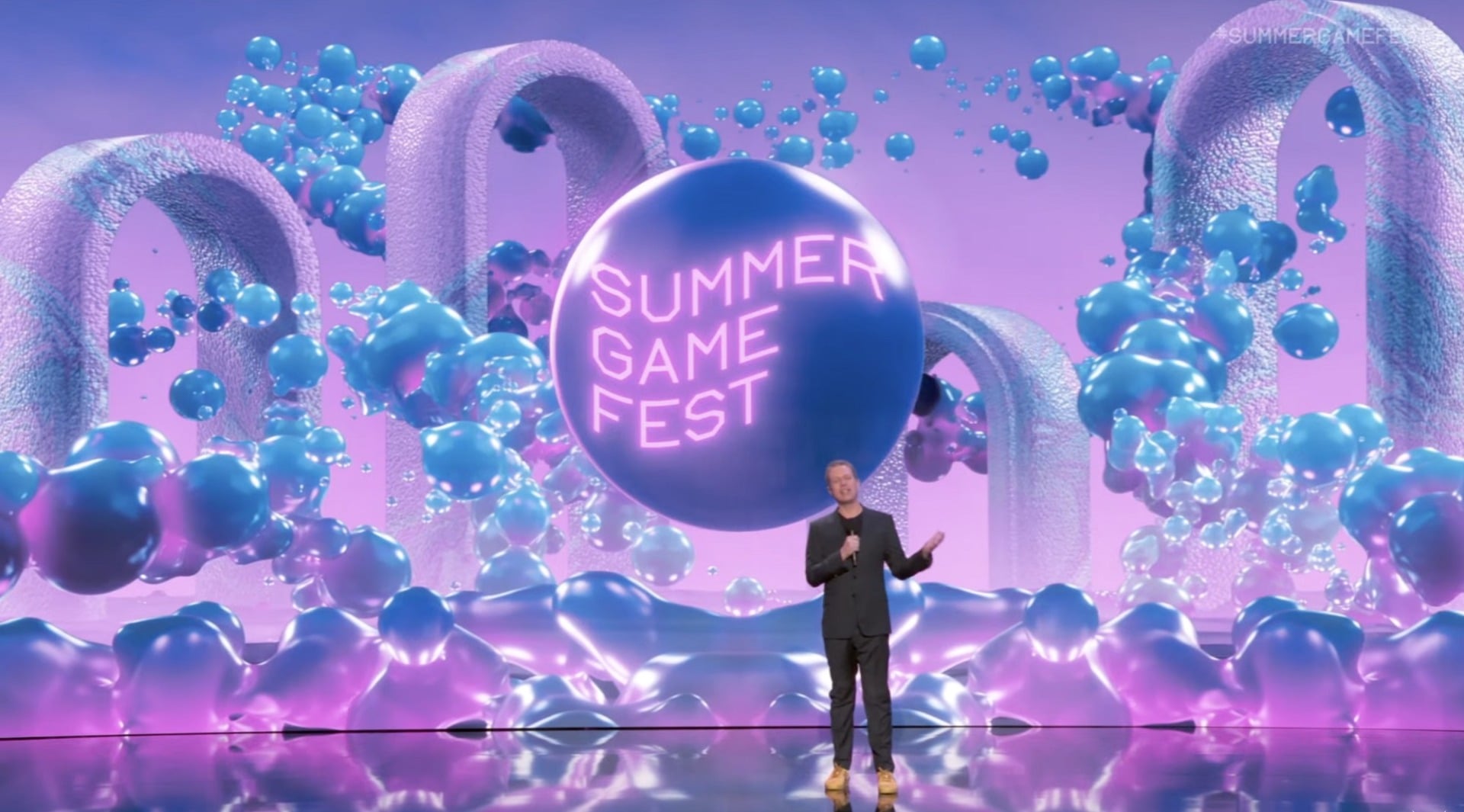
The annual summer gaming season is upon us, and it's kicking off with a bang! What used to be known simply as E3, the massive gaming trade show, has evolved into something much broader and more accessible. Today, we call it "Not-E3," a collection of exciting online showcases, announcements, and deep dives from the biggest names in the gaming world, including PlayStation, Xbox, and many others. This week marks the beginning of this thrilling period, bringing a cascade of new game reveals, release dates, and updates directly to players worldwide.
For years, E3 was the undisputed king of gaming announcements. Developers and publishers would flock to Los Angeles, setting up elaborate booths and hosting grand press conferences to unveil their latest creations. The energy was electric, the anticipation palpable. However, as the digital age advanced and the way we consume information changed, the need for such a centralized, expensive event began to wane. Companies realized they could reach their audience directly through live streams, pre-recorded presentations, and social media, often with greater control over their message and at a fraction of the cost. This shift paved the way for the "Not-E3" phenomenon, a decentralized celebration of gaming that spreads the excitement across several weeks rather than confining it to a single event.
This new approach offers a fresh take on how we experience gaming news. Instead of a single, overwhelming week, we get a series of focused events, each with its own flavor and set of surprises. From PlayStation's polished presentations to Xbox's Game Pass-centric showcases and the broad umbrella of the Summer Game Fest, there's a constant stream of information to keep gamers on the edge of their seats. This period is a treasure trove for anyone eager to see what's coming next in the world of interactive entertainment, promising everything from massive blockbuster titles to innovative indie gems. Let's dive deeper into what makes "Not-E3" such an exciting and essential time for the gaming community.
The Evolution of Gaming Showcases: From E3 to "Not-E3"
To truly understand "Not-E3," it's important to look back at its predecessor, the Electronic Entertainment Expo (E3). For decades, E3 was the pinnacle of gaming events, a place where industry giants made their biggest announcements, and journalists scrambled to get the first look at upcoming games. It was a spectacle of lights, sound, and groundbreaking reveals that shaped the gaming landscape year after year. Developers would spend months preparing their demos, trailers, and stage presentations, all for those crucial moments in the spotlight.
However, the gaming industry, like technology itself, is constantly evolving. The internet brought direct-to-consumer communication channels, making traditional middlemen less necessary. Publishers like Nintendo pioneered the "Nintendo Direct" format, delivering pre-recorded updates directly to their fans without the need for a physical show. Sony followed suit with "State of Play" and larger "PlayStation Showcases," offering focused glimpses into their upcoming titles. Microsoft embraced its own "Xbox Games Showcases," often tying them directly to its popular Game Pass subscription service. These events proved to be highly effective, allowing companies to control their narrative, save immense costs associated with E3, and reach a global audience instantly.
The nail in E3's coffin wasn't a single blow but a gradual decline. Major publishers started opting out, citing high costs and diminishing returns. The COVID-19 pandemic accelerated this trend, forcing physical events to cancel and pushing everything online. While E3 attempted to pivot to digital-only formats, it struggled to replicate its past grandeur. Ultimately, the Entertainment Software Association (ESA), the organization behind E3, announced its permanent cancellation. This left a void, but not an empty one. Instead, it created an opportunity for a more diverse and flexible approach to game announcements, leading to the rise of what we affectionately call "Not-E3."
The Decentralized Landscape: A More Flexible Future
"Not-E3" isn't a single event but rather a season. It's a collection of individual showcases, live streams, and digital presentations strategically placed throughout the summer months, primarily in June. This decentralized model offers several advantages. For publishers, it means less competition for attention on any given day, allowing their announcements to shine brighter. They can schedule their showcases when their games are ready, rather than being beholden to a fixed E3 calendar. For gamers, it means a more consistent stream of news over a longer period, preventing the overwhelming information overload that E3 sometimes created. It also makes the content more accessible, as everything is streamed online, often for free, meaning anyone with an internet connection can tune in from anywhere in the world.
This new era is characterized by an exciting variety of content. We get the big-budget presentations from first-party studios like PlayStation and Xbox, alongside showcases dedicated to indie games, PC titles, and specific genres. This inclusive approach ensures that nearly every type of gamer has something to look forward to. It fosters a sense of ongoing excitement, transforming a single industry event into a prolonged celebration of gaming innovation and creativity.
PlayStation's Vision: State of Play and PlayStation Showcase
Sony Interactive Entertainment, the powerhouse behind PlayStation, has meticulously crafted its own rhythm for announcing new games and updates. Their strategy involves two primary formats: the more frequent "State of Play" events and the less common, but much anticipated, "PlayStation Showcases." This dual approach allows them to keep fans regularly updated while reserving their biggest bombshells for grander reveals.
State of Play: Focused Updates for Dedicated Fans
State of Play presentations are typically shorter, often lasting between 20-40 minutes, and focus on specific topics. These might include deep dives into a handful of previously announced games, updates on PlayStation VR2 titles, or reveals of upcoming third-party games heading to PlayStation platforms. They serve as excellent touchpoints for fans, providing a steady stream of information without the pressure of a massive, multi-hour event. For example, a State of Play might feature extended gameplay footage of a hotly anticipated title like "Marvel's Wolverine," offer new details on the multiplayer component of "The Last of Us Part II," or showcase several exciting indie titles poised to launch on PS5 and PSVR2. These events are crucial for maintaining momentum and keeping the PlayStation community engaged between larger announcements.
PlayStation Showcase: The Grand Stage for Big Reveals
When Sony wants to make a splash, they host a "PlayStation Showcase." These are longer, more elaborate productions designed to unveil major first-party titles, introduce brand-new intellectual properties (IPs), and highlight significant partnerships with third-party studios. A PlayStation Showcase is where fans might expect to see the next big exclusive from Naughty Dog, Insomniac Games, or Santa Monica Studio. Imagine a new trailer for a sequel to "God of War," the first gameplay reveal of a completely new game from a beloved studio, or perhaps even a tease for the next iteration of PlayStation hardware. These showcases are carefully orchestrated to generate maximum hype, often concluding with a "one more thing" moment that leaves the internet buzzing for days.
For the current "Not-E3" season, PlayStation will undoubtedly leverage one or both of these formats. Speculation often runs wild about what could be revealed. Could we finally get a release date for "Marvel's Wolverine"? Will there be an update on "Death Stranding 2" or a new game from PlayStation's acquired studios like Bungie or Haven Studios? The beauty of their measured approach is that they can drop these announcements at any time, keeping fans guessing and ensuring that each reveal feels impactful and well-timed. PlayStation's strategy underscores a move towards quality over quantity, delivering curated experiences that resonate deeply with their dedicated player base.
Xbox's Strategy: Game Pass and a World of First-Party Titles
Microsoft's Xbox division has carved out a distinct identity in the gaming world, primarily centered around its industry-leading subscription service, Xbox Game Pass, and its expansive portfolio of first-party studios. The "Not-E3" season is a crucial time for Xbox to reinforce its commitment to Game Pass and showcase the incredible breadth of games coming to the platform, often on day one.
Xbox Games Showcase: The Power of Game Pass
The annual Xbox Games Showcase is typically one of the highlights of the summer gaming period. It's a meticulously produced event designed to present new titles from Xbox Game Studios, Bethesda Softworks, and Activision Blizzard (following Microsoft's major acquisition), as well as significant third-party partnerships. The recurring theme throughout these showcases is almost always "available Day One with Xbox Game Pass," highlighting the immense value proposition of the subscription service. This message resonates deeply with players who appreciate getting access to a vast library of games, including new releases, without additional upfront costs.
During a typical Xbox Games Showcase, fans can expect a torrent of information. We're likely to see extended gameplay footage from highly anticipated titles like "Fable," "Perfect Dark," "Avowed," or "State of Decay 3." There could be brand-new game announcements from various studios under the Xbox umbrella, perhaps a new fantasy RPG from Obsidian Entertainment, a fresh take on a classic IP from The Coalition, or an unexpected reveal from the recently integrated Activision Blizzard teams. Updates on major projects like "Indiana Jones and the Great Circle" from MachineGames are also highly probable, offering a closer look at gameplay mechanics, story elements, and character details.
Beyond First-Party: Expanding the Ecosystem
While first-party games are a major draw, Xbox also uses its showcase to highlight significant third-party titles that will be joining Game Pass or launching on Xbox platforms. These partnerships are vital for demonstrating the console's appeal beyond its own studios. Furthermore, the integration of acquired studios, such as the teams behind "Call of Duty" and "World of Warcraft," into the Xbox ecosystem opens up a world of possibilities for future announcements and exclusive content that will undoubtedly be featured in these summer events. The strategy is clear: provide an unparalleled gaming library through Game Pass, supported by a continuous stream of high-quality first-party and partner titles.
Xbox's approach during the "Not-E3" period is not just about showing games; it's about building an ecosystem. It’s about convincing players that Xbox is the best place to play, whether on console, PC, or through cloud streaming. Their showcases are a direct appeal to their community, showcasing the fruits of their investments in studios and technology, and solidifying Game Pass as the central pillar of their gaming identity.
Summer Game Fest: The Central Hub of "Not-E3"
While "Not-E3" is a decentralized collection of events, if there's one figure who has stepped up to provide a sense of cohesion and a central kick-off point, it's Geoff Keighley. His brainchild, the Summer Game Fest (SGF), has rapidly become the unofficial "main stage" for the summer gaming season, offering a high-profile platform for numerous publishers and developers to showcase their work.
Geoff Keighley's Vision: A Curated Experience
Geoff Keighley, known for his work on The Game Awards, has leveraged his extensive industry connections and passion for gaming to create Summer Game Fest. SGF isn't a replacement for E3 in the traditional sense; rather, it acts as an anchor for the broader "Not-E3" period. The SGF "Kickoff Live!" show, often held at the very start of June, functions as a high-energy live presentation filled with world premieres, exclusive reveals, and interviews with developers. It sets the tone for the weeks to follow, giving audiences a taste of the excitement to come.
What makes SGF so effective is its ability to bring together a diverse range of announcements under one banner. While PlayStation and Xbox host their own dedicated showcases, many other publishers, both large and independent, choose to debut their trailers and news during SGF. This creates a powerful shared moment that draws massive viewership and attention. Imagine seeing the first trailer for a new horror game from Bloober Team, an update on a beloved Japanese RPG, or a surprising indie title that captures everyone's imagination, all within the span of an hour or two. Keighley's charisma and deep understanding of what gamers want to see make these shows compelling viewing.
More Than Just a Kickoff: A Month-Long Celebration
Beyond the initial Kickoff Live! show, Summer Game Fest extends its influence throughout the month, often providing additional segments and interviews. It also serves as a promotional platform for other independent showcases that happen around the same time, such as the PC Gaming Show, the Future Games Show, and various developer-specific streams. This helps to create a coherent narrative for the summer, guiding viewers through the many different announcements and ensuring that no major reveal goes unnoticed.
SGF also emphasizes community engagement. It often features fan Q&A sessions, behind-the-scenes looks at game development, and opportunities for players to connect with their favorite creators. This focus on direct interaction and transparency further solidifies its role as a vital component of the modern gaming announcement landscape. For many, Summer Game Fest has become the true spiritual successor to the excitement E3 once offered, but delivered in a format perfectly suited for the digital age.
The "More": Other Key Players and Unmissable Events
While PlayStation, Xbox, and Summer Game Fest capture much of the spotlight, the "Not-E3" season is also enriched by a multitude of other publishers, indie showcases, and platform-specific events. These contributions ensure a truly comprehensive and diverse array of gaming news, catering to every conceivable taste and preference.
Ubisoft Forward: A Glimpse into French Innovation
Ubisoft, the prolific French publisher known for franchises like "Assassin's Creed," "Far Cry," and "Rainbow Six," consistently hosts its "Ubisoft Forward" event during the summer. This showcase is dedicated entirely to their upcoming lineup, offering deep dives into their biggest titles. Gamers can typically expect extensive gameplay demonstrations for new "Assassin's Creed" entries, updates on ongoing live-service games, and potentially the reveal of new IPs. With games like "Star Wars Outlaws" on the horizon, Ubisoft Forward is always a must-watch for fans of open-world adventures and tactical shooters.
Devolver Digital: Unpredictable and Unforgettable
Devolver Digital stands out as one of the most unique publishers in the industry, renowned for its irreverent, satirical press conferences and its curation of quirky, high-quality indie games. Their "Devolver Direct" shows are less about serious business and more about entertainment, often featuring bizarre skits, meta-commentary, and unexpected twists. Beneath the humor, however, lies a consistent stream of excellent indie game announcements, making their showcase a perennial favorite for those seeking something different and delightfully weird.
Annapurna Interactive Showcase: Artistic Indie Gems
Annapurna Interactive has built a reputation for publishing critically acclaimed, artistically driven indie games such as "What Remains of Edith Finch," "Stray," and "Outer Wilds." Their annual showcase is a celebration of unique storytelling, innovative gameplay, and beautiful aesthetics. It's the perfect event for players who appreciate gaming as an art form and are looking for experiences that push the boundaries of narrative and design. Expect new game reveals that are as thought-provoking as they are entertaining.
PC Gaming Show: The Platform's Premier Event
The PC Gaming Show, typically hosted by PC Gamer, is a dedicated event for all things PC gaming. It features a wide range of announcements, from new hardware and accessories to exclusive reveals for PC titles, mod updates, and discussions with developers. Given the PC's status as a powerhouse platform for both AAA and indie games, this show is essential for anyone who prefers gaming on their computer. It provides a platform for smaller studios and innovative concepts that might not fit into the larger console showcases.
Future Games Show: A Broader Look at What's Next
Hosted by GamesRadar+, the Future Games Show offers another valuable platform for game announcements. It covers a broad spectrum of titles across various platforms, often highlighting emerging trends and showcasing games from both established and up-and-coming developers. It's a great complementary show to the bigger events, often unearthing hidden gems and providing a more curated look at diverse gaming experiences.
And Many More: Indie Spotlights and Specific Developers
Beyond these major players, the "Not-E3" season also includes numerous smaller, yet equally important, showcases. Events like Wholesome Direct focus exclusively on cozy, feel-good games. Individual developers and publishers might host their own short streams to announce specific games or updates. Even Nintendo, though often operating on its own schedule, might drop a "Nintendo Direct" during this period, generating immense excitement for its beloved franchises and innovative hardware. This mosaic of events ensures that every corner of the gaming world gets its moment in the sun, creating a rich tapestry of announcements that captivates a global audience.
Why "Not-E3" Works: Advantages and Lingering Challenges
The transition from a single, monolithic event like E3 to the dispersed "Not-E3" framework brings a host of benefits that resonate with both industry insiders and the global gaming community. However, like any evolving system, it also presents its own unique set of challenges.
Advantages of the Decentralized Approach
One of the primary advantages is **flexibility**. Publishers are no longer forced to conform to a rigid schedule. They can announce games when they are truly ready, ensuring a more polished and impactful reveal. This means less pressure on development teams to hit arbitrary E3 deadlines and more freedom to perfect their presentations.
**Cost-effectiveness** is another significant factor. Setting up a massive booth at a physical E3 event, flying in staff, and hosting lavish parties incurred exorbitant costs. Digital showcases, while still requiring production budgets, are significantly cheaper, allowing publishers to reallocate those funds towards game development or more targeted marketing efforts. This also levels the playing field for smaller developers and indie studios who can now participate in the "Not-E3" conversation without breaking the bank.
The **direct-to-consumer model** is arguably the most impactful benefit. By streaming events directly to Twitch, YouTube, and other platforms, publishers bypass traditional media gatekeepers and speak directly to their audience. This fosters a stronger sense of community and allows for more authentic engagement. Gamers can tune in from anywhere in the world, making the announcements more accessible and inclusive than ever before.
**Tailored content** is another plus. Instead of a one-size-fits-all press conference, companies can create highly specific showcases. PlayStation can focus on console exclusives and PSVR2, Xbox can emphasize Game Pass, and indie shows can highlight niche genres. This ensures that viewers are getting content that is directly relevant to their interests, reducing information overload and increasing engagement.
Finally, the spread-out nature of "Not-E3" leads to a more **sustained period of excitement**. Instead of a single week of intense news, gamers get several weeks of announcements, trailers, and deep dives. This keeps the industry conversation vibrant for longer, allowing each game to have its moment in the spotlight without being immediately overshadowed by another.
Lingering Challenges of the New Format
Despite its many benefits, the "Not-E3" model isn't without its drawbacks. One significant challenge is **event fatigue**. With so many different showcases and streams spread across several weeks, it can be overwhelming for gamers to keep track of everything. This can lead to some excellent games getting lost in the shuffle or viewers simply burning out on announcements.
The **lack of a single, central hub** can also be an issue for some. While Summer Game Fest provides a good anchor, there's no single website or event that consolidates every single announcement. This requires gamers and journalists to actively seek out information from multiple sources, which can be time-consuming.
For those who experienced E3 in its prime, there's also a **missing "magic" of a physical show**. The energy of the convention floor, the hands-on demos, the chance encounters with developers, and the collective awe of thousands of people reacting to a live reveal are hard to replicate purely digitally. While virtual events are convenient, they sometimes lack the raw, human element of a physical gathering.
Finally, the sheer volume of content can lead to **potential for overlapping announcements**. While careful scheduling can mitigate this, it's still possible for two exciting reveals to happen at roughly the same time, forcing viewers to choose which stream to watch live, or simply missing one of them. This can dilute the impact of individual announcements.
Ultimately, the "Not-E3" model is a product of its time, reflecting the changing landscape of the gaming industry. Its advantages largely outweigh its challenges, providing a more accessible, flexible, and often more exciting way for the world to discover what's next in gaming.
The Future of Gaming Showcases: What Lies Ahead?
As the "Not-E3" era continues to evolve, it prompts us to consider what the future holds for gaming showcases. Will this decentralized model persist indefinitely, or will new formats emerge? The industry is dynamic, and how games are announced will continue to adapt to technological advancements and shifting consumer behaviors.
Continued Digital Dominance, Enhanced Engagement
It's highly probable that digital showcases will remain the primary method for game announcements. Their global reach, cost-effectiveness, and flexibility are too significant to ignore. We might see further refinements in how these events are presented. Imagine more interactive streams, where viewers can vote on what gameplay segments they want to see next, or even virtual "booths" that allow for personalized demos through cloud streaming services. The integration of augmented reality (AR) and virtual reality (VR) could also play a larger role, creating immersive experiences for revealing new worlds and characters.
The emphasis on community engagement is also likely to grow. Live chat integrations, direct Q&A sessions with developers, and even fan-created content being featured within official showcases could become more commonplace. Publishers understand that fostering a strong, interactive community is key to long-term success, and these showcases are prime opportunities to build those connections.
The Role of Physical Events: A Different Purpose
While E3 is gone, physical gaming events are far from dead. Conventions like Gamescom in Germany, PAX in the US, and the Tokyo Game Show in Japan continue to thrive, albeit with a different purpose. These events are now less about world premieres and more about community gathering, hands-on experiences, networking, and celebrating gaming culture. They offer a tangible, social dimension that digital events cannot fully replicate. The future might see a harmonious blend: major announcements delivered digitally to a global audience, followed by physical events where fans can get hands-on with those announced games, meet developers, and experience the communal joy of gaming together.
Micro-Showcases and Year-Round Announcements
The trend towards more frequent, smaller announcements outside of the traditional "summer window" is also likely to accelerate. Companies might host "micro-showcases" or drop trailers throughout the year, ensuring a steady drumbeat of news rather than concentrating everything into a few weeks. This strategy keeps their audience engaged year-round and allows them to highlight specific games or updates at opportune moments, responding to community feedback or market trends more nimbly.
Influencer Marketing and Creator Economy
The influence of content creators and streamers will also undoubtedly grow in game announcements. Publishers are already leveraging popular streamers to reveal games or provide exclusive first looks. This trend is likely to deepen, with creators becoming even more integrated into the announcement process, using their platforms to reach highly engaged audiences in authentic ways. The creator economy offers a powerful, decentralized marketing channel that complements traditional showcases.
In essence, the future of gaming showcases points towards a highly diversified, flexible, and interactive landscape. It will be a world where information is delivered instantly and globally, where communities are actively involved, and where a balance is struck between the convenience of digital and the cherished experience of physical gatherings. The "Not-E3" era isn't just a temporary solution; it's a foundational shift that will continue to shape how we experience the exciting world of video game reveals for years to come.
Get Ready for the Gaming Extravaganza!
As "Not-E3" kicks off this week, we're on the cusp of an incredible journey through the future of gaming. The days of a single, all-encompassing trade show are behind us, replaced by a dynamic, decentralized, and incredibly accessible series of events. From the polished presentations of PlayStation and the Game Pass-driven reveals of Xbox to the central hub of Summer Game Fest and the delightful surprises from countless other publishers and indie studios, there's an abundance of exciting news heading our way.
This period is more than just a marketing blitz; it's a celebration of creativity, innovation, and the shared passion that unites gamers across the globe. It's a testament to how the industry has adapted, using technology to bring announcements directly to you, wherever you are. Whether you're eagerly awaiting a major first-party exclusive, hoping for a surprise indie hit, or simply enjoying the spectacle of cutting-edge game design, the "Not-E3" season promises something for everyone.
So, clear your calendars, bookmark your favorite streaming channels, and get ready to immerse yourself in the biggest gaming announcements of the year. Tune in to the various showcases, engage with your favorite communities, and prepare to be amazed by the incredible worlds, characters, and stories that are about to unfold. The future of gaming is here, and it's never been more exciting or accessible. Let the games begin!
from Kotaku
-via DynaSage
