
Spyro’s Big Comeback Wouldn’t Be Possible Without First Escaping The Call Of Duty Mines
Toys for Bob: Reclaiming Creative Freedom and Returning to Their Roots
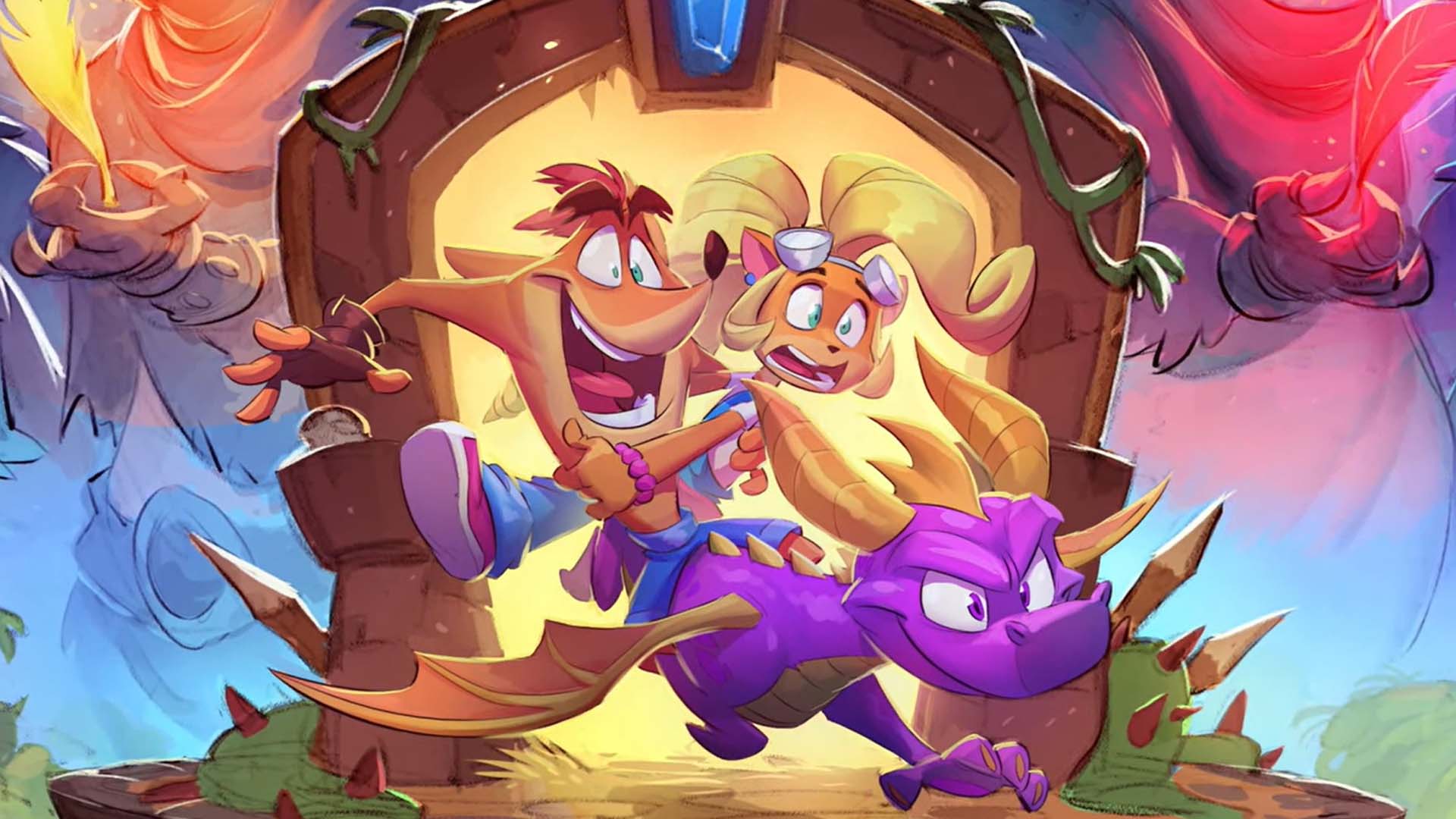
In a move that has sent ripples of excitement through the video game community, Toys for Bob, the esteemed studio behind beloved franchises like Skylanders, Crash Bandicoot N. Sane Trilogy, and Spyro Reignited Trilogy, has announced its independence from Microsoft. This significant decision, confirmed by studio head Paul Yan, marks a pivotal moment for the developer. Yan stated that the driving force behind this separation was a clear desire to "get back to the games we were known for." This declaration hints at a renewed focus on creative freedom and a return to the distinctive, character-driven experiences that have defined Toys for Bob's legacy. For fans and industry observers alike, this shift promises an invigorating chapter for a studio celebrated for its innovation and commitment to crafting engaging worlds.
A Legacy of Innovation: The Journey of Toys for Bob
To truly appreciate the significance of Toys for Bob's newfound independence, it's essential to look back at their remarkable journey within the video game industry. Founded in 1989 by Paul Reiche III and Fred Ford, the studio quickly established a reputation for developing unique and imaginative titles that pushed boundaries. Their early work often showcased a blend of quirky humor, intricate gameplay, and memorable characters, setting them apart in a rapidly evolving landscape.
The Early Years: Pioneering Spirit and Unique Worlds
Toys for Bob's genesis was marked by a spirit of experimentation. Before they became synonymous with beloved mascots, the studio cultivated a loyal following with critically acclaimed titles that demonstrated their versatility and vision. One of their most enduring early successes was the Star Control series. This space combat and exploration franchise, particularly Star Control II, garnered widespread praise for its deep narrative, strategic gameplay, and iconic alien races. It showcased the studio's ability to build expansive universes that resonated with players. Beyond space opera, they also ventured into other genres, demonstrating their adaptability. Titles like Pandemonium!, a vibrant 2.5D platformer, proved their knack for combining innovative visuals with engaging level design. These formative years were crucial in shaping the studio's identity, laying the groundwork for a creative philosophy centered on distinct gameplay and captivating narratives.
The Activision Era: From Toys-to-Life Revolution to Franchise Revitalization
The studio's trajectory took a significant turn when it was acquired by Activision in 2005. While this acquisition brought them under the umbrella of one of the largest publishers in the industry, it also provided Toys for Bob with the resources and platform to achieve unprecedented success and work on some of gaming's most iconic properties.
Skylanders: A Phenomenal Success and Industry Game-Changer
Perhaps the most transformative period for Toys for Bob came with the development of Skylanders: Spyro's Adventure, released in 2011. This innovative title single-handedly created the "toys-to-life" genre, blending physical collectible figures with digital gameplay. Players would place real-world action figures onto a "Portal of Power," bringing their characters to life within the game. This concept was revolutionary, captivating a generation of players and becoming a massive commercial hit. The success of Skylanders wasn't just about its novel mechanics; it was also praised for its charming characters, imaginative world-building, and accessible yet deep gameplay. Toys for Bob continued to helm several successful sequels, including Skylanders: Giants, Skylanders: Swap Force, and Skylanders: Trap Team, cementing their reputation as masters of engaging, family-friendly adventures. The franchise generated billions in revenue and spawned countless imitators, underscoring the studio's profound impact on the industry during this period.
Reviving Beloved Franchises: Crash and Spyro
Following the peak of the Skylanders phenomenon, Toys for Bob was entrusted with the monumental task of reviving two of PlayStation's most iconic platforming mascots: Crash Bandicoot and Spyro the Dragon. This challenge required not just technical skill but also a deep understanding and reverence for the source material, a task at which they excelled brilliantly.
First came the Crash Bandicoot N. Sane Trilogy (2017), a comprehensive remake of the original three Crash games. While another studio, Vicarious Visions, handled the majority of the development, Toys for Bob was a significant contributor, offering support and creative input that ensured the collection stayed true to the spirit of the originals while introducing modern visuals and quality-of-life improvements. The trilogy was a resounding success, reigniting interest in the beloved marsupial and demonstrating the demand for classic platforming experiences.
This success paved the way for Toys for Bob to take the lead on the Spyro Reignited Trilogy (2018). This project was a labor of love, recreating all three original Spyro games from the ground up with stunning new graphics, enhanced audio, and meticulous attention to detail. Fans lauded the trilogy for its faithfulness to the originals, its vibrant art style, and its ability to perfectly capture the magic of Spyro for both returning fans and a new generation of players. It further solidified Toys for Bob's reputation as a studio capable of handling cherished legacy IPs with the utmost care and delivering exceptional results.
Their work on these remakes ultimately led to the development of an entirely new entry in the series, Crash Bandicoot 4: It's About Time (2020). This game was a true testament to Toys for Bob's creative prowess, offering a direct sequel that honored the series' challenging platforming roots while introducing fresh mechanics, new characters, and a gorgeous art style. It was critically acclaimed as a worthy continuation of the franchise, showcasing that Toys for Bob wasn't just adept at remaking classics but also at expanding upon them with innovation and respect.
The Shift to Call of Duty Support
Despite their proven track record with character-driven action and platforming games, the winds of corporate strategy began to shift at Activision. Following the release of Crash Bandicoot 4, Toys for Bob found itself increasingly tasked with supporting the colossal Call of Duty franchise. This meant a departure from their signature style of game development, as they contributed to titles like Call of Duty: Warzone and Call of Duty: Modern Warfare II. While undoubtedly demonstrating their technical versatility and ability to work on large-scale projects, this shift was seen by many, including likely members of the studio, as a move away from the creative endeavors they were "known for." It represented a period where their unique artistic voice was somewhat subdued in favor of contributing to a massive, established franchise, leaving fans yearning for their original creations.
The Microsoft Acquisition and Lingering Uncertainty
The next major development in Toys for Bob's story came with the monumental acquisition of Activision Blizzard by Microsoft in 2023. This deal, valued at nearly $69 billion, brought an immense roster of studios and intellectual properties under the Xbox Game Studios umbrella. While the acquisition promised stability and vast resources, it also introduced a period of uncertainty for many of the acquired studios, including Toys for Bob. The gaming industry watched closely to see how Microsoft would integrate these new teams and what their future roles would be. For Toys for Bob, still primarily contributing to Call of Duty, the question of whether they would ever return to their roots loomed large amidst the corporate restructuring.
The Decision to Break Free: Why Independence Matters for Toys for Bob
The announcement of Toys for Bob's independence, therefore, isn't just another industry headline; it's a powerful statement. Paul Yan's quote, "get back to the games we were known for," succinctly encapsulates a deeper yearning for creative autonomy and a return to the studio's core identity. This decision was likely born from a combination of passion, a strategic vision for their future, and the inherent challenges of operating within a giant corporate structure.
Paul Yan's Vision: The Call of Creative Freedom
The desire to "get back to the games we were known for" speaks volumes. For a studio with a history of creating original, imaginative worlds and successfully revitalizing beloved franchises, being relegated to support roles on a different genre can be creatively stifling. Creative freedom is often the lifeblood of game development studios. It allows developers to chase innovative ideas, take risks, and pour their passion into projects that truly resonate with their vision. Under a large publisher, strategic decisions are often made at a higher level, sometimes prioritizing market trends or established franchises over the unique creative aspirations of individual studios. By going independent, Toys for Bob can now chart its own course, choose its own projects, and cultivate an environment where artistic expression is paramount. This move suggests a belief that their best work emerges when they have direct control over their destiny and the types of games they develop.
The Benefits of Independence: Flexibility, Innovation, and Direct Connection
Independence brings a multitude of advantages for a studio like Toys for Bob. Firstly, it offers unparalleled **flexibility**. Without the layers of corporate bureaucracy, they can make decisions faster, pivot on ideas more easily, and adapt to market changes or creative impulses without extensive approvals. This agility can be crucial for innovation.
Secondly, independence fosters a stronger focus on **innovation and new IP**. While they might return to spiritual successors of their beloved platformers, being independent also opens the door to completely new intellectual properties. They are no longer bound by publisher directives to work on specific existing franchises, allowing them to truly explore novel concepts and potentially create the next big thing from scratch. The industry has seen many successful independent studios thrive by carving out niches with fresh ideas.
Finally, independence allows for a more **direct connection with their community**. Without a large publisher as an intermediary, Toys for Bob can engage directly with their fans, gather feedback, and build a relationship based on shared passion. This direct line of communication can lead to more responsive development and a stronger sense of community ownership over their games.
The Challenges of Independence: A Calculated Risk
While appealing, independence is not without its significant challenges. The most prominent is the financial aspect. Independent studios often face increased pressure regarding **self-funding**, **marketing**, and **distribution**. They no longer have the deep pockets of a mega-corporation to rely on for project funding, global marketing campaigns, or established distribution channels. This means every decision carries more weight, and careful financial planning becomes critical.
Furthermore, there's **increased risk**. Without a diversified portfolio of games or the safety net of a parent company, the success or failure of a single project can have a much more profound impact on the studio's future. Toys for Bob will need to navigate these waters carefully, balancing their creative ambitions with sound business strategies. However, given their extensive experience, proven talent, and the established fan base for their particular brand of games, it's a calculated risk they appear confident in taking.
What Does "Getting Back to the Games We Were Known For" Truly Mean?
Paul Yan's statement is the most tantalizing part of this announcement. It invites speculation and excitement, but what specifically can we expect from an independent Toys for Bob? Given their history, several avenues seem plausible, all pointing towards a rejuvenation of their unique game development philosophy.
A Return to Platformers and Collectible Adventures
The most obvious interpretation is a return to their forte: **vibrant, character-driven platformers and collectible adventures**. Toys for Bob's expertise in this genre is undeniable, demonstrated by their work on Skylanders, Crash Bandicoot 4, and the Spyro Reignited Trilogy. Fans have long clamored for new entries in these styles, and it's where the studio has consistently shone.
- Spiritual Successors: While they might not immediately regain the licenses for Crash or Spyro, they could develop new IPs that capture the same spirit. Imagine a new 3D platformer with a quirky protagonist, engaging movement mechanics, and a world brimming with secrets to uncover. This allows them to apply their proven design principles to a fresh universe.
- Evolved Collectible Gameplay: Could they revisit the "toys-to-life" concept in a digital-only format, perhaps integrating robust character customization or progression systems that offer a similar sense of ownership without the physical toys? This could innovate on the ideas that made Skylanders so successful.
- Focus on Narrative and Charm: Their best games always combined satisfying gameplay with charming stories and memorable characters. Expect a strong emphasis on personality, humor, and engaging narratives that draw players into their worlds.
Innovation and New IP: Beyond the Familiar
While a return to platforming is likely, "getting back to the games we were known for" doesn't necessarily mean solely revisiting past genres. It could also mean a renewed focus on **innovation and developing entirely new intellectual properties**, imbued with the distinctive "Toys for Bob" touch.
Their early work on Star Control demonstrated their ability to tackle different genres with creativity. Independence provides the perfect environment to brainstorm and prototype audacious new ideas that might not fit neatly into a publisher's portfolio. This could manifest as:
- Genre Blending: Combining elements of platforming with other genres like puzzle-solving, light RPG mechanics, or even unique combat systems.
- Experiential Games: Focusing on unique player experiences, perhaps leveraging emergent gameplay or novel interaction methods.
- Narrative-Driven Adventures: Crafting games with a strong emphasis on storytelling, character development, and emotional resonance, areas where they've always excelled.
The key here is that any new venture would carry their signature polish, creative vision, and commitment to player enjoyment, irrespective of the genre.
A Renewed Focus on Creativity and Polish
Ultimately, what Toys for Bob is "known for" extends beyond specific genres to their core development philosophy. This includes:
- High Quality and Polish: Their games, whether original or remade, consistently exhibit a high level of polish, attention to detail, and robust technical execution.
- Artistic Vision: A unique, often colorful and whimsical, art style that brings their worlds and characters to life.
- Player-Centric Design: Games that are fun, accessible yet challenging, and designed with the player experience at their forefront.
- Team Cohesion: A studio culture that fosters creativity and collaboration, which is often easier to maintain in an independent setting.
By stepping away from the demands of a massive franchise like Call of Duty, Toys for Bob can once again devote their full creative energy and resources to crafting experiences that embody these qualities, regardless of what form they ultimately take.
The Future of Toys for Bob: An Optimistic Outlook
The road ahead for an independent studio is always challenging, but for Toys for Bob, the future appears bright and full of potential. Their storied history, proven talent, and clear vision for their creative direction provide a strong foundation.
Potential Partnerships and Collaboration
While independent, it's highly likely that Toys for Bob will seek publishing partnerships for distribution and marketing. This doesn't detract from their independence; rather, it's a common and practical approach for many successful indie studios. They could collaborate with major players like Sony (for PlayStation), Nintendo, or even Xbox (for PC and other platforms) in a different capacity than before. Such partnerships would allow them to focus on development while leveraging established networks to reach a global audience. The key difference now is that Toys for Bob will be choosing their partners and terms, rather than being dictated by a parent company.
Meeting Fan Expectations and Building Community
The excitement from fans following this announcement is palpable. Social media is abuzz with theories and hopes for new Crash, Spyro, or entirely new adventures. Toys for Bob will be acutely aware of these expectations. By engaging openly with their community, perhaps through dev blogs, social media updates, or even early access programs, they can build anticipation and ensure their next projects resonate deeply with their dedicated fanbase.
A Broader Industry Trend?
Toys for Bob's move also reflects a broader trend within the gaming industry. As consolidation continues with major acquisitions, there's an increasing desire among talented developers for creative autonomy. We've seen other studios, like Bungie's move from Microsoft to independence before partnering with Sony, demonstrate the value of controlling one's destiny. This trend highlights a fundamental truth: while large corporations offer resources, true innovation and passionate game development often flourish best in environments where creators have the freedom to follow their artistic instincts. Toys for Bob's independence serves as a compelling example for other studios contemplating a similar path.
Conclusion: A New Chapter for a Beloved Studio
Toys for Bob's decision to buy back their independence from Microsoft marks a truly exciting new chapter for the veteran studio. Under the renewed leadership of Paul Yan, and driven by a clear mission to "get back to the games we were known for," the potential for creative resurgence is immense. From their early days of pioneering Star Control to revolutionizing the industry with Skylanders and expertly reviving iconic characters like Crash and Spyro, Toys for Bob has consistently demonstrated a unique blend of imagination, technical prowess, and a deep understanding of what makes games fun.
This return to independence signifies more than just a change in ownership; it represents a recommitment to their core values: creative freedom, innovative gameplay, and the meticulous craftsmanship that has endeared them to millions of players worldwide. While the challenges of navigating the independent landscape are real, the studio's rich history, seasoned talent, and clear artistic vision position them for success. Fans can now eagerly anticipate a future where Toys for Bob once again unleashes their full creative potential, delivering the distinctive, charming, and endlessly enjoyable experiences that have defined their celebrated legacy. The video game world waits with bated breath to see what magical new adventures an unchained Toys for Bob will craft next.
from Kotaku
-via DynaSage
