
Nintendo Might Be Making Its Biggest, Most Costly Mistake
The Missing Mario: How Nintendo's 3D Silence is Costing Billions
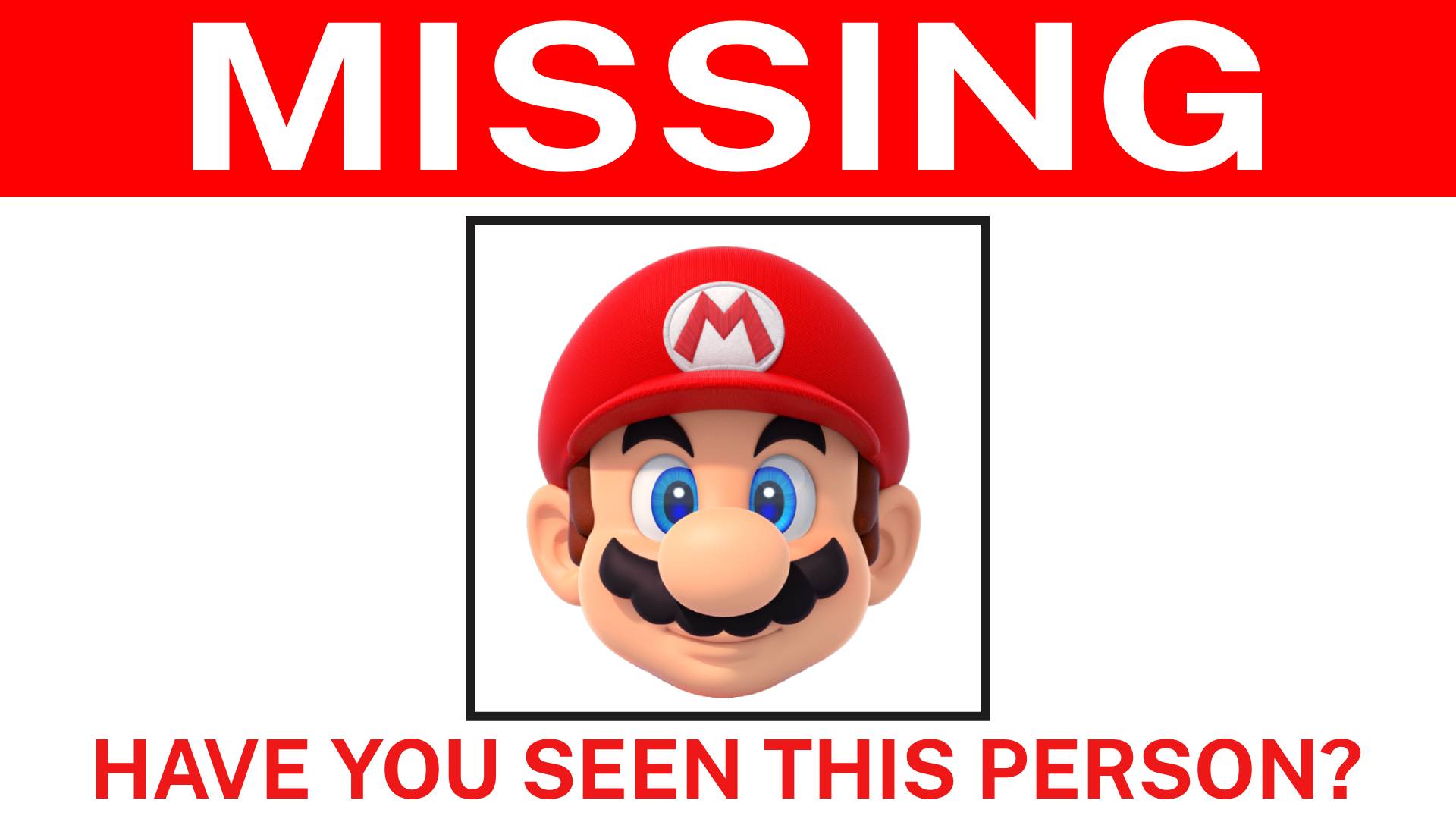
In the fast-paced world of video games, even titans can stumble. For Nintendo, a company synonymous with innovation and beloved characters, a glaring omission in its recent release schedule has triggered a significant decline in its financial standing. Specifically, the conspicuous absence of a new mainline 3D Mario game announcement has been linked to a staggering reduction of one-third of the company's market value over the past year. This isn't just a concern for avid fans eagerly awaiting their next adventure with the iconic plumber; it's a serious signal to investors and the wider gaming industry about the strategic direction, or lack thereof, from one of gaming's most influential players.
For decades, 3D Mario games have represented the pinnacle of Nintendo's creative prowess, pushing the boundaries of what's possible in interactive entertainment. From the revolutionary open-world design of Super Mario 64 on the Nintendo 64 to the cosmic wonder of Super Mario Galaxy on the Wii, and the joyous exploration of Super Mario Odyssey on the Nintendo Switch, each new entry has redefined platforming, showcased cutting-edge console capabilities, and captivated millions worldwide. These aren't just games; they are system sellers, critical darlings, and cultural touchstones that consistently drive interest in Nintendo's hardware and ecosystem. The market's reaction to their absence suggests that investors view these titles not merely as profitable releases, but as fundamental pillars of Nintendo's overall health and future prospects.
The Unmistakable Power of 3D Mario
To truly understand the depth of this financial fallout, one must appreciate the unique position 3D Mario holds within Nintendo's extensive portfolio. Unlike many other successful franchises, a new 3D Mario game is almost guaranteed to be a critical darling, earning perfect or near-perfect scores from reviewers globally. This critical acclaim translates directly into massive sales figures. For instance, Super Mario Odyssey, released in 2017, has sold over 27 million copies, making it one of the best-selling games on the Nintendo Switch and a primary driver for console adoption during its crucial early years. These games don't just sell well; they create buzz, excitement, and a sense of "must-have" urgency that few other titles can replicate.
Beyond raw sales, 3D Mario titles are often technological showcases for Nintendo's hardware. Super Mario 64 famously demonstrated the potential of 3D analog control and camera manipulation. Super Mario Sunshine pushed the graphical capabilities of the GameCube. Super Mario Galaxy brilliantly utilized the Wii's motion controls and introduced innovative spherical level design. Each iteration has been a masterclass in game design, demonstrating Nintendo's commitment to innovation and setting new benchmarks for the industry. When a new console is on the horizon, or even during the middle of a console's life cycle, a 3D Mario game serves as a clear statement: "This is what our hardware can do, and this is the kind of unparalleled joy you can expect." The current silence sends a different message altogether.
Furthermore, 3D Mario adventures often resonate deeply with both long-time fans and newcomers. Their universal appeal, creative level design, and polished gameplay make them accessible to a wide audience, from casual players to hardcore enthusiasts. This broad appeal ensures maximum market penetration and continued engagement with the Nintendo brand. The anticipation alone for a new 3D Mario can generate enormous media coverage and social media discussion, serving as invaluable, organic marketing that builds hype months before release. Without this tentpole title on the immediate horizon, Nintendo's marketing engine, particularly for its console business, appears to be running on fewer cylinders.
A Shrinking Empire: The Financial Fallout
The claim that Nintendo's market value has been "wiped out a third" over the past year due to this specific issue is a stark warning. Market value, or market capitalization, is calculated by multiplying a company's stock price by the total number of its outstanding shares. A significant drop in this figure reflects a loss of investor confidence, driven by concerns about future growth, profitability, and overall strategic direction. For Nintendo, a company with a strong track record of financial success, such a decline is alarming and signals a fundamental problem from an investor's perspective.
Investors look for a clear pipeline of strong, reliable products that can sustain revenue and profit growth. While Nintendo has other incredibly successful franchises like The Legend of Zelda, Pokémon, and Animal Crossing, and has recently diversified into films (like The Super Mario Bros. Movie) and theme park attractions, the absence of a new 3D Mario game leaves a noticeable gap. These other ventures, while profitable, often don't carry the same weight in driving console sales in the same direct and immediate way a flagship 3D Mario platformer does. Investors might be interpreting the lack of an announcement as either a lack of foresight, a stalled development cycle, or a strategic misstep that fails to capitalize on one of their most powerful assets.
The gaming industry is highly competitive, with companies like Sony and Microsoft consistently announcing and releasing high-profile, exclusive first-party titles to drive their console sales and subscription services. In this landscape, a lull in major, system-defining releases from Nintendo can make it appear less competitive or less appealing to potential investors seeking steady growth. The expectation from the market is that Nintendo, as a leader, should be consistently pushing its flagship IPs forward, especially during key periods of the console lifecycle or when a successor console might be on the horizon. The one-third reduction in value indicates that the market believes Nintendo is currently failing to meet these expectations, and the iconic plumber is very much at the heart of that perceived failure.
Nintendo's Current Playbook: What They Are Doing (and Why It Isn't Enough)
It's not as if Nintendo has been idle. The company has continued to support the Nintendo Switch with a steady stream of games, including critical and commercial successes like The Legend of Zelda: Tears of the Kingdom. Their strategy has also expanded significantly beyond traditional video games. The Super Mario Bros. Movie was a monumental box office success, demonstrating the immense global appeal of their characters and brand. Universal Studios Japan and Hollywood have opened Super Nintendo World attractions, further cementing Mario's status as a global entertainment icon. These diversification efforts are strategically sound and contribute significantly to Nintendo's overall revenue and brand visibility.
However, from the perspective of an investor primarily focused on the core video game business and hardware sales, these successes, while welcome, do not directly compensate for the perceived void left by a missing 3D Mario. Movies and theme parks tap into different revenue streams and audience segments. They enhance brand recognition, but a new 3D Mario game directly fuels console sales, drives digital purchases, and showcases the cutting-edge capabilities of Nintendo's gaming division. As the Nintendo Switch console nears its seventh year on the market, the natural sales curve for hardware begins to decline. A new, innovative 3D Mario title would be the perfect catalyst to either reinvigorate existing Switch sales or, more likely, act as a launch title or early-window release for a potential next-generation console, reigniting excitement and consumer demand.
The success of other IPs, while strong, also doesn't completely fill the gap. While Pokémon games sell incredibly well, they cater to a different genre and audience segment. Zelda titles are epic adventures, but Mario platformers offer a more immediate, universally accessible, and often more family-friendly experience that appeals across a broader demographic. Each of Nintendo's major franchises has its own unique role and impact. The 3D Mario series has historically been the standard-bearer for pure, unadulterated gameplay innovation and console-defining moments. Its absence leaves a distinct void that other successful games, no matter how good, simply cannot occupy.
The Silence and the Speculation: Fan Hopes and Whispers
Beyond the financial analysts and investors, there is a massive community of dedicated fans who are equally perplexed and yearning for news. Online forums, social media platforms, and gaming news sites are rife with speculation, rumors, and discussions about the whereabouts of the next 3D Mario. Every Nintendo Direct presentation is met with hopeful anticipation, only for fans to be left wanting. The emotional investment in the franchise is immense, and the prolonged silence creates a sense of frustration and uncertainty.
Many fans believe that Nintendo is intentionally holding back a new 3D Mario as a killer app for a potential "Switch 2" or next-generation console. This strategy would make sense from a business standpoint, ensuring that their next hardware launch has an undeniable, system-selling exclusive right out of the gate. However, the longer the wait, the more intense the speculation becomes, and the more questions arise about the development status, creative direction, or even potential challenges Nintendo might be facing internally. While silence can build anticipation, prolonged silence can also lead to disengagement and a perceived lack of transparency.
The conversations often revolve around what innovations a new 3D Mario could bring. Will it feature new power-ups? A return to a more open-world structure or a linear level design? How will it utilize potential new hardware features? These discussions highlight not only the love for the franchise but also the expectation that Nintendo will continue to push the envelope. The absence of concrete information creates a vacuum that is filled by rumors and wish lists, indicating a strong, unmet demand that Nintendo has yet to address officially.
More Than Just a Game: The Economic Impact of a Missing Title
The economic impact of a missing flagship title extends far beyond just stock prices. It affects various aspects of Nintendo's business ecosystem. Without a new 3D Mario to promote, accessory manufacturers might see reduced demand for Mario-themed controllers or merchandise. Retailers might see fewer customers drawn into stores specifically for Nintendo products. The ripple effect can be felt throughout the supply chain and consumer market, influencing everything from advertising budgets to manufacturing decisions.
Consider the competitive landscape. When Nintendo doesn't release a major, console-defining game, it creates an opportunity for competitors to capture market share and consumer attention. Sony and Microsoft, with their own impressive lineups of exclusive titles, can gain ground. For a company like Nintendo, which relies heavily on the strength of its first-party software to sell its unique hardware, a gap in its most impactful software pipeline is a strategic vulnerability. It can make forecasting future sales challenging for analysts and lead to more conservative financial projections, further impacting investor sentiment.
Moreover, the perceived innovation lag can affect recruitment and talent retention. Developers often want to work on projects that are at the forefront of technology and game design. If Nintendo is seen as holding back its most innovative titles, or if there's a long period without such announcements, it might make it harder to attract top talent who are looking to make a significant impact on the industry. The health of a gaming company isn't just measured by its current sales, but by its ability to consistently innovate and deliver compelling experiences that attract both consumers and the best creative minds.
Lessons from the Past: Nintendo's History of Innovation and Stumbles
Nintendo's history is a rollercoaster of brilliant successes and surprising missteps, often directly tied to its product strategy. The launch of the Wii, with its revolutionary motion controls, captivated a mainstream audience and propelled Nintendo to unprecedented heights. Similarly, the Nintendo Switch, with its hybrid console concept, defied expectations and became a global phenomenon. In both cases, flagship titles, including Super Mario Galaxy for the Wii and Super Mario Odyssey for the Switch, played crucial roles in demonstrating the hardware's potential and solidifying its appeal.
Conversely, the Wii U era serves as a cautionary tale. Despite having a unique tablet controller and some excellent games, the console struggled immensely. Part of its failure was attributed to a lack of clear communication regarding its identity and, crucially, prolonged droughts between major first-party releases. While the Wii U did eventually get Super Mario 3D World, it arrived relatively late in the console's lifecycle and couldn't single-handedly reverse its fortunes. The lesson from the Wii U is clear: even Nintendo's best games can't save a console if the overall strategy, including release cadence and communication, is flawed.
The current situation, while not as dire as the Wii U's struggles, mirrors a similar pattern of uncertainty for investors and fans. While the Switch has been a runaway success, its lifecycle is now mature. The market expects a clear path forward, whether that's a groundbreaking new game to extend the Switch's life or a tantalizing glimpse into the future of Nintendo hardware accompanied by a must-have launch title. The prolonged absence of a new 3D Mario announcement, therefore, isn't just about one game; it's about the broader perception of Nintendo's strategic vision and its ability to maintain its competitive edge in a constantly evolving industry.
Looking Ahead: The Path to Reclaiming Value and Excitement
So, what can Nintendo do to reverse this trend and regain the lost market value and investor confidence? The answer, ironically, might lie in the very thing causing the problem: a new 3D Mario game. An official announcement, even a teaser, of a forthcoming 3D Mario adventure would likely send a strong positive signal to the market. Such an announcement, strategically timed, could achieve several critical objectives.
Firstly, it would quell investor anxieties about Nintendo's content pipeline and strategic focus. It would demonstrate that Nintendo is actively developing its most valuable IP and has a clear vision for its future. Secondly, if the game is positioned as a launch title or an early release for a new console (e.g., "Switch 2"), it would immediately generate immense hype for the new hardware, ensuring a strong start. This is a tactic Nintendo has successfully employed multiple times in its history, and it remains one of the most effective ways to launch new hardware or revitalize an existing platform.
Furthermore, such an announcement would energize the fan base, rebuilding the excitement and anticipation that has somewhat diminished due to the silence. It would reassure players that Nintendo is still committed to pushing the boundaries of gameplay with its flagship character. The narrative around Nintendo would shift from one of uncertainty and declining value to one of innovation and future potential. The critical element here is not just the game itself, but the timing and messaging of its reveal. Nintendo has a history of grand reveals, and bringing back their most iconic hero in a new 3D adventure would undoubtedly be one of them.
The company also needs to continue its strong communication with the market, clearly articulating its long-term strategy for both hardware and software. While some secrecy is always part of the gaming industry, prolonged silence, especially concerning core franchises, can be detrimental. A more transparent roadmap, even if vague, can help mitigate investor fears and foster greater confidence in Nintendo's leadership. Ultimately, the market craves clarity, and a new 3D Mario could provide that clarity in the most compelling way possible.
Conclusion: The Irreplaceable Hero
The stark reality is that Nintendo's market value has suffered a significant blow, losing a third of its worth in the past year. While many factors can influence stock performance, the direct correlation being drawn to the "stubborn refusal to announce a 3D Mario" highlights the irreplaceable role this franchise plays. 3D Mario games are not just highly profitable titles; they are innovation drivers, console sellers, and powerful brand ambassadors that define Nintendo's unique identity in the global entertainment landscape.
The absence of such a critical tentpole title has created a vacuum of anticipation among fans and a crisis of confidence among investors. While Nintendo continues to innovate in other areas and diversify its business, the core gaming audience and financial markets are clearly sending a message: a new 3D Mario is overdue. Its announcement would not only satisfy millions of waiting fans but, crucially, could act as a powerful catalyst to restore Nintendo's market value, reaffirm its position as an industry leader, and signal a clear, exciting path forward for the beloved company. The ball is now firmly in Nintendo's court, and the world waits to see when their iconic plumber will next leap into a groundbreaking new dimension.
from Kotaku
-via DynaSage
