
Microsoft CEO Complains About Poor Gaming Profits: ‘There’s More Monetization Of Xbox Games Happening On YouTube’
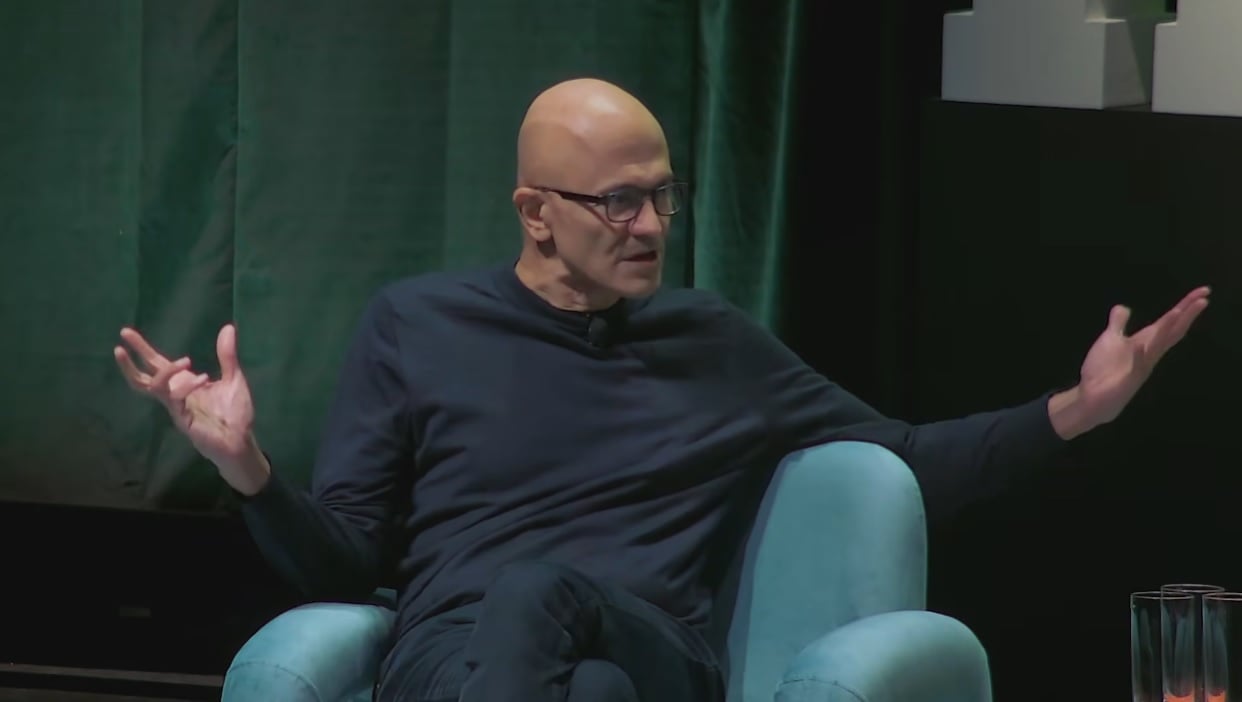
Xbox's New Direction: Understanding Satya Nadella's Call for 'Economically Viable' Growth
In the fast-evolving world of video games, a significant statement from Microsoft CEO Satya Nadella has sent ripples through the industry. Nadella recently emphasized that Xbox must pursue "economically viable growth." This isn't just a corporate buzzword; it's a profound declaration that signals a strategic pivot for Microsoft's gaming division. It means Xbox isn't just aiming for growth at any cost, but rather growth that makes sound business sense, generates sustainable profits, and strengthens its long-term financial health. For gamers, developers, and investors alike, understanding this directive is key to deciphering the future of Xbox.
The gaming landscape is more competitive and diverse than ever. From traditional consoles and powerful PCs to mobile devices and burgeoning cloud streaming platforms, the ways people play games are constantly expanding. In this dynamic environment, every major player, including Xbox, must carefully consider where to invest its resources to get the best return. Nadella's statement underscores a commitment to smart, calculated expansion rather than simply chasing market share without a clear path to profitability. It's about ensuring that every initiative, every game, and every service contributes positively to the bottom line, securing Xbox's position as a robust and enduring force in entertainment.
What Does 'Economically Viable Growth' Truly Mean for Xbox?
At its core, "economically viable growth" means increasing revenue and user base in a way that is financially sustainable and profitable. It’s a shift from purely focusing on gross user numbers or console sales to a more holistic view that considers the profitability of each segment. For Xbox, this involves several crucial aspects:
Beyond Just Console Sales
For a long time, the success of a gaming platform was primarily measured by how many consoles it sold. While hardware sales remain important, Xbox's strategy under Nadella has been moving towards a broader ecosystem. Economically viable growth in this context means acknowledging that selling a console at a loss, hoping to make up for it with game sales, might not always be the most sustainable model. Instead, Xbox is looking to build revenue streams that are less dependent on physical hardware, focusing on services, subscriptions, and software.
Profitability Per User and Service
This approach emphasizes understanding the lifetime value of a customer (LTV) and the cost of acquiring that customer (CAC). Xbox will be scrutinizing its Game Pass subscriptions, game sales, and even microtransactions within games. Each product and service needs to pull its weight financially. If a particular venture, despite attracting many users, costs more to run than it brings in, it might be re-evaluated or scaled back. This focus ensures that the resources invested are generating a healthy return, allowing for further investment in areas that truly thrive.
Strategic Resource Allocation
With massive investments like the Activision Blizzard King (ABK) acquisition, Xbox has significantly expanded its portfolio of studios and intellectual properties. Economically viable growth implies that these resources must be utilized efficiently. This could mean prioritizing projects with higher potential returns, streamlining development processes, or even making tough decisions about less profitable ventures. It's about smart choices regarding where to spend development budgets, marketing funds, and talent, ensuring every dollar spent moves Xbox closer to its profitability goals.
Xbox's Current Landscape: Challenges and Opportunities
To understand why Nadella's statement is so timely, one must look at Xbox's current position within the gaming industry. It's a complex mix of intense competition, significant investments, and evolving market trends.
Fierce Competition
Xbox faces strong rivals in every segment. Sony's PlayStation continues to dominate in traditional console sales, especially in key markets. Nintendo's Switch captures a unique family-friendly and portable market. PC gaming remains a powerhouse, and mobile gaming, now bolstered by Xbox's acquisition of King (Candy Crush), represents the largest segment by revenue. To achieve economically viable growth, Xbox must carve out sustainable advantages in these competitive arenas, whether through unique services, exclusive content, or innovative technological approaches.
The Game Pass Strategy
Game Pass has been Xbox's flagship initiative, often described as the "Netflix of gaming." It offers a vast library of games for a monthly subscription fee, including all first-party titles on day one. While it has been incredibly successful in attracting subscribers and building a loyal community, the profitability of such a model, especially with significant third-party licensing costs, is constantly under review. Economically viable growth means finding the sweet spot where Game Pass continues to attract users and offers immense value, while also ensuring it's a profitable venture for Microsoft. This might involve tiered subscriptions, strategic content additions, or global expansion into markets where the service can gain significant traction.
The Activision Blizzard King Acquisition
The ABK acquisition, costing nearly $69 billion, was a monumental move designed to supercharge Xbox's content library and expand its reach, especially into mobile gaming with King. This acquisition is a prime example of betting big on growth. Now, the challenge is to make this investment economically viable. This means successfully integrating the studios, leveraging popular franchises like Call of Duty, World of Warcraft, and Candy Crush, and ensuring these titles contribute significantly to Xbox's overall revenue, whether through direct sales, Game Pass integration, or mobile monetization.
Hardware vs. Services
Unlike its competitors, Xbox has shown a willingness to decouple its gaming experience from proprietary hardware. While the Xbox Series X|S consoles are crucial, the focus has increasingly shifted to getting Xbox games and services onto as many screens as possible – PCs, mobile phones via cloud gaming (xCloud), and even smart TVs. This strategy aims to expand the addressable market dramatically, moving from hundreds of millions of console owners to billions of device owners. Economically viable growth dictates that this expansion must translate into subscriptions, game purchases, and other forms of monetization that justify the investment in cloud infrastructure and cross-platform development.
Pathways to Sustainable Growth for Xbox
With Nadella's clear directive, Xbox is likely to double down on strategies that promise both growth and profitability. Here are some key areas where we can expect to see increased focus:
Expanding the Game Pass Ecosystem
Game Pass remains central to Xbox's strategy. To ensure its economic viability, Xbox will likely explore new ways to increase its value proposition while managing costs. This could include further integration of ABK titles, exclusive content drops, or even exploring advertising models within certain tiers. Expanding its global reach, particularly in emerging markets where mobile and cloud gaming are prevalent, is also a critical component. By making Game Pass an undeniable value for a broader audience, Xbox can ensure a steady, recurring revenue stream.
Leveraging Cloud Gaming (xCloud)
Cloud gaming is perhaps the most direct route to expanding beyond traditional console demographics. By allowing subscribers to play high-fidelity games on lower-spec devices like phones, tablets, and smart TVs, xCloud removes significant barriers to entry. For economically viable growth, Xbox needs to refine its cloud technology, expand its data center footprint, and ensure a seamless, high-quality streaming experience. The goal is to convert casual mobile users and PC gamers who might not own a console into Game Pass subscribers, thereby expanding the total addressable market for Xbox's services and games.
Dominating Mobile Gaming Through ABK
The acquisition of King gives Xbox an instant and massive presence in the incredibly lucrative mobile gaming market. Integrating popular mobile titles like Candy Crush into the broader Xbox ecosystem, exploring cross-platform progression, and leveraging Microsoft's advertising capabilities could unlock immense revenue potential. The strategy here is not just about bringing console games to mobile, but about understanding and excelling in native mobile game development and monetization. This move directly addresses a market segment that generates billions in revenue annually, making it a critical pillar of economically viable growth.
Strengthening First-Party Content and IP
Exclusive, high-quality games are powerful drivers for any platform. Xbox has invested heavily in its first-party studios, and with ABK, its roster is formidable. Economically viable growth demands that these studios consistently deliver hit titles that not only attract new players but also retain existing subscribers. Strong intellectual properties (IPs) can be leveraged across multiple mediums – games, movies, merchandise – creating diversified revenue streams. Expect Xbox to push its studios to innovate and produce games that stand out, providing compelling reasons for players to commit to the Xbox ecosystem.
Smart Monetization and In-Game Economies
Beyond Game Pass subscriptions and initial game purchases, in-game monetization plays a crucial role in modern gaming. This includes microtransactions, battle passes, cosmetic items, and expansion packs. For Xbox, ensuring these monetization strategies are ethical, player-friendly, and ultimately profitable is key. It's about finding the balance between generating revenue and maintaining player satisfaction, avoiding practices that could alienate the community while still maximizing the economic potential of popular titles.
The Microsoft Vision: Xbox in the Broader Ecosystem
Satya Nadella's vision for Microsoft has consistently centered on cloud computing, artificial intelligence, and building platforms that empower users. Xbox's pursuit of economically viable growth fits perfectly within this larger framework.
Cloud-First Mentality
Xbox's emphasis on cloud gaming aligns directly with Microsoft's strength in Azure, its cloud computing service. By leveraging Azure's global infrastructure, Xbox can scale its cloud gaming services efficiently and cost-effectively. This synergy not only benefits Xbox but also showcases the power and versatility of Azure, reinforcing Microsoft's position as a leading cloud provider. The more Xbox relies on the cloud, the more economically viable its global expansion becomes.
AI Integration
Artificial intelligence is another cornerstone of Nadella's Microsoft. In gaming, AI can revolutionize game development (e.g., procedural generation, intelligent NPCs), enhance player experiences (e.g., personalized content, better matchmaking), and even improve operational efficiencies (e.g., server management, customer support). By integrating AI strategically, Xbox can streamline costs, accelerate innovation, and deliver more engaging products, all contributing to economically sound growth.
Cross-Platform and Cross-Device Experiences
Microsoft thrives on building platforms that are accessible across various devices. Xbox's strategy of being "everywhere" – on consoles, PCs, mobile, and cloud – mirrors this philosophy. The goal is to make it as easy as possible for anyone, anywhere, to access Xbox content, thereby expanding the potential customer base exponentially. This approach reduces reliance on a single hardware cycle and creates a more resilient, diversified business model, aligning perfectly with a desire for sustained economic viability.
Potential Challenges on the Path Ahead
While the strategy for economically viable growth offers clear benefits, its execution is not without hurdles.
Subscription Fatigue
As more and more services adopt subscription models, consumers may experience "subscription fatigue," choosing to limit the number of monthly services they pay for. Xbox needs to ensure Game Pass remains an indispensable offering, constantly delivering fresh content and value that justifies its ongoing cost. This requires continuous investment in new games and strategic partnerships.
High Development Costs and Project Risks
Modern game development is incredibly expensive and time-consuming. Not every project will be a hit, and a few high-profile failures can significantly impact profitability. Economically viable growth means striking a delicate balance between fostering creative innovation and managing the financial risks associated with large-scale game development. This requires robust project management, realistic budgeting, and perhaps a willingness to cancel projects that aren't meeting their targets early on.
Regulatory Scrutiny
Microsoft's aggressive expansion, particularly through acquisitions like ABK, has attracted significant regulatory attention globally. Navigating complex anti-trust laws and ensuring fair competition can be a challenging and costly process. Adhering to these regulations while still pursuing ambitious growth targets is a constant balancing act.
Maintaining Quality and Innovation
As Xbox expands its content and service offerings, maintaining a consistent level of quality across all titles and platforms becomes paramount. Gamers expect polished, innovative experiences. Sacrificing quality for the sake of rapid expansion could backfire, damaging the brand's reputation and long-term economic viability. Xbox must ensure its larger ecosystem can consistently deliver high-quality entertainment.
Conclusion: The Future of Xbox is Smart and Strategic
Satya Nadella's insistence on "economically viable growth" marks a mature and pragmatic phase for Xbox. It acknowledges the need for business discipline in an industry often driven by passion and hype. For Microsoft, it means that Xbox is not just a passion project or a loss leader, but a crucial part of its overall business strategy, expected to contribute meaningfully to the company's financial health. It signals a future where every expansion, every new game, and every service is meticulously evaluated not just for its potential reach, but for its sustainable profitability.
For gamers, this new direction could translate into a more refined and focused Xbox ecosystem. We might see a greater emphasis on quality over quantity in Game Pass, stronger first-party titles designed to be long-term successes, and more seamless cross-platform experiences that broaden access to games without compromising financial returns. The shift from simply "growing" to "growing viably" means Xbox is committing to a future where it is not just big, but also robust, resilient, and enduringly successful in the ever-changing world of interactive entertainment. The journey ahead for Xbox will be one of strategic choices, innovation, and a keen eye on the bottom line, all aimed at building a gaming giant that thrives for decades to come.
from Kotaku
-via DynaSage
