
Leaker: Foldable 'iPhone Ultra' Will Feature Liquid Metal Hinge
The Future Unfolds: Apple's Revolutionary Foldable iPhone with Liquid Metal Hinge Nears Launch
Get ready to witness a monumental shift in smartphone technology! Apple, known for its groundbreaking innovation, is on the cusp of launching its first-ever foldable iPhone. This isn't just another phone; it's a device poised to redefine our interaction with mobile technology. Exciting news from the usually tight-lipped world of Apple development reveals that prototype units of this highly anticipated foldable device are now in the hands of major carriers worldwide for extensive testing. This crucial step signals that the device is nearing its final form and is on track for a commercial debut that many have been eagerly awaiting for years. The heart of this innovation? A truly remarkable and incredibly durable liquid metal hinge, promising a level of reliability and sleekness that only Apple can deliver. This revelation comes from a prominent and often accurate leaker known as "Fixed Focus Digital," whose insights often provide a fascinating glimpse behind Apple's formidable curtain.
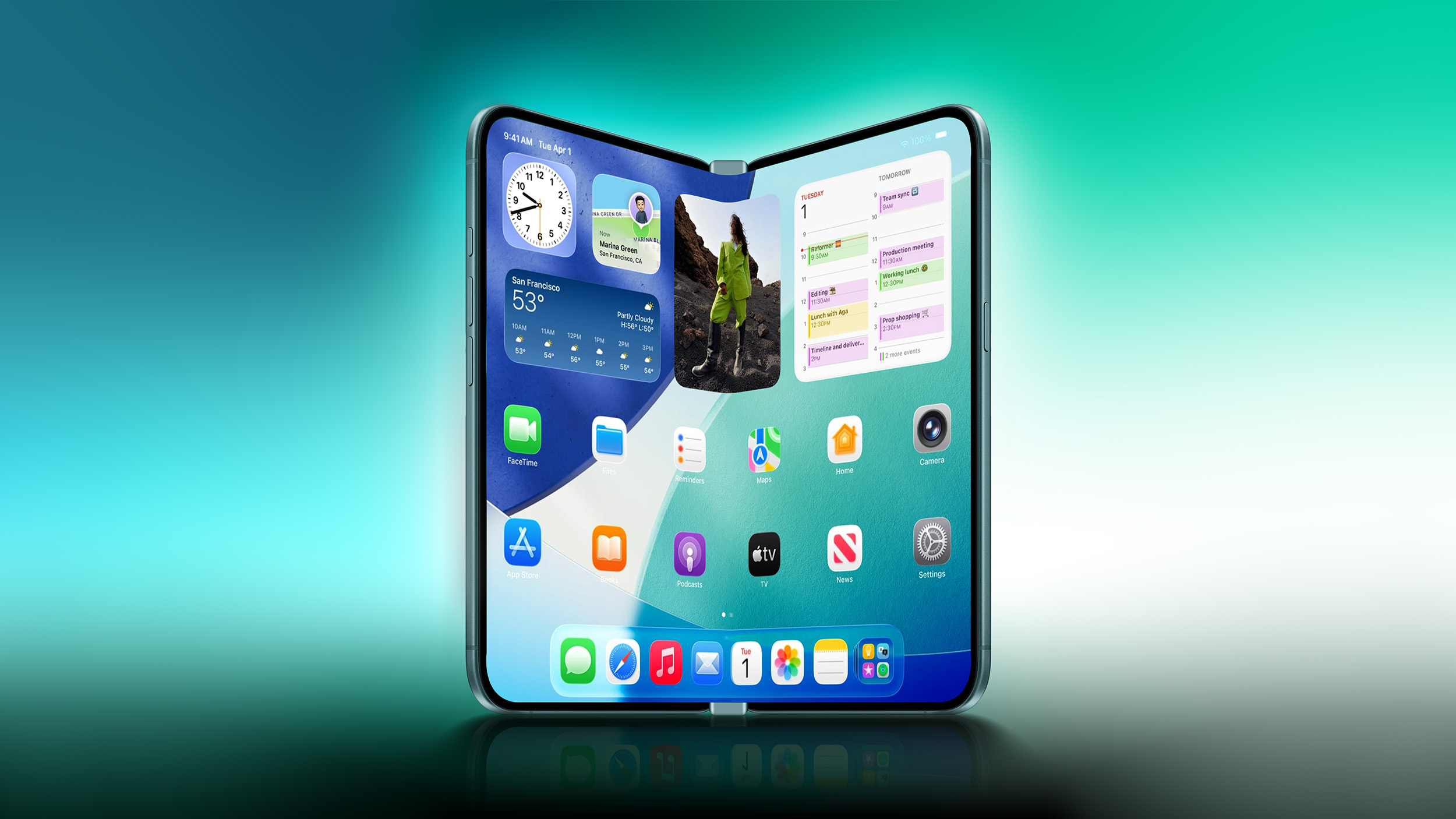
The journey towards a foldable iPhone has been a long one, filled with speculation, patents, and a healthy dose of anticipation. Now, it seems Apple's meticulous development process is truly hitting its stride. In a recent post on Weibo, Fixed Focus Digital shared that all development and production activities related to this groundbreaking foldable device are now "progressing rapidly." This isn't just a vague statement; it indicates that Apple has overcome significant engineering and manufacturing hurdles, moving swiftly towards mass production. This update is particularly noteworthy as it follows closely on the heels of another significant detail shared by the same leaker: the foldable iPhone is rumored to feature advanced vapor chamber cooling. This technology, essential for managing heat in high-performance devices, suggests that Apple is designing its foldable to be not just flexible but also incredibly powerful and capable of handling demanding tasks without compromise. The combination of rapid progress, a revolutionary hinge, and advanced cooling paints a picture of a foldable device that aims to set new industry standards.
The Revolutionary Liquid Metal Hinge: Apple's Engineering Marvel
At the core of any foldable device lies its hinge, the component that enables the magic of folding and unfolding. For Apple’s first foldable iPhone, this hinge is not just a mechanism; it's a testament to advanced material science and precision engineering. The detail about a liquid metal hinge is incredibly significant, especially given the extensive discussions and debates surrounding the device’s production challenges. Earlier reports, particularly from another well-known leaker, "Instant Digital," suggested that manufacturing problems were largely due to the hinge. According to Instant Digital, the hinge was failing Apple’s famously stringent quality control standards during prolonged, high-frequency open-and-close endurance tests. This kind of testing simulates years of usage in a short period, pushing components to their absolute limits. If a hinge couldn't withstand this, it simply wouldn't meet Apple's criteria for durability and reliability.
However, Fixed Focus Digital previously offered a different perspective, arguing that while there were certainly challenges, the hinge was not the primary source of difficulty in the overall production process. This subtle disagreement among leakers highlights the complexity and evolving nature of product development, even for a company as secretive as Apple. Today’s confirmation from Fixed Focus Digital that the foldable iPhone will indeed feature a liquid metal hinge appears to resolve this debate. It strongly suggests that the hinge is now a "resolved and confirmed element of the design." This isn't just a technical win for Apple; it's a massive confidence booster for potential consumers. A "resolved and confirmed" design element implies that Apple has not only fixed any previous issues but has also committed to this material, ensuring that the hinge will be one of the strongest and most reliable ever seen in a foldable smartphone. This shift from a potential problem area to a confirmed, cutting-edge feature underscores Apple's dedication to perfecting every aspect of its products before they reach the market, especially for a device as revolutionary as a foldable iPhone.
Understanding Liquid Metal: A Deep Dive into Material Science
To truly appreciate the significance of a liquid metal hinge, it’s essential to understand what liquid metal actually is and why it's such an extraordinary material. Contrary to what its name might suggest, "liquid metal" isn't a metal in a molten state. Instead, it refers to a specific type of amorphous metal alloy. The term "amorphous" means that its atomic structure is disordered, lacking the regular, crystalline pattern found in conventional metals. Think of it like glass, which is also an amorphous solid, compared to a crystal. This unique atomic arrangement gives liquid metal some truly remarkable properties that are highly desirable for demanding applications like a foldable phone hinge.
One of the most impressive characteristics of liquid metal is its notably higher strength-to-weight ratio compared to traditional metals. This means you can achieve incredible strength with less material, resulting in a lighter yet more robust component. For a foldable phone, where every gram counts and durability is paramount, this is a game-changer. Imagine a material that can withstand immense pressure and repeated stress without adding unnecessary bulk – that's liquid metal. Furthermore, it boasts superior resistance to corrosion and wear. Corrosion, often caused by exposure to moisture or chemicals, can degrade metal over time, leading to structural weakening. Wear, on the other hand, is the gradual erosion of material due to friction or repeated mechanical action, precisely what a hinge experiences hundreds of thousands of times. Liquid metal's enhanced resistance to both these factors makes it an ideal candidate for a component that will endure constant movement and environmental exposure.
Apple has previously utilized liquid metal, though in much more limited contexts. Its most well-known application has been for the SIM ejector tool included with iPhones – a small, yet durable, part. It has also appeared in certain internal components, where its strength and specific properties could offer an advantage. However, applying liquid metal in a structural hinge mechanism for a foldable phone represents a far more demanding and critical use of the material. This hinge isn't just holding a small part; it's the very backbone of the device, enabling its unique functionality. The foldable iPhone is expected to fold and unfold literally hundreds of thousands of times over its lifespan, placing exceptional and repetitive stress on the hinge mechanism. Conventional alloys would struggle to maintain their integrity under such relentless conditions, potentially leading to material fatigue, weakening, or even catastrophic failure. Liquid metal’s inherent durability, its remarkable resistance to both wear and fatigue, and its impressive strength make it a far more capable and reliable material choice than traditional alloys for such a high-stress application, truly pushing the boundaries of what a smartphone can achieve in terms of physical design and longevity.
Apple's Secret History with Liquid Metal: A Decade and a Half of Innovation
Apple's fascination and investment in liquid metal technology are not new; their history with this advanced material stretches back over 15 years, a testament to the company's long-term vision and commitment to pushing material science boundaries. In a significant move in 2010, Apple signed an exclusive deal with Liquidmetal Technologies, a company at the forefront of amorphous metal alloy research and development. This agreement granted Apple a perpetual worldwide license, allowing them to commercialize the material exclusively in consumer electronics. This was a monumental deal, signaling Apple’s serious intent to integrate this cutting-edge material into their future products, envisioning its potential beyond merely conventional metals.
However, the years that followed saw Apple use liquid metal only for minor components. As mentioned, the SIM ejector tool was a visible, albeit small, application. The reason for this limited adoption wasn't a lack of interest, but rather the inherent difficulty in scaling the production of liquid metal for larger, structural parts. Manufacturing large, uniform components from amorphous alloys presented significant challenges, including achieving consistent quality and managing complex casting processes. Despite these difficulties, Apple repeatedly renewed its arrangement with Liquidmetal Technologies, underscoring its unwavering belief in the material's future potential. This continued partnership kept the door open for larger-scale integration once manufacturing techniques matured. Evidence of this persistent research and development has continued to surface in numerous patent filings over the years, many of which specifically covered hinges, enclosures, and other moving parts. These patents serve as a clear roadmap of Apple's ambitions, showcasing their continuous exploration of liquid metal for high-stress, precision components where conventional materials simply wouldn't suffice. The confirmation of a liquid metal hinge in the foldable iPhone, therefore, isn't just a sudden breakthrough; it's the culmination of over a decade and a half of dedicated research, exclusive partnerships, and persistent engineering efforts by Apple to bring this advanced material to a flagship product.
The Whispers of the Supply Chain: Unpacking Leaks and Rumors
The development of a highly anticipated device like the foldable iPhone is always accompanied by a flurry of leaks and rumors from various sources within the complex supply chain. These insights, while sometimes conflicting, offer a valuable, albeit unofficial, window into Apple’s typically secretive operations. One of the most respected and consistently accurate sources is supply chain analyst Ming-Chi Kuo. Back in March 2025, Kuo was among the first to report that the foldable iPhone’s hinge would utilize liquid metal, even going so far as to name Dongguan EonTec as the exclusive supplier of the specialized alloy. Kuo's reports are often highly detailed and come directly from his extensive contacts within Apple's manufacturing and component supply networks, lending considerable weight to his predictions.
A subsequent January supply chain report further corroborated these liquid metal hinge plans, seemingly cementing the material choice. However, the path to innovation is rarely straightforward, and in April, Fixed Focus Digital, the same leaker now confirming the liquid metal hinge, initially cast doubt on this material choice. At that time, Fixed Focus Digital claimed that Apple was still actively weighing liquid metal against another high-performance material: 3D-printed titanium alloy. This moment of uncertainty highlights Apple’s exhaustive evaluation process. Titanium alloy, known for its exceptional strength-to-weight ratio and corrosion resistance, particularly when 3D-printed, would also be a formidable choice for a hinge. This internal debate suggests that Apple was exploring all cutting-edge options to ensure maximum durability and performance, leaving no stone unturned in its quest for the perfect foldable mechanism. The fact that Fixed Focus Digital is now confirming liquid metal indicates that Apple has made its final decision, likely after rigorous testing and comparison. This confirmation not only validates Kuo’s earlier report but also solidifies the choice of liquid metal as the superior solution for the demanding requirements of the foldable iPhone's hinge, demonstrating a definitive commitment to this advanced material for its flagship flexible device.
From Prototypes to Carriers: A Critical Step Towards Commercial Launch
The journey from a drawing board concept to a device in consumers' hands involves numerous critical milestones, and one of the most significant has just been reached for Apple’s foldable iPhone: prototypes have now been shipped to global carriers for testing. This isn't just a minor step; it represents a truly meaningful milestone in the product development lifecycle, signaling that the device is now sufficiently complete and stable enough to undergo rigorous real-world evaluation. When a device reaches this stage, it means the hardware design is largely finalized, the operating system is robust, and the core functionalities are in place. This isn't about testing basic features anymore; it’s about fine-tuning for global readiness.
Carrier testing is a multifaceted and crucial process. Telecommunications carriers – the companies that provide your phone service – need to ensure that the new iPhone Fold works flawlessly on their respective networks. This involves extensive testing of network compatibility across various bands and technologies (5G, LTE, Wi-Fi), call quality, data speeds, roaming capabilities, and adherence to specific regulatory and certification requirements for each region. These tests are vital for ensuring a seamless user experience, preventing dropped calls, slow data, or other connectivity issues once the phone is commercially available. It also involves verifying support for carrier-specific features and services. The fact that prototypes have reached global carriers, not just a single region, indicates that Apple is planning a broad, coordinated launch, and they are confident in the device’s current state. This phase can take several weeks or even months, depending on the complexity of the device and the number of markets involved. It’s a final gauntlet of real-world scenarios and network stresses that the device must pass before receiving the green light for mass production and launch, providing a strong indication that the foldable iPhone is indeed on the precipice of its grand reveal.
The Road to Release: Production, Launch, and Anticipation
With prototypes now in the hands of global carriers, the conversation naturally shifts towards production timelines and the eagerly anticipated launch date. Industry whispers and reports from reliable sources offer a clearer picture of Apple's ambitious schedule for the foldable iPhone. According to a report in April from DigiTimes, a prominent publication known for its insights into the electronics supply chain, mass production of the foldable iPhone was planned to commence in July. Mass production is the stage where thousands, or even millions, of units are manufactured, assembled, and prepared for distribution. This is a monumental undertaking, requiring vast coordination between numerous suppliers and manufacturing facilities. A July mass production start would put Apple firmly on track for a release in the latter half of the year, aligning with their traditional iPhone launch window.
Further solidifying these expectations, Bloomberg’s Mark Gurman, another highly reputable source for Apple news, reported that the device remains on track for a September debut. This timing would place the foldable iPhone’s launch alongside Apple's annual flagship event, typically featuring the new generation of iPhones – in this case, the iPhone 18 Pro and iPhone 18 Pro Max. A simultaneous launch would allow Apple to showcase its most advanced traditional smartphones alongside its groundbreaking new form factor, maximizing media attention and consumer excitement. However, Gurman prudently noted that while September was the target, the timing was "not yet final at the time of writing." This caveat is important; Apple is renowned for delaying a product until it is absolutely perfect, regardless of internal timelines. Factors such as unforeseen production snags, software optimization challenges, or last-minute quality control issues could still shift the launch date. Nevertheless, the consistent reporting from multiple trusted sources strongly indicates that Apple is actively working towards a late-2026 launch for its innovative foldable device. The anticipation is building, and the world is eagerly watching to see how Apple will redefine the smartphone experience with its first-ever foldable masterpiece.
Beyond the Fold: Expected Features and What They Mean for You
Beyond the groundbreaking liquid metal hinge and flexible display, details are emerging about the core specifications and user experience features of Apple's upcoming foldable iPhone. These expected features paint a picture of a premium device designed to offer a unique blend of innovation, power, and practicality. The device is rumored to sport a dual-display setup: a generous 7.8-inch inner display that transforms into a tablet-like canvas when unfolded, perfect for multitasking, media consumption, and immersive gaming. When folded, users will interact with a more compact 5.5-inch cover display, offering the convenience and familiarity of a traditional smartphone for quick checks, calls, and notifications. This dual-display approach provides incredible versatility, adapting to various user needs and scenarios throughout the day.
Under the hood, the foldable iPhone is expected to be powered by the formidable A20 chip. This next-generation Apple Silicon processor will undoubtedly deliver unparalleled performance, making the device lightning-fast for any application, from demanding professional tasks to graphics-intensive games. Complementing this processing power will be the C2 modem, ensuring cutting-edge connectivity with superior 5G speeds, improved reliability, and enhanced power efficiency for both cellular and Wi-Fi networks. This combination guarantees that the foldable iPhone will not only be visually stunning but also incredibly powerful and always connected.
Interestingly, the device is rumored to feature Touch ID for biometric authentication, in place of Face ID. While Face ID has become a staple of modern iPhones, Touch ID, potentially integrated into the power button or under the display, offers a different kind of convenience, especially for a device that might be used in varying orientations or with specific screen protectors. The camera setup is expected to include two rear cameras, suggesting Apple's focus on delivering high-quality photography and videography capabilities, likely optimized for the unique form factor and potential new shooting modes that a foldable design could enable. Finally, and perhaps most significantly for many consumers, pricing is rumored to start at around $2,000. This premium price point is reflective of the cutting-edge technology, advanced materials, and extensive research and development invested in creating such a revolutionary device. It positions the foldable iPhone as a luxury, high-end product, appealing to early adopters and those seeking the absolute pinnacle of smartphone innovation. While these features are still based on leaks, they provide a compelling glimpse into what could be Apple's most ambitious iPhone to date.
This article, "Leaker: Foldable 'iPhone Ultra' Will Feature Liquid Metal Hinge" first appeared on MacRumors.com
Discuss this article in our forums
from MacRumors
-via DynaSage
