
‘It Has Become Difficult To Articulate Why You Should Pick An Xbox,’ Admits The Guy Hired To Help Fix It
Has Xbox's Multiplatform Strategy Truly Harmed Its Gaming Platform? A Deep Dive
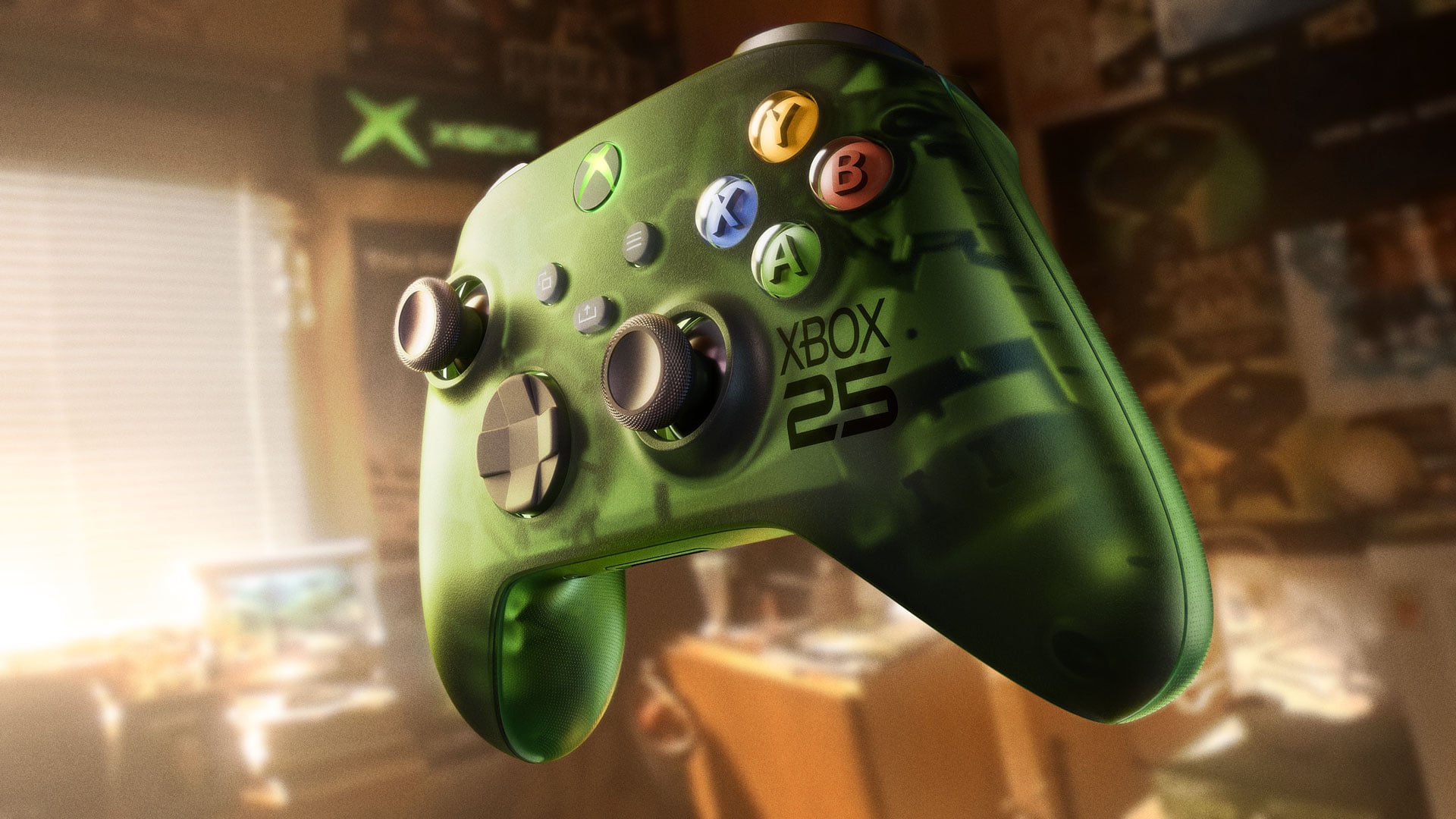
In the fast-paced world of video games, few topics spark as much debate as a company's strategic direction. Recently, a strong sentiment has emerged suggesting that Microsoft's decision to move away from strict console exclusives has "clearly harmed" its gaming platform. This is a bold claim, one that deserves a thorough examination. For decades, exclusive games have been the bedrock of console competition, drawing players to specific hardware. Yet, Xbox has actively pursued a different path, focusing on a broader ecosystem that extends beyond its own consoles. Has this shift truly weakened the Xbox brand, or is it a forward-thinking move misunderstood by traditionalists?
This discussion isn't just about sales figures; it delves into brand identity, player loyalty, and the very definition of a "gaming platform" in the modern era. We'll explore the historical significance of exclusives, Xbox's evolving strategy, the arguments supporting the idea of "harm," and equally important, the counter-arguments suggesting this is a necessary and beneficial evolution for Microsoft's gaming division. Understanding this complex issue requires looking at the bigger picture, considering how the industry itself is changing, and evaluating what success truly means for a company like Microsoft in the digital age.
The Traditional Power of Exclusives in Console Gaming
Historically, exclusive games have been the primary weapon in the console wars. Think back to the fierce rivalries between Nintendo, Sega, PlayStation, and Xbox. Each company relied heavily on a curated library of games available only on their system to entice consumers. Games like Nintendo's Super Mario Bros. and The Legend of Zelda practically sold consoles by themselves. Similarly, PlayStation cemented its dominance with iconic titles like Final Fantasy VII (initially console exclusive) and later, narrative-driven blockbusters such as God of War and The Last of Us. These games didn't just offer unique experiences; they fostered a sense of community and identity around a particular console, making it a "must-have" device.
Exclusives served multiple purposes. Firstly, they provided a strong incentive for hardware purchases. If you wanted to play a specific, highly anticipated game, you had no choice but to buy the console it was available on. This directly drove console sales and expanded the installed base. Secondly, exclusives helped define a console's brand and differentiate it from competitors. PlayStation became known for its cinematic, mature single-player experiences, while Nintendo excelled in innovative gameplay and family-friendly adventures. Xbox, too, built its early reputation on franchises like Halo and Gears of War, which were synonymous with its brand and crucial for its initial market penetration.
Beyond sales and branding, exclusives also created a valuable feedback loop. Developers, knowing their games would be showcased on a particular system, could optimize heavily for that hardware, pushing its technical capabilities and delivering experiences impossible elsewhere. This led to a perception of superior performance and tailored design. For many years, the industry operated under the unspoken rule that without a robust lineup of console-defining exclusives, a platform would struggle to compete effectively. This mindset forms the foundation of why many gamers and analysts view Xbox's current strategy with concern, believing it departs from a proven formula for success.
Xbox's Shifting Strategy: Beyond the Console
Microsoft's Xbox division has undergone a profound strategic transformation in recent years, moving away from the traditional console-centric model. At its core is the "play anywhere" philosophy, a vision where players can access their games across various devices, not just the Xbox console. This pivot began significantly with the introduction of Xbox Game Pass, a subscription service often dubbed the "Netflix of gaming," offering a vast library of games, including all first-party titles on day one, for a monthly fee. This service is available on Xbox consoles, PC, and through cloud streaming on mobile devices and even smart TVs, effectively decoupling the gaming experience from a single piece of hardware.
The motivation behind this shift is multi-faceted. Microsoft aims to reach a much broader audience than what console sales alone can provide. By making games accessible on PC, mobile, and even rival consoles, they can tap into billions of potential players worldwide, expanding their market considerably beyond the tens of millions of Xbox console owners. This strategy prioritizes growing the Game Pass subscriber base and increasing overall engagement with the Xbox ecosystem, rather than solely focusing on winning the traditional console sales race against Sony's PlayStation or Nintendo's Switch. It represents a fundamental redefinition of what the "Xbox platform" truly is.
More recently, this strategy has evolved further with the decision to release some first-party Xbox games on competitor platforms like the PlayStation 5 and Nintendo Switch. Games such as Hi-Fi Rush, Sea of Thieves, Grounded, and Pentiment have all made their way to other consoles, signaling a significant departure from the exclusivity model. This move has been met with both excitement from players on other platforms and apprehension from a segment of the Xbox community. Microsoft's leadership has stated that this decision is about bringing "great games to more players" and ensuring the long-term health of their titles, rather than abandoning console relevance entirely. This ongoing experimentation underscores the bold, and perhaps risky, nature of Xbox's modern approach to gaming.
The Argument for "Harm": Why Exclusives Matter
The assertion that abandoning exclusives has harmed Xbox is rooted in several key observations and traditional understandings of the gaming market. One of the most prominent arguments is the reduced incentive for players to purchase an Xbox console. If highly anticipated first-party games are available on PC via Game Pass, or even on a PlayStation 5 or Nintendo Switch, the unique selling proposition of the Xbox hardware diminishes significantly. Why invest in a Series X or S when you can play the same titles on a PC you already own, or on a console from a rival manufacturer that also offers its own compelling exclusives? This directly impacts console sales, which are a traditional metric of platform success.
Furthermore, this strategy is perceived by some as leading to a loss of brand identity and uniqueness for Xbox. Historically, consoles were defined by their exclusive game libraries. PlayStation had its cinematic single-player epics, Nintendo its innovative family-friendly titles. When Xbox's most celebrated games are no longer tied exclusively to its hardware, the brand risks becoming generic – simply another publisher of games that happen to be available on its own consoles. This erosion of a distinct identity can make it harder for Xbox to stand out in a crowded market and cultivate the deep loyalty that console exclusivity once fostered.
There's also the argument that going multiplatform signals a lack of confidence or even a concession in the traditional console war. Some interpret it as Microsoft admitting it cannot compete directly on hardware sales or exclusive content. This perception can undermine consumer confidence and potentially deter new players from committing to the Xbox ecosystem. If the platform itself isn't seen as a primary destination for unique experiences, it becomes merely one option among many, rather than a leader. This impacts not just sales, but the intangible value of brand prestige and player perception, which are crucial for long-term growth and competitiveness.
Finally, the "harm" can be seen in the potential dilution of the Xbox "ecosystem loyalty." For a dedicated Xbox fan, the appeal of being part of a console family that gets unique, cutting-edge content first, or exclusively, is a powerful draw. When that exclusivity is removed, the sense of being part of a special club diminishes. While Game Pass offers value, the absence of console-defining exclusives can leave hardcore fans feeling less prioritized or less rewarded for their commitment to the Xbox hardware. This might lead to a fragmentation of the loyal player base, with some opting to play Xbox games on other systems, further weakening the console's central role in Microsoft's strategy.
Counter-Arguments: A Vision Beyond Traditional Console Wars
Despite the concerns, many argue that Microsoft's multiplatform strategy is not a sign of harm, but rather a visionary approach necessary for the future of gaming. The core of this counter-argument lies in redefining what constitutes the "Xbox platform." For Microsoft, success is increasingly measured by the growth of Xbox Game Pass subscriptions and the overall engagement within their ecosystem, which spans consoles, PC, and cloud gaming. In this view, the console itself is just one entry point to the Xbox experience, not the sole determinant of its health. By offering games everywhere, Xbox aims to capture a larger share of the overall gaming market, transcending the limitations of console hardware sales.
This strategy is fundamentally about increasing reach and accessibility. By making games available on more platforms, Microsoft significantly expands the total addressable market for its first-party titles. A game like Sea of Thieves, released on PlayStation, gains millions of new potential players who might never have bought an Xbox. This can lead to increased sales, a larger active player base, and ultimately, more revenue for Microsoft. This expanded reach also benefits the games themselves, fostering larger communities and extending their lifespan, which is crucial for online multiplayer titles. The goal is to make Xbox a ubiquitous gaming service, much like Microsoft 365 is a ubiquitous productivity suite.
Furthermore, the multiplatform approach is seen as a way to future-proof the Xbox brand in an evolving industry. As cloud gaming matures and hardware iterations become less distinct, the emphasis on a single console exclusive library may become obsolete. Microsoft is positioning itself to be a leader in a world where gaming is platform-agnostic, delivered as a service, and accessible on any screen. This proactive adaptation could give them a significant advantage over competitors who remain more tethered to traditional hardware sales models. It's a calculated risk, betting on a long-term trend rather than short-term console victories.
Finally, the argument for "harm" often overlooks the incredible value proposition of Game Pass. Even if games are available elsewhere, the ability to play all first-party titles on day one, alongside hundreds of other games, for a single monthly fee, remains a powerful draw. This service differentiates Xbox in a meaningful way, offering a unique economic advantage to players regardless of where they choose to play. While console sales may not be soaring, Game Pass subscriptions and overall content engagement could be painting a much healthier picture of the Xbox platform's success and long-term viability. This nuanced view acknowledges that traditional metrics might not fully capture Microsoft's strategic objectives.
Specific Examples and Recent Developments
The shift in Xbox's strategy became significantly more tangible with the announcement and subsequent release of several first-party games on competing consoles in early 2024. Titles like the critically acclaimed rhythm-action game Hi-Fi Rush, the popular pirate adventure Sea of Thieves, the survival crafting game Grounded, and the narrative-driven mystery Pentiment all made their way to PlayStation 5 and/or Nintendo Switch. This move sparked intense debate within the gaming community, with some seeing it as a betrayal of the Xbox console's unique value, while others celebrated the broader accessibility of these excellent games.
The impact of these specific releases is still being analyzed, but initial reports have been positive in terms of sales and player engagement on the new platforms. For example, Sea of Thieves quickly topped the PlayStation charts upon its release, demonstrating a clear demand for Xbox's content beyond its own ecosystem. This data supports Microsoft's argument that making games available to a wider audience can be financially beneficial and grow the player base for these titles, rather than detracting from the Xbox version. It shows there's a significant segment of the market eager to play these games, regardless of the console badge.
This strategic move is also inextricably linked to Microsoft's aggressive acquisition strategy, particularly the purchases of ZeniMax Media (Bethesda) and Activision Blizzard. These acquisitions brought a vast catalog of established franchises and development talent under the Xbox umbrella. While blockbusters like Starfield and future Call of Duty titles remain core to the Xbox Game Pass offering, the decision to bring some existing Bethesda games (and potentially future Activision Blizzard titles) to other platforms highlights a flexible approach. It suggests a tiered strategy: certain flagship titles might remain exclusive to Game Pass (and thus PC/Xbox console), while others are deemed more beneficial with a wider multiplatform release to maximize revenue and reach. This complex interplay of acquisitions and platform strategy underscores the evolving definition of "exclusivity" in the modern gaming landscape.
The Role of Game Pass in the New Ecosystem
At the heart of Xbox's modern platform strategy is Game Pass. It's not merely a subscription service; it's the central pillar around which the entire Xbox ecosystem is now built. Microsoft envisions Game Pass as the primary differentiator for Xbox, providing unparalleled value that traditional console exclusives once offered. The promise of getting all first-party Xbox games on day one, alongside hundreds of other titles from various publishers, is a powerful incentive designed to attract and retain subscribers, regardless of whether they primarily game on an Xbox console, a PC, or via cloud streaming on other devices.
The shift means that Xbox's success is increasingly tied to Game Pass subscription numbers and engagement, rather than just console unit sales. For Microsoft, a player subscribing to Game Pass on their PC or even through cloud streaming on a smart TV is just as valuable, if not more so, than a player who bought an Xbox console but rarely buys new games. This service-centric approach aims to generate consistent recurring revenue and build a sticky ecosystem that encourages long-term commitment. It transforms Xbox from a hardware manufacturer primarily into a content and service provider, capable of reaching billions of screens.
However, the challenge remains clear: if the console itself loses its exclusive content draw, how does Microsoft persuade new players to buy an Xbox Series X or S in the first place? While Game Pass is available on the console, it’s also on PC, which many gamers already own. This makes the value proposition of the physical console less unique. Microsoft needs to continually demonstrate that the Xbox console offers the absolute best way to experience Game Pass, through optimized performance, user experience, and a compelling living room presence. The delicate balance is to leverage Game Pass's multiplatform accessibility while still providing a strong reason for players to choose Xbox hardware over alternatives, ensuring the console itself doesn't become an afterthought in its own ecosystem.
Comparing to Competitors: PlayStation and Nintendo
To truly understand Xbox's strategy, it's useful to compare it with its main competitors, PlayStation and Nintendo, who largely adhere to a more traditional console-exclusive model. Sony's PlayStation, for instance, has arguably perfected the art of console exclusives. Titles like Marvel's Spider-Man, God of War Ragnarök, and Horizon Forbidden West are not just popular games; they are system-sellers that embody the PlayStation brand. While Sony has recently begun porting some of its older first-party games to PC, these releases typically occur years after their console debut, preserving the initial exclusivity and incentivizing PlayStation hardware purchases.
This unwavering focus on console exclusivity has been a significant factor in PlayStation's dominant market share in the current generation. Players who want to experience these acclaimed titles know they must buy a PlayStation console. Sony's strategy leverages the power of exclusive content to drive hardware sales and build a strong, distinct brand identity that resonates with a particular type of gamer – often one who values high-fidelity, narrative-driven single-player experiences. The success of this approach provides a clear counterpoint to Xbox's multiplatform push, suggesting that exclusives still hold immense power in the gaming landscape.
Nintendo offers another compelling contrast. With its unique hardware like the Switch, Nintendo's entire strategy revolves around its unparalleled lineup of first-party exclusives such as The Legend of Zelda: Tears of the Kingdom, Super Mario Odyssey, and Pokémon games. These titles are deeply integrated with Nintendo's innovative hardware and gameplay philosophy, making them virtually impossible to replicate elsewhere. Nintendo’s distinct brand, innovative hardware, and consistent stream of beloved exclusives have allowed it to thrive outside the direct competition of traditional console power, demonstrating that a strong, unique ecosystem built on exclusives can lead to extraordinary success, even with less powerful hardware. Both PlayStation and Nintendo highlight the continuing potency of the exclusive game model, which makes Xbox's divergence all the more noteworthy and subject to scrutiny.
Long-Term Implications and the Future of Xbox
The long-term implications of Xbox abandoning strict console exclusives are profound and could fundamentally reshape its role in the gaming industry. One potential outcome is that Xbox hardware, such as the Series X and S, might evolve into more specialized gaming PCs or become less central to Microsoft's overall strategy. If games are truly accessible everywhere, the primary function of an Xbox console might shift from being a gateway to exclusive content to simply being the most optimized, convenient, and cost-effective way to access the Game Pass ecosystem in a living room setting.
This strategic direction could see Microsoft cement its position as a dominant force in gaming, but as a software and services publisher first and foremost. The company could become the "Netflix of Gaming," providing a ubiquitous subscription service that delivers content across all devices, rather than relying on console sales as its main revenue driver. This move would allow Xbox to tap into a much larger market than console gaming alone, potentially reaching billions of players through cloud streaming and PC, aligning with Microsoft's broader company vision of software and services dominance.
However, this path also presents significant challenges. Maintaining hardware relevance and avoiding brand dilution will be crucial. If the Xbox console loses its unique appeal, it might struggle to attract new consumers who are not already invested in the Game Pass ecosystem. There's also the risk of alienating traditional console gamers who prefer the exclusivity model and the distinct identity it provides. Microsoft will need to carefully manage its messaging and content strategy to keep its console appealing while simultaneously expanding its multiplatform reach. The future of Xbox is likely to be a continuous balancing act, navigating the complexities of hardware, software, and services in an ever-changing digital landscape.
Ultimately, the success of this strategy hinges on whether Microsoft can convince a vast global audience that the value of Game Pass and the accessibility of its content across multiple devices outweigh the traditional lure of console-exclusive blockbusters. It's a bold bet on the future, one that could redefine what a "gaming platform" truly means in the 21st century. The outcome will not only determine Xbox's fate but also influence the strategies of other major players in the highly competitive video game industry for years to come. The industry is watching closely as Xbox charts this new, uncharted course.
Conclusion: A Calculated Risk in an Evolving Landscape
The assertion that "abandoning exclusives has clearly harmed Microsoft's gaming platform" is a statement that resonates deeply with the traditional understanding of console gaming, yet it oversimplifies a complex and evolving strategic shift. While the lack of strict console exclusives may indeed impact Xbox console sales and potentially dilute a certain aspect of its brand identity in the short term, defining this as "harm" depends heavily on one's definition of success for a modern gaming company. Microsoft is clearly playing a different game, moving beyond the conventional console wars to establish a broader, more inclusive gaming ecosystem centered around Xbox Game Pass and cloud streaming.
Xbox's pivot is a calculated risk, aiming to leverage the power of its content and services to reach billions of potential players across various devices, rather than confining itself to the relatively smaller market of dedicated console owners. This strategy could be seen as forward-thinking, positioning Xbox for a future where gaming is less about a single piece of hardware and more about accessible, subscription-based content. While it challenges established norms and can be unsettling for traditionalists, the long-term potential for growth in subscribers and overall player engagement might ultimately outweigh the perceived disadvantages of loosening console exclusivity.
The ongoing debate highlights a fascinating inflection point in the video game industry. As we move further into a digital-first era, companies like Microsoft are experimenting with new business models that prioritize reach and service integration over hardware exclusivity. The ultimate success or failure of Xbox's strategy will serve as a crucial case study for the entire industry, demonstrating whether the allure of exclusive content can truly be superseded by the convenience and value of a ubiquitous gaming service. Only time will tell if this bold move truly harms the Xbox platform, or if it secures its place as a dominant force in the ever-expanding world of interactive entertainment.
from Kotaku
-via DynaSage
