
Foldable iPhone May Not Come in Black, Leaker Suggests
Apple's Foldable iPhone: Unraveling the Mystery of Colors and Launch Strategy
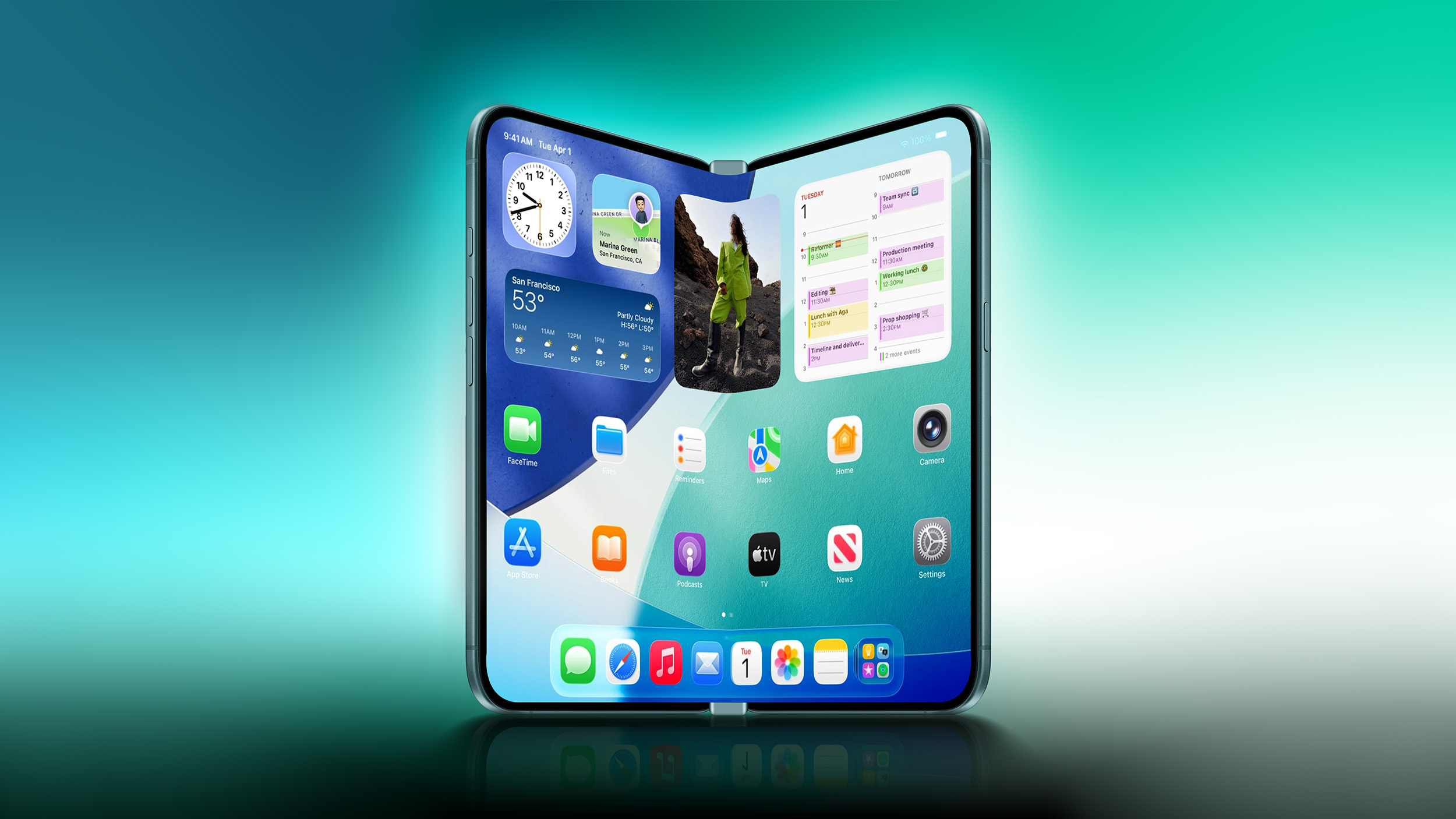
The tech world is abuzz with anticipation for Apple's foray into the foldable smartphone market. Among the many rumors and leaks swirling around this highly anticipated device, one particular detail has sparked considerable discussion: its color options. Specifically, there's uncertainty about whether a black variant will be available. This seemingly small detail offers a fascinating glimpse into the complex decisions Apple faces when launching a groundbreaking product, especially one as intricate as a foldable iPhone.
A recent rumor from a generally reliable source suggests that Apple has yet to finalize its color palette for the upcoming foldable iPhone. This uncertainty, particularly concerning a classic shade like black, raises questions about the device's launch timeline and Apple's broader strategy for its next big innovation.
The Curious Case of the Missing Black Foldable iPhone
The rumor originated from the Weibo leaker known as "Instant Digital," who recently commented on the matter. According to Instant Digital, Apple "hasn't even decided yet whether the foldable screen will come in black." The leaker added a pointed, almost rhetorical question: "Do they have a vendetta against the color black?" This remark isn't necessarily a confirmation that black is out, but rather an indication that it's still very much up in the air. For a device expected to enter mass production soon and launch as early as September of the next year, such fundamental decisions are typically locked down much earlier in the development cycle.
Black has historically been a staple color for consumer electronics, especially premium devices. It exudes sophistication, professionalism, and a timeless elegance that often appeals to a broad demographic. For many, a black phone is the default, the safe choice, and often the most versatile. The idea that Apple, known for its meticulous product design and market analysis, might be hesitating on a black option for such a pivotal device is intriguing. This hesitation could stem from various factors, including manufacturing complexities specific to the foldable display or hinge mechanism, a desire to differentiate the first-generation model with a unique palette, or simply ongoing internal debates about the device's overall aesthetic positioning.
Exploring the Other Potential Color Options
The current rumor about black isn't the first time color choices for the foldable iPhone have been discussed by leakers. Back in February, Instant Digital himself described the device as coming in just two color options. At that time, white was the only confirmed shade, with the second color remaining a mystery. Instant Digital revisited that report in May, reiterating the two-option account without offering more specifics. Today's comment, while introducing uncertainty about the second color, doesn't contradict the idea of a limited launch palette.
Adding to the speculation, Macworld, citing a separate supply chain source, claimed that the second finish could be an indigo option. This "indigo" is described as being similar to the Deep Blue shade rumored for the iPhone 17 Pro, alongside a classic silver and white model. This source also indicated that the foldable iPhone would offer fewer choices than the standard iPhone 18 Pro models, notably without any "bold or vibrant colors." This aligns with a conservative launch strategy, emphasizing the technology itself rather than flashy aesthetics.
Further supporting the idea of a traditional color scheme, Bloomberg's renowned Apple analyst Mark Gurman similarly reported that Apple intends to "stay away from fun colors." Instead, the company is expected to stick to more conventional finishes such as silver/white and space gray/black. This consistent narrative from multiple reputable sources points towards a strategic decision by Apple to position its first foldable device with a mature, understated look, focusing on its premium and innovative nature rather than relying on a broad range of eye-catching hues to attract buyers.
The choice to limit colors, particularly to more subdued tones, could be a deliberate move to establish the foldable iPhone as a serious, high-end, and professional-grade device. Vibrant colors, while appealing to some segments of the market, might detract from the perceived gravitas of a revolutionary product, especially one entering a nascent but competitive market. By opting for classic finishes, Apple might aim to reinforce its brand image of timeless design and cutting-edge technology rather than fleeting fashion trends.
The Intricacies of Foldable Manufacturing and Supply Chain Hurdles
The fact that color decisions are still being debated at this stage, despite Samsung Display's OLED panels already entering mass production, underscores the immense complexity involved in bringing a foldable iPhone to market. Color is not just a cosmetic choice; it's deeply integrated into the manufacturing process and supply chain management.
The Role of Component Production and Lead Times
For any complex electronic device, color decisions have a direct impact on manufacturing and component procurement. Different colors often require specific materials, pigments, dyes, and finishing processes for various components, including the device casing, screen bezels, and even internal parts that might be visible. These specialized components have their own lead times – the duration between placing an order and receiving the goods. For a device as innovative and intricate as a foldable phone, where new materials and assembly techniques are employed, these lead times can be substantial.
For example, applying a specific colored finish to the metal frame of a phone, or ensuring color consistency across a flexible display and its housing, requires precise calibration and dedicated production lines. If Apple is still deliberating on a color like black, it could mean that the specific technical challenges of achieving that color on the unique materials of the foldable iPhone (perhaps a special hinge mechanism, or the flexible display's borders) are proving more difficult than anticipated, or that alternative processes are still being evaluated.
The Complexity of Foldable Technology
Foldable phones are inherently more complex to manufacture than traditional smartphones. They involve:
- Flexible Displays: These screens are delicate and require advanced material science to prevent creasing and ensure durability. The layers involved in a flexible OLED panel are numerous and precise.
- Hinge Mechanisms: The hinge is the mechanical heart of a foldable phone, allowing it to open and close smoothly and reliably. Designing and mass-producing a durable, gap-free hinge that can withstand tens of thousands of folds is a significant engineering feat.
- Thermal Management: Foldable designs often present unique challenges for heat dissipation due to their compact internal layouts and often thinner profiles.
- Durability Concerns: Ensuring the device can withstand daily use, drops, and dust/water ingress while maintaining its folding functionality adds layers of complexity to material selection and assembly.
Understanding Yield Rates and Supply Constraints
Supply chain analyst Ming-Chi Kuo has consistently warned that early-stage yield and ramp-up challenges could severely constrain the supply of the foldable iPhone, potentially through at least the end of 2026. What exactly are "yield challenges"?
In manufacturing, "yield rate" refers to the percentage of products that are produced correctly and pass quality control, out of the total number of products started. For new technologies, especially those involving novel materials and complex assembly, initial yield rates are often low. This means a significant portion of the early production run might be deemed defective or not up to Apple's stringent quality standards.
Low yield rates directly impact the number of units available for sale and increase the per-unit cost. If Apple is struggling with yields for even the base models, introducing more color variants would exacerbate the problem. Each color essentially becomes a separate production line with its own potential yield issues, further complicating quality control, inventory management, and ultimately, the ability to meet consumer demand.
Kuo's projection that the frequently cited figure of 15 to 20 million units likely reflects cumulative demand across the product's full two-to-three-year lifecycle, rather than just 2026, highlights the severity of these potential supply constraints. When supply is inherently tight, Apple has little commercial incentive to absorb the additional complexity and risk associated with launching numerous color options. The focus shifts to getting any functional units into customers' hands, regardless of a wide color choice.
Therefore, the uncertainty about a black option might not necessarily indicate severe late-stage indecision, but rather a reflection of the intense focus on optimizing the core manufacturing process for the most stable and highest-yield options. It could also point to some opaqueness in the supply chain, where even Apple's internal teams might be waiting for final manufacturing reports on color consistency and durability before making a definitive public commitment.
Strategic Product Launches and Color Choices: Apple's Historical Playbook
Apple has a well-established history of how it handles "generationally significant" product launches, and this often involves a limited initial color palette. This approach serves multiple strategic purposes, especially for devices that represent a significant technological leap or enter a new product category.
Precedent: iPhone X, Apple Watch Ultra, and Vision Pro
Consider the launch of the iPhone X in November 2017. This device was revolutionary for Apple, introducing Face ID, an edge-to-edge OLED display, and a gesture-based interface. It debuted in just two colors: Silver and Space Gray, at a then-record starting price of $999. It wasn't until the iPhone XS, which followed a year later, that Gold was added to the lineup. This incremental approach allowed Apple to:
- Focus on Core Innovation: By limiting color options, Apple could direct all manufacturing and marketing efforts towards perfecting the groundbreaking features and the core user experience.
- Simplify Logistics: Fewer Stock Keeping Units (SKUs) simplify the entire supply chain, from sourcing raw materials to assembly, inventory management, and distribution to retail stores worldwide. This is crucial for managing the initial rush of demand for a highly anticipated product.
- Manage Expectations: A limited initial offering subtly communicates that the focus is on the technology itself, rather than superficial variations.
- Establish Premium Status: A select, often muted, color palette can enhance the perception of exclusivity and premium quality, aligning with Apple's brand identity.
More recently, Apple has continued this strategy with other high-end, first-generation products. The Apple Watch Ultra, its most rugged and capable smartwatch, launched with only one finish (natural titanium). Similarly, the groundbreaking Vision Pro, Apple's spatial computer, launched exclusively in a single aesthetic. These examples demonstrate a consistent pattern: when introducing a new paradigm-shifting product, Apple prioritizes the core technology and user experience over a broad range of cosmetic choices.
The "iPhone Ultra" Branding and Target Audience
The rumored "iPhone Ultra" moniker itself suggests a device positioned at the absolute pinnacle of Apple's smartphone offerings, similar to how the "Ultra" branding has been used for the most advanced Apple Watch. This implies a focus on cutting-edge technology, premium materials, and unparalleled performance. For such a device, particularly one rumored to "cross the $2,000 threshold" in pricing, the initial target audience is likely to be early adopters, tech enthusiasts, and professionals who prioritize innovation and functionality above all else.
These buyers are typically less swayed by a wide variety of color options. Their purchasing decision is heavily driven by the device's capabilities, its potential to revolutionize their mobile experience, and the prestige of owning Apple's latest and greatest innovation. For this demographic, a limited, sophisticated color palette might even enhance the product's appeal by reinforcing its exclusivity and premium status.
This gives Apple significant leeway to keep the initial palette narrow. They can comfortably introduce a few classic, understated colors, knowing that the inherent allure of the foldable technology and the "Ultra" branding will be the primary draw. As the technology matures and becomes more accessible in future generations, Apple can then expand the color options to appeal to a broader, more mainstream market, as it did with the iPhone XS introducing Gold or later iPhones offering more vibrant hues.
Addressing Supply Constraints and SKU Management
The logistical challenges of launching a product like the foldable iPhone are immense. As discussed, supply chain analyst Ming-Chi Kuo has explicitly warned of potential shortages extending into 2027, with the frequently cited demand figures representing cumulative sales over years, not just the initial launch period. In such a scenario, simplifying the product lineup becomes a commercial imperative.
The Burden of Multiple SKUs
Every different variation of a product – each color, each storage configuration, each regional model – constitutes a unique SKU (Stock Keeping Unit). For a global company like Apple, managing a vast number of SKUs is a monumental task involving:
- Manufacturing Planning: Each SKU requires dedicated production slots, materials, and quality control.
- Inventory Management: Forecasting demand for each specific SKU across hundreds of countries and thousands of retail outlets is incredibly complex. Overstocking one color while understocking another can lead to significant financial losses and customer dissatisfaction.
- Distribution and Logistics: Shipping, warehousing, and tracking a diverse inventory globally adds layers of logistical complexity and cost.
- Retail Presence: Ensuring that every Apple Store and authorized reseller has a representative stock of all available SKUs is challenging, particularly when initial supply is constrained.
When the expected launch supply for a product is already tight, as is the case for the foldable iPhone, adding more color variants significantly increases the number of SKUs Apple needs to produce, stock, and allocate. This is a complication that the company has little commercial incentive to absorb. Instead, a streamlined product offering allows Apple to maximize the number of units it can produce and distribute efficiently, ensuring that as many eager customers as possible can get their hands on the revolutionary device, even if the color choice is limited.
Therefore, the decision to potentially launch with just one or two traditional colors – likely white and possibly silver, space gray, or a subtle indigo – is a pragmatic one. It reflects Apple's strategic prioritization of manufacturing stability and supply reliability for a ground-breaking device, rather than trying to cater to every aesthetic preference from day one. The initial focus will be on the "foldable" experience and the "Ultra" capabilities, with color variety possibly expanding in subsequent generations as manufacturing processes mature and supply becomes more robust.
Conclusion: A Glimpse into Apple's Foldable Future
The unfolding rumors surrounding the foldable iPhone's color options, or lack thereof, offer more than just aesthetic speculation. They provide valuable insights into Apple's meticulous product development process, its strategic approach to launching category-defining devices, and the inherent challenges of pioneering new technologies. While the absence of a black option might disappoint some, it aligns with a larger pattern of Apple focusing on core innovation and streamlined production for its most significant new products.
The first foldable iPhone, expected to be announced in September 2026 alongside the iPhone 18 Pro and iPhone 18 Pro Max, is poised to be a landmark device. Whether it arrives in black, white, or an exclusive indigo, its arrival will undoubtedly reshape the smartphone landscape and set new benchmarks for foldable technology. Until then, the speculation and anticipation continue to build, painting a vivid picture of what's to come from Cupertino.
This article, "Foldable iPhone May Not Come in Black, Leaker Suggests" first appeared on MacRumors.com
Discuss this article in our forums
from MacRumors
-via DynaSage
