
Don’t Expect Gaming Hardware Prices To Go Down Any Time Soon: ‘It’s The Most Hold-On-To-Your-Butts Moment I’ve Seen In 20 Years’
The Eternal Debate: Console vs. PC Gaming and the Unpredictable Future
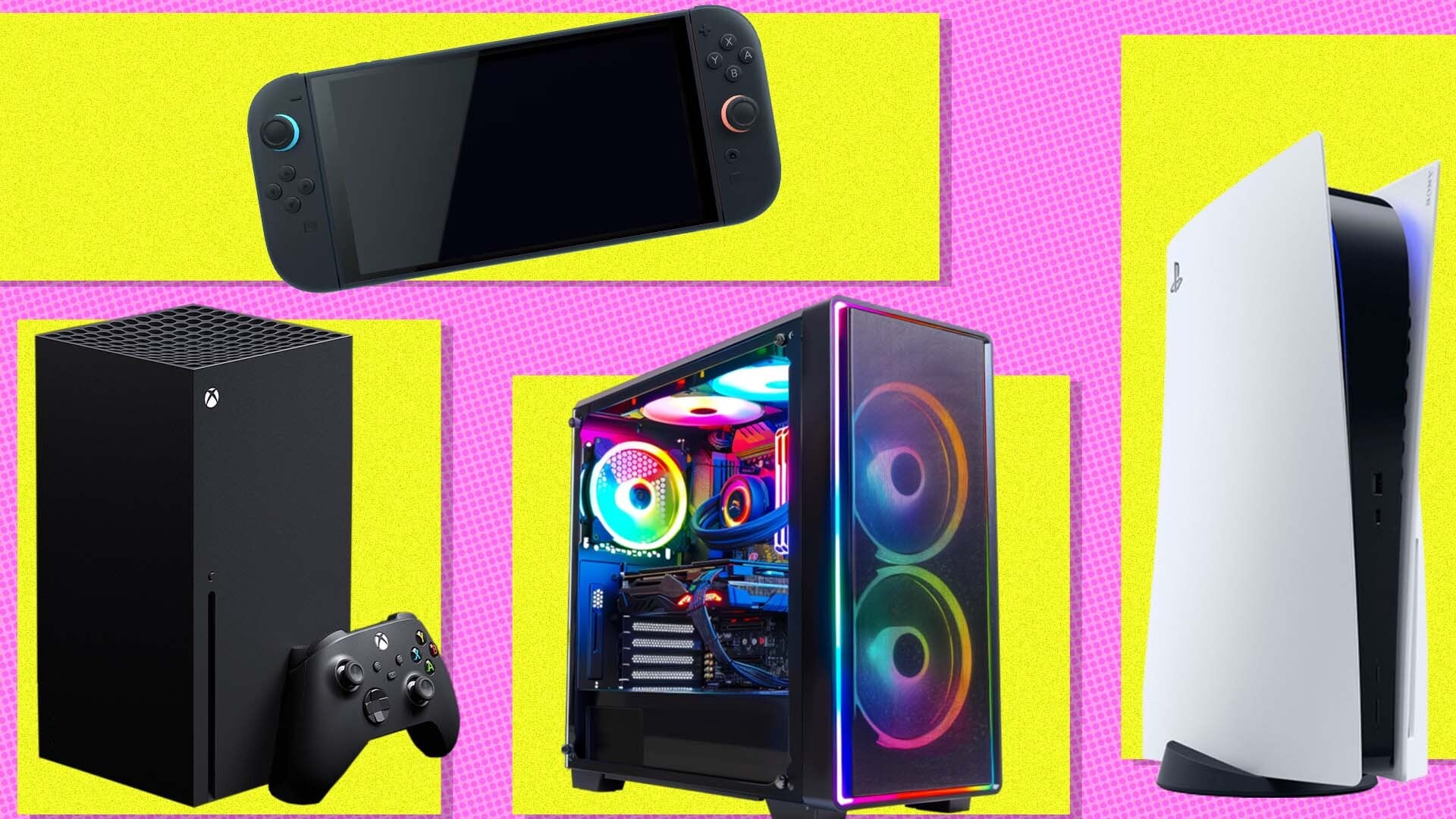
In the fast-paced world of video games, few topics spark as much passionate discussion as the rivalry between console gaming and PC gaming. For decades, players have debated the merits of each platform, comparing graphics, performance, exclusive games, and overall value. While enthusiasts on both sides often feel certain about their chosen path, predicting the future trajectory of this dynamic industry is a far more complex challenge. As the saying goes, "Anyone that says they know what happens next is either lying to themselves or trying to sell something." This powerful statement perfectly encapsulates the volatile nature of technology and consumer preferences, especially in an industry that constantly reinvents itself. The image above, hinting at console and PC sales, visually represents the core of this ongoing discussion, a snapshot in time amidst a sea of change.
This blog post will delve into the rich history of console and PC gaming, explore their current state, and examine the multitude of factors that make forecasting their future so incredibly difficult. We’ll look at the trends, the innovations, and the shifting tides that could shape how we play games in the years to come, all while embracing the uncertainty that defines this exciting landscape.
A Look Back: The Roots of Console and PC Gaming
To understand where we might be headed, it's essential to appreciate where we've been. The roots of both console and PC gaming stretch back decades, each evolving from humble beginnings into the sophisticated entertainment powerhouses they are today. Console gaming, popularized by early machines like the Atari 2600, Nintendo Entertainment System (NES), and Sega Genesis, focused on delivering dedicated gaming experiences directly to the living room. These systems were designed for simplicity: plug and play, often with unique game libraries that defined generations of players. They offered a consistent experience, making it easy for developers to create games that ran optimally on standardized hardware. The allure of exclusive titles and the shared experience of couch co-op cemented consoles as a family and social hub.
PC gaming, on the other hand, grew out of the personal computing revolution. Early home computers like the Apple II, Commodore 64, and IBM PC paved the way for a more versatile, albeit often more complex, gaming platform. PCs offered unparalleled flexibility, allowing users to upgrade components, customize their setups, and engage with a broader range of software beyond just games. While consoles focused on a curated, closed ecosystem, PCs thrived on openness, fostering a culture of modding, community-driven content, and bleeding-edge graphics. The ability to tinker, to push hardware to its limits, and to adapt to an ever-changing technological landscape became hallmarks of the PC gaming experience. This fundamental difference in philosophy set the stage for the enduring rivalry we see today.
The Enduring Appeal of Consoles
Consoles have maintained their strong market position for several compelling reasons. One of the primary attractions is their ease of use. A console is typically a self-contained unit; you buy it, plug it in, and start playing. There’s no need to worry about driver updates, compatibility issues, or complex system configurations. This "it just works" philosophy resonates deeply with a broad audience, especially those who prioritize convenience over customization. Furthermore, consoles often boast compelling exclusive game titles that are unavailable on other platforms, such as PlayStation exclusives like "God of War" or Xbox exclusives like "Halo." These games often serve as powerful system sellers, drawing players into a particular ecosystem.
Another significant factor is the upfront cost. While high-end gaming PCs can easily run into thousands of dollars, consoles offer a relatively affordable entry point into high-fidelity gaming. This price accessibility makes them a popular choice for families and budget-conscious gamers. The traditional console experience also heavily emphasizes couch multiplayer and social gaming in a shared physical space, a nostalgic and cherished aspect for many. Even with the rise of online multiplayer, the ability to easily gather friends and family around a TV for a gaming session remains a core part of the console identity, reinforcing its role as a central entertainment device in many homes.
The Unrivaled Power of PC Gaming
PC gaming, conversely, attracts a different kind of enthusiast – one who values performance, flexibility, and control above all else. The most significant advantage of PC gaming is its raw power and customizability. PC gamers can choose individual components, from graphics cards to processors, to build a machine tailored to their exact needs and budget. This modularity means that a gaming PC can always be upgraded, ensuring it stays at the forefront of technological innovation for years to come, unlike consoles which are typically fixed hardware for an entire generation. This leads to the potential for superior graphics, higher frame rates, and more detailed game worlds that push the boundaries of visual fidelity.
Beyond performance, PC gaming offers unparalleled versatility. The platform supports a vast array of input devices, from precision mice and keyboards essential for competitive shooters and strategy games, to a wide variety of controllers and even flight sticks for simulators. The open nature of the PC ecosystem also fosters a vibrant modding community, allowing players to extend the life of their favorite games, add new content, or even completely transform experiences. Furthermore, the sheer breadth of the PC game library, accessible through platforms like Steam, Epic Games Store, and GOG, is unmatched, encompassing everything from indie gems to AAA blockbusters, often with greater discounts and more frequent sales. For many, the PC is not just a gaming device but a powerful workstation, a creative hub, and an entertainment center rolled into one.
The Current Gaming Landscape: Convergence and New Contenders
Today's gaming world is characterized by an interesting blend of tradition and innovation. While the core tenets of console and PC gaming remain, the lines between them have begun to blur significantly. Modern consoles, particularly the PlayStation 5 and Xbox Series X, are more powerful and PC-like than ever before, featuring SSDs, ray tracing capabilities, and even more open app ecosystems. Meanwhile, PC gaming has seen a surge in efforts to make the experience more accessible, with platforms like Steam Big Picture mode and various launchers attempting to replicate the console-like living room experience. This convergence reflects a mutual learning process, as each platform adopts features and philosophies from the other to broaden its appeal.
Cloud Gaming: A Disruptive Force?
Perhaps one of the most significant new contenders challenging the traditional console vs. PC paradigm is cloud gaming. Services like Xbox Cloud Gaming, NVIDIA GeForce NOW, and the now-defunct Google Stadia promised a future where high-end gaming hardware is no longer necessary. Instead, games are streamed from powerful remote servers directly to your device, whether it's a smart TV, a low-end laptop, or a smartphone. The appeal is clear: instant access to a vast library of games without hefty downloads or expensive hardware upgrades. While cloud gaming has faced challenges related to input lag, internet bandwidth requirements, and library availability, its potential to democratize access to high-fidelity gaming is immense. Should these technical hurdles be fully overcome, it could fundamentally alter the hardware landscape, making dedicated consoles and powerful PCs less of a necessity for many casual players.
The Rise of Handheld PC Gaming
Another fascinating development is the emergence and popularity of handheld gaming PCs, spearheaded by devices like the Steam Deck and its competitors like the ASUS ROG Ally. These devices blur the line between a portable console and a full-fledged PC, offering the flexibility of the PC ecosystem (running Windows or Linux, supporting a vast game library) in a compact, handheld form factor. They combine the convenience of console-like portability with the power and openness of PC gaming, offering a "best of both worlds" scenario for many gamers. The success of these devices indicates a strong consumer desire for versatile gaming experiences that aren't tied to a desk or a living room TV, further complicating any simple "either/or" prediction for the future.
Subscription Services: A New Business Model
Beyond hardware, business models are also evolving rapidly. Subscription services like Xbox Game Pass and PlayStation Plus have become integral to the modern gaming experience. These services offer access to hundreds of games for a monthly fee, including day-one access to new releases for some tiers. This "Netflix for games" model changes how players consume games, potentially reducing the need to buy individual titles and encouraging experimentation with a wider variety of genres. For hardware manufacturers, these services are not just about selling games but about building persistent ecosystems and fostering long-term engagement, further shifting the focus from one-off hardware sales to recurring revenue streams and platform stickiness.
Why Predicting the Future is a Fool's Errand
Given the rapid pace of technological advancement and the ever-changing nature of the gaming industry, the initial quote rings truer than ever: "Anyone that says they know what happens next is either lying to themselves or trying to sell something." Several factors contribute to this inherent unpredictability, making any definitive forecast highly speculative.
Rapid Technological Evolution
Technology doesn't stand still. Advances in areas like artificial intelligence (AI), virtual reality (VR), augmented reality (AR), cloud computing, and semiconductor manufacturing can disrupt established norms overnight. Who could have accurately predicted the widespread adoption of smartphones and mobile gaming just two decades ago? Today, AI is poised to transform game development, player experiences, and even how games are designed. Similarly, if VR/AR technology truly breaks into the mainstream with accessible and comfortable hardware, it could create entirely new categories of gaming experiences that neither traditional consoles nor PCs are currently optimized for, forcing all platforms to adapt or be left behind.
Shifting Consumer Habits and Demographics
The gaming audience itself is far from static. New generations of players bring different expectations, preferences, and spending habits. The rise of mobile gaming has introduced billions of casual players to interactive entertainment, many of whom may never invest in a dedicated console or PC. The increasing diversity of the gaming audience, spanning all age groups and demographics, means that a "one size fits all" approach is becoming less viable. What appeals to a teenager playing competitive esports on a high-end PC might be entirely different from what attracts a parent playing casual games on a tablet, or an older gamer revisiting classics on a retro console. These diverse demands pull the industry in multiple directions, making a singular future difficult to envision.
Economic and Market Forces
Beyond technology and player preferences, broader economic and market forces play a significant role. Global economic stability, supply chain issues (as seen recently with chip shortages), currency fluctuations, and even geopolitical events can impact hardware production, pricing, and consumer spending power. Competition among platform holders (Sony, Microsoft, Nintendo, Valve, and others) drives innovation but also leads to aggressive pricing strategies, exclusive deals, and ecosystem lock-ins. Furthermore, the strategies of major publishers and developers, who often have strong ties to specific platforms, can influence market share and game availability. An unexpected hit game or a major studio acquisition could shift the balance overnight.
The 'Killer App' Phenomenon and Unexpected Innovations
Sometimes, a single "killer app" or an unforeseen innovation can completely redefine a market. The Wii's motion controls, the iPhone's touch interface, or the rise of Minecraft's creative sandbox appeal are all examples of products or concepts that created new markets or massively expanded existing ones in ways that were hard to predict. The next big thing in gaming might not come from an established player or a recognized trend but from a garage startup or an entirely new paradigm. This constant potential for groundbreaking innovation means that looking too far ahead with certainty is always a risky proposition.
Potential Futures: Scenarios, Not Predictions
While definitive predictions are impossible, we can consider several plausible scenarios for how the gaming landscape might evolve, understanding that reality will likely be a mix of these and other unforeseen developments.
Scenario 1: Continued Coexistence and Convergence
This scenario suggests that consoles and PCs will continue to coexist, each catering to their core audiences while increasingly borrowing features and design philosophies from one another. Consoles will remain the go-to for plug-and-play simplicity, exclusive experiences, and living room gaming, pushing graphics and immersion within their fixed hardware cycles. PCs will continue to lead in raw power, flexibility, moddability, and versatility, appealing to enthusiasts and professionals alike. The gap between them will narrow further, with cross-play and cross-progression becoming standard, and hybrid devices like handheld PCs gaining even more traction as bridges between the two worlds. This future is one of greater choice for the consumer, allowing players to pick the platform that best fits their specific needs and desires without significant compromise.
Scenario 2: Cloud Gaming Dominance (or Significant Growth)
In this future, cloud gaming services overcome their current limitations (latency, bandwidth, content rights) to become the primary way many people play games. Hardware becomes largely irrelevant, with powerful servers in data centers handling all the processing, and players accessing games seamlessly on any screen with an internet connection. Consoles might evolve into thin clients, essentially specialized streaming boxes, while gaming PCs become niche tools for specific professional or enthusiast applications. This future would democratize access to high-fidelity gaming on an unprecedented scale, making expensive upfront hardware investments a thing of the past for a large segment of the market. However, it also raises questions about game ownership, digital rights, and the potential for a few companies to control access to virtually all gaming content.
Scenario 3: Niche Specialization and Fragmentation
This scenario posits that the market will become more fragmented, with platforms specializing even further. Consoles might lean heavily into specific types of experiences (e.g., family-friendly gaming, cinematic single-player adventures, or ultra-competitive esports with tailored hardware). PCs might become the domain of cutting-edge VR/AR, professional game development, and highly specialized simulations. We could also see the emergence of entirely new niche platforms, perhaps dedicated to specific genres or input methods, or even a resurgence of highly modular, customizable micro-consoles. Mobile gaming continues its meteoric rise, potentially spawning more sophisticated mobile-only platforms that rival traditional consoles in graphical fidelity and complexity. This future offers a dizzying array of choices, but potentially at the cost of unified experiences and cross-platform communities.
Scenario 4: The Metaverse and Immersive Worlds
While still largely conceptual, the idea of the "Metaverse"—a persistent, interconnected virtual world—could fundamentally reshape gaming. In this future, gaming might merge with social media, work, and everyday life, all accessed through highly immersive VR/AR headsets or advanced holographic displays. Platforms would no longer be about "games" in the traditional sense, but about access points to vast digital realities. Consoles and PCs might evolve into powerful gateways to these metaverses, or perhaps be superseded by specialized "metaverse devices." This scenario is the most speculative, but given the massive investments being made by tech giants into this space, it represents a potentially revolutionary shift in how we interact with digital content, blurring the lines between gaming, entertainment, and virtual existence.
Factors to Watch in the Coming Years
To navigate this unpredictable future, several key areas bear watching:
- AI Integration: How will AI impact game development, non-player character (NPC) behavior, procedural content generation, and even personalized gaming experiences?
- VR/AR Breakthroughs: Will these technologies finally deliver on their promise of mainstream adoption, driven by more comfortable, affordable, and powerful hardware?
- Network Infrastructure: The widespread availability of high-speed, low-latency internet (5G, fiber optics) is crucial for cloud gaming and advanced online experiences.
- Business Model Innovation: Beyond subscriptions, what new ways will developers and platforms monetize games? Free-to-play, blockchain gaming, and creator economies are all evolving.
- Hardware Miniaturization and Efficiency: Can computing power continue to increase while devices become smaller, more power-efficient, and less expensive, enabling new form factors?
- Content Curation and Discovery: As libraries expand across all platforms, how will players find the games they love, and how will platforms ensure quality and visibility for developers?
The Player's Perspective: Embracing Choice and Change
Ultimately, for the individual gamer, the future of gaming platforms is less about which one "wins" and more about what offers the best experience for their personal preferences, lifestyle, and budget. Some will always prioritize raw power and customization, while others will value convenience and exclusive content. Many players, increasingly, choose to engage with multiple platforms, enjoying the best of both console and PC worlds, supplemented by mobile and cloud gaming. The beauty of this diverse and evolving landscape is the sheer breadth of options available.
Instead of seeking a definitive answer to "what comes next," perhaps the most enjoyable approach is to embrace the journey. To celebrate the innovation, to enjoy the games available today, and to look forward with anticipation to the new experiences that will undoubtedly emerge. The gaming industry is a testament to human creativity and technological ingenuity, and its future, though uncertain, is undoubtedly bright and full of surprises.
Conclusion: The Only Constant is Change
The debate between console and PC gaming is as old as the industry itself, fueled by passionate communities and continuous innovation. From their distinct origins to their current state of convergence, both platforms have shaped and been shaped by the desires of players and the march of technology. Yet, as our opening quote wisely reminds us, the future remains a mystery. We've explored various potential paths – from continued coexistence to the rise of cloud dominance or the emergence of entirely new realities like the Metaverse – but each is merely a scenario, not a guarantee.
What is certain is that the world of gaming will continue to evolve at an astonishing pace. New technologies, shifting player demographics, and unforeseen breakthroughs will keep the landscape in a constant state of flux. Rather than attempting to predict the "winner" or the ultimate direction, perhaps the most fulfilling approach is to appreciate the incredible diversity and creativity that the gaming industry offers, and to enjoy the ride as it unfolds. The next big thing in gaming might be something we can't even imagine today, and that, in itself, is the most exciting prospect of all. The future of gaming is not a fixed destination, but an ongoing adventure, and we're all invited to play a part.
from Kotaku
-via DynaSage
