
Deltarune’s Baffling ARG Just Updated Again, And Exactly 1,229 Specific People Are Able To Solve It
The Race Against Time: Why "Before the Sun Goes Down" Defines True Survival
In the world of video games, few phrases evoke as much immediate tension and urgency as "Before the sun goes down." This simple directive, often delivered with a grim tone or accompanied by a rapidly diminishing on-screen clock, transforms the player's experience from leisurely exploration into a desperate race against the fading light. It's a powerful narrative tool, a core gameplay mechanic, and a psychological trigger that forces players to prioritize, strategize, and adapt under pressure. The image above, a key art for a game like "Dr5," perfectly captures this essence – hinting at a world where time is a precious, fleeting commodity, and the arrival of night promises a shift in danger, requiring players to prepare for the inevitable.
The concept of time limits, particularly those tied to the natural cycle of day and night, isn't new to gaming, but its impact remains profound. It's a mechanic that transcends genres, from intense survival horror titles to sprawling open-world adventures. What makes it so compelling is its inherent ability to create a sense of realism and vulnerability. Just like in real life, darkness brings uncertainty, hides threats, and complicates tasks. In games, this translates to heightened stakes, more challenging encounters, and a constant, gnawing feeling that you might not be ready for what the night holds.
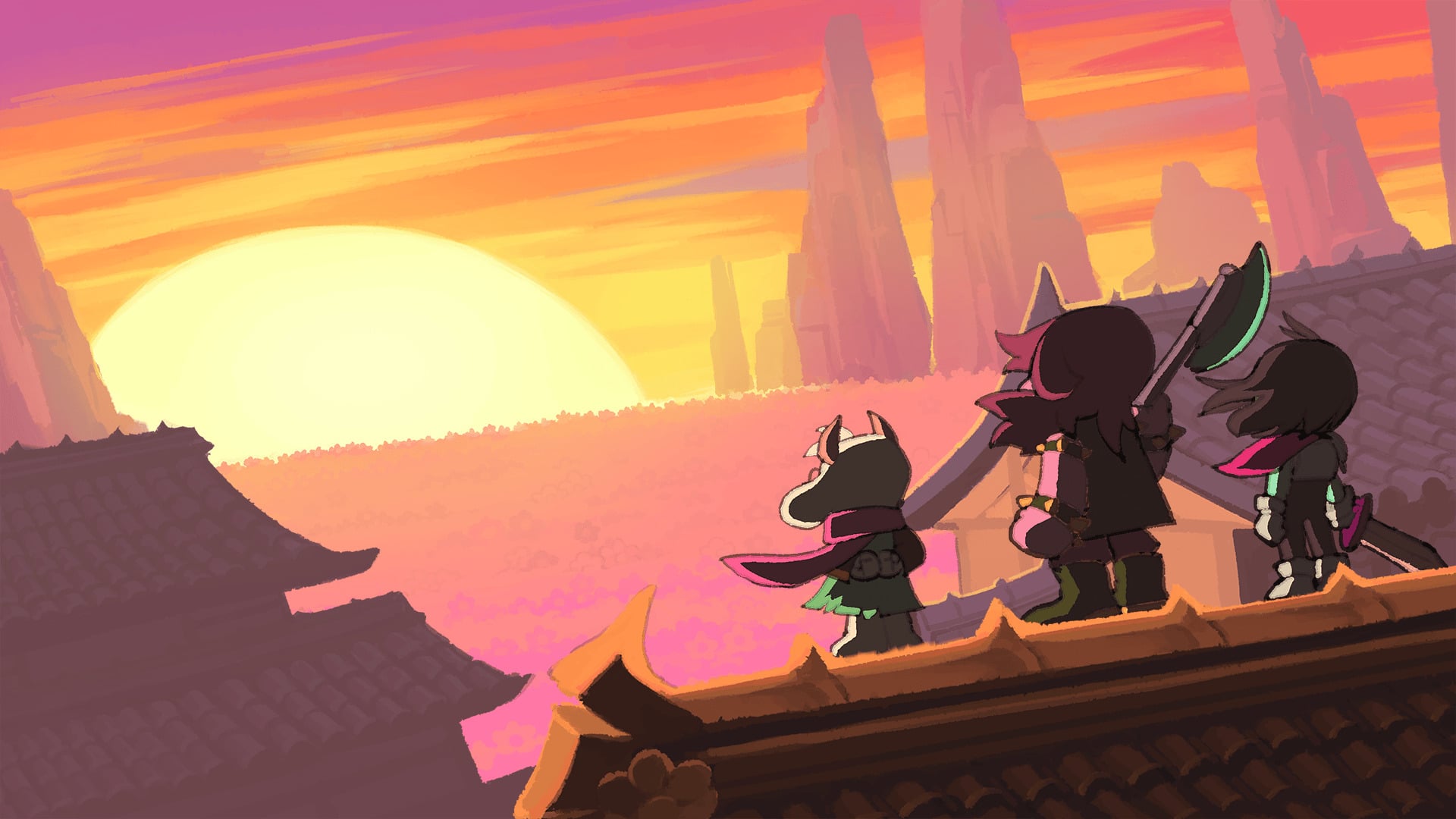
Understanding the "Before the Sun Goes Down" Mechanic
At its core, "Before the sun goes down" is a sophisticated time-management challenge layered over traditional gameplay. It dictates the rhythm of the game, splitting the player's objectives into distinct phases: the active, opportunity-rich daylight hours, and the dangerous, defensive period of night. This division forces players to adopt a proactive mindset, constantly thinking several steps ahead. It's not just about surviving the immediate threat; it's about making choices in the present that will secure survival in the future.
The Urgency of Daylight
Daylight is usually presented as a window of opportunity. Visibility is high, making it easier to navigate, spot resources, and identify threats from a distance. This is the prime time for exploration, scavenging, and completing objectives that might be too risky after dark. Players are encouraged to maximize every minute, knowing that the easy pickings won't last forever. Whether it's gathering rare crafting materials, rescuing stranded survivors, or scouting enemy locations, the daylight hours become a frantic period of preparation. The game often subtly, or not so subtly, pushes you along, perhaps with a visual cue of the sun slowly tracking across the sky, or a warning chime as dusk approaches. This subtle pressure creates a heightened sense of investment; every item picked up, every enemy dispatched, feels more meaningful because it contributes to the larger goal of nightfall survival.
The Peril of Nightfall
As the sun dips below the horizon, the game world typically undergoes a dramatic transformation. What was once navigable becomes treacherous. Enemy types may change, becoming stronger, more numerous, or possessing new, terrifying abilities. Player visibility plummets, often requiring the use of limited light sources like flashlights or flares, which in turn can attract unwanted attention. Safe zones become critical, and the focus shifts from offense to defense. Simply put, night is when the game often turns up the difficulty, testing the player's preparations and tactical prowess. The psychological impact of being hunted in the dark, with limited means and dwindling resources, is immensely powerful, tapping into primal fears.
Gameplay Mechanics That Thrive on Time Pressure
Many game design elements are perfectly suited to capitalize on the "Before the sun goes down" theme. These mechanics intertwine to create a cohesive and deeply engaging survival experience.
Scavenging and Resource Management
The daylight hours are paramount for scavenging. Players must prioritize what to collect: weapons, ammunition, healing items, food, water, and crafting components. The decision of whether to risk an extra few minutes to clear one more building for supplies, or to head back to base and start fortifying, becomes a constant dilemma. This mechanic forces careful resource management. Do you use that last healing item now, or save it for the inevitable night raid? Is that rare component worth the risk of venturing into a more dangerous area as shadows lengthen? Every choice has consequences, and the pressure of the ticking clock magnifies their importance.
Base Building and Fortification
A common companion to the day/night cycle is the ability to build or fortify a safe haven. During the day, players might collect wood, metal, and tools to construct barricades, upgrade defenses, and set traps. The race to complete these tasks "before the sun goes down" adds a tangible objective to exploration. A poorly fortified base means a harrowing night, potentially leading to the loss of precious resources or even character death. This mechanic rewards foresight and diligent effort, turning the player's base into a personal monument to their strategic planning. The satisfaction of successfully defending a well-prepared stronghold against the night's horrors is a core part of the appeal.
Mission Timers and Objectives
Sometimes, specific missions are explicitly tied to the day/night cycle. A crucial rescue mission might need to be completed before darkness makes the target impossible to find, or a crucial item must be delivered before the receiving party moves on. These timed objectives add a layer of narrative urgency, ensuring players can't simply dawdle. They encourage efficient pathfinding, quick decision-making, and often require players to abandon secondary tasks in favor of the primary, time-sensitive goal. Failure to meet these deadlines can result in dire consequences, from lost opportunities to outright mission failure, making the stakes incredibly high.
Character Abilities and Enemy Behavior
The shift from day to night often influences character abilities and enemy patterns. A character might have enhanced stealth at night but reduced visibility, or specific abilities that are only effective in darkness. Conversely, enemies might become more aggressive, faster, or gain new senses (like heightened hearing or smell) during nighttime hours. Some creatures might even be nocturnal, only emerging once the sun has set. This dynamic interplay forces players to adjust their playstyle dramatically between day and night, embracing different strategies and making each phase feel distinct and challenging in its own way.
The Psychological Impact of the Looming Sunset
Beyond the mechanical aspects, the "Before the sun goes down" mechanic is a masterclass in psychological manipulation within game design. It taps into fundamental human anxieties and instincts, making the gaming experience far more immersive and emotionally resonant.
Heightened Tension and Anxiety
As the virtual sun begins its descent, players often feel a palpable increase in tension. The vibrant, somewhat safer world of daylight slowly gives way to the oppressive, unknown threats of darkness. This build-up of anticipation is a powerful tool. It's not just the fear of what *will* happen, but the anxiety of not knowing if you're adequately prepared. The fading light itself becomes a visual metaphor for dwindling safety and increasing vulnerability, constantly reminding the player of the impending shift in challenge. This sustained tension keeps players on edge, making every rustle in the bushes or distant growl more impactful.
Forced Decision Making Under Pressure
The ticking clock forces players into difficult decisions. Do you risk one last supply run, knowing you might be caught out in the open when darkness falls? Or do you play it safe, returning to your shelter early, potentially missing out on vital resources? These choices aren't trivial; they often dictate the success or failure of the upcoming night. This constant pressure to make smart, timely decisions enhances player agency and makes the consequences of those decisions feel much more personal and significant. There's a fine line between calculated risk and reckless abandon, and the sunset acts as the ultimate arbiter.
Deepening Immersion and Realism
The day/night cycle grounds the game world in a sense of realism. It makes the environment feel alive and reactive, rather than a static backdrop. Players intuitively understand the difference between day and night, and projecting these real-world associations onto the game world deepens immersion. The need to adapt to the changing conditions reinforces the idea that the player character is truly vulnerable and exists within a dynamic, challenging environment, rather than being an all-powerful, unassailable hero. This cyclical nature of danger and reprieve mimics the rhythms of life, making the stakes feel more authentic.
Mastering Survival: Strategies for Conquering the Twilight
To truly thrive in games that emphasize the "Before the sun goes down" mechanic, players need to develop keen strategies and a strong understanding of their priorities.
Prioritization is Key
With limited daylight, players must become masters of prioritization. What's more important: finding a rare weapon upgrade or ensuring your base's perimeter defenses are fully repaired? Often, the answer lies in understanding the immediate threat. If the game warns of particularly aggressive nocturnal enemies, then defense preparations should take precedence. If you're critically low on a specific resource needed for a crucial night-time tool, then a focused scavenging run might be necessary. It's a continuous balancing act, always weighed against the approaching night. Learning to let go of less critical objectives in favor of urgent survival needs is a sign of a seasoned player.
Efficient Resource Management
Every item counts. Knowing what resources are plentiful and what are scarce helps dictate scavenging routes and crafting decisions. Do you use valuable metal to repair a broken fence, or save it for crafting much-needed ammunition? Understanding the crafting recipes and their requirements is essential. Furthermore, effective inventory management ensures you're not wasting precious time shuffling items or making unnecessary trips back to base. Carrying the right tools for the job, and enough supplies to last the night, is paramount. This often involves difficult choices about what to leave behind, as inventory space is frequently limited.
Understanding Enemy Patterns
Many games with day/night cycles feature distinct enemy behaviors. Some creatures might be completely passive during the day but become hyper-aggressive at night. Others might have heightened senses in the dark, making stealth approaches more challenging but not impossible. Learning these patterns is crucial for both day-time planning and night-time survival. Knowing where nocturnal enemies patrol, what triggers their aggression, and their weaknesses can turn a seemingly impossible night into a manageable one. Observation and adaptation become powerful weapons.
Strategic Use of Safe Havens
Whether it's a pre-built settlement, a fortified player-made base, or a temporary hiding spot, knowing where and how to safely spend the night is vital. These safe zones often provide opportunities to heal, craft, store items, and regroup. Planning your daily excursions to ensure you can return to a safe haven before darkness falls is a fundamental strategy. Sometimes, being caught away from your base means finding an improvised shelter, adding another layer of desperate improvisation to the survival experience. The concept of a "home base" truly gains meaning when it's the only place you feel secure from the encroaching night.
The Thematic Resonance of Darkness and Deadlines
The allure of "Before the sun goes down" extends beyond mere mechanics; it taps into universal human experiences and fears.
The Universal Fear of Darkness
From childhood stories to ancient myths, darkness has always been associated with the unknown, with danger, and with vulnerability. This primal fear is expertly leveraged in games. The loss of sight, the inability to discern threats, and the sense of isolation that night brings are deeply unsettling. Games amplify this by populating the darkness with monsters and perils, transforming a natural phenomenon into a source of constant dread. This connection to a fundamental human fear makes the "Before the sun goes down" mechanic incredibly effective and universally relatable.
Symbolism of Time and Mortality
The countdown to sunset can also symbolize the finite nature of resources, opportunities, and even life itself. It's a constant reminder of mortality, pushing players to make the most of the time they have. In many survival games, every day could be your last, and the sunset represents a symbolic reckoning, a test of your efforts. This philosophical undertone adds depth to the gameplay, transforming resource gathering and fortification into a struggle not just against monsters, but against the relentless march of time.
The Hope of a New Day
Crucially, if players successfully navigate the night, the dawn brings a sense of profound relief and renewal. The sun rising after a harrowing night is often a moment of quiet triumph, a reaffirmation of survival. It signals a new cycle of opportunity, a chance to gather more resources, heal wounds, and prepare for the next challenge. This cyclical pattern of dread and relief creates an addictive loop that drives players to keep pushing forward, making each successful sunrise feel like a hard-won victory. It's the ultimate reward for enduring the trials of darkness.
Conclusion: The Enduring Power of the Sunset
The simple phrase "Before the sun goes down" holds immense power in the gaming world. It's a brilliant piece of game design that synthesizes urgency, strategy, psychological tension, and thematic depth into a compelling core experience. It transforms every scavenger hunt into a race, every fortification effort into a desperate plea for safety, and every passing minute into a precious commodity. For games like the one suggested by the "Dr5" key art, this mechanic isn't just a feature; it's the heartbeat of the survival experience.
By forcing players to contend with the relentless march of time and the dramatic shift in danger that comes with nightfall, developers create worlds that feel truly alive, challenging, and deeply immersive. The looming sunset serves as a constant, silent antagonist, pushing players to their limits and rewarding smart planning and quick thinking. It reminds us that in the face of overwhelming odds, survival isn't just about fighting; it's about preparation, adaptation, and an unwavering will to see the next dawn. So, as you venture forth in your next virtual adventure, pay heed to the sky – for when the sun goes down, the real challenge truly begins.
What are your favorite games that leverage the day/night cycle or explicit time limits to enhance the gameplay? How do you prepare for the impending darkness in these challenging survival scenarios? Share your thoughts and strategies in the comments below!
from Kotaku
-via DynaSage
