
Cheaper, Lighter Apple Vision Pro Successor Could Arrive in Late 2028
Apple's Next Big Bet: A Lighter, Cheaper Vision Pro and Stylish Smart Glasses on the Horizon
Apple is always looking ahead, pushing the boundaries of technology. While its groundbreaking Vision Pro headset has only recently captivated the tech world, the company is already hard at work on its next generation of spatial computing devices. Exciting news from industry insider Mark Gurman at Bloomberg suggests that we can expect a more affordable and lighter successor to the Vision Pro, though it won't arrive until late 2028 or even 2029. In the meantime, Apple is also making significant strides with a completely different project: sleek smart glasses, which might land in our hands much sooner, perhaps by late 2027.
This news outlines a fascinating two-pronged strategy from Apple. On one hand, they are refining their high-end, immersive Vision Pro experience, aiming to make it more accessible and comfortable. On the other, they are exploring a more subtle, everyday form of augmented reality with their smart glasses. Let's dive deeper into what these developments mean for the future of Apple and how we interact with technology.
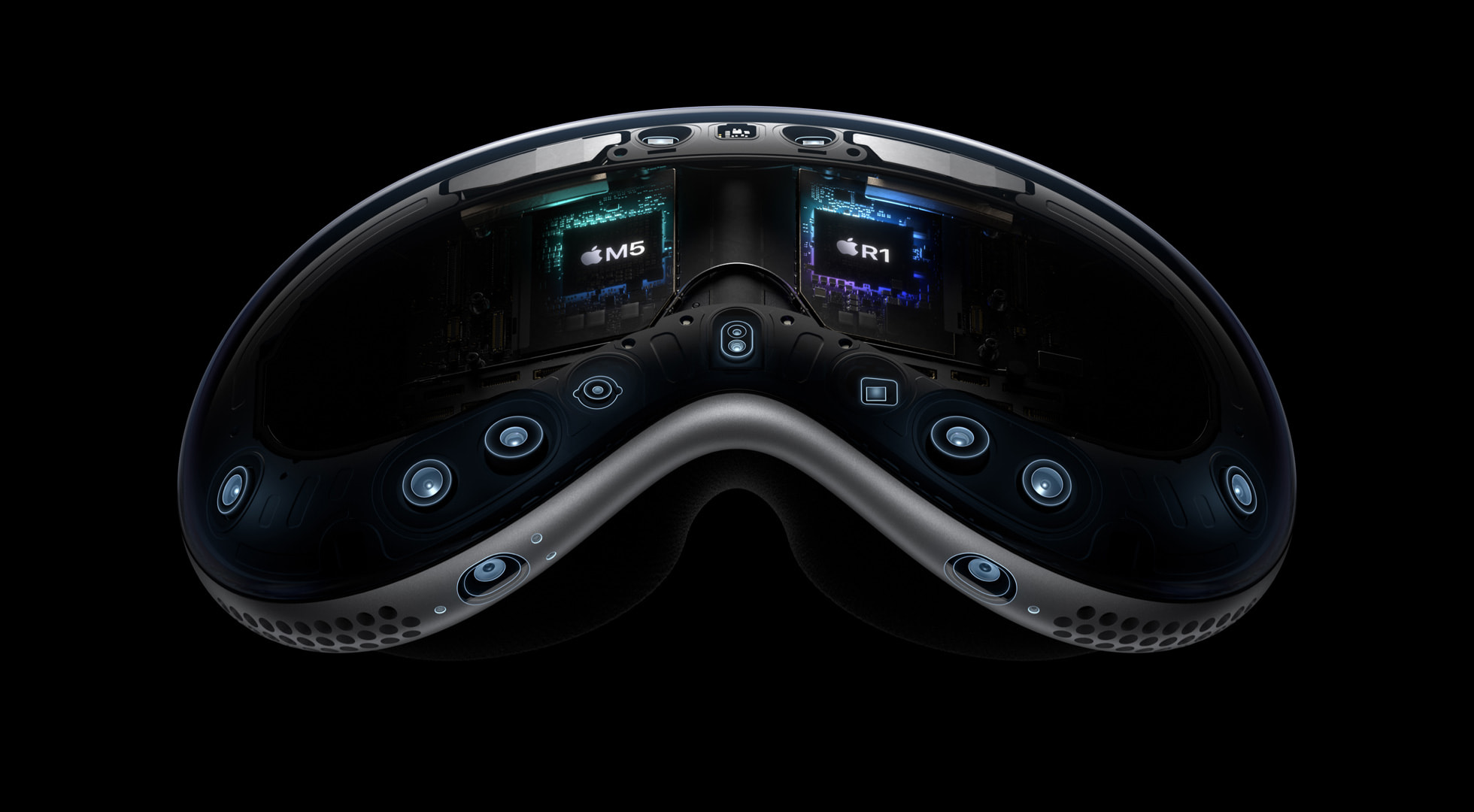
The Current Vision Pro: A Glimpse into the Future, But With Room to Grow
When Apple unveiled the Vision Pro, it introduced the world to "spatial computing" – a new way of blending digital content with the physical world. It's an incredible piece of engineering, allowing users to interact with apps, watch movies, and even work in a truly immersive three-dimensional space. However, as Gurman noted in his recent Power On newsletter, the current model has some characteristics that limit its widespread adoption. At a price point of $3,499, it's a significant investment, making it a luxury item for early adopters and developers rather than a mainstream consumer product.
Beyond the cost, the Vision Pro's design, while advanced, is also quite substantial. Its weight and form factor, which includes an external battery pack, can impact comfort during extended use. Gurman's observation that the category is "on ice" until Apple can address these issues is telling. It means that while the Vision Pro is a groundbreaking product, Apple recognizes the need for substantial improvements in design and cost before it can truly take off with a broader audience. The initial Vision Pro serves as a foundational platform, a test bed for a completely new computing paradigm, allowing Apple to gather invaluable user feedback and refine its vision for spatial computing.
The Vision Pro is essentially Apple's first step into a completely new product category since the Apple Watch. It showcases incredible technological feats, from its stunning micro-OLED displays that offer an unparalleled visual experience to its sophisticated array of cameras and sensors that enable precise eye and hand tracking. The power of its M-series chip allows for complex real-time processing, blurring the lines between the digital and physical. Yet, Apple knows that for any truly revolutionary product to become ubiquitous, it must overcome barriers of price, comfort, and everyday usability. The next iteration aims to tackle these head-on.
The October 2025 refresh, which brought an updated model featuring an M5 chip, was a clear sign of Apple's ongoing commitment to improving the Vision Pro experience. This update likely focused on enhancing performance, efficiency, and perhaps even refining some software aspects, demonstrating that development is continuous even as they plan for a larger overhaul. This iterative approach is typical for Apple, allowing them to bake in the latest chip technology and minor improvements while the next big hardware leap is still in the works.
The Vision Pro Successor: Cheaper, Lighter, and More Accessible
Why a Cheaper, Lighter Design is Crucial
The call for a "slimmer design" and a lower "cost" for the next Vision Pro is not merely a wish list; it's a strategic imperative for Apple. For any technology to move from niche to mainstream, it typically needs to become more affordable and more comfortable for everyday use. Imagine wearing a device for extended periods – whether for work, entertainment, or communication – it needs to feel almost invisible.
Reducing the weight of the Vision Pro is paramount for user comfort. The current model, while balanced, is noticeable on the head. A lighter design would lessen neck strain, make it more practical for longer sessions, and generally improve the physical experience of spatial computing. This would involve engineering breakthroughs in materials science, battery technology, and the miniaturization of internal components. Apple will likely explore lighter chassis materials, more efficient cooling systems that don't require bulky components, and perhaps even a redesigned strap system that better distributes weight.
Bringing down the cost is equally vital for expanding the Vision Pro's market reach. A $3,499 device appeals to a very specific demographic. To achieve the kind of mass adoption seen with iPhones or even iPads, the price needs to be significantly lower. This could be accomplished through several avenues:
- Component Optimization: Sourcing more cost-effective displays, processors, and sensors without sacrificing too much performance.
- Manufacturing Efficiencies: Streamlining production processes to reduce labor and material waste.
- Design Simplification: Potentially removing some advanced, high-cost features that aren't essential for the core spatial computing experience, or offering different tiers of Vision Pro devices.
- Battery Solutions: Integrating the battery more seamlessly or developing smaller, lighter, and more energy-dense batteries that don't require a separate pack.
The goal isn't just to make it cheaper; it's to make it a compelling value proposition for a broader segment of consumers, encouraging more people to step into the world of spatial computing.
The Timeline: Late 2028 or 2029
Gurman's suggested timeline of late 2028 or 2029 for the Vision Pro successor highlights the complexity and ambition of these design and cost challenges. This isn't a simple annual refresh; it's a significant re-engineering effort. Such a timeframe allows Apple several years to:
- Develop and perfect new manufacturing techniques.
- Negotiate better pricing for advanced components as the technology matures.
- Innovate in battery and display technology.
- Gather extensive user data from the first Vision Pro generation to inform design decisions.
- Allow the broader AR/VR ecosystem to mature, with more developers creating compelling spatial apps.
This long lead time also suggests that Apple is not rushing this product. They are committed to delivering a refined, comfortable, and ultimately more accessible version that truly embodies their vision for the future of personal computing. The wait underscores Apple's meticulous approach to product development, especially when charting new territories.
Apple's Pivot to Smart Glasses: A Different Approach to Augmented Reality
While the Vision Pro successor aims to refine the high-end spatial computing experience, Apple is also pursuing a parallel, perhaps even more impactful, path: smart glasses. This project has gained significant momentum, with former members of the Vision Products Group reportedly being reassigned to this team. Gurman specifies that these are distinct from the long-rumored "Vision Air," which was reportedly cancelled last year. Instead, these new smart glasses are the current focus, with a potential release as early as "late 2027."
What are Apple's Smart Glasses?
Unlike the Vision Pro, which offers a fully immersive experience that can transport you to different environments, smart glasses are expected to be much more subtle and designed for everyday wear. Think of them as an extension of your iPhone, seamlessly integrating digital information into your field of view without overwhelming it. They are likely to feature:
- Discreet Design: The primary goal will be to make them look like regular eyeglasses, appealing to fashion and daily usability.
- Augmented Reality Overlays: Displaying essential information like notifications, directions, calendar alerts, or even subtle AI-generated insights directly onto your lenses.
- Audio Capabilities: Built-in speakers for calls, music, and voice assistance (Siri).
- Camera for Capture: A small camera for discreetly taking photos or videos, much like Meta's Ray-Ban smart glasses, but likely with Apple's emphasis on privacy controls.
- Integration with the Apple Ecosystem: Deep ties with your iPhone, Apple Watch, and other Apple services, making them a natural extension of your digital life.
- AI Focus: Given the recent emphasis on AI, these glasses could be a primary interface for Apple's generative AI features, offering real-time information or assistance based on your surroundings.
The emphasis here is on convenience, subtlety, and enhancing daily life without demanding your full attention. They aim to be a more practical, less intrusive way to interact with digital information in the real world.
Why the Shift in Focus?
The reported cancellation of "Vision Air" and the subsequent focus on dedicated smart glasses signals a strategic recalibration for Apple. While the Vision Pro is a powerful spatial computer, its form factor and price limit its potential for widespread, always-on use. Smart glasses, conversely, target a much larger market by prioritizing:
- Mass Market Appeal: A more conventional form factor and a likely lower price point will make them accessible to a broader audience.
- All-Day Wearability: Comfort and discreet design are critical for devices meant to be worn for hours, fitting seamlessly into daily routines.
- Subtle Augmentation: Rather than full immersion, smart glasses focus on enhancing reality with relevant, glanceable information. This approach is less disorienting and more socially acceptable.
- Complementary to iPhone: They will likely function as an accessory to the iPhone, much like the Apple Watch, rather than a standalone computing device like the Vision Pro.
This project reflects Apple's broader smart wearable development strategy, which integrates technology seamlessly into our lives without being overly intrusive. The idea is to make technology disappear into the background, providing information and assistance only when needed.
Challenges for Apple's Smart Glasses
Despite the promise, developing smart glasses presents unique challenges for Apple:
- Battery Life: Squeezing enough battery capacity into a lightweight glasses frame to last a full day will be a significant engineering feat.
- Display Technology: Integrating subtle, high-resolution displays into lenses that don't obscure vision or look clunky requires advanced optics, possibly using waveguide technology or micro-LED projectors.
- Fashion Integration: Making them look stylish and appealing, something that people genuinely want to wear, will be key to their success. Apple has a strong history in design, but eyewear is a highly personal aesthetic.
- Privacy Concerns: With built-in cameras and microphones, concerns about recording individuals without their knowledge will need careful addressing through clear indicators and robust privacy controls.
- Input Methods: How will users interact with these glasses? Voice commands (Siri), subtle gestures, or small touch areas on the temples are likely candidates.
Overcoming these challenges while maintaining Apple's standard for design and user experience will be critical for a successful launch in late 2027.
Apple's Broader Strategy in Spatial Computing and Wearables
This dual approach – refining the premium Vision Pro for immersive experiences and developing subtle smart glasses for everyday use – paints a clear picture of Apple's long-term strategy in the augmented and virtual reality space. It's not about choosing one technology over the other; it's about creating a spectrum of devices that cater to different needs and use cases.
The Vision Pro, even in its current form, is a powerful tool for developers, creatives, and professionals who need immersive workspaces or unparalleled entertainment. Its successor aims to make that power more accessible and comfortable, potentially defining a new category of personal computers. Meanwhile, the smart glasses represent the mass-market play, a natural evolution of the smartphone and wearable trend, bringing glanceable, contextual information directly into our line of sight without requiring us to pull out a device.
Apple's approach is often characterized by a patient, iterative process. They don't always jump into new categories first, but when they do, they aim to redefine them with polished, user-friendly products. The Vision Pro laid the groundwork, and now Apple is learning, adapting, and expanding its vision for how spatial technology can integrate into our lives. This deliberate pace allows them to observe market reactions, refine core technologies, and ensure a robust ecosystem of apps and services is ready for their next big launch.
The company's immense resources and talent pool are undoubtedly focused on these projects. The reassignment of Vision Products Group members to the smart glasses team underscores the priority given to this more ubiquitous form of AR. It suggests that while the Vision Pro is a flagship, the smart glasses might be the product that truly brings augmented reality to the masses, much like the original iPhone brought smartphones to everyone.
The Competitive Landscape and Apple's Unique Position
The augmented and virtual reality market is heating up, with companies like Meta (with its Quest headsets and Ray-Ban smart glasses), Samsung, and Google all making significant investments. Meta has been aggressively pushing its vision of the metaverse, while others are exploring various forms of AR devices. Apple enters this arena with several distinct advantages:
- Brand Loyalty and Ecosystem: Millions of users are deeply embedded in the Apple ecosystem, making integration with their existing devices a powerful draw.
- Design and User Experience: Apple's reputation for elegant design and intuitive software is a major differentiator.
- Developer Community: A vast and active developer community is eager to create apps for new Apple platforms, which is crucial for the success of any new computing paradigm.
- Privacy Focus: While challenges remain, Apple's strong stance on user privacy could be a significant selling point for personal wearables like smart glasses.
However, Apple also faces challenges. The XR market is still nascent, and educating consumers about the value proposition of these new devices is a big task. Overcoming technical hurdles in battery life, display technology, and processing power in compact form factors remains a collective industry challenge. But with its long-term vision and commitment to innovation, Apple is uniquely positioned to shape the future of how we interact with the digital world.
Conclusion: A Future Shaped by Spatial Computing and Subtle AR
The news from Mark Gurman paints a clear picture of Apple's ambitious plans for the future of computing. We're looking at a future where immersive "spatial computers" like the Vision Pro evolve to become lighter, more comfortable, and more accessible, potentially transforming how we work, learn, and play.
Simultaneously, the accelerated development of Apple's smart glasses suggests a future where augmented reality subtly enhances our everyday lives, providing information and assistance without ever needing to reach for a phone. These two distinct but complementary product lines demonstrate Apple's comprehensive strategy to redefine personal technology. Whether you're seeking deep immersion or glanceable convenience, Apple appears to be preparing a solution that aims to seamlessly integrate digital experiences into our physical world.
The journey from the current Vision Pro to a refined successor and the debut of sophisticated smart glasses is an exciting one. It underscores Apple's enduring commitment to innovation and its belief that spatial computing is not just a passing trend, but the next major frontier in technology. We eagerly await to see how these advancements will shape our digital future in the years to come.
This article, "Cheaper, Lighter Apple Vision Pro Successor Could Arrive in Late 2028" first appeared on MacRumors.com
Discuss this article in our forums
from MacRumors
-via DynaSage
