
Apple Removes Walkie-Talkie From Apple Watch in watchOS 27 Beta
Apple's Walkie-Talkie App Quietly Disappears from Apple Watch in watchOS 27 Beta
In a move that has largely gone unnoticed by many, Apple has seemingly removed the Walkie-Talkie app from the Apple Watch as part of the first developer beta release of watchOS 27. This quiet disappearance, observed by developers and early testers, signifies a potential shift in Apple's strategy for communication features on its popular wearable device. The app, which once promised a novel way for Apple Watch users to stay in touch, is now absent from both the app list and the Control Center, leaving many to wonder about its future.
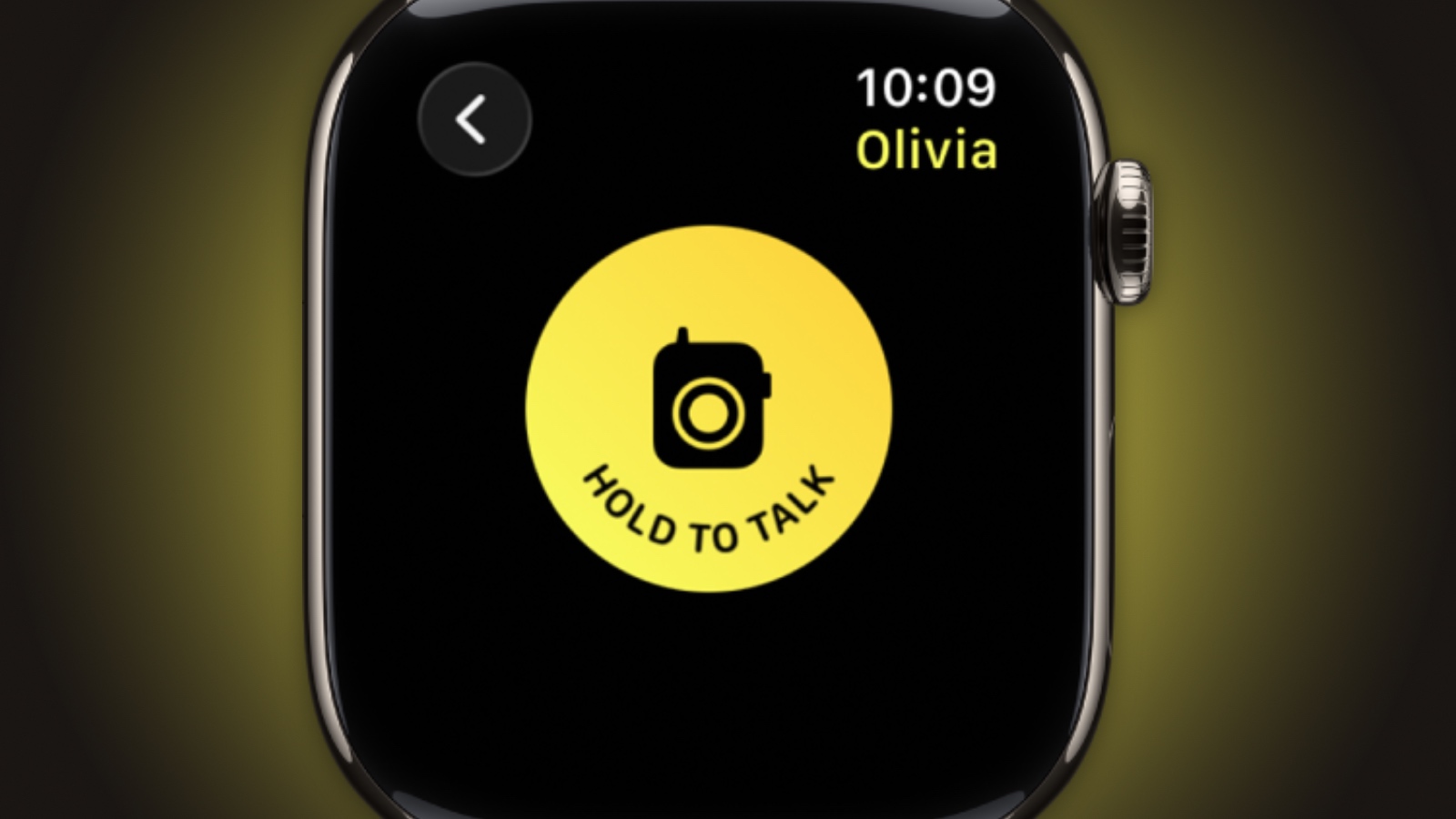
A Look Back: The Rise and Quiet Fall of Walkie-Talkie on Apple Watch
The Walkie-Talkie app made its debut alongside watchOS 5 in 2018, heralded as an exciting new communication tool for Apple Watch users. At its core, the app aimed to replicate the classic push-to-talk experience of traditional walkie-talkies, but with a modern, digital twist. Instead of relying on short-range radio frequencies, Apple's Walkie-Talkie leveraged Wi-Fi or cellular connections, fundamentally changing the game. This meant that two Apple Watch users could communicate instantly, much like they would with a traditional walkie-talkie, but without any distance limitations. Whether across the room, across town, or even across continents, as long as both users had an internet connection on their Apple Watch or paired iPhone, communication was possible.
The underlying technology powering this innovative feature was Apple's robust FaceTime infrastructure. By building on an already established and secure communication backbone, Apple intended to offer a reliable and high-quality audio experience. The idea was simple: press and hold a button on the Apple Watch screen, speak your message, and release the button to send it. The recipient would then hear the message almost instantly, and could respond in kind. This intuitive interface was designed to make quick, informal conversations easier than ever, often eliminating the need to pull out an iPhone for a brief chat.
At its launch, the Walkie-Talkie app sparked considerable interest. It represented a unique proposition in the crowded field of communication apps, offering a distinct advantage over standard messaging or calling. For families, friends, or colleagues who frequently needed to exchange short bursts of information, it seemed like a perfect fit. Imagine coordinating at a crowded event, checking in with a child at home, or quickly asking a co-worker a question without initiating a full phone call or typing out a text message. The promise was clear: instant, effortless, and hands-free communication directly from your wrist. It offered a level of immediacy that other forms of communication sometimes lacked, blending the convenience of voice with the accessibility of a wearable device.
Despite this initial promise and innovative approach, the Walkie-Talkie app struggled to gain significant traction or receive ongoing development attention from Apple. Over the years that followed its release, across eight major watchOS updates, the app remained largely unchanged. There were no meaningful new features, no significant interface overhauls, and no apparent efforts to integrate it more deeply with other Apple services or enhance its user experience. This lack of evolution signaled to many that the app might not have achieved the widespread adoption or strategic importance Apple initially envisioned.
A Security Scare That Dimmed Enthusiasm
Adding to the app's challenges, a significant security vulnerability emerged shortly after its debut, forcing Apple to temporarily disable the Walkie-Talkie feature entirely. This incident, which occurred in the summer of 2019, revealed a flaw that could potentially allow a user to listen through another person's iPhone microphone without their knowledge or consent. This was a serious breach of privacy, directly contradicting Apple's strong stance on user security and privacy protection.
Upon discovery, Apple acted swiftly, taking the app offline globally while they investigated and developed a fix. The company acknowledged the issue, stating that they apologized for the vulnerability and were working to resolve it as quickly as possible. The fix eventually arrived with the watchOS 5.3 update. While Apple successfully patched the security hole and restored the app's functionality, the incident undoubtedly cast a shadow over the Walkie-Talkie's reputation. Such a privacy-related bug, especially one involving unauthorized listening, deeply eroded user trust and made many hesitant to embrace the feature fully. For an app designed for intimate, direct communication, any perceived security risk could be a fatal blow to its long-term viability. This episode did little to build lasting enthusiasm, and the app never quite recovered its initial sparkle in the eyes of many users.
The Quiet Retirement: Why Did Walkie-Talkie Disappear?
The unannounced removal of the Walkie-Talkie app in the watchOS 27 developer beta has not been officially confirmed by Apple. However, users who have installed the first beta are reporting that the app is simply gone. It does not appear in the list of available applications, nor is there an option to reinstall it from the App Store on the Watch. This silent disappearance, without any accompanying press release or developer notes, strongly suggests a deliberate decision rather than an accidental omission.
While watchOS 27 is still in its very early beta testing phase, and there's always a slim chance that Apple could reintroduce the app before the software's public release later this year, the historical context makes this unlikely. Given the feature's consistent neglect over the past several years, its removal feels more like a quiet retirement for a sunsetted product rather than a temporary bug or an oversight. Apple typically maintains features that have strong user engagement or strategic importance, and the Walkie-Talkie app appears to have fallen short on both counts.
Several factors likely contributed to Apple's decision to discontinue the Walkie-Talkie app:
1. Low User Adoption and Engagement
This is arguably the most significant reason. Despite its initial novelty, it's probable that the Walkie-Talkie app never achieved widespread, sustained usage among the majority of Apple Watch owners. While a niche group of users might have found it invaluable, the broader user base likely preferred more traditional and versatile communication methods available on their iPhones or even directly on their Apple Watches. Apps like iMessage, standard phone calls, and even FaceTime Audio offer richer, more established, and often more convenient communication experiences. The unique "push-to-talk" mechanic, while appealing to some, might have felt limiting or less flexible compared to the full duplex audio of a phone call or the asynchronous nature of text messaging.
Apple tracks feature usage extensively, and if the numbers for Walkie-Talkie were consistently low, it would be a prime candidate for removal to streamline the operating system and focus resources elsewhere. In an ecosystem as vast as Apple's, every feature must justify its existence in terms of user value and ongoing development cost.
2. Redundancy with Existing Communication Methods
The Apple Watch already boasts a robust suite of communication tools. Users can send and receive iMessages, make and take phone calls, and even conduct FaceTime Audio calls (though these initiate on the iPhone). The Walkie-Talkie app, while offering a distinct interface, ultimately provided a form of voice communication that could often be accomplished through these other means. For many, the slight convenience of push-to-talk over a quick phone call might not have been enough to consistently choose it over more familiar options. The unique selling proposition of "communication over any distance" was also mitigated by the fact that iMessage and calls already offer this, even if the interaction model is different.
3. Maintenance Burden and Resource Allocation
Even a seemingly simple app like Walkie-Talkie requires ongoing maintenance, security updates, and compatibility testing with new watchOS versions, new Apple Watch hardware, and evolving network technologies. Given the security vulnerability incident in its early days, it's clear that such communication features require vigilant oversight. If the app's user base was small, the resources dedicated to its upkeep, testing, and potential future development might have been deemed better spent on other, more impactful features within watchOS or on new initiatives for the Apple Watch. Apple continuously evaluates its product offerings to ensure that engineering and development efforts are focused on areas that provide the greatest value to the largest number of users.
4. Evolving Vision for the Apple Watch
The Apple Watch has evolved significantly since its introduction, with a growing emphasis on health, fitness, and overall wellness. While communication remains a core function, it's possible that Apple is refining the device's identity, perhaps moving away from niche communication tools towards a more streamlined and essential set of features. Consolidating communication options or removing less-used ones could be part of a broader strategy to simplify the user experience and prevent feature bloat, ensuring that the Watch remains focused on its primary strengths and future innovations.
Impact and Alternatives for Apple Watch Users
For the segment of users who genuinely relied on the Walkie-Talkie app, its removal will undoubtedly be a disappointment. These users appreciated its instant, informal nature and the unique push-to-talk interaction. For them, the loss of this direct, hands-free method of communication will necessitate a search for alternatives.
Fortunately, the Apple Watch ecosystem offers several robust communication options:
- iMessage: For text-based communication, iMessage remains the primary choice. Users can dictate messages, send pre-written replies, or even use a tiny keyboard on newer Watch models.
- Phone Calls: Making and receiving calls directly from the Apple Watch is a fundamental feature, offering full duplex audio for more traditional conversations.
- FaceTime Audio: While primarily initiated from an iPhone, FaceTime Audio calls can be seamlessly transferred to or answered on the Apple Watch, providing high-quality audio communication.
- Third-Party Apps: Apps like Telegram, WhatsApp, and Discord often offer voice messaging features, which could serve as a functional replacement for the push-to-talk experience, albeit often requiring more taps to initiate.
While these alternatives provide similar functionality, none perfectly replicate the specific interaction model and instant availability of the native Walkie-Talkie app. Its removal highlights Apple's willingness to prune features that, despite their initial appeal, do not gain sufficient traction or align with the long-term strategic direction of a product.
What Lies Ahead for watchOS 27?
The first developer beta of watchOS 27 signals the beginning of an exciting period for Apple Watch users. While the Walkie-Talkie's disappearance might be a notable point, the broader update is expected to bring a host of new features, performance improvements, and potentially new health and fitness capabilities. A public beta of watchOS 27 is anticipated to arrive next month, giving a wider range of users the opportunity to test the upcoming software. The full public launch is typically slated for the fall, usually coinciding with the introduction of new Apple Watch models. This annual cycle of hardware and software updates ensures that the Apple Watch continues to evolve and offer fresh experiences to its users.
The removal of a feature, especially one that has been part of the watchOS experience for several years, can sometimes create a void. However, it also opens up possibilities for Apple to introduce new, perhaps more integrated or more widely appealing, communication features in the future. It allows the company to reallocate engineering talent to areas that are seeing greater innovation and user demand. As Apple refines its vision for the Apple Watch, it's likely that we will see continued advancements in health monitoring, fitness tracking, and smart home integration, further solidifying the device's role as a versatile and indispensable companion.
The quiet removal of Walkie-Talkie from the Apple Watch in watchOS 27 beta is a small but telling development. It underscores the dynamic nature of software development and Apple's pragmatic approach to managing its vast ecosystem of features. While some will mourn its loss, its disappearance speaks volumes about user preferences, resource allocation, and the ever-evolving strategic direction of the Apple Watch. As the fall release approaches, all eyes will be on Apple to see what new innovations and refinements watchOS 27 will truly bring to the wrist.
The discontinuation of the Walkie-Talkie app serves as a reminder that even features launched with fanfare can eventually fade if they don't resonate with a large enough audience or align with the long-term product vision. It's a common practice in the tech industry to prune features that become redundant, problematic, or simply underutilized, allowing companies to streamline their offerings and concentrate on core experiences that truly matter to the majority of their users. This decision, though quiet, is a testament to Apple's continuous effort to optimize the Apple Watch experience, ensuring it remains at the forefront of wearable technology.
As we anticipate the full public release of watchOS 27, the conversation around the Apple Watch will undoubtedly shift from the loss of a specific app to the exciting possibilities of what new features and improvements will take its place. Apple's commitment to privacy, security, and user experience remains paramount, and every decision, including the quiet retirement of Walkie-Talkie, is likely made with these core values in mind.
The future of communication on the Apple Watch might not include a dedicated push-to-talk app, but it will undoubtedly continue to offer innovative and convenient ways for users to stay connected, reflecting the evolving landscape of personal technology and the demands of modern life. The Apple Watch has always been about more than just telling time; it's about seamlessly integrating technology into our daily lives, and this evolution, however subtle, is a part of that ongoing journey.
This article, "Apple Removes Walkie-Talkie From Apple Watch in watchOS 27 Beta" first appeared on MacRumors.com
Discuss this article in our forums
from MacRumors
-via DynaSage
