
An ‘Actual Burning Of Alexandria Moment’: RPG Maker Users Scramble To Preserve 14 Years Of Important Resources
The RPG Maker Forum Closes: A Glimmering Legacy at Risk of Fading
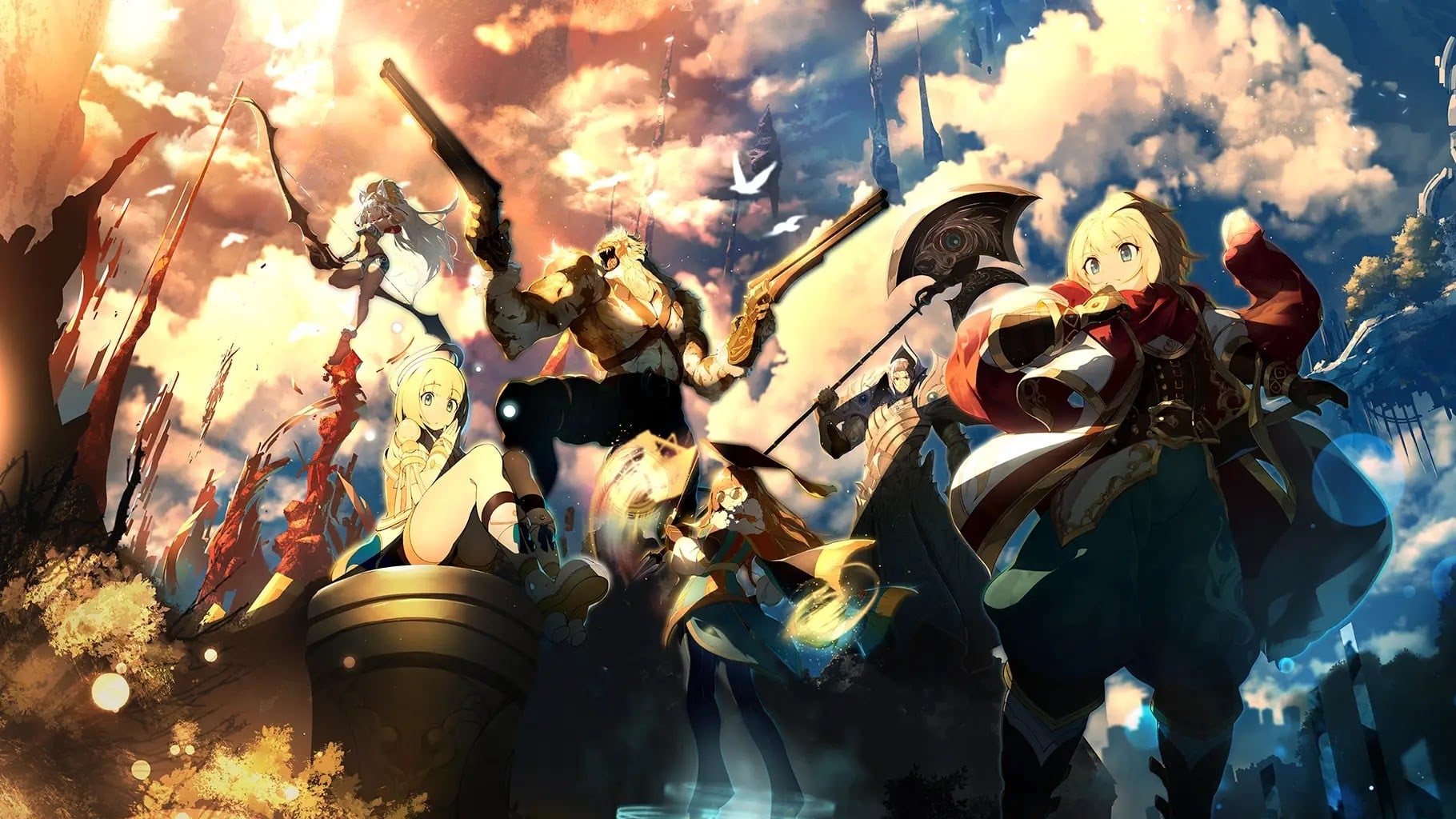
A vast, almost countless amount of creative tools and knowledge for game development are now in danger of being lost forever. This critical situation has arisen because the main online meeting place for fans and creators, the RPG Maker Forum, has closed its doors. For decades, this forum was a treasure chest of shared resources, ideas, and support, crucial for thousands of aspiring and professional game developers using the popular RPG Maker software. The closure doesn't just mean a website is gone; it signifies a potential void in the history and future of independent game creation, threatening to erase countless hours of community effort and innovation.
The implications of this closure are far-reaching. It's not merely about losing access to old posts; it’s about the potential disappearance of unique scripts, custom graphics, detailed tutorials, and collaborative projects that were born, nurtured, and shared exclusively within that digital space. These resources represent the collective ingenuity of a passionate community, enabling individuals from all walks of life to bring their dream role-playing games (RPGs) to life without needing deep programming knowledge. The loss feels like a chapter closing on a vibrant era of digital collaboration, leaving many to wonder how the RPG Maker ecosystem will adapt and what can be done to salvage this invaluable legacy.
What is RPG Maker? The Gateway to Indie Game Dreams
To truly grasp the gravity of the RPG Maker Forum's closure, one must first understand the software itself. RPG Maker is a series of programs designed to help users create their own video games, primarily role-playing games (RPGs), with relative ease. First launched in Japan in the early 1990s, it gained international popularity for its user-friendly interface, allowing individuals with little to no coding experience to design complex narratives, intricate worlds, and engaging combat systems. Instead of writing lines of code, users visually construct their games by placing tiles on a map, setting up events with simple commands, and importing graphics and music.
Over the years, various versions have been released, such as RPG Maker XP, VX Ace, MV, and MZ, each building upon its predecessor with new features and improved capabilities. The core appeal remains the same: democratizing game development. It empowers storytellers, artists, and dreamers to become game creators, bypassing the steep learning curve often associated with professional game engines. This accessibility has led to the creation of thousands of unique indie games, some of which have achieved commercial success and cult status, demonstrating the immense creative potential unlocked by the software.
RPG Maker provides a robust set of tools out-of-the-box, including character sprites, tilesets (the graphical components that make up maps), music, and sound effects. However, its true power lies in its extensibility. Developers can customize almost every aspect of their games by importing their own assets, writing custom scripts or plugins, and modifying the game engine itself. This is where the community, and particularly the RPG Maker Forum, played an absolutely vital role. It transformed a powerful tool into an almost limitless creative sandbox by fostering a culture of sharing and mutual support.
The software has cultivated a massive global community. For many, RPG Maker was their first step into game development, a place where they learned fundamental design principles, problem-solving, and collaborative skills. It represents more than just a piece of software; it's a foundation for countless creative journeys and a symbol of accessible game creation for the masses. Its impact on the indie game scene cannot be overstated, having inspired and launched the careers of many developers who might never have started without its approachable framework.
The RPG Maker Forum: A Digital Cornerstone of Creativity and Collaboration
For nearly two decades, the RPG Maker Forum stood as the undisputed central hub for the global RPG Maker community. It was far more than just a message board; it was a vibrant ecosystem where creators converged to learn, share, and collaborate. From beginners struggling with their first event command to seasoned developers crafting intricate custom systems, everyone found a place within its extensive categories and sub-forums. It was a digital Mecca for all things RPG Maker, an indispensable resource that fueled the engine of countless projects.
Think of it as a vast digital library, workshop, and social club rolled into one. Here, new users could post their questions and receive guidance from experienced members, effectively receiving free, peer-to-peer education in game design and scripting. Expert programmers shared their custom-made scripts and plugins, extending the functionality of RPG Maker beyond its default capabilities. Artists showcased their unique character sprites, monster designs, and environmental tilesets, allowing others to use them in their own games. Musicians offered original soundtracks and sound effects, enriching the auditory experience of projects.
The Diverse Resources Shared on the Forum Included:
- Scripts and Plugins: These code snippets allowed users to add new features, change battle systems, modify menus, implement complex events, and much more, pushing the boundaries of what was possible with RPG Maker.
- Graphics and Sprites: A staggering array of custom pixel art, character sets, monster sprites, tilesets, battlebacks, and portraits were freely shared, enabling developers to give their games a unique visual identity.
- Music and Sound Effects: Original compositions and curated sound libraries provided atmospheric audio for games, enhancing immersion and emotional impact.
- Tutorials and Guides: Step-by-step instructions, video guides, and written explanations on every aspect of game development, from basic mapping to advanced scripting techniques.
- Project Showcases: A dedicated section where developers could post updates, screenshots, and playable demos of their games, receiving feedback and generating interest from the community.
- Collaborative Projects: Many games started as collaborations between forum members, bringing together writers, artists, programmers, and composers from around the world.
- Troubleshooting and Support: A place to ask for help with bugs, technical issues, or design challenges, benefiting from the collective problem-solving skills of thousands of developers.
- Design Discussions: Forums dedicated to game design theory, storytelling, world-building, and mechanics, fostering intellectual growth and refinement of ideas.
The forum fostered a strong sense of community. Friendships were forged, rivalries playfully emerged, and a shared passion for game creation united individuals across different time zones and cultures. It wasn't just about downloading assets; it was about participating in a living, breathing ecosystem where every contribution, no matter how small, helped to enrich the collective creative pool. This spirit of open-source collaboration and mutual encouragement made the RPG Maker Forum an irreplaceable pillar of the community, truly a digital home for many.
The "Unquantifiable Loss": A Treasure Trove Fading Away
The phrase "an unquantifiable amount of RPG Maker resources are now at risk of being lost forever" might sound dramatic, but it barely scratches the surface of the reality. The sheer volume and diversity of content hosted or linked on the RPG Maker Forum defied simple categorization or measurement. It wasn't just megabytes or gigabytes of data; it was decades of accumulated knowledge, artistic expression, and technical innovation.
Imagine a digital library built piece by piece by thousands of individuals over twenty years. This library contains unique books (tutorials), intricate blueprints (scripts), stunning artworks (graphics), and compelling musical scores (soundtracks). Now, imagine that library suddenly closing, and all its contents, many of which existed nowhere else, becoming inaccessible. That’s the scale of the "unquantifiable loss."
Many of these resources were hosted directly on the forum’s servers, attached to posts or stored in user profiles. When the forum went offline, these files vanished. Others were linked externally, perhaps to a personal website, a Dropbox folder, or a file-sharing service. Over time, these external links often become "dead links" as personal sites go offline, cloud storage accounts are closed, or file hosts cease operations. The forum served as the central directory, the main point of discovery for these distributed assets. Without the forum, even if an external file still exists, finding it becomes an almost impossible task.
Consider the custom scripts and plugins. Many of these were specifically tailored for older versions of RPG Maker, providing workarounds for limitations or adding features that are now standard in newer engines. These weren't just functional code; they often represented clever solutions to complex problems, demonstrating ingenious programming techniques. Losing them means losing not only the code itself but also the historical context of how developers overcame challenges with limited tools. Future generations of RPG Maker enthusiasts may never know the innovations that paved the way for current conveniences.
Furthermore, the forum was a repository of forgotten or niche projects. Many aspiring developers posted early prototypes or smaller games that never gained widespread recognition but were nonetheless valuable learning experiences or showcased unique ideas. These historical artifacts of indie game development, often incomplete or unpolished, offered insights into the creative process and the evolution of individual talents. Without the forum, these personal journeys, these small sparks of creativity, may fade into obscurity, their existence unknown to anyone beyond their original creators and a handful of forum members.
The discussions themselves were a rich resource. Threads contained intricate debates on game design philosophy, detailed explanations of technical concepts, and collaborative brainstorming sessions that shaped the direction of many influential projects. This conversational knowledge, the "why" and "how" behind specific design choices or technical implementations, is just as valuable as the assets themselves. It provided context, nuance, and a sense of shared intellectual endeavor that is incredibly difficult to replicate.
This "unquantifiable loss" extends beyond mere data. It encompasses the erosion of institutional memory, the fragmentation of a once-cohesive community, and the potential stifling of future creativity as new developers struggle to find the very resources that made RPG Maker so accessible and powerful for their predecessors. It's a sobering reminder of the fragile nature of digital content and the vital role online communities play in preserving and nurturing creative ecosystems.
Immediate and Long-Term Impact on the RPG Maker Community
The closure of the RPG Maker Forum sends ripples throughout the entire community, affecting current projects, future developers, and the very spirit of collaboration that defined the platform. The immediate impact is a feeling of displacement and panic among users who suddenly found their primary resource hub gone. Developers mid-project might discover essential scripts, graphics, or tutorials they relied upon are now inaccessible. Troubleshooting becomes harder, as past solutions discussed on the forum are no longer retrievable. This can lead to delays, frustration, and even the abandonment of projects.
For new developers, the challenge is even greater. The forum was often their first port of call, offering a gentle entry point into game creation. Without it, they might struggle to find beginner-friendly resources, reliable asset packs, or the guiding hand of experienced mentors. The initial excitement of starting an RPG Maker project could quickly turn into overwhelm as they navigate a fragmented landscape of scattered resources and disparate communities. This could potentially deter a new generation of talent from exploring the platform, limiting the overall growth and diversity of the RPG Maker scene.
The long-term impact is perhaps more insidious. The loss of a centralized, well-indexed repository means that the collective knowledge base is fractured. Information that was once easy to find through a simple search is now spread across countless individual websites, Discord servers, and lesser-known forums, making discovery a significant hurdle. This fragmentation can lead to "reinventing the wheel," where new developers spend time building tools or solving problems that have already been addressed and documented in the lost forum archives. It slows down progress and wastes valuable creative energy.
Furthermore, the historical record of RPG Maker development is now incomplete. Understanding the evolution of scripting techniques, art styles, and game design trends within the community becomes much harder without access to the chronological discussions and project showcases. This loss impacts not just academic interest but also practical application, as understanding past innovations can inspire future ones. The history of indie game development is intrinsically linked to these community forums, and a significant chunk of that history has just been erased or made incredibly difficult to access.
Beyond the practical aspects, there's a profound emotional impact. For many, the RPG Maker Forum was a place of belonging, a community where they could share their passions, receive encouragement, and feel understood. It was a nexus of creativity and friendship. Its closure represents the loss of a shared space, a digital home, leaving a void that newer, more distributed platforms might struggle to fill. The sense of nostalgia and shared memories associated with the forum cannot be understated; it's a part of many developers' personal journeys. The emotional weight of this closure adds another layer to the "unquantifiable loss," touching on the human connection aspects of online communities.
Community Efforts: The Fight for Preservation
In the face of such a significant loss, the resilient spirit of the RPG Maker community shines through. Almost immediately after the news of the forum's impending closure, members sprang into action, recognizing the urgency of preserving as much content as possible. This collective effort, driven by passion and a sense of shared responsibility, is a testament to the strength of the community forged over decades.
One of the primary avenues for preservation has been through archiving services. Initiatives to crawl and save the forum's pages using tools like the Internet Archive's Wayback Machine have been widespread. Volunteers worked tirelessly to systematically browse and trigger archives of key threads, popular resource pages, and extensive project logs. While the Wayback Machine can capture a significant portion of the text and linked images, it often struggles with dynamically generated content, embedded files, or external links that have already gone dead. Despite these limitations, it remains a crucial first line of defense against total disappearance.
Beyond broad archiving, more targeted efforts have focused on specific categories of resources. Programmers are actively trying to gather and re-host important scripts and plugins on platforms like GitHub, ensuring that critical code remains accessible and potentially even updated for newer RPG Maker versions. Artists are curating packs of custom graphics and tilesets, uploading them to dedicated art repositories or file-sharing sites. Musicians are creating new resource hubs for royalty-free music and sound effects, trying to rebuild what was lost.
The rise of alternative platforms has also been key. Many former forum members have migrated to Discord servers, creating new, albeit more ephemeral, spaces for discussion and resource sharing. While Discord offers real-time communication and file sharing, it lacks the structured, searchable archives of a traditional forum, making long-term preservation of knowledge more challenging. Other community members are attempting to set up new, independent forums or wikis, aiming to recreate a centralized hub for information and assets, often relying on volunteer effort and donations to host and maintain these new platforms.
This fight for preservation isn't without its challenges. It requires immense time, technical skill, and a deep understanding of the forum's structure to effectively salvage its content. Issues like broken links, missing attachments, and the sheer volume of data make the task monumental. Furthermore, intellectual property rights can sometimes complicate the re-hosting of content, though the spirit of open sharing often means creators are happy for their work to be preserved. Despite these hurdles, the community's dedication highlights the invaluable nature of the forum's legacy and the collective desire to keep the spirit of accessible game development alive.
Looking Forward: The Evolving Landscape of RPG Maker Development
The closure of the RPG Maker Forum marks the end of an era, but it also signals a period of transformation for the community. The landscape of RPG Maker development is evolving, forced to adapt to a more decentralized and self-reliant future. While the loss of a central repository is a significant blow, it also encourages innovation in how resources are shared, discovered, and preserved.
One clear trend is the increasing reliance on platforms like Discord for real-time interaction and community building. These platforms foster vibrant discussions and quick problem-solving, but their transient nature means that important information can easily get lost in the scroll. This necessitates a shift towards more disciplined documentation within these groups, perhaps through dedicated channels for resources or regularly updated FAQ sections. The challenge will be to translate the vast, searchable archives of a traditional forum into a format that is easily discoverable within these newer, more dynamic communication tools.
Another emerging trend is the proliferation of independent resource websites and individual developer portfolios. Instead of relying on one central hub, creators are increasingly hosting their assets, scripts, and tutorials on their own sites, GitHub repositories, or art-sharing platforms. This decentralization, while making discovery potentially harder, also makes the ecosystem more resilient to the failure of any single platform. It ensures that critical resources are not concentrated in one vulnerable location, reducing the risk of another mass loss event.
The official developers of RPG Maker, Kadokawa Games, also have a role to play. While they may not be directly responsible for third-party forums, the health of their software's ecosystem directly impacts their product's success. Support for community-driven archiving efforts, the promotion of new resource hubs, or even the creation of official, curated resource portals could help mitigate the impact of the forum's closure. A more proactive stance from the official creators could go a long way in reassuring and empowering their user base.
Ultimately, the future of RPG Maker development will be defined by the continued ingenuity and collaborative spirit of its community. The core appeal of RPG Maker—its accessibility and flexibility—remains strong. Developers will continue to create incredible games, and the drive to share knowledge and assets will persist. The challenge lies in building new infrastructure, developing better preservation strategies, and ensuring that the invaluable legacy of past contributions is not forgotten, but rather integrated into the evolving digital landscape.
Actionable Steps for Developers: Protecting Your Work and Finding Resources
In this new, more decentralized landscape, it’s more important than ever for RPG Maker developers to be proactive in managing their resources and projects. Here are some actionable steps:
For Preserving Your Own Creations:
- Back Up Everything: Regularly back up your game projects, custom assets, scripts, and any unique content you create. Use cloud storage services (Google Drive, Dropbox, OneDrive), external hard drives, or version control systems like GitHub. Don't rely solely on one location.
- Document Your Work: Keep detailed notes about your scripts, design choices, and asset origins. If you're using third-party resources, note where you found them, who created them, and any specific usage instructions or licenses.
- Share Thoughtfully: If you're sharing your own resources, consider hosting them on multiple, reliable platforms (e.g., GitHub for code, Itch.io for assets, personal websites). Include clear licensing information.
- Contribute to Archiving Efforts: If you have access to old forum content that hasn't been archived, consider contributing to community-led preservation initiatives. Every bit helps.
For Finding New Resources and Community:
- Explore New Forums and Discords: Seek out active RPG Maker communities on platforms like Reddit, Discord, and newer independent forums. Be aware that information might be more fragmented.
- Utilize Asset Marketplaces: Official and unofficial marketplaces (e.g., the RPG Maker Web Store, Itch.io, DeviantArt, Gumroad) offer a wealth of professional and community-made assets, though many are paid.
- Learn Version Control (e.g., Git/GitHub): This is invaluable for managing code-based plugins and scripts, allowing you to track changes, collaborate, and easily share your work. GitHub has become a de facto standard for open-source code sharing.
- Follow Individual Creators: Many talented scripters, artists, and musicians have their own websites, Patreon accounts, or social media pages where they share their work. Direct support and engagement can be very beneficial.
- Leverage Search Engines Smartly: When looking for specific scripts or tutorials, try using more precise search terms, including the RPG Maker version (e.g., "RPG Maker MZ pixel movement plugin tutorial").
- Network with Other Developers: Building personal connections within the community can lead to discovering hidden gems of resources and valuable collaborative opportunities.
By taking these proactive steps, individual developers can not only safeguard their own creative endeavors but also contribute to the collective resilience and continued growth of the RPG Maker community. The spirit of collaboration and sharing that defined the forum can and will find new homes, ensuring that the dream of accessible game development continues to thrive.
Conclusion: A Legacy to Cherish and Rebuild
The closure of the RPG Maker Forum marks a poignant moment in the history of independent game development. It represents the potential loss of an "unquantifiable amount" of creative resources, tutorials, and community support that fueled countless projects and inspired a generation of game creators. For nearly two decades, the forum stood as a vibrant digital hearth, a place where novices became experts, ideas blossomed into games, and a shared passion forged lasting connections.
The immediate and long-term impacts are undeniable: fragmentation of knowledge, increased hurdles for new developers, and the fading of a rich historical record. Yet, even in this challenge, the remarkable resilience and ingenuity of the RPG Maker community are vividly apparent. The concerted efforts to archive content, migrate to new platforms, and establish fresh resource hubs underscore the enduring spirit of collaboration that has always defined this unique ecosystem.
While the physical forum may be gone, the legacy of its contributions lives on in the games it helped create, the skills it imparted, and the friendships it fostered. The task now falls to the community to rebuild and adapt, to ensure that the spirit of accessible game development continues to thrive. By embracing new platforms, prioritizing personal backups, and actively contributing to new resource initiatives, developers can help safeguard the future of RPG Maker. The end of one era simply paves the way for the beginning of another, reminding us that even in loss, there is always an opportunity to innovate, preserve, and continue the cherished journey of creation.
from Kotaku
-via DynaSage
