
The Super Mario Galaxy Movie Is Coming To Digital Stores Next Week
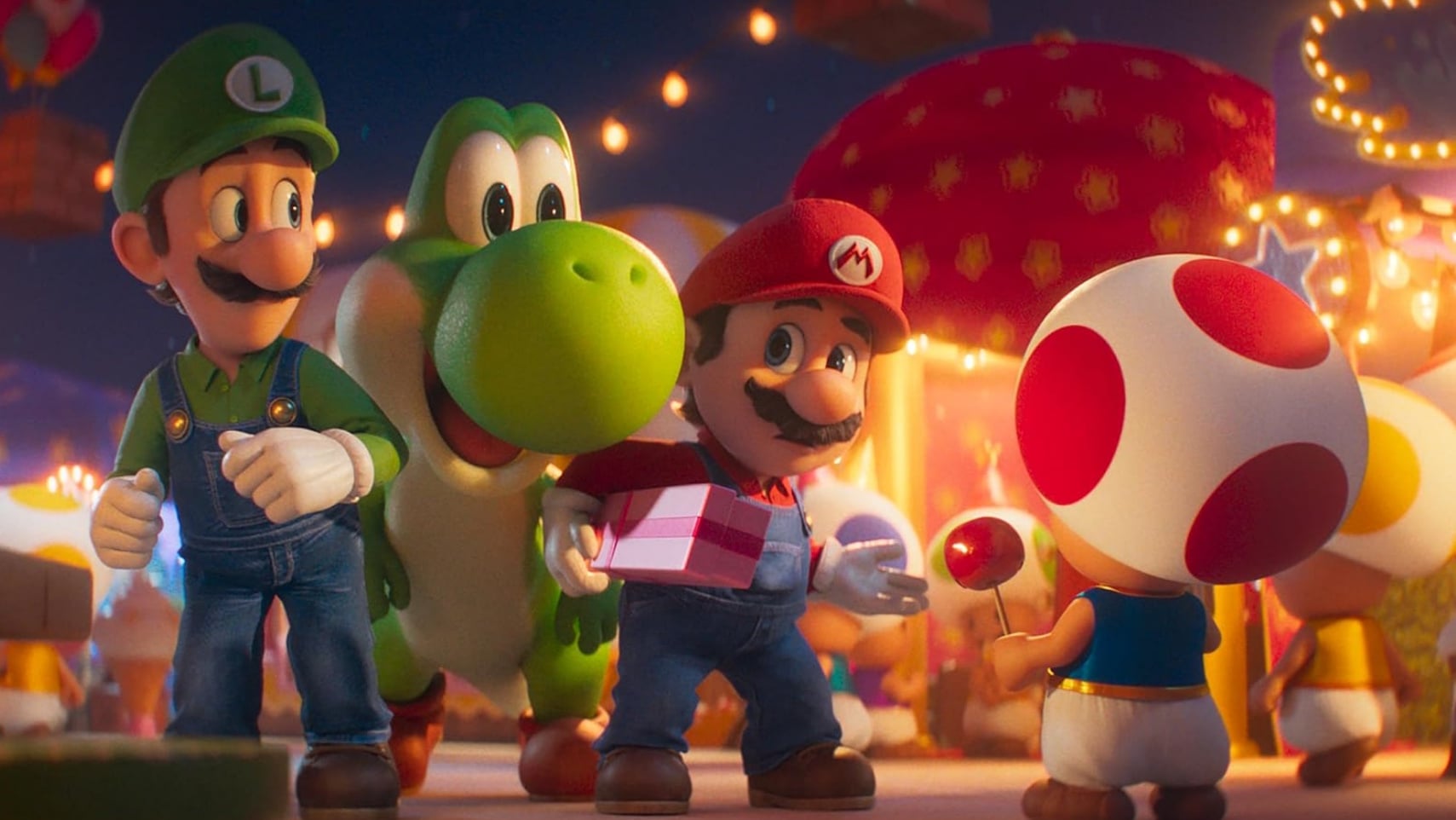
The Super Mario Bros. Movie: From Theaters to Your Home in a Flash!
The cinematic experience that felt like a burst of pure joy and color, much like a sudden "sugar rush" for your eyes and ears, didn't stay exclusive to movie theaters for long. It wasn't long before this vibrant adventure rapidly made its way into homes, becoming easily accessible for everyone to enjoy on their own screens. This swift transition highlights a significant shift in how we consume entertainment, especially for highly anticipated films that capture the public's imagination.
The movie in question, of course, is The Super Mario Bros. Movie. This animated spectacle took the world by storm, not just by earning incredible amounts of money at the box office, but also by delivering an experience that perfectly captured the spirit of one of the most beloved video game franchises of all time. It was a film that resonated with long-time fans and introduced new audiences to the whimsical world of Mario, Luigi, Princess Peach, and Bowser, proving that some adaptations can truly hit the mark. Its quick availability for home viewing after its record-breaking theatrical run allowed its magic to spread even further, faster than ever before.
What Exactly is a "Sugar Rush" Movie?
When we talk about a "movie equivalent of a sugar rush," we're describing a film that immediately excites and energizes you. These aren't necessarily deep, thought-provoking dramas, but rather cinematic experiences designed for maximum entertainment, visual splendor, and pure, unadulterated fun. Think of it as a film that grabs your attention from the first frame and never lets go, bombarding you with vibrant colors, fast-paced action, catchy music, and relentless enthusiasm.
Such movies often feature:
- Vibrant Visuals: A rich, colorful palette that pops off the screen, making every scene a feast for the eyes.
- Energetic Pacing: Quick cuts, constant movement, and a story that moves at a brisk, engaging speed, preventing any moment of boredom.
- Catchy Soundtracks: Music that is instantly memorable and adds to the lively atmosphere, often featuring familiar tunes or brand-new earworms.
- Broad Appeal: Content that is enjoyable for a wide range of ages, from young children to adults, making it perfect for family viewing.
- Pure Escapism: A story that transports you completely to another world, offering a delightful break from reality without demanding too much emotional heavy lifting.
The Super Mario Bros. Movie embodies all these qualities. It's a film that doesn't just entertain; it exhilarates, leaving audiences with a feeling of joyful satisfaction, much like the rush you get from your favorite sweet treat. This style of filmmaking aims to provide an immediate, positive emotional response, making it highly rewatchable and shareable.
The Super Mario Bros. Movie: A Game Changer for Adaptations
For decades, Hollywood struggled with video game adaptations. Many attempts failed to capture the essence of their source material, often resulting in critical and commercial disappointments. This led to a widespread belief in a "video game movie curse," where successful game franchises simply couldn't translate well to the big screen. However, The Super Mario Bros. Movie didn't just break this curse; it shattered it, setting new benchmarks for what a video game adaptation could achieve.
From the moment the first trailer dropped, it was clear that this movie was different. Produced by Illumination (the studio behind Despicable Me and Minions) in partnership with Nintendo itself, the film promised an authentic experience. Nintendo's direct involvement was crucial, ensuring that the characters, worlds, and overall spirit of the Mario games were respected and faithfully brought to life. This collaboration proved to be the magic ingredient, demonstrating that when creators truly understand and love the source material, success is within reach.
Visuals That Pop and Delight
One of the most striking aspects of The Super Mario Bros. Movie is its breathtaking visual style. The animators at Illumination outdid themselves, creating a world that is incredibly vibrant, detailed, and bursting with color. Every frame is a feast for the eyes, from the lush landscapes of the Mushroom Kingdom to the fiery depths of Bowser's Castle and the bustling cityscape of New York. The animation isn't just pretty; it's dynamic and expressive, perfectly capturing the whimsical and often over-the-top action seen in the games.
The character designs are faithful yet enhanced for the big screen, allowing for a broader range of expressions and fluid movements. The film's commitment to visual spectacle is what truly contributes to its "sugar rush" quality. There's always something new and exciting to see, whether it's Mario navigating a platforming challenge, Luigi escaping danger, or Peach leading her army. The visual gags and references to the games are plentiful, rewarding keen-eyed fans while still being enjoyable for newcomers. This dedication to crafting a visually rich and engaging world made the movie an immersive experience for all.
The Perfect Soundtrack and Voice Cast
Beyond the stunning visuals, the audio experience of The Super Mario Bros. Movie played a pivotal role in its success. The soundtrack, composed by Brian Tyler, skillfully blended original orchestral scores with iconic melodies from the Super Mario games, creating a nostalgic yet fresh soundscape. Hearing familiar tunes from various Mario titles woven into the cinematic score was a huge treat for fans, instantly transporting them into the world they knew and loved. The inclusion of popular licensed songs also added to the film's energetic vibe, perfectly complementing the fast-paced action and humor.
The voice cast was another area of intense discussion prior to the film's release, but ultimately proved to be a winning combination. Chris Pratt as Mario, Charlie Day as Luigi, Anya Taylor-Joy as Princess Peach, and Jack Black as Bowser delivered memorable performances that brought these iconic characters to life in new and engaging ways. Jack Black's portrayal of Bowser, in particular, was a standout, with his comedic timing and powerful singing voice stealing many scenes. The cast's ability to embody the spirit of their characters, while also adding their own unique flair, was instrumental in making the film a beloved hit.
More Than Just Fan Service: Appealing to Everyone
A common pitfall for adaptations is either alienating long-time fans by changing too much, or alienating new audiences by relying too heavily on inside jokes. The Super Mario Bros. Movie brilliantly navigated this challenge. It’s packed with countless "Easter eggs" and references that hardcore fans of the games will appreciate – from specific power-ups and sound effects to character cameos and level designs. These nods are woven seamlessly into the narrative, feeling like natural parts of the world rather than forced inclusions.
However, the film never allows these references to overshadow the main story or confuse those unfamiliar with the games. The core plot is simple and easy to follow: Mario and Luigi, two Brooklyn plumbers, get separated and find themselves in a magical world, with Mario embarking on a quest to save his brother and the Mushroom Kingdom from the tyrannical Bowser. This straightforward adventure, combined with themes of bravery, family, and self-belief, makes the movie universally appealing. Its humor is broad and accessible, its action sequences are thrilling, and its emotional beats are genuine, ensuring that viewers of all ages and backgrounds can enjoy the ride.
This balance is what truly elevated the movie beyond a niche fan product to a global phenomenon. It served as a loving tribute to a beloved franchise while simultaneously acting as a fantastic animated film in its own right, inviting everyone to partake in the fun. This broad appeal was crucial for its monumental box office success and its quick adoption into homes, where families could watch it together repeatedly.
The Rapid Jump to Your Living Room: Modern Distribution
One of the most remarkable aspects of The Super Mario Bros. Movie's journey was its incredibly fast transition from theaters to home viewing platforms. In the past, blockbuster films typically had an exclusive theatrical run lasting several months before becoming available for rent or purchase digitally, and even longer before hitting streaming services. However, the entertainment industry has undergone a massive transformation, especially in recent years, leading to much shorter "release windows."
For a film as massively successful as Mario, its quick move to digital purchase and rental platforms, and subsequently to streaming, was a strategic decision. This approach allows studios to capitalize on the immense buzz generated during the theatrical run and extend the film's earning potential almost immediately. It acknowledges that many consumers now prioritize convenience and want to watch their favorite movies on their own terms, whether that's in a cinema or on their couch.
The Evolving Landscape of Movie Releases
The COVID-19 pandemic accelerated a trend that was already underway: the shrinking gap between theatrical and home releases. Studios learned that while cinemas offer an unparalleled big-screen experience, there's also a massive demand for immediate access at home. Hybrid release strategies, where films appear in theaters and on streaming simultaneously or within a few weeks, became more common. While The Super Mario Bros. Movie had a traditional exclusive theatrical window, it was notably shorter than what we would have seen a decade ago for a film of its caliber.
This shift reflects consumer behavior. Many families, for instance, find it more practical and cost-effective to watch movies at home. The ability to pause, rewind, and rewatch a film at will, especially with young children, is a huge draw. For a movie like Mario, which thrives on its rewatchability and appeal to a younger demographic, a swift digital release was a smart move to keep the momentum going and meet audience demand.
Why Early Home Release Works
There are several compelling reasons why studios and distributors are increasingly opting for earlier home release windows for major blockbusters:
- Maximizing Revenue: A quick transition to digital means the film can generate new revenue streams through sales and rentals while the buzz from its theatrical run is still fresh. This captures audiences who might have missed it in theaters or who want to own a digital copy.
- Sustaining Hype: By making the movie available at home sooner, studios keep the conversation alive. People continue to talk about it, share clips, and recommend it, which can drive further sales and streaming viewership.
- Combatting Piracy: While not a perfect solution, offering legitimate, high-quality digital options shortly after theatrical release can help reduce the incentive for illegal downloads.
- Meeting Consumer Demand: In today's on-demand world, consumers expect rapid access to content. Studios that meet this expectation are more likely to keep their audience engaged and loyal.
- Family Convenience: For films targeted at families, the home release is often where the real long-term viewing happens. An early release allows families to plan movie nights without waiting months.
For The Super Mario Bros. Movie, this strategy clearly paid off. Its swift move to digital platforms was met with enthusiasm, reinforcing its status as a must-watch film and demonstrating the power of modern, flexible distribution models. You can often find details about these releases on official movie websites like thesupermariobros.movie or major digital storefronts.
Nintendo's Careful Strategy and Future Plans
Nintendo's decision to greenlight another Super Mario Bros. film was not taken lightly, especially after the critical and commercial failure of the 1993 live-action adaptation. That earlier film became a cautionary tale, making Nintendo extremely protective of its intellectual properties. For decades, they largely avoided major Hollywood adaptations, preferring to control their characters and stories themselves, primarily through video games.
However, the success of The Super Mario Bros. Movie marks a significant turning point. It shows that with the right creative partners, like Illumination, and direct involvement from Nintendo's own creative forces, their beloved franchises can indeed thrive on the big screen. Shigeru Miyamoto, the creator of Mario, played a crucial role in the film's development, ensuring its authenticity and adherence to the core spirit of the games. This hands-on approach was key to avoiding past mistakes and delivering a product that resonated deeply with fans.
Learning from the Past, Building for the Future
The success of the 2023 Mario movie has undoubtedly opened the floodgates for more Nintendo-based cinematic ventures. It provides a blueprint: strong collaboration, respect for the source material, and a focus on delivering a joyful, visually rich experience for a broad audience. Fans are now eagerly speculating about which Nintendo franchise will get the movie treatment next. The possibilities are endless, ranging from the epic adventures of The Legend of Zelda to the sci-fi thrills of Metroid or the adorable charm of Pokémon (though Pokémon already has a thriving cinematic universe, including the live-action Detective Pikachu).
This new era for Nintendo in Hollywood is not just about making more money; it's about expanding the reach of their beloved characters to new generations and new forms of media. By delivering a high-quality, authentic experience, they reinforce the strength of their brand and create new entry points for people to discover the magic of Nintendo. This strategic expansion is a testament to Nintendo's long-term vision and its commitment to innovation, not just in gaming but across the broader entertainment landscape.
A Blueprint for Success in Gaming and Beyond
The collaborative model between Nintendo and Illumination offers valuable lessons for other video game companies looking to adapt their properties. It emphasizes that creative control and a genuine understanding of what makes a game special are far more important than simply slapping a familiar name onto a generic film. The Mario movie demonstrated that a film can be incredibly successful by being true to its origins while also being an excellent movie on its own terms.
This success story could lead to a renewed interest in film adaptations across the gaming industry, potentially leading to a new golden age of video game movies. With more studios adopting a similar approach, focusing on quality and authenticity, the "video game movie curse" may very well be a thing of the past. The Mario movie is a testament to the power of imagination and collaboration, proving that with the right team, even the most challenging adaptations can become triumphant, sugar-rush-inducing blockbusters.
The Broader Impact: What This Means for Entertainment
The rapid success and quick home invasion of The Super Mario Bros. Movie represent more than just a win for Nintendo and Illumination; they signify a broader shift in the entertainment industry. This film has solidified the viability of animated blockbusters as major cultural events, capable of competing with and even surpassing live-action counterparts in terms of box office and critical reception.
Furthermore, it underscores the importance of intellectual property (IP) in today's media landscape. Established franchises with loyal fan bases, when handled correctly, offer a powerful foundation for cross-media storytelling. The Mario movie proved that nostalgia, when combined with fresh storytelling and cutting-edge animation, can create a product that appeals across generations and demographics. This success encourages other studios to invest more in quality animated features and to carefully consider how they bring beloved IPs to life, moving beyond simple cash-grabs.
The film also reinforces the evolving relationship between theatrical releases and home viewing. While the cinema experience remains vital for spectacle and shared cultural moments, the expectation for quick home access is now firmly entrenched. Studios must balance these two demands, leveraging the theatrical window for event viewing while simultaneously preparing for a robust digital release that extends the film's lifespan and accessibility. This dynamic will continue to shape how movies are released and consumed in the coming years, with consumer convenience often dictating the pace.
Conclusion
The Super Mario Bros. Movie was indeed the cinematic equivalent of a sugar rush, a vibrant, energetic, and utterly delightful experience that captivated audiences worldwide. Its swift journey from the big screen to our homes wasn't just a sign of modern distribution strategies, but a testament to its undeniable appeal and the high demand for accessible, joyous entertainment.
By delivering a faithful yet innovative adaptation, breaking the long-standing "video game movie curse," and embracing the dual power of theatrical and home releases, the Mario movie has set a new standard. It's a colorful reminder that well-crafted, fun-first cinema can still bring people together and spark immense joy, proving that sometimes, all we need is a healthy dose of pure, unadulterated cinematic sweetness.
from Kotaku
-via DynaSage
