
The Pitt Fandom Has Reached A New Low: Heckling One Of Its Stars On Broadway
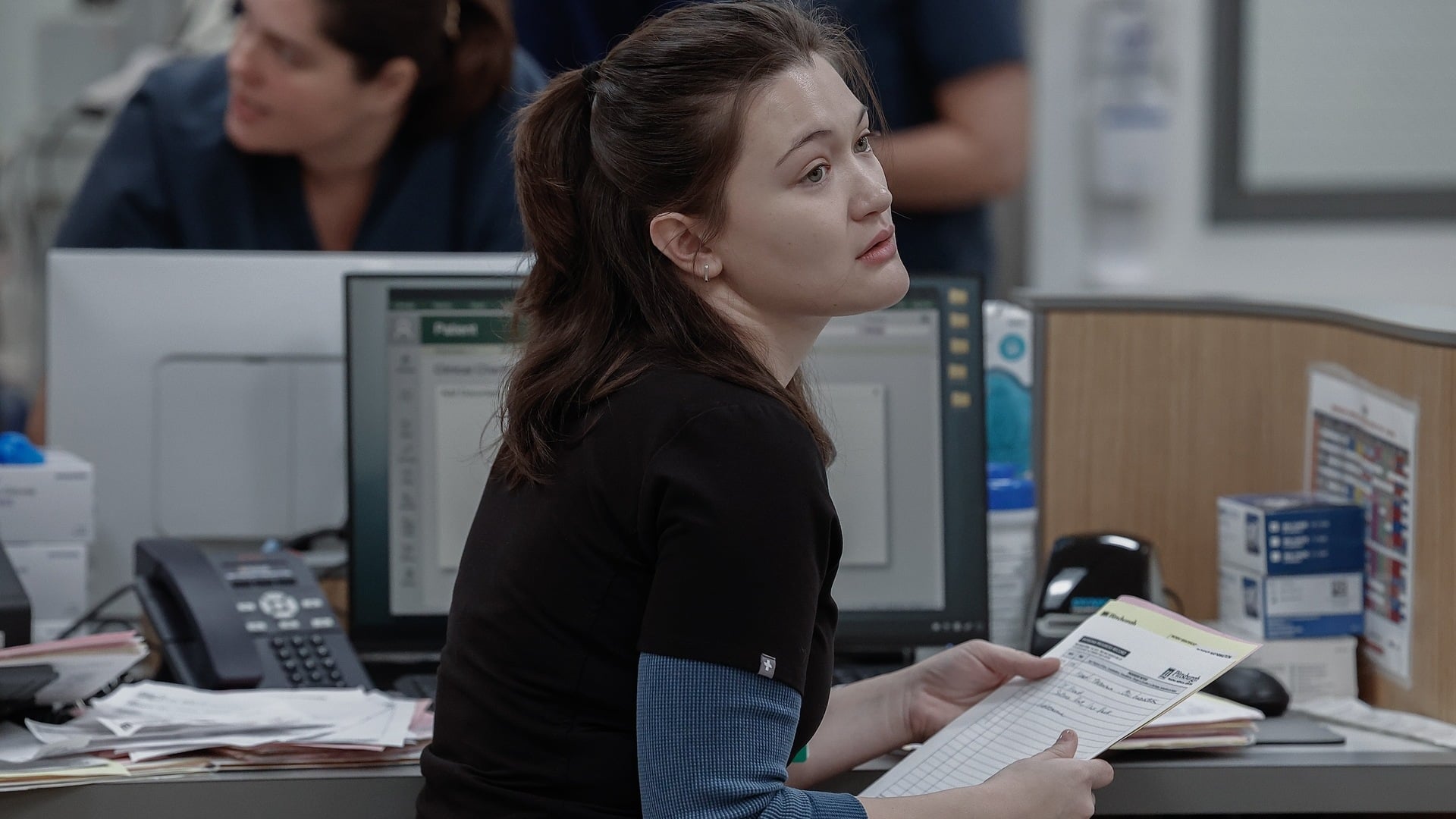
Isa Briones Speaks Out: Why Respect Matters at Live Performances
In the world of live entertainment, there's an unwritten understanding between performers and their audience. Performers pour their heart and soul into their craft, and in return, the audience offers their attention and respect. However, sometimes this understanding breaks down, leading to moments where artists must take a stand. Such was the case recently with the talented actress and singer, Isa Briones, who courageously called out a group of "Pitt" fans for their "f*cking disrespectful" behavior during her "Just in Time" performances.
This incident has sparked an important conversation about audience etiquette and the profound impact disruptive behavior can have on artists and fellow concertgoers. As we delve into the details, we'll explore who Isa Briones is, what exactly happened, and why maintaining respect in live settings is crucial for everyone involved. Join us as we unpack this viral moment and reflect on the importance of creating a truly immersive and respectful environment for the arts.
Who is Isa Briones? A Shining Star of Stage and Screen
Before diving into the incident, let's get to know the artist at the center of this story. Isa Briones is a name that has been steadily rising in the entertainment industry, celebrated for her remarkable talent in both acting and singing. Born into a family deeply rooted in performance – her father is actor Jon Jon Briones and her mother is actress Megan Johnson – Isa has carved out her own impressive path.
Many fans recognize Isa Briones from her pivotal roles in the science fiction series Star Trek: Picard. In this show, she masterfully portrayed multiple complex characters, including Dahj, Soji, and Sutra. Her ability to inhabit distinct personalities within the same series showcased her incredible acting range and quickly earned her a dedicated fanbase within the Star Trek universe. Her performances were lauded for their depth and emotional resonance, making her a memorable presence on screen.
Beyond her success in television, Isa Briones is also a formidable force on the stage. She has a rich background in musical theatre, performing in acclaimed productions. Her talent for singing and stage presence has been a highlight of her career. One of her notable Broadway credits includes being part of the cast of Hamilton, a testament to her vocal prowess and dramatic skill. These experiences have honed her abilities, making her a versatile performer capable of captivating audiences whether on a grand stage or a more intimate venue.
Her recent performances, titled "Just in Time," are a testament to her continued dedication to live music and connection with her audience. These shows are often more personal, allowing artists like Isa to share their stories and musical interpretations in a unique setting. It’s in these intimate environments that the bond between performer and audience is truly forged, and also where disruptions can feel particularly jarring.
The Incident: When Disrespect Took Center Stage
The core of this story revolves around an unfortunate, but increasingly common, occurrence in live performance spaces: audience disruption. During one of her "Just in Time" shows, Isa Briones experienced firsthand the frustrations that many performers face when a portion of the audience fails to observe basic concert etiquette. According to her statement, she was compelled to address a specific group she identified as "Pitt" fans who were behaving in a "f*cking disrespectful" manner.
While the exact nature of the disruption wasn't detailed in the initial report, common forms of disrespectful behavior during live shows include excessive talking, loud conversations, constant phone usage (texting, scrolling, or even filming with bright screens), arriving late, leaving early, or being visibly intoxicated. Any of these actions can pull focus away from the performer and the carefully crafted experience they are trying to deliver. For a singer like Isa Briones, who is pouring her heart into a vocal performance, such distractions can be incredibly unsettling and disruptive to her concentration and emotional delivery.
Her decision to call out the offending individuals directly on stage was a powerful move. It takes immense courage for a performer to pause a show and confront disruptive audience members. This moment highlighted her commitment to her art and her refusal to let disrespect spoil the experience for herself, her fellow performers, and the majority of the audience who were there to genuinely enjoy the show. Her use of strong language – "f*cking disrespectful" – underscored the depth of her frustration and the severity of the behavior she was addressing. It wasn't just a minor annoyance; it was behavior that crossed a line.
The immediate aftermath of such a call-out can be tense. However, in many similar instances, performers are met with applause and support from the rest of the audience, who are often just as frustrated by the disruptions but feel powerless to intervene. Isa Briones' stand became a rallying cry for proper live show etiquette, echoing sentiments shared by artists and audience members worldwide.
Why Audience Etiquette Matters: The Performer's Perspective
For artists, live performance is more than just a job; it's a profound act of sharing. Months, even years, of practice, rehearsal, and emotional investment go into creating a show. Every song, every line, every movement is carefully considered and perfected. When a performer steps onto the stage, they are often at their most vulnerable, exposing a piece of themselves to the audience.
Consider the delicate balance required for a singer like Isa Briones during her "Just in Time" performances. Vocalists need to maintain focus, control their breath, and connect emotionally with the lyrics and music. Loud talking or bright phone screens from the audience can shatter this concentration instantly. It's like trying to have an important conversation in a noisy room – the message gets lost, and the connection breaks.
Disruptive behavior also sends a message to the performer that their efforts are not valued. This can be incredibly disheartening and can even impact future performances. An artist might feel less inclined to be vulnerable or give their all if they perceive a lack of respect from those they are performing for. The energy exchange between a performer and a truly engaged audience is a magical thing; it elevates the entire experience. When that energy is broken by careless behavior, it diminishes the art itself.
Furthermore, an artist's ability to maintain their emotional state and delivery can be severely impacted. The flow of a performance, particularly an intimate one like a cabaret show, relies heavily on mood and atmosphere. Interruptions can completely derail this, making it difficult for the performer to regain their footing and deliver the intended experience. Isa Briones' decision to speak up wasn't just about demanding respect; it was about protecting the integrity of her art and her emotional investment in the performance.
Why Audience Etiquette Matters: The Audience's Perspective
It's not just the performers who suffer from disrespectful audience behavior; fellow audience members are equally affected, if not more so, by disruptions. When people pay for tickets to a live show, they are investing in an experience – a chance to escape, to be entertained, to be moved, and to share a collective moment of artistry. Disruptive behavior directly robs them of that investment.
Imagine being fully engrossed in a beautiful ballad being sung by Isa Briones, only for a group behind you to start loudly discussing their dinner plans or scrolling through social media with a glaring phone screen. This doesn't just annoy; it breaks the spell. It pulls you out of the immersive world the artist has worked so hard to create. For many, attending a concert or a theatre show is a rare treat, an escape from the everyday. To have that experience ruined by others' inconsiderate actions is deeply frustrating.
The shared experience is a cornerstone of live entertainment. There's a unique camaraderie in a room full of people all experiencing the same emotions, laughing at the same jokes, or being moved by the same music. Disruptive individuals fracture this shared reality, creating an "us vs. them" dynamic within the audience. This can lead to tension and discomfort, turning what should be an enjoyable outing into a stressful one.
Moreover, the cost of live entertainment tickets can be significant. Audiences spend their hard-earned money with an expectation of a high-quality experience. When that quality is undermined by a few disrespectful individuals, it feels like a betrayal of that financial and emotional investment. Respecting the performance space means respecting not only the artist but also every single person in the audience who chose to be there and experience the magic of live art.
Understanding the "Pitt" Fans Context
Isa Briones specifically mentioned "Pitt" fans in her call-out, which raises questions about the identity of this group and why they might have been particularly disruptive. While we don't have further details from Isa herself, the term "Pitt" typically refers to fans of the University of Pittsburgh, often associated with their sports teams. This context can offer some insight into potential group dynamics.
When large groups, especially those with a strong collective identity like sports fans or student organizations, attend events, their behavior can sometimes differ from that of individual attendees. There might be a heightened sense of camaraderie, which, while positive in many contexts, can sometimes lead to a relaxed sense of personal responsibility or awareness of surroundings in a formal performance setting. The energy and exuberance that are perfectly acceptable at a sporting event or a casual gathering can be entirely out of place in a theatre or concert hall, where quiet focus is paramount.
It's possible that these "Pitt" fans, if they were indeed students or sports enthusiasts, might not have been regular theatre or cabaret attendees. They might have been unfamiliar with the unwritten rules of etiquette for such performances, or simply failed to recognize the difference in atmosphere compared to a stadium or a campus social event. This isn't to excuse the behavior, but rather to understand that group psychology and unfamiliarity with specific social norms can sometimes contribute to such incidents.
Regardless of their affiliation, the core issue remains the disruption itself. The incident serves as a reminder that proper audience behavior is universal and applies to everyone, irrespective of their group identity or background. It underscores the importance of being present, aware, and respectful of the environment and the people within it, especially when attending a live performance.
Past Incidents and Broader Trends in Live Performance Etiquette
Isa Briones' experience is not isolated; it's part of a larger trend observed across the live entertainment industry. Over the years, many prominent performers have had to address disruptive audience behavior. Legendary Broadway star Patti LuPone is famously known for stopping shows to confiscate phones or reprimand noisy audience members. Actors like Benedict Cumberbatch have also made public pleas for audiences to put away their phones during plays.
One of the most significant factors contributing to this trend is the ubiquity of smartphones. The constant urge to document, share, or simply stay connected has bled into spaces where such actions are inappropriate. Bright phone screens can be incredibly distracting to both performers and fellow audience members. The impulse to record a moment, however well-intentioned, often comes at the cost of being fully present and respecting the artist's work, which is rarely meant to be consumed through a small screen from a distance.
The rise of social media has also changed expectations around public behavior. There's a blurred line between private moments and public spectacles, and some audience members might treat a live show more like an informal gathering than a focused artistic presentation. This shift in societal norms around attention and engagement poses a continuous challenge for venues and artists striving to maintain the sanctity of the live experience.
These incidents highlight a generational or cultural disconnect in understanding appropriate conduct in specific settings. While some argue that times have changed and rules should relax, most performers and dedicated audience members firmly believe that the unique magic of live performance requires a certain level of decorum and shared respect to truly thrive.
How to Be a Respectful Audience Member: Simple Guidelines for a Better Experience
So, how can we ensure we are contributing positively to the live performance experience, rather than detracting from it? Being a respectful audience member is quite simple and boils down to a few key principles:
- Arrive on Time and Stay Seated: Plan to arrive early, find your seat before the show begins, and avoid leaving your seat unnecessarily during the performance. Late arrivals and early departures are distracting.
- Silence Your Phone (Completely!): This is perhaps the most crucial rule. Turn your phone off or switch it to silent mode. Do not text, scroll, or make calls. The light from screens is as distracting as the noise.
- Limit Talking and Noise: Save conversations for intermission or after the show. Whispering can be just as distracting in a quiet theatre. Avoid rustling bags, unwrapping noisy snacks, or making other unnecessary sounds.
- No Flash Photography or Unauthorized Recording: Flash photography is incredibly disruptive and often prohibited for safety and copyright reasons. Most performances do not allow any recording, so respect those rules.
- Manage Children Responsibly: If attending with children, ensure they understand and follow these rules. If they become restless or noisy, be prepared to take them out of the performance space temporarily.
- Stay Present: Engage with the performance. Listen, watch, and allow yourself to be immersed. This not only shows respect but also enhances your own enjoyment.
- Applaud Appropriately: Show your appreciation with applause at the designated times, such as after a song or at the end of a scene.
- Keep Your Shoes On (and Your Feet Off Seats): Basic courtesy extends to your physical space and the venue's property.
By following these guidelines, you contribute to a positive atmosphere for everyone, allowing both the artists to shine and fellow audience members to fully appreciate the artistry on display. It’s about creating a shared space of respect and enjoyment.
The Impact of Social Media on These Incidents
In today's interconnected world, incidents like Isa Briones' call-out quickly gain traction online. Social media acts as both a megaphone and a rapid-response forum, amplifying these moments far beyond the walls of the venue. When an artist speaks out, the news can go viral within hours, reaching millions globally.
This immediate spread has several implications. Firstly, it provides widespread support for the performer. Fans and fellow artists often rally around the person who spoke up, validating their frustration and reinforcing the importance of proper etiquette. This public support can be crucial for artists who might feel vulnerable after such an confrontation.
Secondly, it creates a public discourse around the issue. The incident becomes a talking point, prompting discussions about audience behavior, the changing norms of live entertainment, and the responsibilities of concertgoers. While some discussions can be critical, many contribute to raising awareness and educating the public on what constitutes respectful behavior.
Finally, the viral nature of these call-outs can serve as a deterrent. The knowledge that disruptive behavior might be publicly shamed, even if anonymously, can make some individuals think twice before acting inconsiderately. While not a perfect solution, the power of social media ensures that these crucial conversations about respect in the arts continue to resonate.
Isa Briones' Courage and the Clear Message
Isa Briones' decision to confront the "Pitt" fans head-on speaks volumes about her dedication to her craft and her belief in the sanctity of the live performance space. It takes significant courage to pause a show and address audience members, especially when one is in a vulnerable position on stage. Her actions were not born of malice but from a deep passion for her art and a desire to ensure a quality experience for all.
By using strong language to describe the behavior as "f*cking disrespectful," she left no room for misinterpretation. Her message was clear: there are boundaries, and they must be respected. This bold move sends a powerful signal not only to the specific individuals involved but also to future audiences. It underscores that artists are not mere entertainers to be consumed passively; they are living, breathing individuals who deserve respect for their talent, hard work, and emotional investment.
Her stand helps set a standard, reminding everyone that live performances are a two-way street. They require active participation from the audience, which includes not just applause, but also focused attention and quiet respect. Isa Briones has used her platform to highlight a critical issue, contributing to a broader conversation about how we can collectively foster more positive and respectful environments for the performing arts.
Conclusion: Upholding the Magic of Live Performance
The incident involving Isa Briones and the "Pitt" fans at her "Just in Time" performance serves as a potent reminder of the delicate balance required to maintain the magic of live entertainment. From the immense effort and vulnerability of the performer to the shared experience and financial investment of the audience, every element contributes to an unforgettable event. When respect falters, this magic is broken.
Isa Briones' courage in calling out disruptive behavior is commendable. It highlights the importance of artists setting boundaries and advocating for the integrity of their work. More importantly, it prompts us all to reflect on our roles as audience members. Attending a live show is a privilege, an opportunity to witness artistry firsthand, and it comes with a responsibility to contribute positively to the atmosphere.
Let this incident be a call to action for every concertgoer, theatre patron, and live event attendee. By being mindful, silencing our devices, holding our conversations, and immersing ourselves fully in the moment, we can ensure that the stage remains a sacred space where artists can thrive and audiences can truly connect with the power of performance. Let us collectively uphold the standards of respect and allow the brilliance of artists like Isa Briones to shine without interruption.
from Kotaku
-via DynaSage
