
The Black Flag Remake Might Be The Weirdest Thing Yet To Happen To The Assassin’s Creed Canon
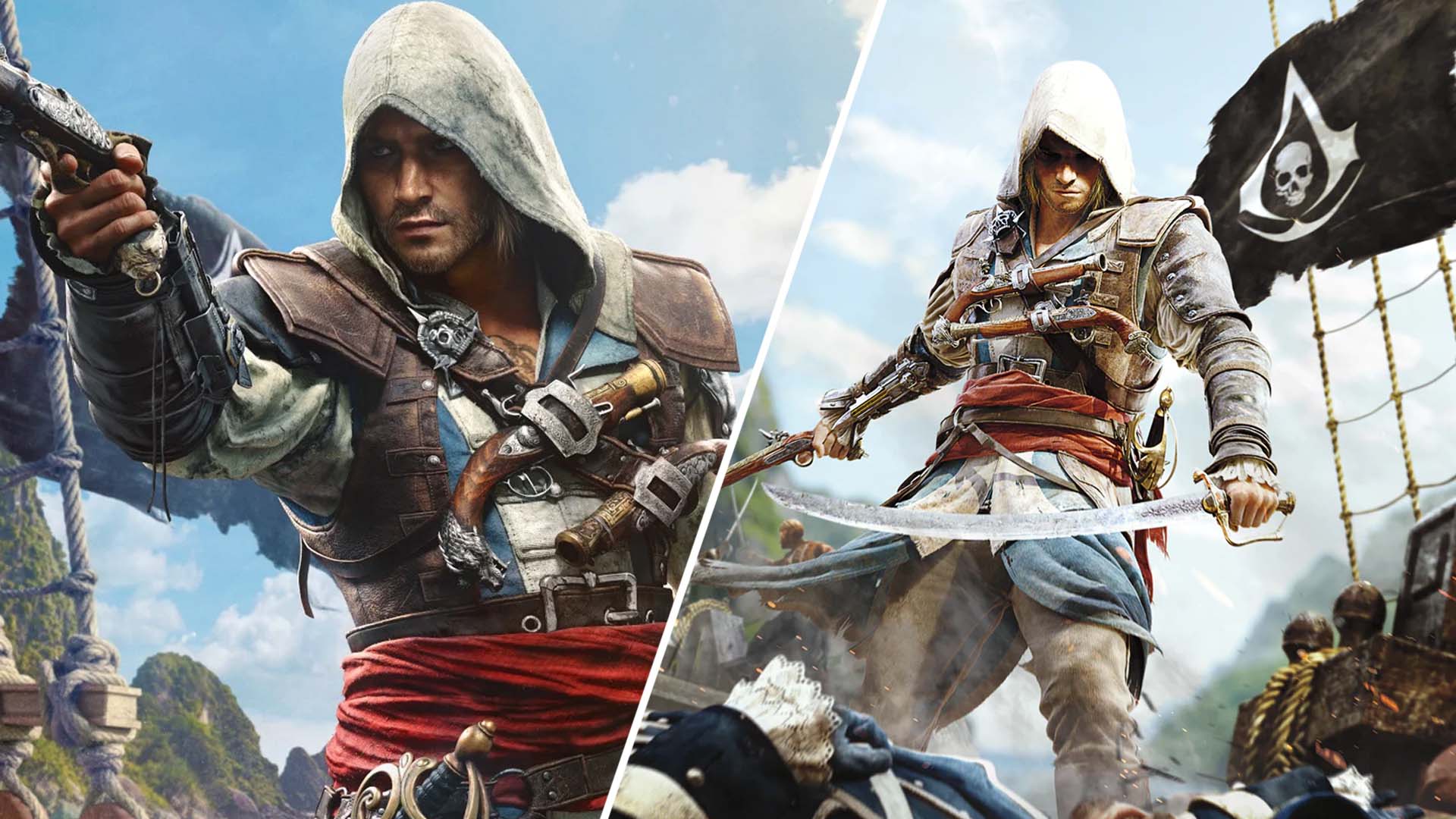
A Game-Changing Revelation: How Both Original and Remake of Assassin's Creed Black Flag Resynced are Canon
The world of video games is constantly evolving, bringing us breathtaking new experiences, stunning remakes of beloved classics, and sometimes, entirely new approaches to storytelling. One of the most talked-about topics in recent times, especially within the vast and intricate universe of Ubisoft's Assassin's Creed series, revolves around the much-anticipated title, Assassin's Creed Black Flag Resynced. While details about this hypothetical remake are still emerging, a recent statement from the development leads has sent ripples of excitement and curiosity throughout the gaming community: both the original Assassin's Creed IV: Black Flag and its new "Resynced" counterpart are considered canon within the franchise's lore. This isn't just a minor detail; it's a monumental shift in how we understand continuity and remakes in gaming, prompting a deeper dive into what this truly means for players and the future of the Assassin's Creed universe.
Unpacking "Assassin's Creed Black Flag Resynced"
To truly grasp the significance of this announcement, we first need to understand what Assassin's Creed Black Flag Resynced likely represents. While the "Resynced" moniker suggests a deep connection to the original, it hints at more than just a simple graphical remaster. A full-fledged remake, a reimagining, or perhaps an expanded version of the 2013 masterpiece, Assassin's Creed IV: Black Flag, is what the community expects. The original game, celebrated for its unique blend of pirate adventure and Assassin's Creed lore, cast players as Edward Kenway, a swashbuckling pirate who inadvertently becomes entangled in the age-old conflict between Assassins and Templars. Its open-world Caribbean setting, thrilling naval combat, and compelling narrative solidified its place as a fan favorite and a critical success.
What is Black Flag, and Why Does it Matter?
Assassin's Creed IV: Black Flag was a pivotal entry in the series. It moved away from the more traditional urban parkour settings of its predecessors and plunged players into the golden age of piracy. It introduced robust naval exploration and combat, a vast, beautiful ocean to traverse, and memorable characters like Blackbeard and Charles Vane. The game’s protagonist, Edward Kenway, offered a fresh perspective—a morally ambiguous, self-serving pirate who slowly discovers a greater purpose. This narrative depth, combined with innovative gameplay, resonated deeply with players, making it one of the most beloved titles in the franchise. A "Resynced" version, therefore, carries immense expectations. It's not just about updating visuals; it's about re-presenting a cherished story and experience to a new generation, while also potentially refining or expanding upon elements that even veteran players might appreciate. The question of its canonical status, then, becomes crucial for maintaining the integrity of such a highly regarded narrative.
The Conundrum of Canon: Original vs. Remake
In the vast landscape of storytelling, "canon" refers to the body of works, events, and characters officially recognized as part of the core narrative. In video games, especially those with rich, continuous lore like Assassin's Creed, canon is paramount. It dictates what truly happened, who a character really is, and how events unfold, providing a consistent framework for fans to follow. Typically, when a game is remade, the remake either explicitly replaces the original as the new canon, or it exists as a separate, non-canonical retelling. Take for instance, the Final Fantasy VII Remake, which explicitly diverges from the original's storyline, creating an alternative timeline. Or consider simple remasters, which are generally considered canon because they don't alter the narrative, only the presentation.
Defining Canon in a Dynamic Medium
For a series as expansive as Assassin's Creed, which spans centuries of history and a complex modern-day narrative, maintaining a coherent canon is a monumental task. Every new game, comic, or novel is carefully woven into a grand tapestry of Assassins, Templars, First Civilization mysteries, and Animus simulations. Discrepancies can lead to fan confusion and erode trust in the overarching story. Developers usually strive for a single, definitive truth within their fictional universe. This approach streamlines storytelling and ensures that new entries build upon a consistent foundation. The idea of parallel or co-existing canons is rare and often fraught with peril, as it risks diluting the narrative impact or creating confusion about what "really happened."
The Unique Challenge of Remakes
Remakes inherently challenge this singular view of canon. They often introduce updated dialogue, altered character designs, refined gameplay mechanics that might impact environmental storytelling, or even entirely new plot points to modernize the experience. When a game like Assassin's Creed Black Flag is remade, it's not just a coat of paint; it's an opportunity to revisit creative choices. If those choices include narrative tweaks, even minor ones, they can create contradictions with the original. This is why the typical approach is to declare one version superior in terms of canon, or to simply ignore the remake's narrative changes as non-essential fluff. The declaration that *both* the original Black Flag and Black Flag Resynced are canon is therefore unprecedented and suggests a highly sophisticated narrative strategy on Ubisoft's part.
How Can Both Be Canon? Exploring the Possibilities
This bold statement begs the question: how can two distinct versions of the same story both hold canonical weight? The Assassin's Creed lore, with its foundational concepts of the Animus and genetic memory, provides a unique framework for such a possibility. This isn't merely a developer sidestepping a difficult choice; it suggests a deliberate, carefully constructed narrative decision that leverages the very fabric of the AC universe.
The Animus as a Narrative Device
The Animus is the ultimate narrative trump card in Assassin's Creed. It's a machine that allows individuals to relive the genetic memories of their ancestors. Crucially, the Animus experience is not always perfectly accurate or complete. It's a simulation based on genetic data, historical records, and the user's synchronization level. This inherent variability offers a plausible explanation for how two versions of Edward Kenway's journey could both be canon. Different versions of the Animus, or even different users accessing the same memory sequence, could yield slightly varied simulations. Perhaps the "Resynced" version represents a more complete synchronization, accessing additional genetic data or historical documents unearthed in the modern-day storyline. This new data could fill in narrative gaps, add subplots, or even present alternative perspectives on known events, enriching the original story without negating it. The original, then, would simply be an earlier, less complete, but still valid, interpretation of Edward's life. Think of it as a historical record that evolves as more evidence comes to light; the initial report isn't wrong, but subsequent discoveries offer a fuller, more nuanced picture.
Layers of Historical Interpretation
Beyond the Animus's technical limitations, there's also the concept of historical interpretation itself. The Assassin's Creed series often plays with the idea that history is written by the victors and can be subjective. The Animus, while attempting to recreate objective truth, still presents a "version" of the past. The original Black Flag could represent the commonly accepted or initial understanding of Edward Kenway's journey within the AC universe's modern-day narrative. The "Resynced" version, then, could be a deeper, more thoroughly researched, or even declassified account. Perhaps modern-day Assassins or Templars have uncovered new encrypted data, First Civilization artifacts, or diaries that shed new light on Edward's decisions and interactions. This means the core events remain the same, but the context, motivations, or previously unseen sub-events are brought to the forefront in the remake. This doesn't contradict the original; it expands upon it, much like an "extended cut" of a film provides more depth without changing the primary storyline.
Deliberate Story Adjustments and Expansions
Another powerful possibility is that Assassin's Creed Black Flag Resynced isn't just a graphical overhaul, but a narrative expansion designed to integrate more seamlessly with the ever-growing Assassin's Creed lore. As the franchise has progressed, new elements, characters, and overarching plotlines have emerged. The "Resynced" version might retroactively incorporate these elements into Edward's story. For example, it could introduce subtle hints about the Isu (First Civilization) that were less prominent in the original, or foreshadow events that occur in later games like Assassin's Creed Rogue or Valhalla. This would make the remake a more "complete" canonical experience for players catching up on the series. These additions wouldn't overwrite the original but rather serve as narrative layers, adding new dimensions and reinforcing the interconnectedness of the AC universe. The original story still happened, but the "Resynced" version gives us a richer, more detailed, and perhaps more lore-consistent perspective, making both valid accounts from different points of view or levels of understanding.
Implications for Players and the AC Universe
This "both are canon" approach has profound implications, not just for the immediate release of Black Flag Resynced, but for the entire Assassin's Creed franchise and how fans engage with its history. It's a strategic move that could redefine the role of remakes in long-running series, offering a solution to the perennial debate between preserving legacy and embracing innovation.
Welcoming Newcomers While Respecting Veterans
For newcomers to the Assassin's Creed series, Black Flag Resynced will offer a visually stunning, possibly updated, and more accessible entry point into one of the franchise's most beloved stories. They can experience Edward Kenway's journey with modern sensibilities, without needing to play a decade-old game. For these players, the "Resynced" version will simply be *the* canonical story. However, for veteran fans who hold the original Assassin's Creed IV: Black Flag close to their hearts, the declaration that the original is *still* canon is a profound act of respect. It validates their cherished memories and experiences, ensuring that the game they loved hasn't been erased or replaced. This dual canon approach allows Ubisoft to satisfy both demographics: providing a fresh, modern experience for new players while honoring the legacy and investment of long-time fans. It prevents the feeling of "mandatory" upgrades or losing a piece of gaming history.
Expanding the Lore Without Contradiction
The Assassin's Creed lore is vast and continuously expanding, a delicate balance of historical fact, science fiction, and mythological elements. Allowing both versions of Black Flag to be canon opens up fascinating possibilities for future storytelling. It creates a precedent where remakes aren't just cosmetic enhancements but can serve as narrative tools to deepen existing lore. Developers could use this method to revisit other key moments in AC history, not just to update graphics, but to add newly discovered layers of detail, connect previously disparate plot points, or provide different character perspectives that enrich the overall narrative tapestry. This method avoids the thorny issue of retcons, where new stories contradict older ones, by simply providing a more comprehensive view of an event or character. It's a sophisticated way to evolve a franchise without sacrificing its past, allowing for a dynamic and growing universe that can incorporate new ideas and discoveries.
The Future of AC Remakes and Canon
If successful, this strategy could pave the way for a new era of Assassin's Creed remakes. Imagine revisiting other classic titles like Assassin's Creed II or Brotherhood with the same "Resynced" approach. Each remake wouldn't just be a nostalgia trip but a canonical enhancement, adding new layers of lore that tie into the modern-day storyline or future installments. This could create a living, breathing history for the franchise, where every revisit potentially reveals more secrets and connections, keeping the series fresh and engaging for decades to come. It positions remakes as integral parts of the ongoing narrative, rather than mere standalone products.
Developer Intent and Fan Reception
The decision to make both versions canonical is undoubtedly a deliberate choice by the development team, and it speaks volumes about their approach to the Assassin's Creed legacy. It reflects a deep understanding of their fanbase and the intricate nature of their own narrative.
The Art of Balancing Innovation and Fidelity
Creating a remake is a tightrope walk. Developers must innovate to meet modern gaming standards and appeal to new audiences, while also remaining faithful to the original's spirit and core identity. By declaring both versions canonical, Ubisoft acknowledges that the original experience, with all its design choices and narrative nuances, remains valid. The "Resynced" version then becomes an evolution, a re-interpretation, or an expansion, rather than a replacement. This approach allows the developers more creative freedom in updating gameplay, visuals, and even minor story elements without the pressure of having to strictly adhere to every single detail of the original for canonical purity. They can enhance, refine, and add to the story, confident that their changes are part of a broader, more complete historical record within the Animus.
Community Reactions: A Double-Edged Sword
The community's reaction to such an announcement will likely be mixed, though generally positive. Many fans will appreciate the respect shown to the original game. They will revel in the idea of having two valid versions of a beloved story, perhaps even debating the subtle differences and what they imply for the lore. However, some might find the concept of dual canon confusing or unnecessarily complicated. A segment of players prefers a clear, singular timeline, and might struggle with the ambiguity. The success of this strategy will heavily depend on how clearly Ubisoft communicates the narrative reasons behind it and how seamlessly the "Resynced" version integrates its new elements without causing major contradictions or frustrating retcons. Transparency and thoughtful execution will be key to winning over the entire fanbase.
Beyond Black Flag: Precedent and Potential
While potentially groundbreaking for Assassin's Creed, the idea of co-existing canonical versions isn't entirely new in other forms of media, and examining these can help us understand the broader implications of Ubisoft's choice.
Other Franchises and Their Approach to Canon
In the world of comics, reboots often establish new continuities while acknowledging the existence of "previous" universes, sometimes through multiversal explanations. Films often have director's cuts or extended editions that add canonical scenes without invalidating the theatrical release. Even in literature, different editions or translations can offer subtle variations while telling the same core story. The key difference in Assassin's Creed is the in-universe explanation provided by the Animus, which makes this approach feel more natural and integrated into the series' existing narrative mechanics. It's not just a creative decision; it's a lore-supported narrative evolution. This could set a precedent for other video game franchises facing similar challenges with beloved older titles, providing a template for how to honor history while embracing the future.
What This Means for Future Assassin's Creed Titles
The decision regarding Black Flag Resynced has significant ramifications for the future direction of the Assassin's Creed series. It demonstrates a willingness by Ubisoft to be flexible with its lore, utilizing the Animus's capabilities to explore alternative perspectives or expand on known events. This could open the door for future games to revisit other periods or characters from new angles, offering different "synchronizations" of historical events. It also provides a robust framework for dealing with discrepancies that might arise in such a vast, interconnected narrative. Rather than being forced to choose one truth, the series can embrace the idea that historical memory itself, even when genetically relived, is multifaceted. This ultimately enriches the overall storytelling potential, allowing the series to delve deeper into its established history while pushing forward with new narratives.
Conclusion: A Bold New Era for Assassin's Creed Canon
The revelation that both the original and "Resynced" versions of Assassin's Creed Black Flag will be canon is more than just an interesting tidbit; it's a landmark decision that speaks to the evolving nature of video game storytelling and the unique strengths of the Assassin's Creed universe. By leveraging the Animus and the concept of layered historical interpretation, Ubisoft is attempting to bridge the gap between nostalgia and innovation, welcoming new players without alienating veterans. This approach respects the legacy of a beloved classic while simultaneously providing a framework for its growth and expansion within an ever-complex narrative. As we look forward to exploring the Caribbean seas anew with Edward Kenway, this bold step promises a richer, more dynamic future for the Assassin's Creed saga, where every memory, every simulation, and every version of history holds its own truth.
from Kotaku
-via DynaSage
