
Tap to Pay on iPhone Launches in South Africa
Apple Brings Revolutionary Tap to Pay on iPhone to South Africa
Exciting news for businesses and consumers across South Africa! Apple today announced the launch of Tap to Pay on iPhone in the country. This innovative feature empowers merchants of all sizes to accept contactless payments directly on their iPhone, eliminating the need for additional hardware or costly payment terminals. It's a game-changer that promises to simplify transactions, boost efficiency, and open up new possibilities for businesses in the digital age.
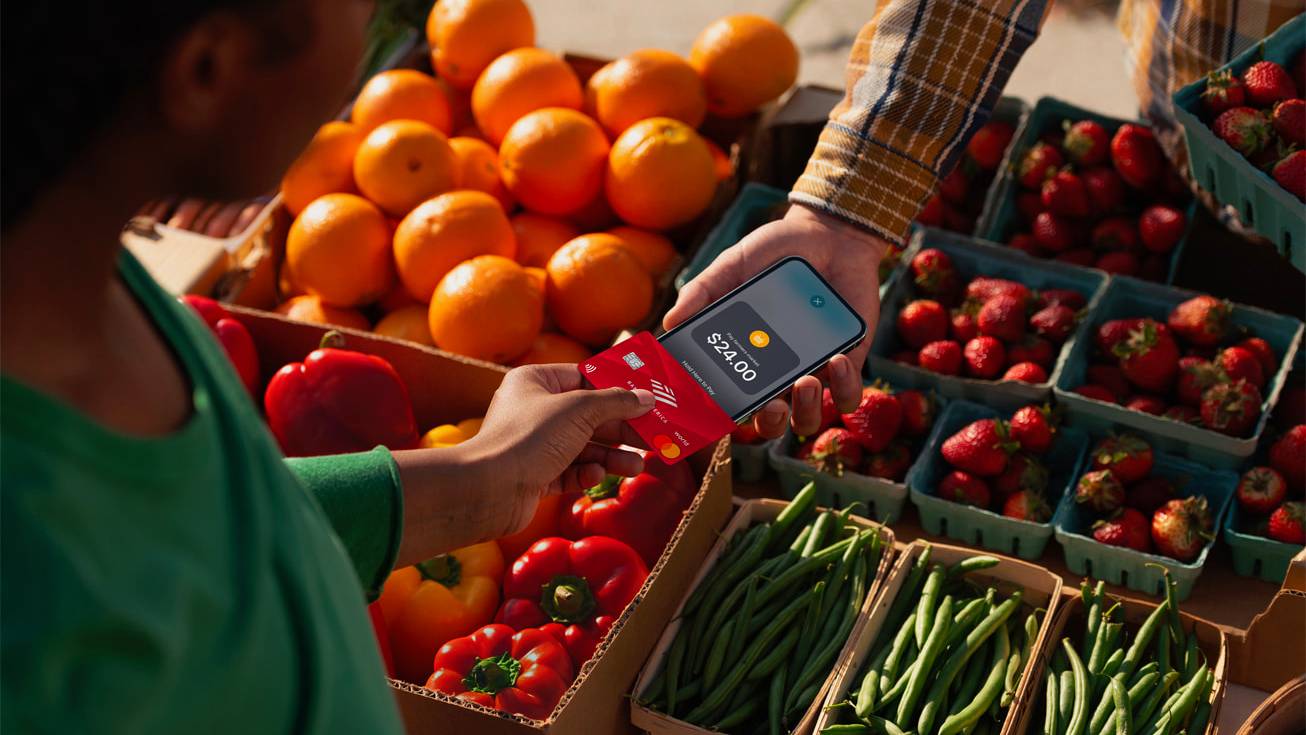
Imagine a bustling market stall, a mobile hairdresser, or a small coffee shop where the owner can process a payment with just a tap of a customer's card or phone on their own iPhone. That's the power of Tap to Pay on iPhone. It's designed to be incredibly simple, secure, and accessible, leveraging the advanced technology already built into millions of iPhones worldwide. This launch marks a significant step forward for South Africa's digital economy, making modern payment solutions more pervasive and convenient than ever before.
What is Tap to Pay on iPhone?
At its core, Tap to Pay on iPhone transforms a compatible iPhone into a secure payment terminal. It allows businesses to accept various forms of contactless payments, including major credit and debit cards, Apple Pay, and other digital wallets. The technology behind it is Near Field Communication (NFC), the same secure wireless technology used in traditional contactless card readers. This means that instead of investing in or renting a separate card machine, a merchant can simply use their iPhone and a partner-enabled iOS app to complete transactions.
The beauty of Tap to Pay lies in its simplicity and integration. It's not just about accepting payments; it's about making the entire process seamless and intuitive for both the business owner and their customers. From small independent sellers to larger retail chains looking for flexible payment options, this feature offers a versatile and cost-effective solution. It extends the reach of digital payments beyond fixed storefronts, enabling commerce wherever an iPhone and an internet connection are present.
How Tap to Pay on iPhone Works: A Simple Transaction
The process of accepting a payment using Tap to Pay on iPhone is remarkably straightforward, designed for speed and ease of use. Here’s a step-by-step look at how a transaction unfolds:
- Initiate Payment: The merchant opens a compatible partner-enabled iOS app on their iPhone (e.g., iStore Pay or Yoco app). They input the transaction amount, just as they would with any point-of-sale system.
- Customer Presents Payment: When prompted by the merchant's iPhone, the customer holds their contactless credit or debit card, their iPhone or Apple Watch (using Apple Pay), or another digital wallet-enabled device near the top of the merchant's iPhone.
- Secure Connection: The NFC chip in the merchant's iPhone securely communicates with the customer's payment method. No physical contact is needed, ensuring a hygienic and swift transaction.
- Payment Confirmation: The payment is processed quickly and securely. Both the merchant and the customer receive immediate confirmation that the transaction was successful.
- Receipt Options: Depending on the partner app, the merchant can then offer the customer a digital receipt via email or SMS, or even a printed one if they have a portable printer connected.
This entire process takes just a few seconds, making checkout faster and more efficient. The merchant’s iPhone acts as the secure reader, sending encrypted transaction data to the payment processor. The customer benefits from the convenience of using their preferred contactless method, whether it's a physical card or a digital wallet on their phone or watch.
Transforming Businesses: The Merchant Advantage
The introduction of Tap to Pay on iPhone in South Africa brings a myriad of benefits for businesses, addressing common challenges and opening up new avenues for growth and efficiency:
1. Cost-Effectiveness and Accessibility
One of the most compelling advantages is the significant reduction in hardware costs. Traditional payment terminals can be expensive to purchase, rent, and maintain. With Tap to Pay, businesses can leverage their existing iPhone, eliminating the need for dedicated payment hardware. This lowers the barrier to entry for small businesses, startups, and informal traders who might have previously found the cost of payment infrastructure prohibitive. It democratizes access to digital payment acceptance.
2. Unparalleled Portability and Flexibility
Because the iPhone itself is the payment terminal, businesses gain incredible flexibility. Mobile service providers, pop-up shops, food trucks, market vendors, delivery services, and even professionals making house calls (like plumbers or therapists) can now accept secure payments anywhere they have an internet connection. This eliminates missed sales opportunities that arise when customers only carry cards or digital wallets and the business can only accept cash.
3. Simplified Setup and Ease of Use
Getting started with Tap to Pay is designed to be simple. Merchants only need a compatible iPhone (iPhone XS or later) and a partner-enabled iOS app. The interface within the app is intuitive, making it easy for anyone to quickly learn how to accept payments. This reduces training time and allows businesses to get up and running with digital payments much faster than with complex, traditional systems.
4. Enhanced Customer Experience
Customers today expect fast, convenient, and secure payment options. By offering contactless payments, businesses can provide a modern, frictionless checkout experience. This not only speeds up transactions but also aligns with evolving consumer preferences for digital wallets and contactless cards, potentially increasing customer satisfaction and loyalty.
5. Streamlined Operations and Efficiency
Integrating payments directly with an app can also help streamline other business operations. Depending on the partner app, it can link to inventory management, sales tracking, and reporting, providing valuable insights into business performance. This reduces manual reconciliation, minimizes errors, and frees up time that can be better spent on core business activities.
6. Broad Acceptance of Payment Methods
Tap to Pay on iPhone supports a wide array of payment methods, including Mastercard, Visa, Apple Pay, and other digital wallets, with American Express support coming soon. This ensures that businesses can cater to a diverse customer base, accommodating their preferred payment choice and reducing the chances of a lost sale due to limited payment options.
7. Modern and Professional Image
For many small businesses, adopting modern technology like Tap to Pay on iPhone can elevate their professional image. It signals to customers that the business is forward-thinking, technologically savvy, and committed to providing a convenient service. This can be a subtle yet powerful differentiator in a competitive market.
Enhanced Convenience for Shoppers
While the benefits for merchants are clear, customers also gain significantly from the widespread adoption of Tap to Pay on iPhone:
1. Ultimate Convenience and Speed
Customers can pay with their preferred contactless method – be it a physical card, an iPhone, or an Apple Watch – with a simple tap. This speeds up checkout lines, especially in busy environments, allowing customers to complete their purchases and move on quickly without fumbling for cash or struggling with chip readers.
2. Enhanced Security at Every Tap
Contactless payments inherently offer a layer of security over traditional swipe or chip methods because the card never leaves the customer's hand, reducing the risk of skimming or fraud. With Apple Pay and other digital wallets, transactions are further secured with Face ID, Touch ID, or a passcode, adding an extra layer of biometric protection.
3. Hygienic Transactions
In a world increasingly aware of hygiene, contactless payments are a preferred choice. Customers don't need to touch shared keypads or terminals, providing a cleaner and safer transaction experience for everyone involved.
4. Familiarity and Trust
Many consumers are already familiar with and trust Apple Pay and other digital wallet services. Extending this trusted experience to more merchants, particularly smaller ones, fosters greater confidence in digital payments across the board.
South Africa's Digital Leap: Partners Leading the Way
The successful launch of Tap to Pay on iPhone relies heavily on strong local partnerships. In South Africa, iStore Pay and Yoco are the first payment platforms to support this groundbreaking feature. These partnerships are crucial for integrating the technology into local payment ecosystems and ensuring widespread adoption.
iStore Pay, as an extension of the popular Apple reseller iStore, is well-positioned to introduce this technology to Apple enthusiasts and businesses already familiar with the Apple ecosystem. Their understanding of Apple users' needs will likely make for a smooth adoption process within their client base.
Yoco, on the other hand, is a prominent and widely recognized payment solution provider for small and medium-sized businesses (SMEs) in South Africa. Yoco has built its reputation on making card payments accessible and affordable for entrepreneurs. Their integration of Tap to Pay on iPhone perfectly aligns with their mission, further democratizing payment acceptance and reaching a vast network of existing and potential SME clients.
The choice of these initial partners reflects a strategic effort to target both established businesses within the Apple ecosystem and the burgeoning SME sector, which forms the backbone of the South African economy. Mastercard and Visa are fully supported from day one, ensuring broad compatibility with the most common cards used in the country, with American Express on its way.
This launch in South Africa is particularly significant given the country's unique economic landscape. While digital payments are growing, a substantial portion of transactions still occur in cash, especially within informal sectors. Tap to Pay on iPhone has the potential to accelerate financial inclusion, allowing more entrepreneurs and small businesses to participate fully in the digital economy, expand their customer base, and track their sales more effectively. It addresses the practical challenges of cost and infrastructure, which have historically hindered the widespread adoption of card payments among smaller merchants.
A Global Phenomenon: Tap to Pay's Worldwide Journey
South Africa's entry into the Tap to Pay on iPhone ecosystem is part of a larger, ongoing global expansion by Apple. The feature first made its debut in the United States in February 2022 and has been steadily rolling out to new markets ever since, proving its versatility and demand across different economies.
The year 2025 marked a significant acceleration in this global expansion. A major wave of rollouts saw the feature arrive in dozens of new countries. This included 18 new countries in May, further broadening its footprint across Europe, Asia, and other key regions. This was followed by launches in five more European countries in September, consolidating its presence in one of the world's largest digital payment markets. Towards the end of 2025, important Asian markets also joined, with launches in Singapore and Hong Kong in December, underscoring Apple's commitment to strategic markets with high digital adoption rates.
The momentum continued into 2026, with Malaysia following in April 2026. By the start of this year, Apple confirmed a significant milestone: Tap to Pay on iPhone had reached 50 markets globally. This rapid expansion within just a few years highlights the immense global demand for such an accessible and integrated payment solution. Each new market brings the technology to millions more businesses and consumers, solidifying its position as a key player in the evolution of digital payments. South Africa now proudly joins this growing list, poised to benefit from the proven success and maturity of the platform in other regions.
Unwavering Security and Privacy: Core to the Experience
In an era where digital security and data privacy are paramount, Apple has built Tap to Pay on iPhone with robust safeguards from the ground up. Merchants and customers can transact with peace of mind, knowing that their financial information is protected.
1. End-to-End Encryption
Every single transaction conducted through Tap to Pay on iPhone is encrypted. This means that sensitive payment data is scrambled from the moment it leaves the customer's card or device until it reaches the secure payment processor. This end-to-end encryption makes it extremely difficult for unauthorized parties to intercept or read the data.
2. Secure Element Technology
Transactions are processed through the iPhone's Secure Element. This is a dedicated, certified, and tamper-resistant hardware chip designed to store highly sensitive data like payment information and cryptographic keys. It acts as a digital vault, isolating your payment data from the rest of the iPhone's operating system, even if the device itself were compromised. This hardware-level security is a cornerstone of Apple Pay and now, Tap to Pay on iPhone, offering a level of protection far beyond what software-only solutions can provide.
3. Apple's Commitment to Privacy
Apple emphasizes that it has no knowledge of what is purchased or who is buying it when a transaction occurs via Tap to Pay on iPhone. Card numbers and transaction data are never stored on the device itself or on Apple's servers. This commitment to user privacy means that Apple does not collect or store personally identifiable transaction information, maintaining a strict separation between payment processing and user data. The transaction details are solely between the customer, the merchant, and their respective banks or payment processors.
4. Industry Compliance and Standards
Tap to Pay on iPhone adheres to the highest industry standards for security and payment processing, including those set by payment networks like Mastercard and Visa. This ensures that the technology is not only innovative but also meets the rigorous requirements for secure financial transactions globally. For businesses, this means they are offering a payment method that is compliant with international security protocols, building trust with their customers.
This comprehensive approach to security and privacy is critical for fostering widespread adoption and trust in digital payment solutions. Both merchants and consumers can have confidence that their financial details are handled with the utmost care and protection.
Getting Started: Requirements for Your iPhone
Embracing Tap to Pay on iPhone is straightforward for eligible users. To start accepting payments, a merchant will need:
- An iPhone XS or later model. This ensures the device has the necessary NFC capabilities and processing power to handle secure transactions efficiently.
- The latest version of iOS. Keeping the operating system updated is crucial for security, performance, and access to the newest features.
- A partner-enabled iOS app. In South Africa, this currently includes apps from iStore Pay and Yoco. As the service expands, more payment providers are expected to integrate Tap to Pay into their platforms.
- An account with the chosen payment partner. Merchants will need to sign up with iStore Pay or Yoco and go through their verification processes to be able to accept payments.
These requirements ensure that the technology functions optimally and securely, providing a reliable experience for everyone involved in the transaction.
The Road Ahead: Impact on South Africa's Economy
The launch of Tap to Pay on iPhone in South Africa is more than just a new payment feature; it's a catalyst for digital transformation and economic growth. Its potential impact is far-reaching:
1. Boosting Financial Inclusion
By making digital payments accessible and affordable, Tap to Pay can bring countless informal traders and small businesses into the formal economy. This access can lead to better financial tracking, easier access to credit, and overall economic empowerment for entrepreneurs who have historically been reliant on cash.
2. Accelerating the Cashless Economy
South Africa, like many emerging markets, is actively moving towards a cashless society. Tap to Pay provides a significant push in this direction by reducing the barriers to digital payment acceptance. This can lead to greater convenience for consumers and a safer environment by reducing the need to carry large amounts of cash.
3. Fostering Innovation and Competition
The entry of Apple into the local payment landscape, through its partners, is likely to spur further innovation among existing payment providers. This increased competition can lead to better services, lower fees, and more choices for businesses and consumers alike.
4. Supporting Entrepreneurship
New businesses can launch with a ready-made, powerful payment solution, helping them to grow faster and operate more professionally from day one. This supports the vibrant entrepreneurial spirit within South Africa.
Conclusion
Tap to Pay on iPhone represents a significant leap forward for payment technology in South Africa. By transforming a ubiquitous device like the iPhone into a secure, portable, and cost-effective payment terminal, Apple, in partnership with iStore Pay and Yoco, is empowering businesses of all sizes to embrace the digital economy. This innovation not only simplifies transactions and enhances customer experiences but also plays a crucial role in fostering financial inclusion and accelerating South Africa's journey towards a more digital and connected future. As the global rollout continues, South Africa is now perfectly positioned to harness the full potential of this revolutionary payment solution.
This article, "Tap to Pay on iPhone Launches in South Africa" first appeared on MacRumors.com
Discuss this article in our forums
from MacRumors
-via DynaSage
