
Star Wars: The Old Republic Director Wanted To Do A New Republic Reboot Until EA’s Board Stepped In To Kill It
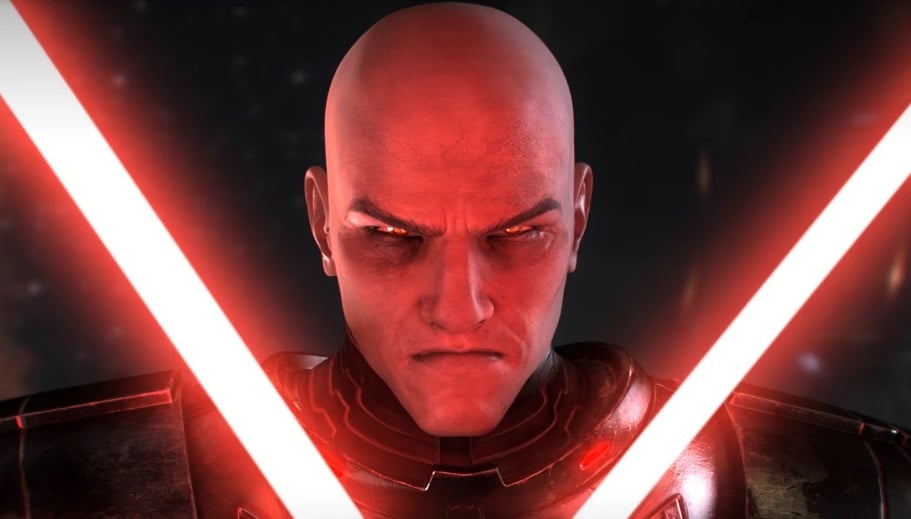
Star Wars: The New Republic was a real possibility at some point
Exploring the Untapped Potential of Star Wars: The New Republic
For many Star Wars fans, the galaxy far, far away holds endless fascination, not just for the epic battles between good and evil, but for the intricate political landscapes and character-driven narratives that define its eras. The mere mention of a project titled Star Wars: The New Republic sparks a unique kind of excitement, hinting at a period rich with possibility and uncharted territory. Indeed, the idea that such a game or story was once a real possibility opens up a galaxy of speculation and desire for what could have been, and perhaps, what could still be.
The era directly following the defeat of Emperor Palpatine and Darth Vader in Return of the Jedi is a vast, mostly unexplored canvas within the current official Star Wars canon. While Legends (the previous Expanded Universe) dived deep into this period with countless books, comics, and games, the new canon has only begun to scratch the surface, primarily through shows like The Mandalorian, Ahsoka, and The Book of Boba Fett. These stories offer glimpses into a chaotic but hopeful galaxy, ripe for grand adventures and intricate political dramas. A dedicated project focusing on "The New Republic" could finally allow fans to fully immerse themselves in the rebuilding efforts after decades of Imperial tyranny, witnessing the birth of a new democratic order amid lingering threats and fresh challenges.
The Birth of Hope: What is The New Republic Era?
The "New Republic" refers to the galactic government established after the fall of the Galactic Empire. Born from the ashes of the Rebel Alliance, its goal was to restore peace, democracy, and justice to a galaxy ravaged by war and oppression. Unlike the Old Republic, which became complacent and corrupt, the New Republic aimed to be decentralized, allowing individual star systems more autonomy, and to learn from the mistakes of the past.
This period is fascinating because it's not simply a transition from darkness to light. It's a complex time of recovery, fragile peace, and the constant struggle against the ghosts of the Empire. Warlords, Moff Council remnants, criminal syndicates, and opportunistic pirates all vie for power in the vacuum left by Palpatine’s demise. Meanwhile, heroes like Luke Skywalker, Leia Organa, and Han Solo transition from rebels to architects of a new galactic order, facing challenges far different from those of outright war.
A Galaxy in Flux: Challenges and Opportunities
Imagine a galaxy where infrastructure is shattered, economies are in ruin, and trust is a rare commodity. This is the setting for the New Republic. Key challenges include:
- Imperial Remnants: Not all Imperials surrendered. Many retreated to the Outer Rim or hid in plain sight, plotting their return or simply enforcing their own brutal rule.
- Lawlessness: With central authority weakened, crime lords and pirates seize opportunities, making travel and trade dangerous.
- Rebuilding: Essential services, communication networks, and planetary governments need to be re-established or reformed.
- Diplomacy: Bringing disparate systems, many of which never truly felt the Republic's presence, under a unified banner requires immense skill and persuasion.
- The Jedi's Return: Luke Skywalker embarks on the monumental task of rebuilding the Jedi Order, a spiritual and moral compass for the galaxy, but one that many still view with suspicion after the Clone Wars and Order 66.
These challenges, however, present incredible opportunities for storytelling. They allow for intricate plots that blend political maneuvering with daring space battles, espionage with exploration, and personal journeys of growth and redemption within a larger galactic context.
Why the New Republic Era is Ripe for Exploration
The appeal of a "New Republic" focused project lies in several key factors that make this particular era exceptionally fertile ground for deep, engaging narratives.
An Untapped Canvas Between Eras
The period between Return of the Jedi and The Force Awakens represents a significant temporal gap in the current Star Wars canon. While the original trilogy chronicles the Galactic Civil War and the sequel trilogy depicts the rise of the First Order, the intervening decades are relatively undefined. This void offers immense creative freedom for storytellers to introduce new characters, factions, and conflicts without being overly constrained by established events.
It's an era where the major players from the original trilogy are still active but are no longer rebels fighting an oppressive regime; they are leaders, mentors, and symbols of a new future. This allows for fresh perspectives on beloved characters and the introduction of new heroes and villains who can forge their own legends without overshadowing the Skywalker saga, but rather enriching its broader context. It’s a chance to explore how the galaxy truly heals, or fails to heal, from its most destructive war.
Beyond Black and White: Nuance and Complexity
While Star Wars is often celebrated for its clear distinction between good and evil, the New Republic era provides a unique opportunity to delve into more morally ambiguous territory. The immediate aftermath of a galactic war is rarely straightforward. There are no easy answers. Planets struggle with economic collapse, cultural identity crises, and the burden of rebuilding. Imperial loyalists might still exist, but some former Imperials might genuinely seek redemption or a new purpose.
This setting allows for stories that explore the complexities of governance, the difficulties of unifying disparate cultures, and the internal struggles within a nascent democracy. A player or protagonist in this era could face choices that aren't about light or dark, but about different shades of grey, where the "right" decision is hard to discern and carries long-term consequences. This depth could elevate Star Wars storytelling beyond simple heroism into a more mature and thoughtful examination of power, peace, and responsibility.
A Political Thriller on a Galactic Scale
The formation of the New Republic is inherently a political endeavor. It involves countless negotiations, treaties, and the delicate balancing of power between newly liberated worlds. This makes it an ideal setting for a political thriller or a grand strategy game where diplomacy, espionage, and economic leverage are as crucial as starfighter dogfights and blaster battles.
Imagine a narrative where players have to navigate treacherous senatorial debates, uncover plots by former Imperial intelligence agents, or broker peace deals between feuding systems. This offers a refreshing change of pace from constant warfare, allowing for a different kind of tension and engagement that focuses on the human (and alien) element of governance. The internal struggles of the New Republic—the debates between central authority and planetary autonomy, the rise of corruption, or the handling of extremist groups—could provide compelling plotlines.
New Adventures for Beloved Characters and New Faces
One of the most exciting aspects of a New Republic project is the chance to see iconic characters in new roles, while also introducing a fresh generation of heroes and villains.
Luke Skywalker: The Lone Jedi Master
Luke Skywalker’s journey to rebuild the Jedi Order is a cornerstone of this era. A game or series could put players directly in his orbit, perhaps as one of his first students, or as an ally helping him locate Force-sensitives and ancient Jedi texts. This would offer an intimate look at the challenges he faced: the isolation, the burden of history, and the immense responsibility of bringing back an order that was largely misunderstood and ultimately destroyed.
His struggles to define what a "New Jedi" means, different from the flaws of the Old Republic Jedi, could be incredibly powerful. We could see him grapple with the temptation of power, the fear of failure, and the search for ancient wisdom across the galaxy.
Leia Organa: Stateswoman and General
Leia's transition from Rebel leader to architect of the New Republic is equally compelling. Her political acumen and diplomatic skills would be front and center as she works to unite disparate systems and establish a stable government. A project focusing on this era could involve players working directly for Leia, carrying out sensitive diplomatic missions, uncovering political conspiracies, or even leading covert operations to protect the nascent Republic.
Her role would be crucial in defining the Republic's values and ensuring it doesn't fall prey to the same pitfalls as its predecessor. Her leadership would be a beacon of hope, but also a target for those who wish to see the Republic fail.
Han Solo: Smuggler-Turned-General-Turned...?
Han Solo’s journey in the New Republic era is fascinating because of its inherent conflict. A man who prized independence and scoffed at authority is now expected to serve a government. While he might take on a general's rank, his heart still lies with adventure and his family. Stories could explore his role in rooting out criminal syndicates, using his underworld connections for the Republic's benefit, or simply trying to settle down with Leia and their eventual family amidst the chaos.
His arc could highlight the difficulty of finding peace after a lifetime of war, and his eventual struggles with fatherhood and personal demons that are hinted at in the sequel trilogy.
New Blood: A Fresh Cast of Characters
Beyond the core trio, this era allows for the introduction of entirely new characters – senators, starfighter pilots, intelligence agents, bounty hunters, Force-sensitives, and everyday citizens. These new faces can offer diverse perspectives on the challenges and hopes of the New Republic, allowing players to connect with the galaxy on a more personal level. Whether through original characters or drawing inspiration from existing, lesser-known figures, the New Republic provides a rich tapestry for new heroes to emerge.
Rebuilding the Galaxy: Themes and Story Arcs
A "New Republic" story could explore a multitude of compelling themes and deliver engaging story arcs.
The Aftermath of War and the Scars of the Empire
The galaxy isn't magically fixed after Endor. Many worlds suffered under Imperial rule, experiencing economic exploitation, environmental destruction, and cultural suppression. A story could focus on the efforts to rebuild these devastated worlds, address past injustices, and reconcile former Imperial citizens into the new order. This could involve humanitarian missions, ecological restoration projects, or even trials for war criminals, forcing players to confront the deep-seated pain left by the Empire.
Dealing with Imperial Remnants and New Threats
The Empire fractured into countless warlord factions, each with its own agenda. Some might be fanatical loyalists, others mere opportunists. A story could involve tracking down these remnants, dismantling their operations, and liberating worlds still under their thumb. Furthermore, this era provides a clean slate for introducing entirely new threats, perhaps from the Unknown Regions, allowing for fresh antagonists that challenge the New Republic in unexpected ways, separate from the First Order's eventual rise.
The Return of the Jedi: Luke's Academy
Luke Skywalker’s attempts to establish his Jedi Academy and train a new generation of Force users is a profoundly important narrative thread. A game could place players directly within this unfolding saga, allowing them to experience the discovery of new students, the challenges of ancient Jedi lore, and the spiritual journey of understanding the Force. It could explore how the new Jedi Order differs from the old, emphasizing empathy, attachment, and the lessons learned from past mistakes.
Espionage, Diplomacy, and the Political Game
With the New Republic’s emphasis on diplomacy and governance, there’s ample room for stories centered on espionage and political intrigue. Players could work as covert agents, gathering intelligence on hostile factions, or as diplomats, negotiating crucial alliances and trade agreements. These narratives could highlight the delicate balance between maintaining peace and being prepared for conflict, demonstrating that not all battles are fought with blasters and starfighters.
What a "New Republic" Game Could Look Like
If Star Wars: The New Republic were realized as a video game, the potential for diverse gameplay mechanics and genres is immense.
Role-Playing Game (RPG)
An RPG would be a natural fit, allowing players to create their own character—a former rebel, a Force-sensitive seeking Luke, a bounty hunter, or a nascent Republic agent. Player choices could have a tangible impact on the galactic political landscape, influencing the stability of systems, the rise of factions, and the fate of key characters. Imagine a game combining elements of Knights of the Old Republic with a larger, more dynamic galaxy map, perhaps similar to X4: Foundations or Elder Scrolls Online in scope.
Players could manage their own starship, recruit a crew, engage in robust skill trees for combat, diplomacy, and technology, and explore a vast array of unique planets, each with its own problems to solve and stories to uncover. The moral choices could be complex, reflecting the grey areas of a post-war galaxy.
Strategy or Grand Strategy Game
A grand strategy game, akin to Stellaris or Total War, would allow players to take on the role of a New Republic leader or a powerful warlord. The goal would be to expand influence, manage resources, engage in diplomacy, and lead fleets in massive space battles to consolidate power or restore order. This could delve deep into the logistics of governing a galaxy, the economic challenges, and the strategic decisions required to rebuild a shattered civilization.
Alternatively, a real-time strategy (RTS) game, perhaps like Empire at War, but focused on the New Republic era, could see players commanding ground armies and starfighter squadrons in tactical engagements against various Imperial splinter factions or emerging threats.
Action-Adventure with Sandbox Elements
A game like Star Wars Outlaws (albeit set in a different era) or Jedi: Survivor could also be a template. Imagine a vast open galaxy where players can fly to different planets, undertake missions for the New Republic, engage in thrilling space combat, and explore ancient ruins. The focus could be on a specific hero character, perhaps a Force-sensitive who is not quite a Jedi, or a highly skilled pilot or commando working to secure peace and justice.
This approach would allow for cinematic storytelling, intense action sequences, and the exploration of beautifully rendered Star Wars environments, all while contributing to the larger narrative of the New Republic's formation and challenges.
Drawing Inspiration from Legends and Current Canon
While a "New Republic" project would undoubtedly be part of the current Disney canon, it has a rich wellspring of both old and new material to draw from.
The Legacy of Legends
The Star Wars Expanded Universe (now Legends) explored the New Republic era extensively. Iconic stories like the Thrawn Trilogy introduced formidable Imperial strategists, while the Yuuzhan Vong War presented an existential threat from outside the galaxy. While these exact storylines may not be adapted, the themes and character archetypes they explored—such as the challenges of a burgeoning Jedi Order, the cunning of Imperial warlords, or the intricacies of galactic politics—are invaluable. Elements of these narratives could be re-imagined and integrated into the new canon, offering a fresh take on beloved concepts while still feeling familiar to long-time fans.
Connecting to Current Canon
The shows set in this era, like The Mandalorian and Ahsoka, have already begun to lay groundwork. They introduce elements like former Imperial scientist Dr. Pershing and the Shadow Council, hinting at larger Imperial machinations. Grand Admiral Thrawn's potential return, as teased in Ahsoka, could serve as a major antagonist, embodying the enduring threat of Imperial power. A "New Republic" story could organically connect these disparate threads, weaving them into a cohesive narrative that shows how the First Order slowly began to coalesce from the scattered remnants of the Empire, without sacrificing the hope and optimism that should define this rebuilding era.
It’s an opportunity to bridge the gap between the triumphant end of the original trilogy and the more somber beginning of the sequels, explaining how the galaxy arrived at that point. This connection could be handled with care, focusing on the struggles and triumphs of the New Republic, rather than simply being a precursor to future defeat.
The Fan's Desire: Why We Crave This Story
Ultimately, the enduring appeal of Star Wars: The New Republic comes down to what fans want from the franchise. It’s a yearning for a particular kind of Star Wars story.
A Sense of Hope and Rebuilding
After decades of galactic conflict, fans desire stories that focus on hope, progress, and the arduous but rewarding task of rebuilding. The New Republic era offers a chance to see democracy and freedom flourish, even in the face of adversity. It's a reminder that Star Wars is not just about war, but about the ideals worth fighting for and the peace that follows.
Narrative Depth and Exploration
Fans are hungry for deep, character-driven narratives that explore the complexities of a post-war galaxy. They want to see how the heroes they know adapted to peace and how new heroes rose to meet new challenges. This era provides a blank slate for exploring uncharted worlds, uncovering ancient mysteries, and engaging with diverse cultures, offering a rich tapestry for storytelling that feels both fresh and authentically Star Wars.
Filling the Void
The lack of substantial canon material in this era creates a natural curiosity and desire to see it fleshed out. It's the "missing link" between two major trilogies, and understanding it is crucial for a complete picture of the Skywalker saga and the galaxy's fate. A dedicated New Republic project could provide that crucial context and satisfy a long-held fan curiosity.
Conclusion: A Future Worth Exploring
The prospect of a project centered on Star Wars: The New Republic remains incredibly exciting. It represents an opportunity to delve into a period of immense potential, offering a unique blend of political intrigue, character development, and galactic exploration. Whether as a sprawling RPG, a strategic epic, or a rich action-adventure, this era promises stories that are both true to the spirit of Star Wars and daringly new.
For fans, it’s not just about a game or a series; it's about seeing the galaxy far, far away grow and evolve in meaningful ways, showcasing the resilience of its people and the enduring power of hope. If indeed Star Wars: The New Republic was once a real possibility, let's hope it becomes a concrete reality, allowing us all to experience the challenging but ultimately inspiring birth of a new galactic era.
from Kotaku
-via DynaSage
