
Overwatch Fans Are Convinced Fortnite ‘Un-Nerfed’ Tracer’s Butt
Beyond the Pose: Exploring Character Design and Community Voices in Gaming
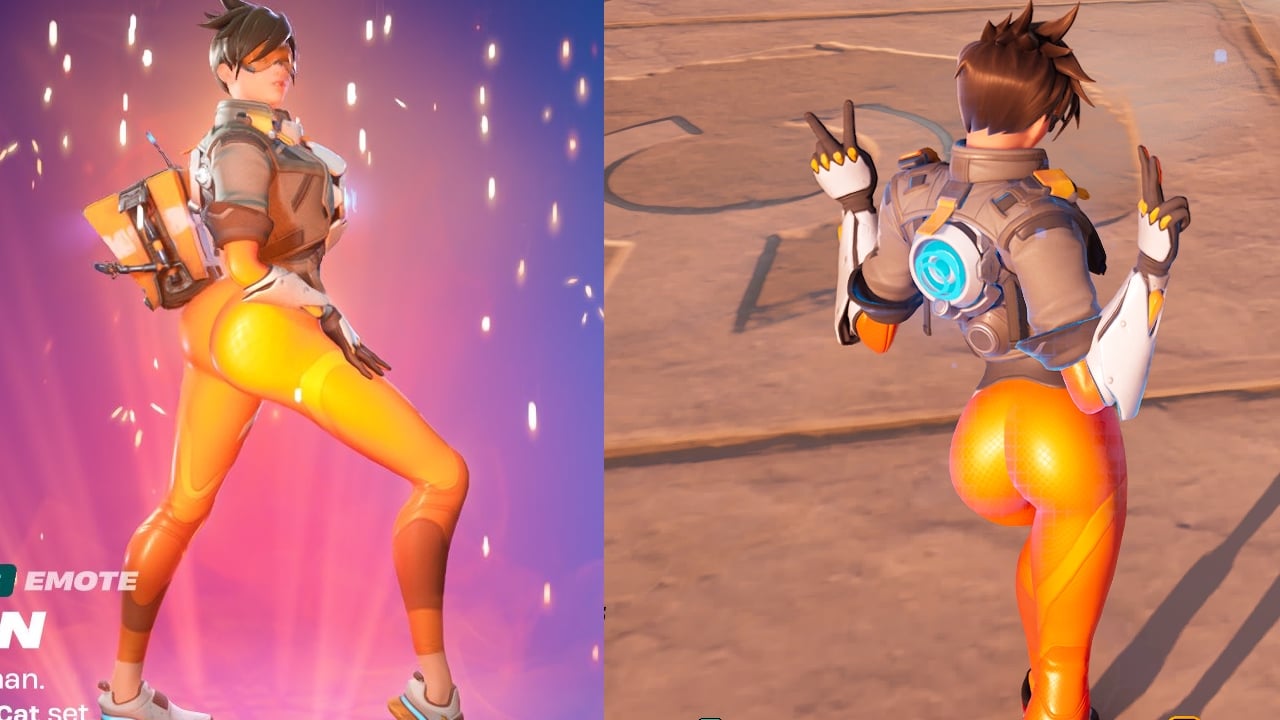
In the vast and colorful world of video games, character design plays a crucial role. It’s the first impression, the visual hook that draws players in and helps them connect with the heroes and villains they control. From intricate armor to unique silhouettes, every detail is carefully crafted to convey personality, abilities, and story. Yet, even the smallest design choice can spark passionate discussions within the gaming community, as evidenced by a seemingly simple, almost casual remark: "Tracer, girl, drop the glute routine." This lighthearted, yet pointed, comment highlights a much broader conversation about character aesthetics, player expectations, and the ongoing dialogue between game developers and their dedicated fanbase. It brings into focus how much players invest in the visual identity of their favorite heroes and how even minor elements of a character’s pose or physical presentation can become a significant talking point.
Tracer, the time-bending pilot from Blizzard Entertainment's popular team-based shooter, Overwatch, is one such character who has consistently been at the center of these discussions. As one of the game's most recognizable and iconic figures, her design is instantly identifiable: a lean, agile frame, goggles, a tight chronal accelerator, and a constant energetic bounce. She embodies speed, optimism, and a playful spirit, all of which are reflected in her animations and visual presentation. However, like many prominent characters in media, her depiction has been subjected to scrutiny, interpretation, and sometimes, critique. This deep dive will explore the nuances of character design through the lens of Tracer, examining how visual choices impact player perception, ignite community discussions, and ultimately shape the evolving landscape of video game aesthetics.
Understanding Tracer's Iconic Design and Role
Tracer, whose real name is Lena Oxton, serves as one of Overwatch’s original heroes and its de facto mascot. Her origin story, a daring test pilot caught in a chronal anomaly, perfectly explains her unique abilities to blink through space and rewind time. This backstory is not just lore; it's intricately woven into her visual design and animation style. Her movements are always fluid and quick, her posture often dynamic, suggesting constant motion even when standing still. Her signature chronal accelerator device, glowing blue on her chest, is not merely an accessory but a vital part of her existence, preventing her from becoming desynchronized from the timeline. This fusion of narrative and aesthetics is what makes her design so effective and memorable.
The visual language of Tracer’s character communicates her role as an offense hero perfectly. Her light armor, compared to a tank like Reinhardt or even a damage dealer like Soldier: 76, emphasizes her agility and speed over brute force. The bright, vivid colors of her outfit align with the overall vibrant art style of Overwatch, distinguishing her from more gritty or realistic game characters. Her expressive face, often seen with a wide grin, portrays her buoyant and optimistic personality, a stark contrast to some of the more brooding heroes in the roster. These elements combine to create a character that is not only fun to play but also visually engaging and easily understood, even by players new to the game. For more details on Tracer's lore, visit the official Overwatch Hero Page.
However, even with such a well-thought-out design, specific aspects can become points of contention or discussion. Character models in games are complex digital sculptures, given life through animation and rendered in exquisite detail. Every curve, every muscle definition, every subtle shift in posture is intentionally created by a team of artists and animators. When players interact with these characters for hundreds or thousands of hours, they develop a strong sense of ownership and familiarity. This deep connection means that when a character's physical appearance, particularly in terms of body shape or specific poses, is perceived as being overly emphasized or out of character, it can trigger strong reactions. It’s this intricate relationship between artistic intention and player interpretation that often fuels the conversations seen across forums and social media.
The "Glute Routine" Comment: A Microcosm of Larger Discussions
The phrase "Tracer, girl, drop the glute routine" is more than just a passing remark; it encapsulates a particular type of commentary prevalent in gaming communities. At its heart, it often refers to an observation, sometimes critical, about the perceived emphasis on a character's posterior in their design or specific poses. While it can be a playful jab, it often touches upon deeper discussions surrounding the portrayal of female characters in video games, body image, and the gaze of the audience. This isn't unique to Tracer or Overwatch; it's a recurring theme that has accompanied character design in games for decades, evolving as the industry and its audience mature.
One of the most notable historical examples that directly relates to Tracer, and likely informs this type of comment, was the controversy surrounding one of her victory poses during Overwatch's early beta stages. An "over-the-shoulder" pose was deemed by some community members to be overly sexualized and inconsistent with Tracer's established energetic and adventurous personality. The feedback argued that the pose felt out of place for a character defined by speed and heroism, suggesting it pandered to a specific male gaze rather than enhancing her character. Blizzard responded by removing the pose and replacing it with another that was seen as more aligned with Tracer's character, showcasing her playful agility. This incident became a landmark moment, demonstrating the power of community feedback and developers' willingness to listen and adapt.
The "glute routine" comment, whether consciously or not, echoes the sentiments of that earlier discussion. It suggests that perhaps certain aspects of her current poses or model continue to draw attention to physical attributes in a way that some players find unnecessary or distracting. This isn't necessarily a demand for censorship, but rather a call for more thoughtful and consistent character portrayal. It’s about ensuring that a character’s visual presentation enhances their personality and narrative, rather than detracting from it or inadvertently objectifying them. Developers walk a tightrope, balancing artistic vision with the vast and varied expectations of their global audience, and these types of comments serve as a constant reminder of that complex dynamic.
Character Design, Player Perception, and Developer Response
The journey of bringing a character from concept to screen involves a multitude of artistic and technical decisions. Character artists meticulously sculpt models, animators breathe life into them through motion, and narrative designers infuse them with personality and backstory. The goal is to create a cohesive and believable entity that players can engage with. However, once a character is released into the wild of a game, its interpretation is no longer solely in the hands of its creators. Players project their own experiences, values, and expectations onto these digital beings, leading to a diverse range of perceptions. What one player sees as an empowering pose, another might view as gratuitous, and a third might not even notice.
This divergence in perception is where the feedback loop between developers and players becomes crucial. Gaming communities, especially for live-service games like Overwatch, are highly vocal and organized. Forums, social media, and streaming platforms become arenas for dissecting every aspect of a game, from gameplay mechanics to character aesthetics. Developers at studios like Blizzard are keenly aware of these discussions, often monitoring them to gauge player sentiment and identify areas for improvement or adjustment. The aforementioned Tracer pose change is a prime example of developers actively engaging with and responding to community feedback. It underscored a commitment to fostering an inclusive environment and ensuring that character portrayals align with the broader values of the player base.
However, responding to feedback is not always straightforward. Developers must weigh various factors: the artistic integrity of their vision, the technical feasibility of changes, the commercial implications, and the sheer volume and often contradictory nature of player opinions. Sometimes, a vocal minority might dominate a conversation, while a silent majority holds different views. Distinguishing between constructive criticism, personal preferences, and potentially harmful rhetoric requires careful discernment. The challenge lies in identifying feedback that genuinely enhances the game and its values, without succumbing to every passing whim. It highlights the intricate dance between creation and consumption, where both parties contribute to the evolving identity of a game and its characters. This continuous dialogue shapes not only individual characters but also influences broader trends in game development and character representation within the industry.
Beyond Aesthetics: Tracer's True Strength and Impact
While discussions about Tracer's poses and physical appearance are undeniably part of her public discourse, it's crucial to remember that her lasting appeal extends far beyond aesthetics. Her true strength and impact lie in her vibrant personality, her unwavering optimism, and her significant role as a character who embodies courage and acceptance. Tracer is more than just a collection of polygons and animations; she is a beacon of hope and a symbol of what Overwatch stands for: a diverse cast of heroes fighting for a better future. Her catchphrases, like "Cheers, love! The cavalry's here!", are instantly recognizable and perfectly encapsulate her energetic and positive outlook, even in the face of grave danger.
Tracer’s character resonates deeply with players because of her compelling narrative and her place in the game's lore. She is one of the first openly LGBTQ+ characters in a major video game, a fact that was revealed through an official comic. This revelation further solidified her status as an icon of inclusivity and representation, demonstrating that heroes come from all walks of life and love. This aspect of her character has garnered immense praise from fans and critics alike, showcasing how thoughtful character development can transcend visual details and create profound connections with players. Her identity is multifaceted, and her visual presentation is just one component of a much richer and more impactful persona. For more on Overwatch's commitment to diversity, check out relevant Blizzard News.
In terms of gameplay, Tracer's abilities demand quick reflexes and strategic thinking, making her a high-skill, high-reward hero. Her ability to zip around the battlefield, harassing enemies and disrupting their formations, is central to her gameplay identity. Players who master her blinks and recall ability feel a sense of exhilarating control and empowerment. This visceral experience of playing as Tracer often overshadows any minor visual critiques because the sheer fun and effectiveness of her kit are so compelling. Ultimately, a character’s enduring legacy is built on a foundation of engaging gameplay, relatable personality, and meaningful contributions to the game's universe, all of which Tracer exemplifies in spades. These intrinsic qualities are what truly make her an iconic and beloved figure, far more than the details of her "glute routine" ever could.
The Evolving Landscape of Representation in Gaming
The conversation surrounding Tracer's design is indicative of a much broader and ongoing discussion within the gaming industry about representation. As video games reach an ever-widening and more diverse audience, there's an increasing demand for characters that reflect the rich tapestry of the real world. This includes not just ethnicity and gender, but also body types, sexual orientations, and abilities. The era of generic, one-dimensional characters is slowly but surely fading, making way for more nuanced and authentic portrayals. This shift is driven by both ethical considerations and a recognition of market demand; players want to see themselves and others represented respectfully and authentically in the games they play.
Developers are becoming more conscious of the impact their character designs have. This means moving beyond tropes and stereotypes that have historically plagued female characters, such as over-sexualization or being relegated to damsel-in-distress roles. The goal is to create characters whose primary identity is tied to their strength, intelligence, personality, and contributions to the narrative, rather than solely their physical appearance. While attractiveness can be part of a character's design, it's about balance and context. Is the design serving the character's story and personality, or is it primarily intended to appeal to a specific demographic in a superficial way? These are the questions developers grapple with, and player feedback, even when critical, helps to steer these conversations.
The gaming community itself plays a vital role in this evolution. Through forums, social media campaigns, fan art, and critical essays, players articulate their desires and expectations for more inclusive and diverse representations. This collective voice has proven powerful enough to influence design decisions, as seen with Tracer. While not every piece of feedback can or should be implemented, the overall trend points towards a more thoughtful approach to character creation. This ongoing dialogue fosters a healthier ecosystem where games can become more accessible, relatable, and meaningful for everyone. It’s a testament to the fact that games are not just products, but cultural touchstones that evolve with the societies that create and consume them, paving the way for a future where every player can find a hero who truly resonates with them. Explore more about character design principles on game development blogs or industry sites like Gamasutra.
Crafting Enduring Icons: The Future of Character Design
What makes a character truly iconic? Is it an instantly recognizable silhouette, a memorable catchphrase, or a groundbreaking personality? The truth is, it’s a confluence of all these elements, carefully blended to create something greater than the sum of its parts. Characters like Tracer achieve iconic status not just because of how they look in a single pose, but because of the entire package: their gameplay mechanics, their voice acting, their backstory, and their impact on the game's universe and its players. An enduring icon is one that transcends fleeting trends and continues to inspire and engage long after their initial introduction. For Tracer, her iconic status is solidified by her role as Overwatch’s cheerful, adventurous spirit and her representation of hope and diversity.
Looking ahead, the future of character design in video games is likely to be even more dynamic and responsive. As technology advances, allowing for more intricate models and realistic animations, the responsibility on designers to create compelling and thoughtful characters will only grow. The increasing emphasis on storytelling and narrative depth in games also means that character visuals must align seamlessly with their psychological and emotional journeys. We can expect to see continued innovation in how characters are presented, moving beyond traditional archetypes and embracing even greater diversity in body shapes, cultural backgrounds, and personal identities. This evolution will be shaped by ongoing conversations with players, fostering a collaborative approach to character creation that is unique to the interactive medium of video games.
The lessons learned from discussions surrounding characters like Tracer provide a valuable blueprint. They highlight that character design is never a static process; it’s an ongoing dialogue, a continuous refinement based on artistic vision, technical constraints, and community insights. As developers strive to create unforgettable heroes and villains, they will continue to engage with player feedback, balancing creative freedom with the powerful impact their creations have on culture. The most successful characters will be those who not only look good but also stand for something meaningful, offering players more than just an avatar, but a companion, an inspiration, or even a reflection of themselves. The goal is to craft legends that resonate deeply, leaving an indelible mark on the hearts and minds of gamers for generations to come, well beyond any specific "glute routine" or pose.
Conclusion: The Art of Listening and Evolving
The seemingly innocuous comment, "Tracer, girl, drop the glute routine," serves as an excellent starting point for a much broader discussion about the complexities of character design in video games. It underscores the passion players have for their favorite characters and their desire for thoughtful, consistent portrayals. Tracer herself, as a vibrant and beloved hero from Overwatch, perfectly encapsulates the challenges and triumphs of modern character creation. Her design journey, including past adjustments based on community feedback, demonstrates Blizzard's commitment to listening and evolving alongside its player base.
Ultimately, a character's appeal goes far beyond the minutiae of their physical depiction. While aesthetics certainly play a role in initial attraction, it's the depth of their personality, the excitement of their gameplay, and the significance of their story that truly forge an enduring connection with players. Tracer’s optimism, courage, and groundbreaking status as an LGBTQ+ icon contribute far more to her legendary status than any particular pose or "routine." The continuous dialogue between developers and players about character representation is a healthy and necessary part of the gaming industry's growth. It ensures that games remain relevant, inclusive, and capable of creating truly iconic figures who inspire and resonate with a global audience.
As the gaming landscape continues to evolve, so too will our understanding and expectations of character design. The best characters will be those that strike a balance between compelling visual artistry and meaningful, respectful representation, continually adapting to the diverse perspectives of their players. So, while a playful comment about a "glute routine" might spark a chuckle, it also opens the door to profound insights into how we connect with, critique, and celebrate the digital heroes who populate our virtual worlds. It reminds us that in the realm of interactive entertainment, every detail matters, and every voice contributes to the grand narrative of gaming.
from Kotaku
-via DynaSage
