
Official Assassin’s Creed Account Roasts YouTuber For Posting AI-Altered Leak
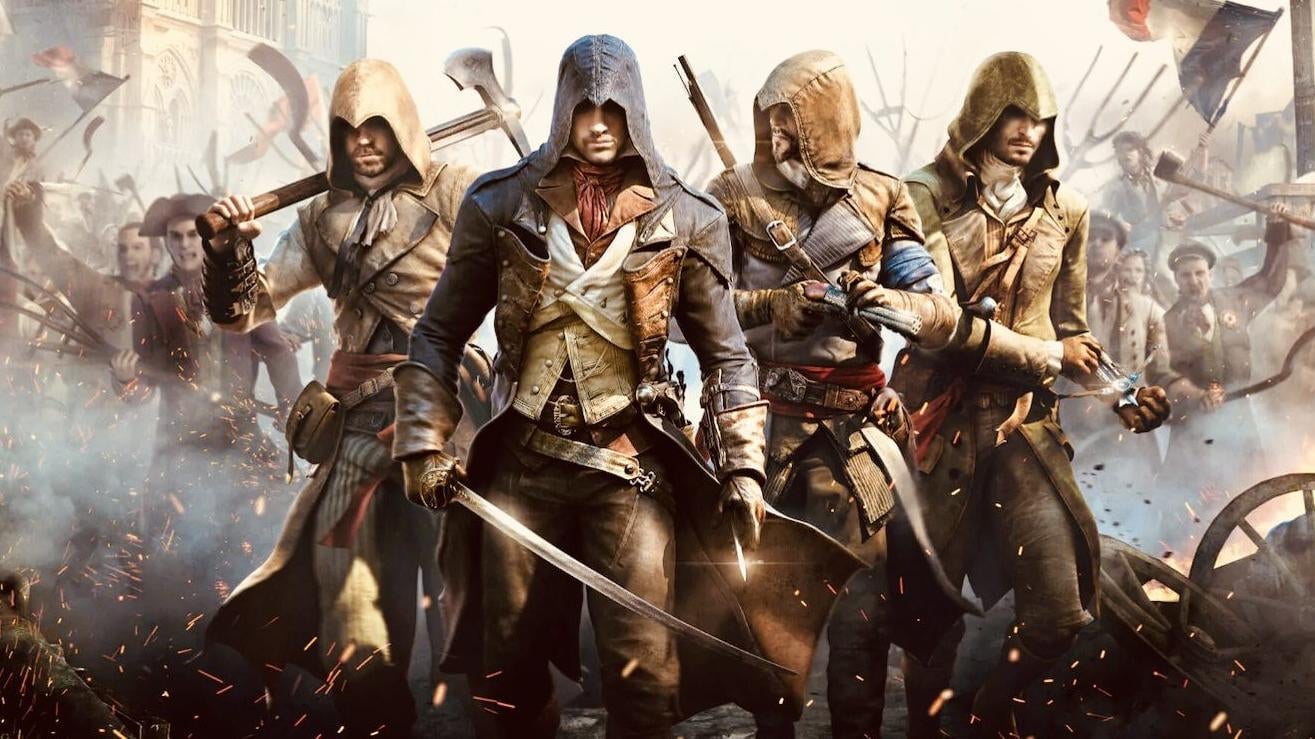
When Leaks Meet Their Match: The Assassin's Creed Account Ratios j0nathan
In the fast-paced world of video games, information is power. And sometimes, that power is wielded by individuals known as "leakers" – people who share details about upcoming games before official announcements. These leaks often create a buzz, fueling excitement and speculation among fans. However, every now and then, a leaker might find themselves in a tricky situation, facing a public challenge from the very companies they claim to reveal secrets for. This exact scenario recently played out when the prominent leaker, j0nathan, experienced what's known on social media as "getting ratio'd" by the official Assassin's Creed account.
Just like when a public figure like Elon Musk might face overwhelming disagreement or mockery in the replies to one of his tweets, j0nathan felt the sting of a similar social media phenomenon. This incident highlights the fascinating and often tense relationship between game developers, their marketing teams, and the unofficial channels that sometimes break news. Let's dive deep into what happened, what "getting ratio'd" truly means, and what this event tells us about the ever-evolving game of cat and mouse in the gaming industry.
Who is j0nathan? Unmasking the Leaker
Before we delve into the details of the social media skirmish, it's important to understand who j0nathan is within the gaming community. J0nathan has built a reputation over time as a reliable source for leaks, particularly concerning Ubisoft titles, and most notably, the Assassin's Creed franchise. Leakers like j0nathan operate in a grey area. They often have sources within development studios or access to early internal documents, giving them insights into games long before the public or even most gaming journalists.
For fans, leakers can be heroes, providing early glimpses into highly anticipated games. They satisfy a collective craving for information, offering details on settings, gameplay mechanics, character names, and even potential release windows. This early information can generate immense hype and discussion, creating a vibrant, speculative community around upcoming titles. For game developers and publishers, however, leakers are often seen as a significant headache. They can disrupt carefully planned marketing campaigns, reveal surprises meant for grand announcements, and sometimes even spread inaccurate information that can mislead fans and damage a game's perception.
J0nathan's past track record has included numerous accurate leaks, earning him a significant following and a certain level of trust among gamers. This history makes the recent "ratio'ing" incident all the more impactful, as it directly challenges a leaker with a strong reputation.
The Legendary Assassin's Creed Franchise: A Magnet for Secrets
The Assassin's Creed series is one of gaming's most iconic and beloved franchises. Since its debut in 2007, it has taken players on epic journeys through diverse historical settings, from ancient Egypt and revolutionary France to the Viking Age and Renaissance Italy. Each new installment is met with immense anticipation, and the historical settings, intricate narratives, and evolving gameplay mechanics keep fans eagerly awaiting the next adventure.
Because of its massive popularity and the inherent secrecy surrounding historical periods (which allows for creative freedom in its lore), Assassin's Creed games are prime targets for leaks. The development cycles for these games are long and involve large teams, increasing the chances of information slipping out. Fans are constantly hungry for details about the next location, protagonist, or gameplay innovations. This constant demand creates a fertile ground for leakers to thrive, promising to be the first to unearth the next big secret.
Ubisoft, the developer and publisher of Assassin's Creed, has always tried to maintain tight control over its announcements. They invest heavily in marketing campaigns, building suspense and crafting narratives around official reveals at major events like E3 or their own Ubisoft Forward showcases. Leaks can seriously undermine these efforts, stealing the thunder from carefully orchestrated unveilings and forcing the company to react rather than proactively control the narrative. This tension sets the stage for moments like the one j0nathan recently experienced.
Understanding "Getting Ratio'd": A Social Media Takedown
The term "getting ratio'd" is relatively new in our digital vocabulary, emerging from the specific dynamics of platforms like Twitter (now X). It describes a situation where a social media post, often a reply or a comment, receives significantly more likes, retweets, or positive engagement than the original post it's responding to. Crucially, it usually signifies that the reply is perceived as superior, more accurate, funnier, or simply resonates more positively with the audience than the initial statement.
When someone is "ratio'd," it's often a public shaming or a strong indicator of widespread disagreement or mockery. It implies that the replier has delivered a knockout blow, winning the digital argument or effectively discrediting the original poster in the eyes of the public. The ratio itself – the disproportionate number of replies/likes compared to the original post's engagement – visually represents this public judgment.
Famous examples include countless instances where a public figure or a company posts something controversial or ill-advised, only for a witty, factual, or deeply critical reply to garner thousands more likes and retweets, making the original post look foolish or out of touch. The reference to Elon Musk in the initial statement is apt, as his prolific and often controversial tweeting habits frequently lead to situations where his posts are "ratio'd" by the very public he engages with. For a leaker like j0nathan, who relies on credibility and the perception of being "in the know," getting ratio'd by an official account can be particularly damaging to their image. It's a public discrediting delivered with a digital punch.
The Showdown: J0nathan's Leak Meets Official Response
While the exact details of j0nathan's specific leak that led to this incident haven't been widely publicized in explicit terms, we can construct a plausible scenario based on the nature of gaming leaks and official responses. Imagine j0nathan, leveraging his network, shares a confident assertion about the next Assassin's Creed title. Perhaps he posts details about a new, unexpected historical setting – let's say, medieval Japan – complete with supposed gameplay elements or a release window. His post gains traction, as expected, with thousands of fans discussing and dissecting the "new information."
This is where the official Assassin's Creed social media account, managed by Ubisoft's community and marketing teams, steps in. Instead of directly refuting the leak with a stern "No, that's false" – a move that might inadvertently give more attention to the leak or make the company seem defensive – they choose a different, more strategic approach. They issue a response that, without naming j0nathan or even directly mentioning the leak, subtly but effectively undermines his statement.
This response could take many forms. It might be a cleverly worded tweet containing a GIF of an Assassin from a previous game shrugging, or perhaps a short, ambiguous video clip showing a completely different setting or theme that directly contradicts the leak. It could even be a meme that humorously dismisses unverified information, subtly poking fun at the very idea of believing everything one reads online.
The key is that the official account's response is concise, witty, and perfectly timed. It resonates with the community. Fans, always eager for official news, quickly pick up on the subtle message. They understand that the official account is playfully (or perhaps pointedly) dismissing the leak. The result? The official account's reply explodes with likes, retweets, and enthusiastic comments. People praise the official account's "sass," its cleverness, and its ability to shut down rumors without being overtly aggressive. Meanwhile, j0nathan's original leak post, though initially popular, is now overshadowed. The engagement on the official reply far surpasses that of the leak, effectively "ratio'ing" j0nathan and sending a clear message to the community: trust official sources.
The Aftermath and Ripple Effects
The immediate aftermath of such an event is multifaceted. For j0nathan, it's a direct hit to his credibility. While one incorrect leak doesn't erase a history of accurate ones, a public "ratio" by the official account undeniably makes his future leaks seem riskier and less trustworthy. It puts him in the spotlight, not for breaking news, but for being publicly corrected, albeit in a clever, indirect way. This might lead some followers to question his sources or temper their expectations when he posts future "exclusive" information.
For the Assassin's Creed brand and Ubisoft, this was a masterful social media play. It demonstrated that they are active, aware, and capable of defending their intellectual property and controlling their narrative. It generated positive sentiment among fans who appreciate the transparency (or at least, the clear pushback against misinformation) and the engaging interaction from the official channels. This kind of interaction can strengthen brand loyalty and create a sense of direct communication between the publisher and its community. It also serves as a warning shot to other leakers, indicating that Ubisoft is not afraid to engage, and can do so effectively, on social media.
For the broader gaming community, the incident sparks a renewed debate about the role of leaks. It encourages critical thinking: should we believe every rumor, or wait for official confirmation? It also highlights the entertainment value of this cat-and-mouse game between leakers and developers. The tension and anticipation of official announcements are often heightened by the presence of leaks, and public clashes like this one only add to the drama.
The Ethics of Information: Who Owns the Narrative?
This incident brings to the forefront a persistent ethical dilemma in the gaming industry: who truly owns the narrative around an unreleased game? On one side, developers and publishers argue that they have the right to control how and when information about their creations is revealed. They invest millions in development, marketing, and public relations, carefully crafting a rollout strategy to maximize impact and manage expectations. Leaks, from their perspective, undermine this strategic effort, potentially spoiling surprises, spreading misinformation, or even causing undue pressure on development teams. Employees often sign strict Non-Disclosure Agreements (NDAs) precisely to prevent such information from escaping prematurely.
On the other side, many gamers and a segment of the media believe that transparency, even if unofficial, can be beneficial. They argue that leaks foster community engagement, allow for early feedback, and sometimes even hold developers accountable. In an age of instant information, the desire for "now" often overrides the patience required for official announcements. Leakers, in this view, are conduits for this demand, providing a service to an eager audience.
The j0nathan ratio incident serves as a stark reminder that companies are increasingly sophisticated in protecting their information and managing their public image. While direct legal action against leakers is one route, social media "takedowns" like this one are a powerful, less litigious, and often more effective way to regain control of the narrative and engage directly with the fanbase. It's a strategic move in the ongoing battle for information control.
The Ever-Evolving Game of Cat and Mouse
The relationship between leakers and official game companies is an ongoing game of cat and mouse, and this incident is just another chapter. Companies are constantly innovating their security measures and communication strategies to prevent leaks and manage their fallout. From stricter internal controls and legal threats to innovative marketing campaigns and now, sophisticated social media engagement, developers are exploring every avenue.
Conversely, leakers are also adapting. They become more elusive, use anonymous channels, and develop more sophisticated methods to obtain and disseminate information. The allure of being the first to break a major story, or the desire to inform a hungry community, often outweighs the risks involved. The very public nature of social media means that every interaction, every leak, and every official response is scrutinized by millions.
The "ratio'ing" of j0nathan by the Assassin's Creed account demonstrates a shift in how companies are choosing to fight back. It's not just about issuing takedowns or cease-and-desist letters; it's about leveraging the very platforms leakers use to spread information, turning the community itself into an ally in managing expectations and upholding official narratives. This approach is more engaging, less confrontational (on the surface), and often more effective in swaying public opinion.
Beyond the Buzz: What This Incident Teaches Us
This specific event, while seemingly a minor skirmish in the grand scheme of the gaming industry, offers several valuable insights. Firstly, it underscores the immense power of social media in shaping public perception. A single, well-crafted tweet or reply can have a far-reaching impact, swaying opinion and influencing discussions in real-time. Brands are increasingly recognizing the importance of authentic, witty, and timely engagement with their communities.
Secondly, it highlights the passion and engagement of the gaming community itself. Fans are not just passive consumers; they are active participants in the conversation, eager to learn, speculate, and share their thoughts. Their collective response to both leaks and official statements plays a crucial role in determining which narrative gains traction.
Finally, it reminds us that while leaks can be exciting, official channels remain the most reliable source of information. Developers work incredibly hard to create these games, and their planned reveals are often designed to deliver the best possible experience for fans, building anticipation and celebrating their creations in the way they intended. The j0nathan incident serves as a cautionary tale for leakers and a testament to the evolving strategies of game publishers in a digitally connected world.
Conclusion: The Ongoing Saga of Leaks and Control
The moment j0nathan, a known gaming leaker, got "ratio'd" by the official Assassin's Creed account was more than just a fleeting social media interaction. It was a clear demonstration of the evolving dynamics between unofficial sources of information and the official channels fighting to maintain control over their narrative. Like Elon Musk sometimes faces public pushback on social media, j0nathan felt the full force of a community rallying behind an official, witty retort.
This incident serves as a powerful reminder of several key aspects of the modern gaming landscape: the enduring appeal and scrutiny of major franchises like Assassin's Creed, the constant battle between eager leakers and protective developers, and the significant power of social media to shape public opinion and manage brand perception. As games become more interconnected and information travels at light speed, this intricate dance between revealing and concealing will undoubtedly continue, with each new leak and clever counter-move adding another fascinating chapter to the story of how games are made, marketed, and consumed. For now, the official Assassin's Creed account has scored a point, reminding everyone that while secrets may eventually get out, the official voice still holds considerable sway.
from Kotaku
-via DynaSage
