
Nintendo Apologizes For Raising The Price Of The Switch 2 Less Than A Year After It Launched
Nintendo's Shocking Price Hike: A Deep Dive into the Next-Gen Handheld's Cost Increase
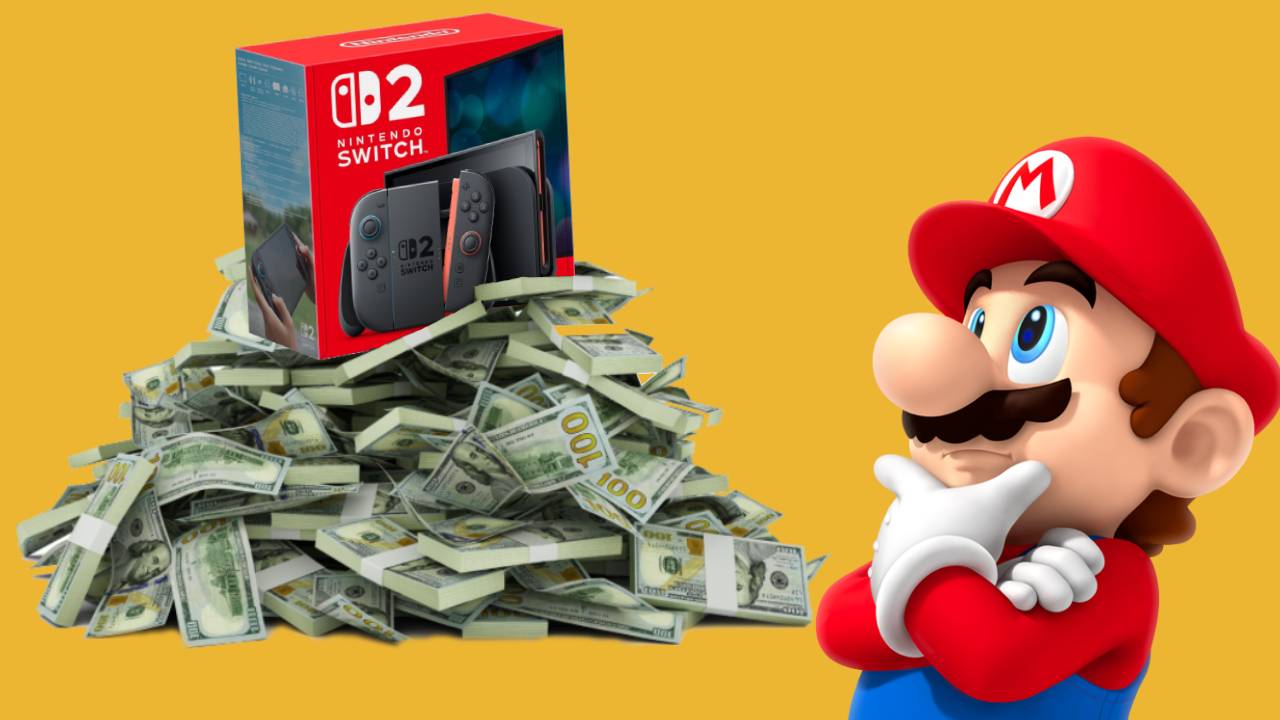
The world of gaming is no stranger to surprises, but some announcements hit harder than others. Recently, news broke that has sent ripples through the gaming community, particularly among fans eagerly awaiting Nintendo's next big move in the handheld console market. Less than a year after its anticipated launch, Nintendo has reportedly decided to increase the price of its highly-anticipated next-generation handheld console by a significant $50. This decision comes on the heels of the device already being considered "pricey" by many potential buyers, sparking widespread debate and concern about affordability, market strategy, and the future of premium gaming experiences.
The Unexpected Announcement: A $50 Increase on a Brand New Console
The core of the story is startling in its simplicity: a $50 price bump on a console that hasn't even had its first anniversary. This isn't a price adjustment years into a console's lifecycle, nor is it a subtle shift. It's a significant increase occurring very early, suggesting either unforeseen challenges or a bold strategic recalculation on Nintendo's part. For many, a new console launch is a major event, often requiring saving and careful budgeting. To see the price revised upwards so quickly, especially for a device already positioned at the higher end of the market, understandably creates friction and frustration among consumers who may have been planning their purchase around the initial price point.
This move immediately begs several questions: What justifies such a rapid and substantial increase? What does this mean for consumers who have been patiently waiting or saving up for this specific handheld? And how will this decision impact Nintendo's sales targets and its relationship with its dedicated fanbase? The implications are far-reaching, affecting not just individual wallets but also the broader market perception of value and the accessibility of cutting-edge gaming technology.
Understanding the "Already Pricey" Label
Before delving into the reasons behind the increase, it's crucial to understand why this console was already considered "pricey." Nintendo, traditionally known for making gaming accessible to a wide audience, has seen its hardware pricing evolve. The original Nintendo Switch launched at $299, a competitive price point for a hybrid console. Subsequent models, like the Nintendo Switch OLED, introduced premium features and a slightly higher price tag, pushing it closer to the $350 mark. A next-generation handheld, especially one expected to boast significant technological upgrades, would naturally command a higher price.
Expectations for this new device likely included enhanced graphical capabilities, a more powerful processor, improved battery life, and potentially innovative new features. These advancements come with substantial research and development costs, as well as higher manufacturing expenses. Therefore, an initial price point of, for example, $399 or even $449 for a device packed with such innovations would already place it in a premium category, arguably competing not just with other handhelds but also with entry-level home consoles or even some mid-range gaming PCs. This existing high price sets the stage for the amplified impact of the additional $50.
The Cost of Innovation and Market Positioning
Developing a new gaming console from scratch is an incredibly expensive undertaking. Companies invest billions in R&D, patent acquisition, and setting up complex supply chains. For a brand like Nintendo, which often pioneers unique gaming experiences rather than just raw power, the innovation costs can be particularly high. Whether it's a new screen technology, an advanced haptic feedback system, or groundbreaking control schemes, these elements contribute significantly to the manufacturing bill of materials. Therefore, the initial "pricey" tag likely reflects these inherent costs, aiming to strike a balance between recouping investment and appealing to a broad market.
Furthermore, market positioning plays a vital role. Nintendo might be aiming to position its next-gen handheld not just as a successor but as a premium device that justifies its cost through unique features and an unparalleled gaming experience. This strategy differentiates it from more budget-friendly options and targets a segment of consumers willing to pay more for cutting-edge technology and exclusive content. However, this strategy becomes increasingly challenging to maintain when prices climb even higher, testing the limits of consumer willingness to pay.
Why the Sudden $50 Jump? Unpacking the Potential Reasons
A price increase of this magnitude, so early in a product's lifecycle, rarely happens without substantial underlying factors. Several economic, logistical, and strategic reasons could be at play, forcing Nintendo to revise its pricing model. Understanding these factors is key to grasping the full scope of this controversial decision.
Global Economic Pressures
One of the most pervasive factors influencing pricing across all industries is global inflation. Over the past few years, we've witnessed significant increases in the cost of raw materials, energy, and labor worldwide. Manufacturing facilities, transportation, and even the salaries of development teams have all seen upward adjustments. These macroeconomic shifts directly impact the cost of producing complex electronic devices like gaming consoles. While companies often try to absorb some of these costs to maintain competitive pricing, there comes a point where passing on a portion to the consumer becomes unavoidable to maintain profitability.
Currency fluctuations also play a critical role. If Nintendo's primary manufacturing costs are in one currency and its target sales markets are in others, shifts in exchange rates can significantly impact profit margins. A strengthening Japanese Yen, for example, could make components sourced internationally more expensive, or make the console's price less competitive when converted to other currencies like the US Dollar or Euro, necessitating an adjustment to maintain global price parity or desired profit levels.
Component Scarcity and Manufacturing Hurdles
The semiconductor industry, crucial for all modern electronics, has faced unprecedented challenges in recent years, including shortages of critical components like microchips. These shortages lead to increased demand and, consequently, higher prices for the available supply. When a company like Nintendo needs a vast quantity of specific, high-performance chips for a new console, they might have to pay a premium to secure them, or face delays in production. These added procurement costs can quickly accumulate, making the initial pricing unsustainable.
Beyond chips, other components like specialized display panels, advanced battery cells, and custom controllers can also experience supply chain disruptions or increased costs due to evolving manufacturing processes. Scaling up production for a global launch is a monumental task, and any unforeseen hurdles in this process, such as increased shipping costs or unexpected material price spikes, can force a rapid re-evaluation of the retail price.
Research & Development and Feature Set Justification
It's possible that the initial pricing was an aggressive estimate based on projected R&D costs and component prices. As development progressed and new features were finalized, or as the true costs of incorporating cutting-edge technology became clearer, Nintendo might have realized that the original price wouldn't adequately cover their investment or projected profit margins. The $50 increase could, therefore, be a direct reflection of a more expensive-to-manufacture console than initially planned, perhaps due to the inclusion of advanced graphical capabilities, a more robust processing unit, or an unexpectedly sophisticated display.
For instance, if the new handheld features a groundbreaking screen technology, a significantly more powerful custom chip, or innovative new input methods that were more complex or costly to implement than anticipated, a price adjustment might be seen internally as a necessary step. Companies generally aim for a certain profit margin per unit to fuel future innovation and sustain their business, and if that margin is compromised, a price hike becomes a strategic imperative.
Strategic Market Positioning
Finally, the price increase could be a deliberate strategic decision. Nintendo might be aiming to firmly position its new console as a premium gaming device, perhaps even above its direct competitors or even existing home consoles. By raising the price, they might be signaling a higher perceived value, betting that the unique Nintendo experience and exclusive game library will still attract buyers despite the cost. This bold move could also be a way to manage initial demand if they anticipate limited supply, ensuring that those who are most eager and willing to pay are the first to acquire the device.
In some cases, companies might also use price adjustments to align with new market data or competitor pricing strategies that emerged after their initial price was set. If the market has shown a greater willingness to accept higher prices for gaming hardware, or if competitors have launched their own high-priced devices, Nintendo might be adjusting to stay competitive in terms of perceived value, even if it means a higher absolute cost.
The Consumer's Dilemma: Affordability vs. Desire
For gamers, a price increase on a highly anticipated console presents a significant dilemma. The excitement surrounding a new Nintendo handheld is often immense, driven by nostalgia, beloved characters, and the promise of innovative gameplay. However, financial constraints are a very real factor for many, and a sudden price jump can turn excitement into hesitation or even outright disappointment.
Impact on Early Adopters and Loyal Fans
Early adopters, those who pre-order or buy a console on day one, are typically the most dedicated and often the most vocal fans. They are eager to experience the latest technology and support their favorite brands. A price increase, especially one so close to launch, can feel like a betrayal to these loyal customers. They might have already mentally committed to the initial price, saved money accordingly, or even discussed their purchase plans with friends and family. A sudden change can lead to feelings of frustration, resentment, and a sense that their loyalty isn't being reciprocated.
This group is crucial for generating initial buzz and sales momentum. Alienating them could have a ripple effect, potentially dampening enthusiasm and leading to less positive word-of-mouth, which is invaluable in the gaming community. Nintendo will need to carefully manage communication around this increase to avoid significant backlash from its core fanbase.
The Budget-Conscious Gamer
Beyond early adopters, there's a vast demographic of gamers who operate on stricter budgets. For them, a $50 increase is not insignificant; it could be the difference between buying the console at launch or waiting for a price drop, a refurbished model, or even skipping it altogether. This demographic often includes younger players, families, or individuals with limited disposable income who carefully weigh their entertainment purchases.
If the console's new price pushes it out of their affordability range, it limits the total addressable market for Nintendo. This can impact overall sales volume, potentially affecting the console's install base, which in turn influences third-party developer support and the long-term health of the ecosystem. Accessibility has always been a strength of Nintendo, and a high price point could inadvertently alienate a segment of its traditional audience.
Community Reaction and Brand Loyalty
The gaming community is highly connected through social media, forums, and online discussions. News of a price hike spreads rapidly, often accompanied by strong opinions. While some might defend Nintendo, attributing the increase to unavoidable economic factors, many others will express disappointment, anger, or even cynicism. This collective reaction can significantly impact public perception of the brand.
Maintaining brand loyalty in such situations requires transparent communication and a clear justification for the decision. Without it, the goodwill built over years of delivering beloved gaming experiences could erode, making it harder for Nintendo to garner enthusiastic support for future products. Trust and value perception are intangible assets, but they are critically important in the competitive landscape of the gaming industry.
Nintendo's Business Play: Risk and Reward
From a business perspective, every pricing decision involves a careful calculation of risk and reward. Nintendo, as a publicly traded company, has a responsibility to its shareholders to generate profits. This price increase, while controversial, is likely an attempt to optimize revenue and profitability in a challenging economic environment, but it comes with its own set of potential downsides.
Short-Term Gains vs. Long-Term Sales
The immediate reward of a price increase is clear: more revenue per unit sold. If Nintendo sells a million units at the higher price, that's an extra $50 million in revenue compared to the original price, assuming sales volume isn't significantly impacted. This can provide a crucial boost to short-term financial performance, especially if production costs have indeed risen.
However, the risk lies in the long-term. A higher price point can deter potential buyers, leading to lower overall sales volumes over the console's lifecycle. A smaller install base can make the platform less attractive to third-party developers, potentially leading to fewer games and a less vibrant ecosystem, which in turn further reduces the console's appeal. Nintendo needs to ensure that the perceived value of the device, coupled with its strong first-party software lineup, is compelling enough to overcome the increased price resistance.
Brand Perception and Public Relations
The handling of this price increase will be critical for Nintendo's brand image. If the explanation is clear, honest, and justified by compelling product features or unavoidable external factors, the impact might be mitigated. However, if the reasoning is unclear or perceived as purely profit-driven without a tangible benefit to the consumer, it could lead to significant damage to public relations.
Nintendo has built a reputation for family-friendly gaming and innovative fun. Maintaining that image while making difficult business decisions is a delicate balancing act. Transparent communication, perhaps combined with future incentives or bundles, could help soften the blow and reassure consumers that Nintendo still values their loyalty and provides good value.
The Competitive Landscape
Nintendo doesn't operate in a vacuum. The gaming market is highly competitive, with Sony's PlayStation, Microsoft's Xbox, and a growing PC gaming segment all vying for consumer dollars. Moreover, the handheld market itself is seeing increased competition from devices like the Steam Deck and other portable gaming PCs, which offer different value propositions.
A significantly higher price point for Nintendo's next-gen handheld could push some consumers towards these alternatives, especially if they perceive greater hardware power or a wider game library for a similar or lower cost. Nintendo's unique selling points, such as exclusive games and innovative controls, will need to be incredibly strong to justify its premium pricing in this crowded market. The company must carefully analyze how this price change positions them relative to both traditional console rivals and emerging handheld competitors.
Looking Back: History of Console Pricing
Price adjustments, while sometimes painful, are not new to the console industry. Historically, consoles tend to launch at a certain price and then decrease in cost over their lifecycle to attract wider audiences. However, early price *increases* are far less common and often indicative of significant underlying pressures or strategic shifts.
Lessons from Past Generations
One notable example of a high initial price causing friction was the PlayStation 3, which launched at $499/$599 in 2006. This steep price was largely due to the inclusion of the Blu-ray player, a cutting-edge and expensive technology at the time. While Sony eventually found its footing and later reduced prices, the initial sticker shock undoubtedly impacted early adoption compared to its competitors. Nintendo itself had some high initial prices, like the Nintendo 64 at $199 (in 1996, which was significant) or the Wii U at $299/$349, which struggled with sales for various reasons, including value perception.
On the flip side, consoles like the original Nintendo Switch or the PlayStation 2 launched at competitive price points and saw immense success. The lesson often learned is that while innovation is important, accessibility through pricing can be a critical determinant of market penetration and overall platform success. A $50 increase early on, therefore, goes against the grain of typical console pricing trends, especially when aiming for mass market appeal.
The Evolving Value Proposition
What constitutes "value" in a console has also evolved. It's no longer just about raw power or exclusive games. Factors like ecosystem robustness, online services, backward compatibility, and the device's versatility (e.g., hybrid capabilities like the Switch) all contribute to a consumer's perception of worth. For Nintendo's next-gen handheld, the company needs to ensure that the added $50 translates into a tangible, enhanced value proposition that justifies the cost in the eyes of the consumer, beyond just the core gaming experience.
This could mean emphasizing unique controller features, superior build quality, an innovative operating system, or exclusive integrations with other Nintendo services. If the price increase is perceived as merely covering rising costs without adding direct value, consumers are more likely to push back. The communication strategy must effectively articulate how the device, at its new price, still offers an unmatched gaming experience.
What This Means for the Future of the Nintendo Switch 2 (or Next-Gen Handheld)
The decision to raise the price so early in the console's potential lifecycle sets a new precedent and will undoubtedly influence several aspects of its future, from software development to marketing strategies and even future hardware revisions.
Software Ecosystem and Game Pricing
A higher console price might put pressure on software pricing. If consumers are paying more for the hardware, they might expect game prices to remain stable or even see value-added elements. Nintendo has largely stuck to a $59.99/$69.99 standard for its first-party titles. An even higher console price might make some consumers more selective about their game purchases, potentially impacting attach rates (the number of games sold per console).
To counteract this, Nintendo might double down on its subscription service, Nintendo Switch Online, offering more compelling incentives or expanding its library of classic games. Bundles that include games with the console could become more prevalent, aiming to provide a more attractive overall package that softens the blow of the increased hardware cost. The health of the software ecosystem is paramount, and any hardware pricing strategy must ultimately support it.
Potential for Future Revisions and Bundles
This early price increase could also hint at Nintendo's long-term strategy for the device. It's possible that this new, higher price point establishes the "premium" tier, allowing for potential future revisions that are either more budget-friendly (e.g., a "Lite" version without certain features) or even more powerful, further segmenting the market. Historically, Nintendo has been adept at releasing multiple versions of its handhelds to cater to different consumer needs and price points.
Furthermore, special edition bundles, limited edition designs, or promotional packages that include accessories or popular games could become crucial marketing tools to make the higher price more palatable. These bundles can create a perception of added value, encouraging purchases despite the increased standalone cost of the console. Nintendo will likely need to be more creative with its marketing and sales tactics to drive adoption.
Conclusion: Navigating the New Price Point
Nintendo's decision to increase the price of its next-generation handheld by $50 less than a year after its launch is a bold and undoubtedly controversial move. It reflects a complex interplay of global economic pressures, rising manufacturing costs, and potentially a strategic shift towards positioning the device as a more premium offering. While the immediate financial benefits for Nintendo could be significant, the long-term impact on consumer perception, sales volume, and the overall health of its platform remains to be seen.
For gamers, this means a recalibration of expectations and budgets. The desire for cutting-edge technology and beloved Nintendo experiences will now be weighed against a higher financial commitment. The coming months will be crucial as Nintendo navigates this new price point, communicating its value proposition, and demonstrating that the enhanced cost is justified by an unparalleled gaming experience. As always, the success of the console will ultimately hinge on its ability to deliver joy, innovation, and compelling content that resonates with players worldwide, regardless of its sticker price.
from Kotaku
-via DynaSage
