
Next Apple Watch Models Unlikely to Add Touch ID, Focus on Battery Life
Apple Watch's Future Focus: Battery Life and Health Tech Over Fingerprint Sensors
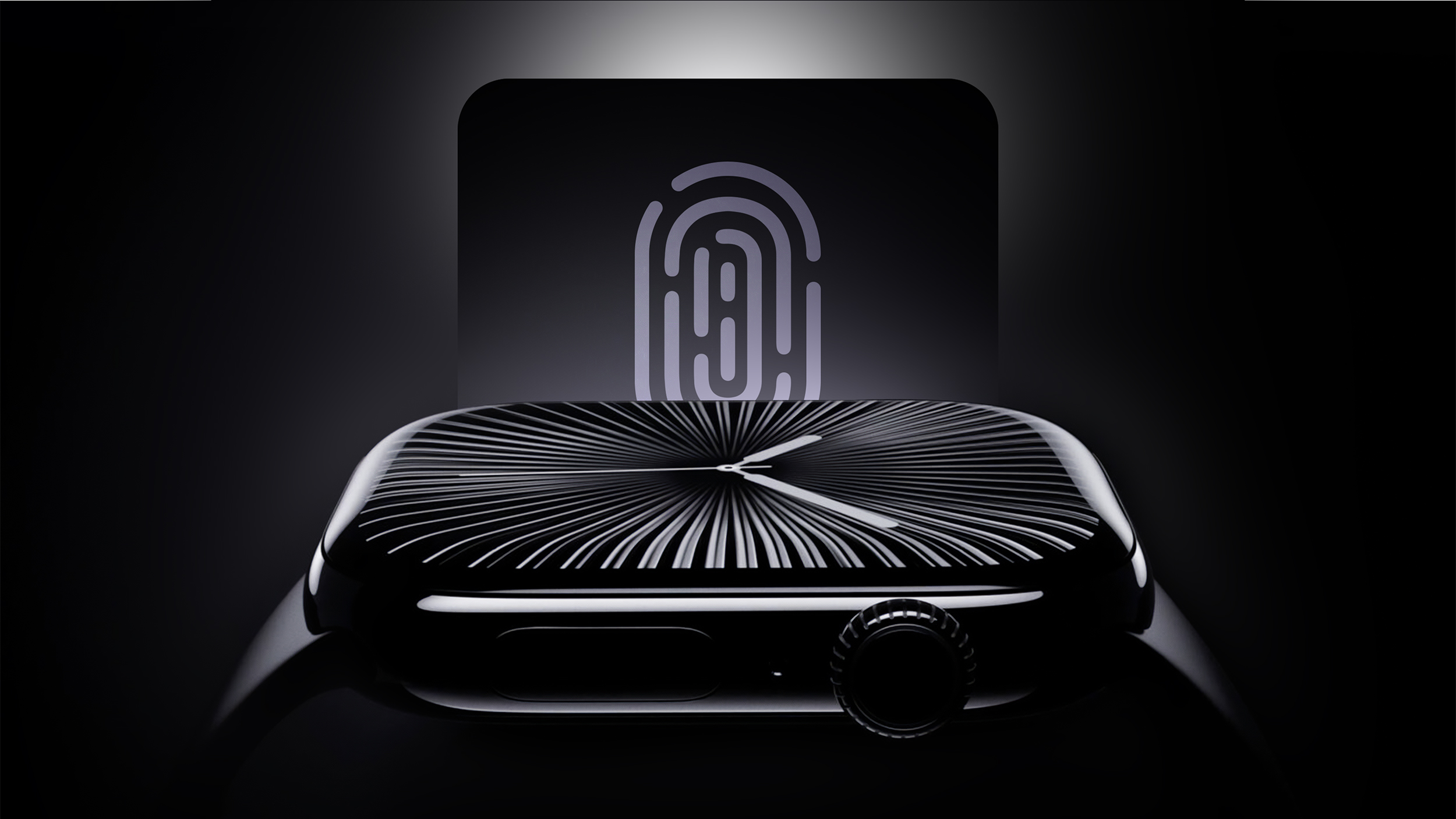
The Apple Watch has redefined what a wearable device can be, evolving from a sophisticated gadget into an indispensable health and fitness companion for millions. As technology progresses, users often speculate about the next big features Apple will introduce. One frequently discussed addition has been Touch ID, Apple's renowned fingerprint authentication system, to the Watch. However, recent insights from a prominent Chinese leaker, Instant Digital, suggest that Apple is currently prioritizing other crucial areas for its popular wearable: enhancing battery life and integrating more advanced health monitoring capabilities.
In a recent Weibo post, Instant Digital challenged ongoing rumors about biometric recognition, specifically Touch ID, making its way to upcoming Apple Watch models. Instead, the leaker indicates that Apple remains content with the existing method of unlocking the device through its paired iPhone, or via a simple passcode entered directly on the watch. This strategic decision highlights Apple's commitment to optimizing the core user experience and expanding the Watch's most impactful functionalities.
The Choice Against Touch ID: Space, Cost, and Priorities
The decision not to include Touch ID in the immediate future of the Apple Watch lineup isn't arbitrary; it stems from practical engineering and design considerations. Adding a Touch ID sensor, whether integrated into the display or a side button, would come with significant drawbacks that Apple is seemingly unwilling to accept at this stage of the Watch's development. Two primary concerns stand out: increased cost and the consumption of valuable internal space.
Every component added to a device as compact as the Apple Watch must earn its place. The internal architecture of smartwatches is incredibly dense, packed with processors, sensors, haptic engines, and various antennas, all vying for precious millimetres. Introducing a new biometric sensor would require dedicating a certain amount of this limited internal volume, potentially at the expense of other critical components. According to the leaker, Apple is currently prioritizing this internal space for larger batteries. A bigger battery directly translates to longer usage times between charges, a highly requested feature that significantly improves the daily experience for many users.
Beyond space, there's the question of cost. Integrating a sophisticated sensor like Touch ID, especially if it were to be an under-display solution, adds to the manufacturing complexity and component expense. These costs would inevitably trickle down to the consumer, potentially raising the retail price of the Apple Watch. Apple constantly performs a delicate balancing act, aiming to introduce innovative features while keeping its products accessible to a broad market. At this juncture, the company appears to believe that the benefits of Touch ID on the Watch do not outweigh the associated increases in cost and the sacrifice of internal space that could be used for battery improvements or new health sensors.
Past Speculation and the Reality of Development
It's worth noting that the idea of Touch ID on the Apple Watch isn't entirely new. Last August, MacRumors confirmed lines of code previously uncovered by Macworld that hinted at the possibility of Touch ID for future Apple Watch models, specifically mentioning the Apple Watch Series 12 or Apple Watch Ultra 4. Such discoveries often spark excitement and lead to speculation about where the sensor might be placed – perhaps integrated seamlessly under the display or, more conventionally, into the side button, much like its implementation on the iPad mini and iPad Air.
While code snippets can indicate ongoing development or experimental features, they don't always guarantee immediate product integration. Companies often explore various technologies and ideas that may or may not see the light of day in a consumer product, or may be shelved for many years. The timeframe mentioned – Series 12 or Ultra 4 – suggests a very distant future, far beyond the next few iterations of the Apple Watch. This aligns with the current leaker's claim that immediate plans do not include Touch ID, pushing it further down the roadmap, if it's even a firm plan at all.
Apple's Core Strengths: Battery and Health Innovation
If not Touch ID, then what is Apple focusing on? The answer, according to the leaker and consistent with Apple's long-term strategy, lies in two of the Apple Watch's most critical pillars: battery performance and health monitoring capabilities. These are areas where continuous innovation directly translates into tangible benefits for users, solidifying the Apple Watch's position as a leader in the wearable market.
The Quest for Superior Battery Life
Battery life remains one of the most frequent requests from Apple Watch users. While current models offer "all-day" battery life for typical usage, heavy use of features like GPS, cellular connectivity, always-on display, or intense workout tracking can quickly deplete the power reserves. A larger battery capacity addresses these concerns directly, providing users with more freedom and less "charging anxiety."
Imagine being able to track a multi-hour hike with GPS and heart rate monitoring without worrying about the watch dying before you're back home, or confidently leaving your charger behind for an overnight trip. Extended battery life allows for more extensive health data collection, longer periods of activity tracking, and greater independence from charging cables. This focus on battery enhancement underscores Apple's understanding of real-world user needs and its commitment to improving the foundational aspects of the device's utility.
Pioneering Health Monitoring Technology
The Apple Watch has become synonymous with personal health monitoring, offering features that have genuinely saved lives. From ECG readings that detect atrial fibrillation to blood oxygen saturation measurements and sophisticated fall detection, the Watch continually pushes the boundaries of what a wearable can do to safeguard well-being. Apple's dedication to health innovation is a defining characteristic of the device.
Looking ahead, the next frontier in health monitoring is incredibly ambitious: non-invasive blood glucose monitoring technology. This feature, mentioned as being in "early stages of development," represents a potential revolution for millions of people worldwide, particularly those living with diabetes. The current standard for blood glucose monitoring often involves finger pricks or implanted continuous glucose monitors, both of which can be intrusive or expensive. A truly non-invasive solution on a device like the Apple Watch would be a game-changer, allowing for continuous, effortless tracking of blood sugar levels.
The development of such technology is extraordinarily complex, requiring years of research, rigorous testing, and overcoming immense scientific challenges to ensure accuracy and reliability. The fact that Apple is investing heavily in this area, even if it's still years away, speaks volumes about its long-term vision for the Apple Watch as a preventative and diagnostic health tool. This focus aligns perfectly with the decision to prioritize internal space for advanced sensors and the larger batteries needed to power them, rather than a feature like Touch ID that, while convenient, doesn't directly contribute to the Watch's life-saving health mission.
Future Design and Evolution: A Patient Approach
Beyond feature sets, the physical design of the Apple Watch is also on an evolutionary path. Current expectations suggest that the 2026 Apple Watch models are unlikely to introduce major design changes. Instead, significant aesthetic and structural updates are not anticipated until 2028 at the earliest. This patient approach to design overhauls is characteristic of Apple, which often refines existing designs for several generations before introducing a radical new look.
When a major design update does arrive, it will likely be tied to breakthrough technologies or new form factors that fundamentally enhance the user experience. The potential integration of non-invasive blood glucose monitoring, for instance, could warrant a revised design to accommodate new sensors or interaction methods. Such a shift could involve changes to the display, casing materials, or even the traditional Digital Crown, allowing for entirely new ways to interact with the device and its advanced health features.
This long-term perspective allows Apple to perfect technologies before embedding them in a new design, ensuring that any radical changes are driven by meaningful innovation rather than mere aesthetics. It also speaks to the maturity of the current Apple Watch design, which has proven versatile enough to house increasingly complex technology while remaining comfortable and stylish on the wrist.
The Apple Ecosystem Advantage
One reason Touch ID might not be seen as a critical addition for the Apple Watch is the device's deep integration within the broader Apple ecosystem. The Watch works seamlessly with your iPhone, automatically unlocking when your paired iPhone is unlocked and on your person, or when you enter a simple passcode on the watch itself. For many users, this system provides sufficient security and convenience, especially given that the Watch is typically worn for extended periods.
Furthermore, features like Apple Pay on the Watch are secured through a passcode that only needs to be entered once after taking the watch off and putting it back on, or after a reboot. For quick, secure payments, it relies on the proximity of the device to the payment terminal and the fact that it's authenticated by being on your wrist. This existing security framework, combined with the convenience of iPhone-based unlocking, lessens the immediate need for a dedicated Touch ID sensor on the watch itself. Apple's ecosystem approach ensures a cohesive and secure user experience across all its devices, often making redundant features unnecessary.
The Role of Leakers like Instant Digital
Insights from prominent leakers like Instant Digital play a crucial role in shaping public expectations and providing a glimpse into the secretive world of tech development. While not official announcements, these claims often draw from supply chain sources or internal company information, offering valuable, albeit unofficial, perspectives on future product strategies. Instant Digital's consistent pushback on the Touch ID rumors, coupled with a firm assertion about Apple's true priorities, lends credibility to the idea that battery life and advanced health sensors are indeed at the forefront of Apple's immediate plans for the Watch.
These leaks serve as a fascinating counterpoint to widespread speculation, helping to ground expectations in what's truly feasible and strategically important for a company like Apple. They highlight the continuous balancing act between user desires, technological limitations, and strategic business decisions that dictate the evolution of consumer electronics.
Conclusion: A Strategic Path Forward
In summary, the latest information suggests that Apple is making a deliberate and strategic choice for the future of the Apple Watch. Rather than pursuing fingerprint authentication—a feature that, while convenient, might introduce significant engineering compromises—Apple is doubling down on what truly differentiates its wearable: outstanding battery performance and groundbreaking health monitoring capabilities.
This approach promises to deliver a more robust and health-centric device. Users can look forward to longer periods of usage between charges, reducing the friction of daily charging routines. More importantly, the continued investment in advanced health sensors, particularly the ambitious pursuit of non-invasive blood glucose monitoring, signifies Apple's unwavering commitment to making the Apple Watch an even more powerful tool for personal health and well-being. While a major design overhaul may be several years away, the focus on these core improvements ensures that the Apple Watch will continue to evolve as an essential companion, enhancing daily life and potentially saving lives for millions around the globe. The journey of the Apple Watch is one of continuous innovation, guided by a clear vision for its role in health and everyday utility.
Related Resources and Further Discussion
This article, "Next Apple Watch Models Unlikely to Add Touch ID, Focus on Battery Life" first appeared on MacRumors.com
Discuss this article in our forums
from MacRumors
-via DynaSage
